
Hydraulic Lift Table Safety: Essential Best Practices for Enhanced Workplace Efficiency
In the demanding environments of warehouses, manufacturing floors, and industrial facilities, efficient and safe material handling is paramount. Hydraulic lift tables and related material positioning equipment from Fredon Handling (fredonhandling.com) are indispensable tools for improving productivity and reducing strain. However, like any powerful machinery, their operation demands strict adherence to safety protocols. This comprehensive guide delves into the essential best practices for hydraulic lift table safety, ensuring your operations are not only productive but also secure for your workforce. We’ll explore the crucial aspects of selection, operation, maintenance, and the significant role these solutions play in creating a safer, more ergonomic workplace.
For those looking to enhance their understanding of safety practices in material handling, the article on “What is Material Handling?” provides valuable insights that complement the discussion on Hydraulic Lift Table Safety: Essential Best Practices. This resource outlines the fundamental concepts of material handling and emphasizes the importance of safety protocols in various operations. To explore this informative article further, visit What is Material Handling?.
Understanding the Core of Hydraulic Lift Table Safety
At its heart, hydraulic lift table safety is about mitigating risks associated with heavy lifting, repetitive motions, and potential equipment malfunctions. These sophisticated pieces of equipment, including various types of hydraulic lifts, scissor lifts, pallet positioners, tilt tables, turntables, and ergonomic workstations, are designed to alleviate physical stress. However, their power, driven by hydraulic systems, necessitates a robust understanding of their operation and the potential hazards they can present if not handled correctly.
The Importance of a Proactive Safety Culture
Implementing hydraulic lift table safety best practices isn’t merely about following a checklist; it’s about fostering a proactive safety culture within your organization. This means encouraging open communication about potential hazards, empowering employees to report unsafe conditions, and prioritizing safety in every operational decision. When safety becomes ingrained in the daily workflow, the likelihood of accidents involving hydraulic lift tables and other material positioning equipment significantly decreases.
Fredon Handling’s Commitment to Safety
Fredon Handling (fredonhandling.com) is dedicated to providing not only high-performing industrial material handling equipment but also the knowledge to operate it safely and efficiently. We understand that the right equipment, combined with proper training and maintenance, is the foundation of safe operations. Our range of hydraulic lift tables and material positioning equipment is designed with safety features, but the ultimate responsibility for safe use lies with the operator and management.
Selecting the Right Hydraulic Lift Table for Safe Operation
The first step towards ensuring hydraulic lift table safety is selecting the appropriate equipment for the specific task and environment. Fredon Handling offers a diverse range of solutions, each with unique capabilities and safety considerations. Making an informed choice from our product lines, such as our versatile hydraulic lift tables or specialized scissor lifts, can pre-empt many potential safety issues.
Key Considerations for Equipment Selection
When choosing hydraulic lift tables and other material positioning equipment, several factors directly impact safety:
- Load Capacity: Exceeding the rated load capacity of any lift table is a primary cause of failure and accidents. Ensure the chosen equipment can comfortably handle the weight and dimensions of the materials being moved. Fredon Handling provides detailed specifications for all our products.
- Lift Height and Travel Range: The required lifting height will dictate the type of lift table or scissor lift needed. Incorrect height selection can lead to awkward positioning, overextension, or instability.
- Application and Environment: Consider the frequency of use, the type of materials, and the environmental conditions (e.g., wet, dusty, hazardous). Some applications may benefit from specialized features or materials. For example, a pallet positioner might be ideal for repetitive pallet loading, while a tilt table could be crucial for ergonomic container emptying.
- Ergonomics: Equipment that promotes ergonomic handling, like ergonomic workstations and adjustable-height lift tables, directly contributes to worker safety by reducing physical strain and the risk of musculoskeletal injuries.
- Safety Features: Look for built-in safety mechanisms. These can include:
- Guardrails and Safety Skirts: To prevent entrapment.
- Emergency Stop Buttons: Easily accessible for immediate shutdown.
- Pressure Relief Valves: To prevent system overload.
- Overload Protection: To prevent exceeding capacity.
- Platform Size and Stability: Adequate platform size and a stable base are critical.
Exploring Fredon Handling’s Material Positioning Solutions
Fredon Handling offers a comprehensive suite of material positioning equipment designed with safety and efficiency in mind:
- Hydraulic Lift Tables: Our standard hydraulic lift tables are versatile workhorses for lifting, lowering, and positioning materials at various heights. They are crucial for reducing manual lifting and improving workflow. You can explore our range of hydraulic lift tables for various industrial needs.
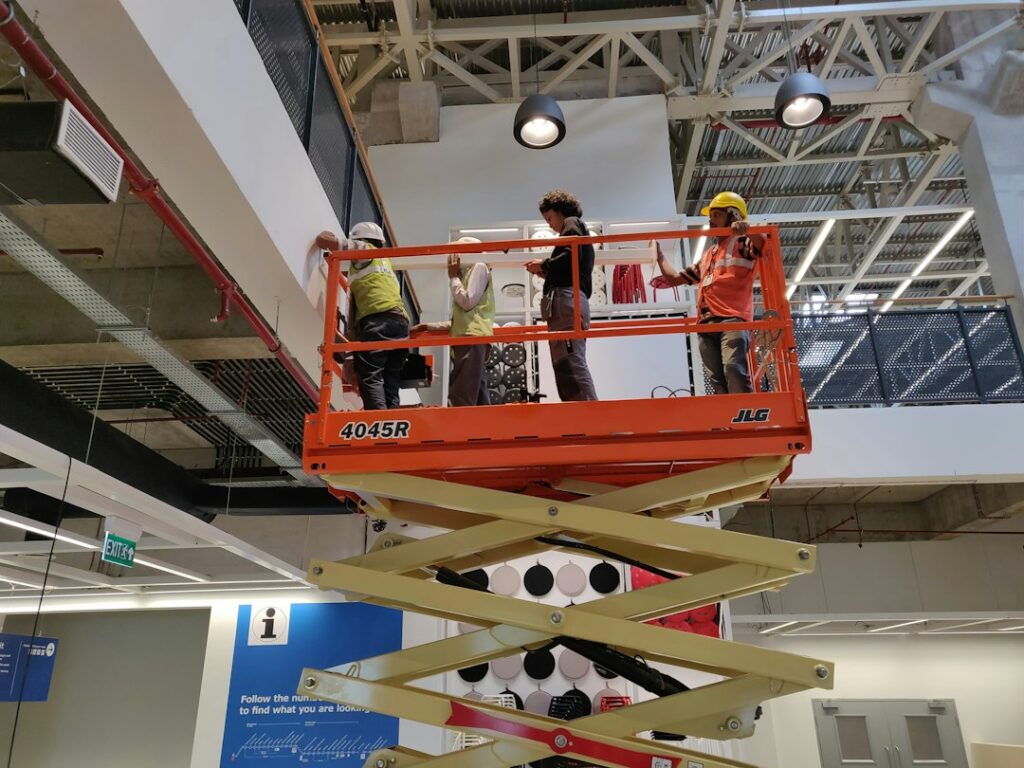
- Scissor Lifts: Offering higher lifting capacities and greater stability at elevated heights, scissor lifts are ideal for applications requiring significant vertical movement.
- Pallet Positioners: Specifically designed to bring pallets to an ergonomic working height, these significantly reduce bending and reaching for workers frequently handling palletized goods. Discover how our pallet positioners can enhance your operations.
- Tilt Tables: These are essential for safely emptying containers, bins, or boxes by tilting them to an accessible angle, minimizing awkward postures and spillage.
- Turntables: While not strictly for lifting, turntables are vital for positioning and rotating loads, often integrated with lift tables or workstations to allow for easier access and assembly.
- Ergonomic Workstations: These integrated solutions combine lifting, tilting, and rotating capabilities with work surfaces, creating highly customizable and safe working environments.
By carefully assessing your needs against the capabilities of Fredon Handling’s equipment, you lay the groundwork for safe and effective operation.
Safe Operation Procedures for Hydraulic Lift Tables
Once the appropriate equipment is selected, establishing and rigorously enforcing safe operating procedures is paramount for hydraulic lift table safety. This involves comprehensive training, clear guidelines, and consistent supervision.
Comprehensive Operator Training
All personnel who operate or work in the vicinity of hydraulic lift tables must receive thorough training. This training should cover:
- Equipment Specifics: Understanding the model being used, its controls, and its operational limits.
- Safe Loading and Unloading: Proper techniques for placing and removing materials to ensure stability and prevent shifting.
- Operational Controls: Correct use of buttons, levers, and safety interlocks.
- Emergency Procedures: Knowing how to react in case of malfunction or unexpected events, including the location and use of emergency stop buttons.
- Awareness of Surroundings: Understanding that the lift table’s movement can pose a hazard to personnel and nearby equipment.
- Recognizing Warning Signs: Identifying and reporting any unusual noises, vibrations, or leaks.
Fredon Handling can provide resources and recommendations for operator training to ensure your team is well-equipped.
Pre-Operation Checks
Before each use, a quick but thorough pre-operation check is crucial for hydraulic lift table safety:
- Visual Inspection: Check for any visible damage, leaks, loose parts, or obstructions.
- Hydraulic Fluid Levels: Ensure fluid levels are within the recommended range.
- Functionality Test: Briefly operate the lift at a low height to confirm smooth movement and responsiveness.
- Safety Features: Verify that all safety skirts, guardrails, and emergency stops are functioning correctly.
- Area Clearance: Ensure the area around the lift is clear of personnel and obstructions before operation.
During Operation Best Practices
While operating the hydraulic lift table:
- Position Load Centered: Always place loads centrally on the platform to maintain balance and stability.
- Avoid Overloading: Never exceed the equipment’s rated load capacity. If a load is near the maximum capacity, operate the lift slowly and with extra caution.
- Maintain Clearances: Be aware of overhead clearances, especially when lifting the platform to its full height. Ensure no personnel are standing or reaching under the platform while it is in motion.
- Slow and Steady Movements: Operate the lift smoothly and avoid jerky motions, which can destabilize the load.
- Secure Loads: For unstable or bulky items, ensure they are secured to the platform before lifting.
- Never Ride the Lift: Personnel should never ride on the platform of a hydraulic lift table, even for short distances.
- Controlled Descent: Lower the platform smoothly and under control.
Post-Operation Procedures
After use:
- Lower to Safe Position: Lower the platform to its lowest safe position, or as per facility procedures, to prevent tripping hazards.
- Lock Out/Tag Out (if necessary): If maintenance is required or the equipment is being taken out of service, follow lockout/tagout procedures to prevent accidental activation.
- Report Issues: Immediately report any observed malfunctions or safety concerns to supervisors.
When considering the safety of hydraulic lift tables, it’s essential to also explore the broader context of material handling systems. A related article that delves into this topic is available at Material Handling Systems Explained, which discusses how efficient workflows can enhance safety and productivity in various settings. Understanding the interplay between different systems can provide valuable insights into best practices for maintaining a safe working environment.
Maintenance: The Backbone of Hydraulic Lift Table Safety
Regular and proper maintenance is not an optional extra; it is a fundamental pillar of hydraulic lift table safety. Neglecting maintenance can lead to equipment failure, unexpected downtime, and, most critically, serious accidents. Fredon Handling strongly advocates for a proactive maintenance schedule.
Regular Inspections and Preventive Maintenance
A well-structured maintenance program should include:
- Scheduled Inspections: Regular visual and functional inspections by trained personnel, ideally following a manufacturer-recommended schedule. This includes checking for wear and tear on hydraulic hoses, seals, cylinders, and structural components.
- Lubrication: Proper lubrication of all moving parts, such as pivot points and guide rollers, is essential for smooth operation and to prevent premature wear.
- Hydraulic System Checks: Monitoring hydraulic fluid levels, checking for leaks, and ensuring the proper functioning of pumps, valves, and cylinders. Dirty or low hydraulic fluid can lead to operational issues and system damage.
- Electrical System Checks: For powered lifts, inspect wiring, switches, and control panels for any signs of damage or malfunction.
- Structural Integrity: Periodically checking the frame and platform for any signs of bending, cracking, or corrosion.
Understanding Wear and Tear
Operators and maintenance staff should be trained to recognize common signs of wear and tear:
- Leaking Hydraulic Fluid: Indicates worn seals or damaged hoses.
- Slow or Jerky Movement: Can signal low hydraulic fluid, air in the system, or a failing pump.
- Unusual Noises: Grinding or squealing can point to worn bearings or lack of lubrication.
- Visible Damage: Dents, cracks, or bent components require immediate attention.
The Importance of Using Genuine Parts
When repairs are necessary, it’s crucial to use genuine or approved replacement parts. Using substandard parts can compromise the integrity and safety of the lift table and void warranties. Fredon Handling can supply authentic replacement parts to ensure your equipment continues to operate safely and efficiently.
Documentation and Record Keeping
Maintaining detailed records of all inspections, maintenance activities, and repairs is vital. This documentation serves multiple purposes:
- Tracking History: Provides a clear history of the equipment’s condition and maintenance.
- Identifying Trends: Helps in identifying recurring issues that might indicate a systemic problem.
- Compliance: Essential for demonstrating compliance with safety regulations and manufacturer recommendations.
Ensuring safety while using hydraulic lift tables is crucial in any manufacturing environment, and understanding best practices can significantly reduce the risk of accidents. For those looking to enhance their knowledge on material handling equipment, a related article discusses essential tools for efficient manufacturing processes. You can read more about it in this informative piece on essential material handling equipment. This resource complements the safety guidelines for hydraulic lift tables by providing insights into the various equipment that can improve operational efficiency and safety.
Enhancing Workplace Safety and Productivity with Material Positioning Equipment
The effective use of hydraulic lift tables and other material positioning equipment from Fredon Handling directly contributes to both hydraulic lift table safety and overall workplace productivity. By design, these tools are intended to make tasks easier and less physically demanding.
Reducing Musculoskeletal Disorders (MSDs)
One of the most significant benefits is the reduction of MSDs. Manual lifting, bending, and awkward postures are major contributors to back injuries, sprains, and strains. Hydraulic lift tables, pallet positioners, and tilt tables allow workers to bring loads to an ergonomic working height, significantly reducing the physical stress on their bodies. This leads to a healthier workforce and fewer lost workdays.
Improving Workflow Efficiency
When materials are positioned at the optimal height and orientation, workflows become smoother and faster. For example, a tilt table can drastically speed up the process of emptying bins compared to manual tipping. Similarly, easily accessible pallets from a pallet positioner minimize the time spent reaching and bending. This efficiency gain directly translates to increased output and productivity.
Creating Ergonomic Workstations
Fredon Handling’s ergonomic workstations represent the pinnacle of combining safety and productivity. These integrated solutions can be customized with lifting, tilting, and rotating functions to perfectly match specific assembly or processing tasks. By tailoring the workstation to the human operator, the risk of injury is minimized while the speed and accuracy of work are maximized.
Versatility in Applications
The diverse range of material positioning equipment from Fredon Handling allows for customization across various industries:
- Manufacturing: For assembly lines, parts feeding, and quality control.
- Warehousing and Logistics: For loading/unloading trucks, order picking, and inventory management.
- Automotive: For part positioning, assembly, and repair.
- Food and Beverage: For handling ingredients, packaging, and palletizing.
- Pharmaceuticals: For precise handling of sensitive materials and equipment.
Fredon Handling’s expertise can help you identify the ideal material positioning equipment to optimize your specific operations, enhancing both safety and output. You can explore our solutions by industry to find the best fit for your needs.
Frequently Asked Questions About Hydraulic Lift Table Safety
To further clarify essential aspects of hydraulic lift table safety, we address some common questions:
Q1: How often should hydraulic lift tables be inspected?
A1: Daily pre-operation checks by the operator are essential. Formal inspections, including functional tests and checks of hydraulic systems, should be conducted regularly, typically monthly for light use and weekly for heavy-duty applications. A detailed preventive maintenance schedule should be established based on usage and manufacturer recommendations.
Q2: What is the most common cause of hydraulic lift table accidents?
A2: The most common causes include exceeding the load capacity, improper loading or unloading of materials leading to instability, operating with damaged or poorly maintained equipment, and lack of operator awareness or training, particularly concerning pinch points and moving parts.
Q3: Can I modify my existing hydraulic lift table?
A3: Modifications should only be undertaken with extreme caution and ideally by qualified technicians following manufacturer guidelines. Unauthorized modifications can compromise safety features, void warranties, and increase the risk of failure. Always consult Fredon Handling or a certified technician before considering any modifications.
Q4: What safety features are most important on a hydraulic lift table?
A4: Crucial safety features include overload protection, emergency stop buttons, safety skirts or guardrails to prevent entrapment, stable platform design, and pressure relief valves. The inclusion of these features varies by model and application.
Q5: How can I calculate the potential ROI of investing in better hydraulic lift tables or material positioning equipment?
A5: Fredon Handling offers tools and resources to help you calculate the return on investment. Factors to consider include reduced labor costs due to increased efficiency, decreased injury-related costs (medical, insurance, downtime), and improved productivity. Our team can assist you in utilizing our ROI calculators or providing data to support your analysis.
Conclusion: Prioritizing Safety for Sustainable Productivity
In conclusion, hydraulic lift table safety is not a mere compliance requirement; it is a fundamental business imperative. By diligently implementing best practices in equipment selection, operator training, maintenance, and fostering a strong safety culture, organizations can significantly mitigate risks. Fredon Handling (fredonhandling.com) is your trusted partner in providing robust industrial material handling equipment, including a wide array of hydraulic lift tables and material positioning equipment designed to enhance both safety and productivity.
Investing in quality equipment from Fredon Handling, coupled with a commitment to safety, ensures your operations run smoothly, efficiently, and, most importantly, securely. We encourage you to explore our comprehensive product offerings and contact our experts to discuss your specific material handling needs. Let Fredon Handling help you build a safer, more productive future for your facility.