
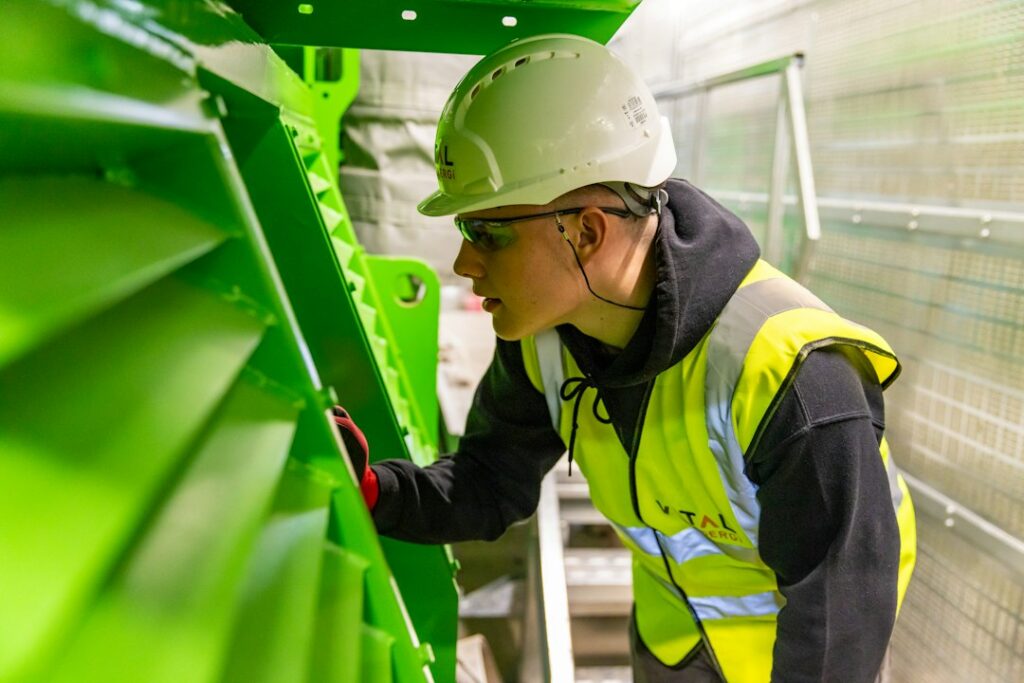
Ergonomic Material Positioning: A Practical Guide for Enhanced Productivity and Safety
In the demanding world of industrial operations, from manufacturing floors to bustling warehouses, the efficient and safe movement of materials is paramount. The physical strain placed on workers during repetitive lifting, reaching, and positioning tasks can lead to injuries, reduced productivity, and increased operational costs. This is where ergonomic material positioning equipment, particularly advanced hydraulic solutions from Fredon Handling, becomes an indispensable asset. By strategically integrating hydraulic lift tables, scissor lifts, pallet positioners, tilt tables, turntables, and ergonomic workstations, businesses can dramatically improve their operational efficiency, safeguard their workforce, and boost overall profitability.
At Fredon Handling, we understand the critical role that well-designed ergonomic material positioning equipment plays in modern industry. Our comprehensive range of solutions is engineered to address the unique challenges faced by warehouse managers, manufacturing supervisors, and facility operators. This guide will delve into the types of equipment available, their diverse applications, the tangible benefits they offer, and practical advice for selecting, maintaining, and optimizing their use to achieve peak performance and a safer working environment.
For those interested in enhancing their understanding of ergonomic material positioning, a related article that provides valuable insights is “Essential Material Handling Equipment for Efficient Manufacturing Processes.” This article delves into the various tools and equipment that can streamline material handling, ultimately supporting ergonomic practices in the workplace. You can read it here: Essential Material Handling Equipment for Efficient Manufacturing Processes.
Understanding the Spectrum of Ergonomic Material Positioning Equipment
The cornerstone of effective ergonomic material positioning lies in understanding the various types of equipment designed to mitigate manual labor and promote worker well-being. Fredon Handling offers a specialized portfolio of hydraulic-powered solutions, each tailored to specific operational needs.
Hydraulic Lift Tables and Scissor Lifts: The Foundation of Vertical Movement
Hydraulic lift tables and scissor lifts are fundamental to ergonomic material positioning, providing robust and reliable vertical lifting capabilities.
Hydraulic Lift Tables: Versatile Lifting Solutions
Hydraulic lift tables are incredibly versatile, designed to raise and lower heavy loads to optimal working heights. They are commonly used for a variety of tasks, including:
- Loading and Unloading: Facilitating the transfer of goods from conveyors, trucks, or other equipment without excessive bending or reaching.
- Assembly Lines: Bringing parts and components to the worker, or raising workpieces to a comfortable working level, significantly reducing strain.
- Maintenance and Repair: Providing a stable platform for technicians to access machinery at elevated positions.
- Order Picking: Assisting pickers in reaching higher shelves or bringing heavier items down to a manageable level.
Fredon Handling offers a wide array of hydraulic lift tables, from standard duty to heavy-duty models, with options for custom configurations to meet specific load capacities, lifting heights, and platform sizes. Explore our range of Hydraulic Lift Tables to find the perfect fit for your operations.
Scissor Lifts: Stability and Height for Demanding Applications
Scissor lifts, characterized by their criss-cross leg mechanism, provide exceptional stability and can achieve significant lifting heights. They are particularly useful for:
- Higher Reach Applications: Ideal for situations where substantial vertical elevation is required, such as reaching upper levels of storage racks or servicing tall machinery.
- Work Platforms: Creating temporary elevated work platforms for maintenance, construction, or specialized assembly tasks.
- Docks and Loading Docks: Acting as versatile lifting devices for loading and unloading irregularly shaped or heavy items.
The robust design of scissor lifts ensures a secure and stable platform, crucial for maintaining safety during elevated operations.
Pallet Positioners and Turntables: Streamlining Material Flow
Optimizing the movement and orientation of materials, especially pallets, is crucial for efficiency and reducing worker strain.
Pallet Positioners: Revolutionizing Pallet Handling
Pallet positioners are designed to lift, tilt, and rotate pallets, making it easier and safer for workers to load, unload, and access the contents of pallets. They are essential for:
- Loading and Unloading Trucks: Allowing workers to easily access goods without bending into the truck bed.
- Repackaging and Order Fulfillment: Enabling efficient access to items on pallets for picking and consolidating orders.
- Reducing Back Strain: By bringing the pallet to a comfortable working height and angle, these devices significantly reduce the risk of musculoskeletal injuries.
Fredon Handling’s pallet positioners are built for durability and ease of use, helping to create a more ergonomic workflow.
Turntables: Enhancing Access and Maneuverability
Turntables, whether manual or powered, allow for the rotation of products or containers, improving accessibility and reducing the need for workers to twist or reach excessively. They are widely used in:
- Assembly Lines: Enabling workers to easily rotate components for different stages of assembly.
- Packaging and Inspection: Allowing for convenient access to all sides of a product for wrapping, labeling, or quality control.
- Material Transfer: Facilitating the smooth transfer of items between different workstations or conveyors.
By eliminating awkward movements, turntables contribute significantly to ergonomic material positioning.
Tilt Tables and Ergonomic Workstations: Tailored Task-Specific Solutions
Beyond general lifting, specialized equipment addresses specific task requirements and worker comfort.
Tilt Tables: Optimizing Loading and Unloading Angles
Tilt tables are designed to tilt loads, often used in conjunction with other lifting equipment, to facilitate easier loading and unloading. They are particularly beneficial for:
- Loading Irregularly Shaped Items: Helping to slide or position items onto other platforms or into containers more effectively.
- Dumping or Dispensing: Tilting containers to pour or dispense contents with greater control.
- Reducing Manual Effort: Minimizing the physical force required to maneuver heavy or awkward loads.
The ability to adjust the tilt angle precisely enhances control and reduces the risk of accidents.
Ergonomic Workstations: The Human-Centric Approach
Ergonomic workstations are custom-designed areas that integrate various ergonomic material positioning elements to create an optimal working environment for specific tasks. These can include:
- Adjustable Height Benches: Allowing workers to sit or stand comfortably.
- Integrated Lift Assists: Incorporating lift tables or manipulators directly into the workstation.
- Tool and Part Holders: Strategically placing tools and components within easy reach.
- Customizable Layouts: Designed to minimize reaching, bending, and twisting.
Investing in well-designed ergonomic workstations is a direct investment in the health and productivity of your employees. Fredon Handling can help design and implement Ergonomic Solutions tailored to your specific needs.
The Compelling Benefits of Ergonomic Material Positioning
The adoption of ergonomic material positioning equipment from Fredon Handling yields a multitude of advantages that extend across safety, productivity, and financial performance.
Enhancing Workplace Safety and Reducing Injuries
This is arguably the most significant benefit. Manual handling is a leading cause of workplace injuries, particularly back injuries, strains, and sprains.
- Reduced Musculoskeletal Disorders (MSDs): By eliminating or minimizing the need for heavy lifting, bending, and twisting, the risk of MSDs is drastically reduced. This translates to fewer lost workdays, lower workers’ compensation claims, and a healthier workforce.
- Improved Operator Well-being: When workers are not subjected to constant physical strain, their overall well-being improves, leading to higher morale and job satisfaction.
- Fewer Accidents: Properly positioned materials at ergonomic heights and orientations reduce the likelihood of dropped items, pinched fingers, and other accidents associated with manual handling.
Boosting Operational Efficiency and Productivity
Ergonomic equipment isn’t just about safety; it’s a powerful driver of productivity.
- Faster Throughput: When materials are easily accessible and positioned correctly, tasks can be completed more quickly and efficiently.
- Reduced Fatigue: Workers experience less physical fatigue, allowing them to maintain a higher level of performance throughout their shift.
- Improved Accuracy: With better visibility and easier manipulation of materials, the accuracy of tasks like picking, assembly, and packing often improves, reducing errors and rework.
- Optimized Workflow: Integrated ergonomic material positioning solutions can create seamless workflows, minimizing bottlenecks and delays.
Driving Cost Savings and Return on Investment (ROI)
The financial benefits of investing in ergonomic equipment are substantial and often result in a rapid ROI.
- Lower Workers’ Compensation Costs: A direct result of reduced injuries.
- Decreased Absenteeism: Healthier employees mean less time off work.
- Reduced Equipment Damage: Proper handling reduces the chances of damaging goods or equipment.
- Increased Output: Higher productivity directly translates to increased revenue.
- Potential for Reduced Staffing Needs: In some cases, increased efficiency can allow for reallocation of personnel or a reduction in overtime.
To estimate the potential savings, consider using Fredon Handling’s Productivity Calculator to quantify the impact of implementing our solutions.
Selecting the Right Ergonomic Material Positioning Equipment
Choosing the most suitable ergonomic material positioning equipment requires careful consideration of your specific operational needs and challenges.
Key Factors to Consider
- Load Capacity: What is the maximum weight of the materials you will be handling? Ensure the equipment can safely handle this capacity, with a buffer for safety margins.
- Lifting Height Requirements: What is the minimum and maximum height the equipment needs to reach?
- Platform Size and Type: Does the platform need to accommodate specific pallet sizes, bins, or bulk items? Are there special surface requirements (e.g., non-slip, food-grade)?
- Frequency of Use: How often will the equipment be used? This can influence the durability and type of power source needed.
- Environment: Consider the operating environment (e.g., cleanroom, hazardous area, wet conditions) as this may require specialized materials or certifications.
- Existing Infrastructure: How will the new equipment integrate with your current layout, conveyors, and other machinery?
- Budget: While ROI is important, establish a realistic budget for your investment.
- Ergonomic Assessment: It’s highly recommended to conduct a thorough ergonomic assessment of your current processes to identify the most critical areas for improvement and the type of equipment that will provide the greatest benefit.
Matching Equipment to Applications
- For Vertical Lifting of Pallets and Heavy Items: Hydraulic Lift Tables and Scissor Lifts are ideal.
- For Easy Access to Palletized Goods: Pallet Positioners are the go-to solution.
- For Rotating and Maneuvering Loads: Turntables are essential.
- For Specific Task Optimization (e.g., loading awkward items): Tilt Tables offer targeted functionality.
- For Comprehensive Workstation Design: Ergonomic Workstations integrate multiple solutions for maximum worker comfort and efficiency.
For those interested in optimizing workplace efficiency and comfort, a related article on ergonomic practices can be found at Fredon Handling. This resource provides valuable insights into how proper material positioning can significantly reduce strain and enhance productivity. By implementing the strategies outlined in both this article and “Ergonomic Material Positioning: A Practical Guide,” businesses can create a safer and more effective work environment for their employees.
Safety and Maintenance: Ensuring Long-Term Performance
The safe and effective operation of ergonomic material positioning equipment relies on diligent safety practices and a robust maintenance schedule.
Prioritizing Safety
- Operator Training: Ensure all personnel operating the equipment receive comprehensive training on its safe use, load limits, and emergency procedures.
- Regular Inspections: Conduct daily visual inspections of the equipment for any signs of damage, leaks, or wear.
- Clear Work Areas: Maintain clear and unobstructed areas around the equipment to prevent trip hazards and allow for safe operation.
- Adherence to Load Limits: Never exceed the rated load capacity of the equipment.
- Lockout/Tagout Procedures: Implement proper lockout/tagout procedures during maintenance or repair to prevent accidental activation.
- Safety Guards and Features: Ensure all safety guards and features (e.g., toe guards, emergency stops) are in place and functioning correctly.
Implementing a Maintenance Schedule
Proactive maintenance is crucial for prolonging the lifespan of your ergonomic material positioning equipment and preventing costly downtime.
- Daily Checks: Visual inspection for leaks, proper functioning of controls, and any visible damage.
- Weekly Checks: Lubrication of moving parts (as per manufacturer’s recommendations), checking hydraulic fluid levels, and inspecting hoses.
- Monthly/Quarterly Servicing: More in-depth inspections by qualified personnel, including checking hydraulic system pressure, testing safety features, and identifying potential wear.
- Annual Overhauls: Comprehensive servicing to ensure all components are functioning optimally and to address any developing issues.
Fredon Handling offers Maintenance Services and genuine Spare Parts to support your equipment’s longevity and performance.
In exploring the principles of ergonomic material positioning, it’s beneficial to consider how the right equipment can significantly enhance workplace efficiency and safety. A related article that delves into this topic is available at How to Choose the Right Material Handling Equipment for Your Business, which provides insights on selecting tools that complement ergonomic practices. By integrating these strategies, businesses can create a more productive environment while minimizing the risk of injury.
Frequently Asked Questions About Ergonomic Material Positioning
Here are some common questions about ergonomic material positioning equipment:
What is the primary goal of ergonomic material positioning?
The primary goal is to reduce the physical strain on workers involved in material handling, thereby preventing injuries, improving comfort, and increasing overall efficiency and productivity.
How can hydraulic equipment improve ergonomics?
Hydraulic systems provide smooth, controlled power to lift, tilt, and move heavy loads with minimal manual effort. This significantly reduces the risk of musculoskeletal injuries associated with manual handling.
What is the difference between a lift table and a scissor lift?
While both are hydraulic lifting devices, scissor lifts typically offer greater vertical reach and stability due to their mechanical leg structure, whereas lift tables are often more versatile in their platform design and can be integrated into various workstations.
How do I determine the right capacity for a hydraulic lift table?
You need to consider the maximum weight of the items you will be lifting, plus a safety margin (typically 25-50% above the maximum expected load) to account for dynamic forces and unforeseen circumstances.
Can ergonomic material positioning equipment be customized?
Yes, many ergonomic material positioning solutions, especially from suppliers like Fredon Handling, can be customized with various platform sizes, lifting heights, power options, and special features to meet unique operational requirements.
Conclusion: Invest in Your Workforce and Your Future
In today’s competitive industrial landscape, prioritizing ergonomic material positioning is no longer a luxury but a necessity. By investing in high-quality hydraulic lift tables, scissor lifts, pallet positioners, tilt tables, turntables, and ergonomic workstations from Fredon Handling, you are not only safeguarding your most valuable asset – your employees – but also unlocking significant gains in productivity, efficiency, and cost savings.
Don’t let outdated manual handling practices hold your operation back. Embrace the power of intelligent ergonomic material positioning and transform your workplace into a safer, more efficient, and more profitable environment. Contact Fredon Handling today to discuss your specific needs and discover how our tailored solutions can elevate your operations.