
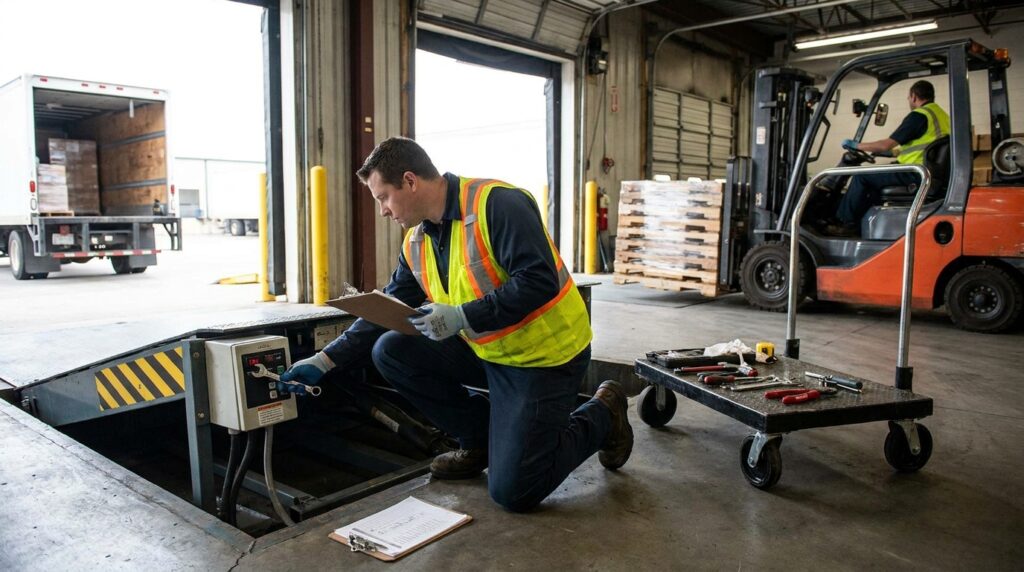
Optimizing Warehouse Efficiency and Safety: Your Essential Loading Dock Equipment Maintenance Checklist
In the bustling world of industrial operations, the loading dock serves as a critical nexus. It’s where goods enter and exit, where the flow of commerce is managed, and often, where the first and last impressions of your logistical prowess are made. For warehouse managers, facility managers, safety managers, and purchasing professionals, ensuring the smooth, efficient, and safe operation of this vital area is paramount. A well-maintained loading dock isn’t just about preventing breakdowns; it’s about maximizing throughput, minimizing downtime, reducing the risk of accidents, and ultimately, boosting your bottom line. This comprehensive guide provides an actionable loading dock equipment maintenance checklist, designed to help you proactively manage your assets and ensure your operations run like a finely-tuned machine.
For those interested in ensuring the longevity and efficiency of their loading dock equipment, a comprehensive maintenance checklist is essential. To further explore the importance of proper maintenance practices and the benefits they bring to operational efficiency, you can read a related article on this topic at Fredon Handling. This resource provides valuable insights into the best practices for maintaining loading dock equipment, helping businesses minimize downtime and enhance productivity.
Understanding the Importance of Proactive Loading Dock Maintenance
The loading dock is a high-traffic, high-stress environment. Equipment such as dock levelers, dock seals, vehicle restraints, and related safety components are subjected to constant use, varying weather conditions, and the dynamic forces of trailer and forklift interactions. Neglecting regular maintenance on this equipment can lead to a cascade of negative consequences:
- Increased Downtime and Operational Disruptions: A malfunctioning dock leveler can bring operations to a halt, delaying shipments, impacting production schedules, and frustrating staff. The cost of lost productivity and missed deadlines can be substantial.
- Safety Hazards and Accidents: Worn or damaged equipment poses significant safety risks. A failing dock seal could lead to falls, a malfunctioning restraint could result in a trailer separating unexpectedly, and damaged levelers can cause forklift accidents, leading to injuries and property damage. Safety managers, in particular, must prioritize this aspect.
- Premature Equipment Failure and High Replacement Costs: Regular, preventative maintenance identifies minor issues before they escalate into major problems. Addressing wear and tear early can significantly extend the lifespan of your valuable loading dock equipment, deferring costly replacements.
- Reduced Energy Efficiency: Gaps created by damaged dock seals or poorly adjusted levelers can allow significant air infiltration, leading to increased heating and cooling costs.
- Damage to Goods and Vehicles: Improperly functioning equipment can lead to damaged goods during loading and unloading, and even to damage to trailers and forklifts, incurring repair expenses and potential liability.
- Compliance and Insurance Issues: Many industry regulations and insurance policies mandate the safe and proper functioning of loading dock equipment. Failure to maintain equipment could jeopardize compliance and impact insurance coverage.
By implementing a rigorous loading dock equipment maintenance checklist, you transform from a reactive problem-solver to a proactive asset manager. This shift not only safeguards your operations but also positions your facility for greater efficiency and profitability.
The Loading Dock Equipment Maintenance Checklist: A Deep Dive
This comprehensive checklist covers the essential components of your loading dock system. It’s designed to be adaptable to your specific equipment and operational needs. We recommend a tiered approach to maintenance: daily visual checks, weekly functional inspections, and more in-depth monthly or quarterly servicing.
Daily Visual Inspections: The First Line of Defense
These quick checks can be integrated into the daily routine of your warehouse or facility staff. They are designed to catch obvious issues before they become problems.
Dock Leveler Visual Checks
- Surface Integrity: Inspect the deck, lip, and frame for any signs of bending, cracking, warping, or significant wear. Pay close attention to the edges where tires and forks make contact.
- Lip Functionality: Ensure the lip extends and retracts smoothly. Check for any damage that might prevent it from sitting flush with the trailer bed or create a tripping hazard.
- Hydraulic or Spring Mechanism: Visually inspect for any leaks in hydraulic lines or cylinders. For spring-loaded units, check for any visible damage to the springs or their mounting points.
- Safety Legs/Supports: Confirm that the safety legs or supports are intact and properly positioned to prevent accidental lowering.
- Rollers and Bearings: Look for any debris caught in the rollers or obvious signs of wear.
Vehicle Restraint System Visual Checks
- Barrier/Arm Condition: Inspect the main barrier or arm for any dents, cracks, or bending. Ensure it can be fully extended and retracted.
- Sensors and Warning Lights: Check that all sensors are clean and unobstructed. Verify that warning lights and audible alarms are visible and operational.
- Mounting Points: Ensure the restraint system is securely mounted to the dock structure. Look for loose bolts or signs of stress.
- Manual Override: If applicable, confirm the manual override mechanism is accessible and appears functional.
Dock Seal/Shelter Visual Checks
- Material Integrity: Examine the fabric, foam, and frame for tears, holes, punctures, or significant wear.
- Sealing Surfaces: Check the contact areas where the trailer meets the seal for any damage that might compromise the seal’s effectiveness.
- Compression Springs/Pneumatics: If applicable, check for any visible leaks or damage to pneumatic bags or compression springs.
- Head Curtain/Side Curtains: Ensure these components move freely and provide adequate coverage.
Other Loading Dock Area Visual Checks
- Floor Condition: Inspect the concrete floor around the dock for cracks, potholes, or unevenness that could pose a tripping hazard or damage equipment.
- Lighting: Ensure adequate lighting is present for safe operations.
- Signage: Verify that all safety signage (e.g., “Stop Engine,” “Chock Wheels,” “Wait for Signal”) is clearly visible and in good condition.
- Housekeeping: Ensure the dock area is free of debris, spills, and obstructions.
Weekly Functional Inspections: Putting Equipment to the Test
These inspections involve operating the equipment to verify its performance and identify any functional issues.
Dock Leveler Functional Checks
- Smooth Operation: Operate the dock leveler through its full range of motion. It should move smoothly, without binding, excessive noise, or jerky movements.
- Lip Engagement: With the leveler deployed, simulate a trailer presence. The lip should rest securely on the trailer floor, and the engagement should be firm.
- Return to Rest Position: Ensure the leveler returns to its stored position cleanly and without sticking.
- Safety Features: Test the automatic safety legs that deploy when the leveler is in use and retract when it’s stored.
Vehicle Restraint System Functional Checks
- Engagement Mechanism: Test the engagement of the restraint system with a vehicle (if safe to do so, or by simulating its operation). Ensure it securely grips the wheel or restraint bar.
- Disengagement: Verify that the restraint can be safely disengaged from the vehicle.
- Interlock Systems: If your restraint system has interlocks with dock doors or levelers, test that these are functioning correctly to prevent unsafe operating sequences.
- Warning Systems: Trigger the warning lights and audible alarms to confirm they are active and visible/audible.
Dock Seal/Shelter Functional Checks
- Trailer Compression: With a trailer in place, check that the seal compresses effectively to create a tight seal.
- Retraction: Ensure the seals retract cleanly when the trailer departs.
- Head Curtain Operation: If applicable, check the smooth operation of the head curtain.
Monthly/Quarterly In-Depth Maintenance: Expert Care and Lubrication
These more detailed inspections and maintenance tasks may require trained personnel or a qualified service technician. This is where proactive component replacement and lubrication become crucial.
Dock Leveler In-Depth Maintenance
- Lubrication: Lubricate all pivot points, rollers, hinges, and the lip mechanism according to the manufacturer’s recommendations. This is crucial for smooth operation and preventing wear.
- Hydraulic System (if applicable):
- Check hydraulic fluid levels and top off if necessary with the specified fluid.
- Inspect hydraulic hoses and fittings for leaks, cracks, or wear. Replace any suspect components.
- Test the hydraulic pump for proper operation and listen for unusual noises.
- Spring System (if applicable):
- Inspect springs for any signs of corrosion, fatigue, or damage.
- Ensure spring covers are intact and functioning as intended.
- Electrical Components (if applicable):
- Inspect wiring for damage or loose connections.
- Test limit switches and control buttons.
- Structural Integrity: A thorough examination of the frame, deck, and lip for any signs of metal fatigue or significant deformation.
Vehicle Restraint System In-Depth Maintenance
- Mechanical Components: Inspect all moving parts for wear, corrosion, and proper tension. Lubricate as per manufacturer specifications.
- Hydraulic/Pneumatic Components (if applicable): Similar to dock levelers, inspect for leaks, fluid levels, and hose integrity.
- Sensors and Electronics: Clean all sensors thoroughly. Test electrical connections and any control modules.
- Emergency Release Mechanism: Ensure the emergency release is easily accessible and functions correctly.
Dock Seal/Shelter In-Depth Maintenance
- Structural Frame: Inspect the metal or plastic frame for damage, corrosion, or loose fasteners.
- Fabric/Sealing Material: Clean the sealing surfaces to remove dirt and debris that could impede a good seal. Inspect for any deeper tears or delamination that could compromise insulation or weather protection.
- Fasteners and Hardware: Tighten any loose bolts, screws, or rivets.
- Compression Devices: Service any pneumatic or spring-assisted compression systems according to manufacturer guidelines.
General Loading Dock Equipment Maintenance
- Cleanliness: A clean dock area is a safe dock area. Regularly sweep, mop up spills, and remove any debris.
- Power Sources: Ensure all electrical connections and power sources for automated equipment are secure and in good working order.
- Safety Devices: Regularly test all safety interlocks, emergency stops, and warning systems.
- Documentation: Keep a detailed log of all maintenance performed, including dates, issues found, repairs made, and parts replaced. This is invaluable for tracking equipment history and planning future maintenance.
Equipment Comparisons and Selection Considerations
When it comes to loading dock equipment, choosing the right type for your needs is the first step towards effective maintenance.
Dock Levelers: Hydraulic vs. Air-Powered vs. Mechanical
- Hydraulic Dock Levelers: These are the workhorses of the industry, offering robust performance and smooth operation. They use a hydraulic cylinder and pump system.
- Maintenance Focus: Hydraulic fluid levels, hose integrity, pump function, cylinder seals.
- Pros: Powerful, smooth, durable, good for heavy use.
- Cons: Requires electrical power, potential for hydraulic leaks.
- Fredon Handling Connection: Explore our range of Hydraulic Dock Levelers.
- Air-Powered Dock Levelers: These utilize compressed air to lift and lower the deck, offering a more energy-efficient and cleaner alternative to hydraulics.
- Maintenance Focus: Air pressure, hose integrity, valve function, air compressor maintenance.
- Pros: Energy efficient, clean, smooth operation.
- Cons: Requires compressed air supply, can be affected by extreme cold.
- Fredon Handling Connection: Consider our Air-Powered Dock Levelers for a modern solution.
- Mechanical Dock Levelers: These rely on spring-loaded counterweights and manual operation. They are a cost-effective option for lighter-duty applications.
- Maintenance Focus: Spring tension, lubrication of moving parts, structural integrity.
- Pros: Cost-effective, no electricity required, simple design.
- Cons: Can be harder to operate, less smooth, generally for lighter loads.
- Fredon Handling Connection: View our Mechanical Dock Levelers for budget-conscious needs.
Vehicle Restraints: Wheel Chocks vs. Traditional Wheel-Lok vs. Automatic Restraints
- Wheel Chocks: The most basic form of restraint, requiring manual placement and removal.
- Maintenance Focus: Condition of chocks (no cracks or excessive wear), proper storage.
- Pros: Inexpensive, no power required.
- Cons: Relies entirely on human diligence, can be overlooked.
- Traditional Wheel-Lok Systems: These are mechanical devices that engage the trailer’s wheels.
- Maintenance Focus: Lubrication of moving parts, frame integrity, proper engagement mechanism.
- Pros: More reliable than chocks, clear visual indicator of engagement.
- Cons: Can be challenging with varied tire sizes.
- Automatic Vehicle Restraints: These are typically powered systems that engage the trailer’s rear impact guard or wheels.
- Maintenance Focus: Mechanical components, hydraulic/pneumatic systems, sensors, warning lights, interlocks.
- Pros: High level of safety, automatic operation reduces human error, often integrated with other dock systems.
- Cons: Higher initial cost, requires power and more complex maintenance.
- Fredon Handling Connection: Learn more about advanced safety with our Vehicle Restraint Systems.
When it comes to ensuring the longevity and efficiency of your loading dock equipment, following a comprehensive maintenance checklist is essential. Regular upkeep not only enhances safety but also improves productivity in your operations. For those looking to optimize their material handling processes, it’s beneficial to explore how to select the right equipment for your business. You can find valuable insights in this article about choosing the right material handling equipment that complements your loading dock setup.
Safety Considerations: Beyond the Checklist
While maintenance is crucial for safety, a holistic approach is necessary.
- Training: Ensure all personnel operating or working around loading dock equipment are thoroughly trained on its proper use, limitations, and emergency procedures. This includes training on hazard recognition. OSHA emphasizes the importance of adequate training.
- Lockout/Tagout Procedures: Implement and strictly adhere to lockout/tagout procedures during any maintenance or repair work to prevent accidental equipment startup. This is a critical OSHA requirement.
- Personal Protective Equipment (PPE): Ensure workers wear appropriate PPE, including safety shoes, high-visibility vests, and hearing protection where necessary.
- Clearance Zones: Maintain clear and unobstructed zones around loading docks to prevent accidents.
- Regular Safety Audits: Conduct periodic safety audits of your loading dock area to identify any new hazards or areas for improvement.
- Emergency Preparedness: Have clear emergency procedures in place for situations like equipment failure, accidents, or power outages.
Maintenance Scheduling and Record Keeping
A structured maintenance schedule is key to preventing neglect.
- Daily Checks: Assign responsibility to specific personnel or shifts.
- Weekly Inspections: Schedule these at a consistent time, perhaps at the end of a shift or during a slower period.
- Monthly/Quarterly Servicing: Consider a service contract with a reputable provider like Fredon Handling, or designate internal personnel with the necessary expertise.
- Record Keeping: Utilize a spreadsheet, dedicated software, or a logbook to record all maintenance activities. This log should include:
- Date of inspection/maintenance.
- Type of equipment serviced.
- Technician performing the work.
- Issues identified.
- Repairs performed.
- Parts replaced.
- Recommendations for future work.
This detailed record-keeping is not only essential for proactive maintenance but can also be invaluable for warranty claims, insurance purposes, and when planning capital expenditures.
When to Call the Professionals
While this checklist empowers you to perform routine checks, certain situations necessitate professional intervention:
- Complex Repairs: Issues involving hydraulic systems, electrical controls, or structural damage are best handled by experienced technicians.
- Safety-Critical Components: If you suspect a fault in a vehicle restraint system or a dock leveler’s safety mechanisms, do not attempt to fix it yourself.
- Specialized Equipment: Some equipment may have unique maintenance requirements that a professional service team is equipped to handle.
- Preventative Maintenance Programs: Engaging a professional service provider for scheduled preventative maintenance can ensure your equipment is cared for by experts, often saving you money in the long run by preventing costly breakdowns. Fredon Handling offers comprehensive service and support for all your Loading Dock Equipment.
By diligently following this loading dock equipment maintenance checklist, you’re investing in the longevity, safety, and efficiency of your operations. A well-maintained loading dock is a silent contributor to your success, ensuring that goods move smoothly and safely through your facility.
Frequently Asked Questions About Loading Dock Equipment Maintenance
Q1: How often should I lubricate my dock leveler?
A1: Lubrication frequency varies depending on the model and usage. Generally, it’s recommended to lubricate all pivot points, rollers, and moving parts monthly or quarterly. Always refer to your equipment’s manufacturer manual for specific recommendations. Over-lubrication can attract dirt, while under-lubrication leads to premature wear.
Q2: What is the most common cause of loading dock equipment failure?
A2: The most common cause is often a lack of regular preventative maintenance. Wear and tear on moving parts, accumulation of debris, and failure to address minor issues promptly can lead to significant breakdowns. For dock levelers, hydraulic leaks or worn seals are frequent issues. For vehicle restraints, sensor malfunctions or mechanical wear are common.
Q3: Can I perform maintenance on vehicle restraint systems myself?
A3: While basic visual inspections and cleaning can be done by trained facility staff, complex repairs or adjustments to vehicle restraint systems, especially automated ones, should be performed by qualified technicians. These systems are critical safety devices, and improper maintenance can create severe hazards.
Q4: What are the OSHA regulations regarding loading dock safety and maintenance?
A4: OSHA provides general guidelines for workplace safety, including requirements for equipment maintenance, hazard communication, and employee training. While there isn’t a single prescriptive regulation solely for loading dock maintenance, the General Duty Clause (Section 5(a)(1) of the OSH Act) requires employers to provide a workplace free from recognized hazards. This encompasses ensuring that machinery and equipment, including loading dock systems, are in safe working order. Employers are responsible for implementing inspection and maintenance programs to prevent accidents.
Q5: How can I ensure my loading dock equipment is compliant with industry standards?
A5: Compliance typically involves adhering to manufacturer specifications, relevant safety standards (like ANSI standards for dock levelers), and OSHA regulations. Regular inspections, proper maintenance, and the use of safety features are key. Choosing equipment from reputable suppliers like Fredon Handling, who adhere to industry best practices, is also crucial. Keeping detailed maintenance records demonstrates a commitment to safety and compliance.
Ensure your loading dock operations are as efficient and safe as possible. Contact Fredon Handling today for a personalized quote on our wide range of industrial material handling equipment, including advanced loading dock solutions and expert maintenance services.