
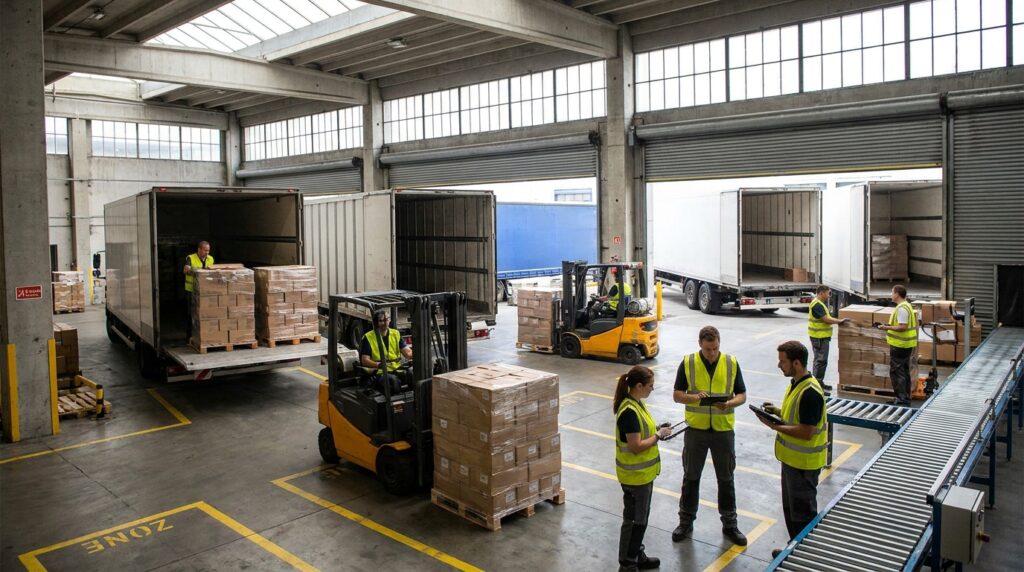
Optimizing Your Warehouse Loading Dock: A Comprehensive Guide to Enhanced Efficiency and Throughput
The loading dock is the pulsating heart of any warehouse operation. It’s where goods enter and exit, a critical junction that directly impacts inventory flow, order fulfillment speed, and overall operational costs. For warehouse managers, facility managers, safety managers, and purchasing professionals, optimizing this space isn’t just about tidiness; it’s about driving tangible improvements in efficiency, reducing bottlenecks, and ensuring a safer working environment. In today’s competitive landscape, a sluggish loading dock can translate into lost revenue, frustrated customers, and increased operational expenses. This comprehensive guide will delve into the strategies, equipment, and best practices that can transform your warehouse loading dock from a potential point of friction into a streamlined engine of productivity.
Improving warehouse loading dock efficiency is crucial for optimizing logistics and reducing operational costs. For further insights on enhancing your warehouse operations, you might find the article on expert consultations helpful. It provides valuable information on how to assess your current processes and implement effective strategies. To learn more, visit this link.
Understanding the Pillars of Loading Dock Efficiency
Achieving peak loading dock efficiency is a multi-faceted endeavor. It requires a holistic approach that considers not only the physical infrastructure but also the processes, technology, and human element involved. We’ll explore the core components that contribute to an efficient operation.
The Flow of Goods: From Arrival to Departure
At its most fundamental, loading dock efficiency is about minimizing the time it takes for goods to move through the dock area. This involves a smooth and uninterrupted flow from incoming trucks or trailers to their designated staging areas or outbound vehicles. Bottlenecks can occur at various points: long truck wait times, slow unloading or loading procedures, inefficient vehicle positioning, or inadequate staging space.
Minimizing Downtime and Delays
Every minute a truck is idly waiting at your dock represents lost productivity and potentially increased costs for carriers, which can be passed on to you. Understanding the root causes of these delays is paramount. Are your staff adequately trained? Is your equipment in good working order? Is the dock layout conducive to rapid turnarounds? Proactive identification and mitigation of these issues are key to unlocking greater efficiency.
Enhancing Safety and Reducing Risks
While efficiency is a primary goal, it should never come at the expense of safety. A safe loading dock is an efficient loading dock. Accidents and injuries lead to downtime, increased insurance premiums, and demoralized staff. Implementing robust safety protocols and utilizing appropriate safety equipment are integral to maintaining a smooth and productive operation. This includes proper training, clear communication, and well-maintained equipment.
Strategizing for a More Efficient Loading Dock Operation
Improving loading dock efficiency requires a strategic approach, moving beyond ad-hoc fixes to implement systematic changes. This section outlines key areas for strategic improvement, focusing on process optimization and equipment selection.
Optimizing Workflow and Process Management
The physical layout of your loading dock is important, but the processes that govern its operation are equally, if not more, critical. Streamlining workflows can dramatically reduce turnaround times and prevent congestion.
Implementing a Dock Appointment System
A well-managed dock appointment system is one of the most effective ways to control traffic flow and minimize truck wait times. This involves scheduling inbound and outbound shipments for specific time slots. This allows for better labor allocation, prevents overcrowding of dock doors, and ensures that resources are available when needed.
- Benefits: Reduced truck dwell times, predictable labor needs, better inventory staging, improved carrier relationships.
- Implementation: Utilize scheduling software or a simple calendar system. Communicate clearly with carriers about your appointment policy.
Streamlining Unloading and Loading Procedures
The actual process of moving goods in and out of trailers can be a significant bottleneck. Standardizing these procedures and ensuring your team has the right tools can make a substantial difference.
- Pre-Staging: Having necessary equipment and personnel ready before the truck arrives can shave valuable minutes off the process.
- Clear Communication: Establish clear communication channels between dock personnel, drivers, and warehouse staff. This helps avoid confusion and ensures smooth transitions.
- Batching: Where possible, consider batching similar types of shipments for more efficient processing.
Efficient Staging and Storage Strategies
Once goods are unloaded, they need to be moved to a designated staging area. Inefficient staging can lead to congestion within the dock itself and hinder the movement of subsequent shipments.
- Dedicated Staging Areas: Clearly defined and adequately sized staging areas are crucial. These areas should be kept organized and free of unnecessary clutter.
- Flow-Through Design: If your facility allows, consider a “flow-through” dock design where incoming goods move directly to outbound staging or storage, minimizing cross-traffic within the dock area.
The Crucial Role of the Right Material Handling Equipment
The equipment you use at your loading dock directly influences the speed and safety of your operations. Investing in the right solutions can yield significant returns in terms of efficiency and reduced labor strain.
Forklifts: The Workhorses of the Dock
Forklifts are indispensable for moving palletized goods. The type of forklift and its suitability for your specific needs are critical considerations.
- Types: Electric forklifts are ideal for indoor operations due to their quiet operation and zero emissions. Internal combustion forklifts are more powerful and suitable for outdoor or heavy-duty applications.
- Capacity and Reach: Ensure your forklifts have adequate lifting capacity for your heaviest loads and the necessary mast height to reach desired storage levels.
- Maneuverability: In tighter dock areas, consider narrow-aisle or compact forklifts for improved maneuverability.
- Internal Link: Explore our range of forklifts to find the perfect fit for your warehouse.
Pallet Jacks: Versatility for Lighter Loads
For moving pallets over shorter distances or within the dock area, manual or electric pallet jacks offer a cost-effective and versatile solution.
- Manual Pallet Jacks: Affordable and easy to operate for occasional use.
- Electric Pallet Jacks: Provide powered assistance, reducing operator fatigue and increasing speed for more frequent use.
- Order Pickers: For operations involving individual item picking from pallets before loading, order pickers can improve efficiency and safety.
Conveyor Systems: Automating the Flow
For high-volume operations, conveyor systems can automate the movement of goods, significantly reducing manual labor and speeding up the loading and unloading process.
- Types: Roller conveyors, belt conveyors, and powered live roller conveyors are common in warehouse settings.
- Application: Ideal for moving boxes, totes, or even palletized goods over fixed routes. Can be integrated with other automation systems.
Dock Levelers: Bridging the Gap Safely and Efficiently
The gap between the trailer bed and the loading dock can be a significant obstacle. Dock levelers are essential for creating a smooth transition and preventing damage to goods and equipment.
- Types: Mechanical dock levelers are typically activated by the trailer’s weight and a pull chain. Hydraulic dock levelers offer more controlled operation and can be adjusted more precisely. Air-cushioned levelers provide a gentler ride for sensitive goods.
- Importance: They ensure a seamless transition for forklifts and pallet jacks, preventing jarring movements and potential product damage. They also significantly improve safety by eliminating a dangerous gap.
- Internal Link: Discover the variety of dock levelers available to suit your specific needs.
Vehicle Restraints and Wheel Chocks: Ensuring Dock Safety
The movement of a trailer during loading or unloading poses a significant safety risk. Vehicle restraints and wheel chocks are critical safety devices.
- Vehicle Restraints: These devices physically secure the trailer to the dock, preventing premature departure (which can lead to severe accidents). They come in various forms, including hook-and-bar systems and automatic restraints.
- Wheel Chocks: A simpler but still essential safety measure, wheel chocks physically block the trailer wheels to prevent rolling.
- Internal Link: Explore our comprehensive range of loading dock equipment designed to enhance safety and efficiency.
Dock Seals and Shelters: Weather Protection and Energy Savings
Dock seals and shelters create a barrier between the dock door and the trailer, protecting goods and personnel from the elements and contributing to energy savings.
- Dock Seals: Compress between the trailer and the building structure, providing a tight seal.
- Dock Shelters: Offer a more flexible enclosure, often with retractable curtains, accommodating a wider range of trailer sizes.
- Benefits: Reduced energy loss, protection from dust and debris, improved working conditions for staff.
Leveraging Technology for Enhanced Visibility and Control
Beyond physical equipment, technology plays an increasingly vital role in optimizing loading dock operations.
Warehouse Management Systems (WMS)
A robust WMS can provide real-time visibility into inventory, track dock appointments, manage labor, and optimize put-away and picking strategies. Integrating your WMS with your loading dock operations can create a seamless flow of information.
Dock Management Software
Dedicated dock management software can automate appointment scheduling, track truck arrivals and departures, manage dock door assignments, and generate performance reports. This provides valuable data for identifying inefficiencies and making informed decisions.
Real-Time Tracking and Data Analytics
Utilizing sensors and barcode scanners can provide real-time data on every stage of the loading and unloading process. Analyzing this data can reveal patterns, highlight bottlenecks, and inform continuous improvement efforts.
Implementing Best Practices for Sustained Loading Dock Efficiency
Once you have the right strategies and equipment in place, implementing consistent best practices is crucial for long-term success.
Comprehensive Training and Skill Development
Your team is at the forefront of your loading dock operations. Investing in their training is paramount.
Safety Training: A Non-Negotiable Priority
- OSHA Compliance: Ensure all personnel are thoroughly trained on OSHA regulations pertaining to material handling, forklift operation, and loading dock safety. (Refer to OSHA’s Material Handling & Storage and Powered Industrial Trucks standards for specific requirements.)
- Equipment Operation: Provide hands-on training for all equipment used, including forklifts, pallet jacks, and any automated systems.
- Emergency Procedures: Train staff on emergency protocols, including what to do in case of accidents, spills, or equipment malfunctions.
Operational Efficiency Training
- Standard Operating Procedures (SOPs): Develop and clearly communicate SOPs for all loading and unloading tasks. This ensures consistency and reduces errors.
- Communication Protocols: Train staff on effective communication with truck drivers and internal departments to minimize confusion and delays.
- Problem-Solving: Empower your team to identify and report potential issues, and train them on basic troubleshooting steps.
Regular Maintenance and Equipment Upkeep
Downtime due to equipment failure can be a major productivity killer. A proactive maintenance schedule is essential.
Preventative Maintenance Programs
- Scheduled Inspections: Implement a schedule for regular inspections of all loading dock equipment, including dock levelers, vehicle restraints, dock doors, and material handling equipment.
- Lubrication and Cleaning: Ensure equipment is properly lubricated and kept clean to prevent wear and tear.
- Worn Parts Replacement: Proactively replace any worn or damaged parts before they fail.
Prompt Repairs
- Service Contracts: Consider service contracts with reputable equipment suppliers to ensure prompt and expert repairs when needed.
- On-Site Technicians: If your operation is large enough, having an on-site maintenance technician can minimize downtime.
Maintaining a Clean and Organized Dock Area
A cluttered loading dock is not only unsightly but also a significant safety hazard and an impediment to efficiency.
- Clear Aisles: Ensure all aisles and pathways are kept clear of debris, packaging materials, and misplaced equipment.
- Designated Areas: Clearly mark and maintain designated areas for staging, equipment storage, and waste disposal.
- Regular Housekeeping: Implement a daily or weekly housekeeping schedule to keep the dock area clean and organized.
Collaboration and Communication Across Departments
Loading dock efficiency is not an isolated function. It relies heavily on seamless collaboration with other departments.
Sales and Inventory Management
- Accurate Forecasting: Collaborate with sales to ensure accurate demand forecasting, allowing for better inbound shipment planning.
- Inventory Visibility: Maintain clear visibility of inventory levels to avoid over-ordering or last-minute rush shipments that can strain the dock.
Shipping and Logistics
- Carrier Coordination: Work closely with your shipping department to ensure effective communication and coordination with carriers.
- Route Optimization: If applicable, collaborate with logistics to optimize outbound shipping routes, which can impact dock scheduling.
Improving warehouse loading dock efficiency is crucial for optimizing overall operations, and a related article that delves deeper into this topic can be found at Fredon Handling. This resource offers valuable insights and practical tips that can help streamline processes, reduce turnaround times, and enhance productivity in your warehouse environment. By implementing the strategies discussed, businesses can significantly improve their loading dock performance and ensure smoother logistics operations.
Overcoming Common Loading Dock Challenges
Even with the best intentions, warehouses often face recurring challenges at their loading docks. Identifying these and developing proactive solutions is key.
Managing Inconsistent Trailer Arrival Times
While a dock appointment system helps, unexpected delays or early arrivals from carriers can still occur.
- Buffer Time: Build some buffer time into your schedule for unexpected arrivals.
- Flexible Staffing: Consider having some flexible staffing options available to handle surges in volume.
- Communication with Carriers: Maintain open communication with carriers regarding potential delays and work together to find solutions.
Handling Varying Trailer Heights and Sizes
Different trailers present unique challenges for loading and unloading.
- Adjustable Equipment: Ensure your dock levelers and other equipment can accommodate a range of trailer heights.
- Trailer Inspection: Train your staff to inspect trailers upon arrival to identify any potential issues.
Addressing Product Damage and Claims
Product damage occurring at the dock can be costly and time-consuming to resolve.
- Proper Equipment Usage: Ensure staff are properly trained on how to use material handling equipment to avoid damage.
- Secure Loading: Implement best practices for securing loads within trailers to prevent shifting during transit.
- Documentation: Maintain thorough documentation of all shipments, including photos of goods before and after loading, to support claims.
Ensuring Worker Safety and Preventing Accidents
The loading dock is a high-risk environment. Prioritizing safety is paramount.
- Regular Safety Audits: Conduct regular safety audits to identify and address potential hazards.
- Near-Miss Reporting: Encourage a culture of near-miss reporting so potential accidents can be prevented before they happen.
- Use of PPE: Ensure all personnel consistently use appropriate Personal Protective Equipment (PPE).
Frequently Asked Questions About Warehouse Loading Dock Efficiency
What are the most common causes of loading dock inefficiency?
Common causes include poor workflow design, inadequate equipment, insufficient training, lack of clear communication, inconsistent trailer arrival times, and poorly maintained equipment.
How can I improve the safety of my loading dock operations?
Safety can be improved through comprehensive training on OSHA regulations, proper use of equipment like vehicle restraints and wheel chocks, regular safety audits, consistent use of PPE, and clear emergency procedures.
What is the role of technology in improving loading dock efficiency?
Technology, such as Warehouse Management Systems (WMS), dock management software, and real-time tracking, provides visibility, automates processes, and generates data for informed decision-making, all of which contribute to improved efficiency.
How often should loading dock equipment be maintained?
Preventative maintenance schedules should be established based on manufacturer recommendations and usage. This typically involves regular inspections, lubrication, cleaning, and prompt replacement of worn parts.
What are the benefits of a dock appointment system?
A dock appointment system helps minimize truck wait times, allows for better labor planning, prevents dock congestion, and improves the predictability of operations.
Conclusion: Driving Continuous Improvement in Your Loading Dock Operations
Optimizing your warehouse loading dock is an ongoing process, not a one-time fix. By focusing on strategic planning, investing in the right material handling equipment, implementing robust best practices, and fostering a culture of safety and continuous improvement, you can transform your loading dock into a highly efficient and productive asset for your entire operation. Remember that even small, incremental changes can lead to significant gains over time.
Are you ready to take your warehouse loading dock efficiency to the next level? Contact Fredon Handling today for a personalized consultation and a quote on the equipment solutions that will drive your success.