
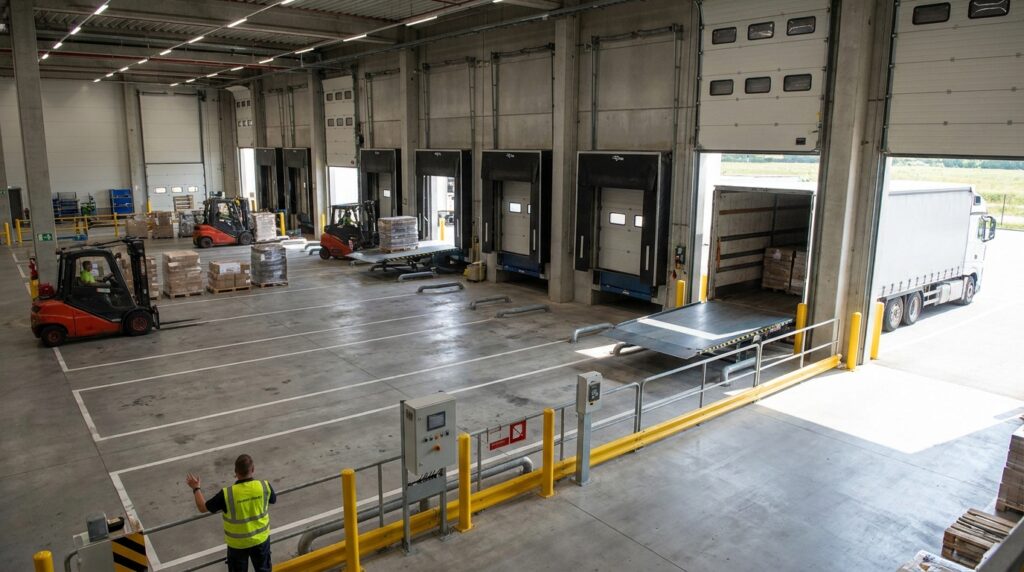
Optimizing Your Industrial Operations: A Deep Dive into Loading Dock Design, Dimensions, and Equipment Planning
For warehouse managers, facility managers, safety officers, and purchasing professionals, the loading dock is more than just a point of entry and exit; it’s a critical nexus of your entire supply chain. Efficient, safe, and well-designed loading docks are fundamental to streamlined operations, reduced turnaround times, enhanced worker safety, and ultimately, increased profitability. At Fredon Handling, we understand the intricate demands of industrial material handling, and this comprehensive guide will equip you with the knowledge to plan, design, and equip your loading docks for optimal performance. We’ll explore crucial dimensions, layout considerations, and the selection of essential equipment, all with an eye towards operational excellence and safety compliance.
For a comprehensive understanding of loading dock design, including essential dimensions, layout considerations, and equipment planning, you may find it beneficial to explore related resources. One such article that provides valuable insights into optimizing warehouse operations and enhancing efficiency is available at Fredon Handling. This resource can help you further refine your approach to creating an effective loading dock environment.
Understanding the Core Principles of Effective Loading Dock Design
A well-designed loading dock isn’t an afterthought; it’s a strategic investment that pays dividends throughout your operation. The primary goals are to facilitate the smooth and safe transfer of goods between different modes of transport and your facility, minimize transit times, prevent product damage, and ensure the well-being of your personnel. This involves a careful balance of space allocation, equipment functionality, and consideration for the types of vehicles and materials you handle. Ignoring these principles can lead to bottlenecks, increased accident rates, and significant operational inefficiencies.
Defining Your Operational Needs: The Foundation of Dock Design
Before a single blueprint is drawn, a thorough assessment of your operational needs is paramount. This involves understanding the “who, what, when, and how” of your loading dock activities.
Quantifying Throughput and Vehicle Types
The volume of goods processed and the types of vehicles regularly utilizing your dock are primary drivers of design. Consider:
- Volume: How many trucks do you expect to load or unload per hour, day, or shift? High-volume operations will require more docks and potentially faster turnaround equipment.
- Vehicle Dimensions: What are the typical lengths, widths, and heights of the trucks and trailers you receive? This directly impacts the required apron space and dock door size. Are you dealing with standard box trucks, long-haul trailers, or specialized vehicles like refrigerated trucks?
- Trailer Configurations: Do your trailers have liftgates? Are they straight trucks or semi-trailers? This influences the type of loading dock equipment needed, such as dock levelers or ramps.
- Product Characteristics: What are the dimensions, weight, and fragility of the goods being handled? This will dictate the type of material handling equipment (forklifts, pallet jacks, etc.) required and the necessary clearances.
Analyzing Workflow and Material Flow
Understanding how materials move through your facility is crucial for effective dock layout. Map out:
- Inbound vs. Outbound: Are your docks primarily for receiving, shipping, or a balanced mix? This can influence the placement and specialization of individual dock positions.
- Storage Requirements: Where do incoming goods go immediately after unloading? How are outgoing goods staged? This impacts the layout of the dock apron, staging areas, and internal warehouse layout.
- Traffic Patterns: How will forklifts, pallet jacks, and personnel move within the dock area and connect to the rest of the facility? Minimizing cross-traffic and creating clear, safe pathways is essential.
Essential Loading Dock Dimensions: Beyond the Basics
Precise dimensions are critical for safe and efficient operation. While standard guidelines exist, actual requirements are driven by your specific operational needs and regulatory considerations.
Dock Door and Opening Dimensions
The dock door is the gateway for your goods. Its size is dictated by the vehicles and material handling equipment that will pass through it.
- Standard Door Widths: Typically range from 8 to 10 feet (2.4 to 3 meters). Wider doors may be necessary for larger trucks or for accommodating wider loads.
- Standard Door Heights: Commonly range from 8 to 10 feet (2.4 to 3 meters). However, taller trailers and specialized equipment may necessitate higher openings, up to 12 feet (3.6 meters) or more.
- Clear Opening vs. Frame Opening: Always consider the clear opening after the door is fully open, not just the overall frame dimensions.
- Industry Standards: Organizations like the Industrial Truck Association (ITA) provide recommendations for forklift clearances, which indirectly influence dock door dimensions for efficient forklift passage.
Dock Leveler Specifications
Dock levelers bridge the gap between the dock floor and the trailer bed, allowing for smooth material transfer.
- Width: Typically match the dock door width, often ranging from 6 to 7 feet (1.8 to 2.1 meters). Wider trailers might require wider levelers.
- Length (or Deck Length): This is crucial for accommodating varying trailer bed heights and ensuring a safe slope. Common lengths range from 6 to 10 feet (1.8 to 3 meters). Longer levelers provide a gentler slope, reducing stress on equipment and improving operator comfort.
- Weight Capacity: Must be sufficient to handle the heaviest loads and material handling equipment that will traverse it. Capacities often range from 20,000 to 60,000 pounds (9,072 to 27,216 kg) or more, depending on the application. Fredon Handling offers a range of robust dock levelers designed for demanding industrial environments.
- Lip Design: The lip extends into the trailer. Its thickness and protrusion need to be considered. Many levelers feature automatic or manual lip extension mechanisms.
Apron Space and Maneuvering Area
The apron is the area directly in front of the loading dock. Sufficient space is essential for safe vehicle maneuvering and docking.
- Minimum Depth: Recommended minimum depths vary based on vehicle type, but 50 to 60 feet (15 to 18 meters) is often cited for semi-trailers. This allows for adequate turning radius and positioning.
- Width: The apron should be wide enough to accommodate the turning radius of the longest expected vehicle. Consider a minimum width of 70 to 80 feet (21 to 24 meters) at the point of entry and exit.
- Clearance: Ensure no obstructions exist within the apron space that could impede vehicle movement or pose a safety hazard.
Interior Warehouse Space Considerations
The loading dock doesn’t operate in isolation. Its connection to the interior warehouse space is critical.
- Staging Areas: Designate sufficient space immediately inside the dock doors for temporary product storage and sorting. This prevents congestion at the dock face and allows for efficient inbound processing.
- Forklift Aisles: Ensure clear and adequate aisle widths within the warehouse to allow forklifts and other material handling equipment to move efficiently between the staging area and storage locations. This should align with forklift manufacturer recommendations and OSHA guidelines for powered industrial trucks.
- Clearance to Racking and Obstructions: Maintain adequate clearance between dock doors, staging areas, and internal racking or other permanent structures to prevent collisions.
Strategic Loading Dock Layout and Equipment Integration
The physical layout of your loading dock and the intelligent integration of equipment are key to unlocking its full potential. This section explores various layout configurations and the essential equipment that supports efficient operations.
Loading Dock Layout Configurations
The optimal layout depends on factors like building constraints, traffic flow, and the number of dock positions required.
Single Dock vs. Multiple Docks
- Single Dock: Suitable for low-volume operations or facilities with limited space. However, it can become a bottleneck during peak times.
- Multiple Docks: Essential for higher-volume facilities. Strategically spacing multiple docks can improve traffic flow and reduce queuing. Consider grouping docks by function (e.g., dedicated inbound and outbound docks).
Drive-Through Docks
These offer the ultimate flexibility, allowing vehicles to drive straight through the dock. This is ideal for facilities where continuous flow is prioritized, eliminating the need for backing maneuvers at each dock. This configuration is particularly beneficial for high-volume cross-docking operations.
Dock Pits and Recessed Docks
Recessed docks are built into the building structure, creating a flush transition. Dock pits are often incorporated to house dock levelers, ensuring a seamless transition between the dock floor and the trailer. This configuration minimizes the need for ramps and is common in modern warehouse designs.
Essential Loading Dock Equipment Selection and Placement
The right equipment ensures safety, efficiency, and productivity. Fredon Handling provides a comprehensive range of solutions to meet diverse needs.
Dock Levelers: Bridging the Gap
As discussed earlier, dock levelers are fundamental. Key considerations for selection include:
- Mechanical vs. Hydraulic:
- Mechanical Dock Levelers: Typically more cost-effective and rely on spring-loaded mechanisms or counterweights. They are a reliable choice for many applications.
- Hydraulic Dock Levelers: Offer smoother operation, greater lifting power, and precise control, making them ideal for higher volume or heavier duty applications. They are generally more expensive initially but can offer long-term operational advantages.
- Bumper Stops: Essential for preventing trailers from backing too far into the dock, potentially damaging the building or the trailer itself.
- Safety Features: Look for features like automatic safety legs, cross-traffic locks, and emergency stops.
Fredon Handling offers a wide selection of Loading Dock Equipment, including a variety of dock levelers to suit different operational demands and budgets.
Dock Seals and Shelters: Environmental Control
Dock seals and shelters create a barrier between the trailer and the building, protecting against weather, dust, pests, and maintaining interior temperature control.
- Dock Seals: Typically made of compressible foam or fabric, they conform to the shape of the trailer. Ideal for applications where temperature control is paramount, such as food and beverage or pharmaceutical storage.
- Dock Shelters: Provide a more robust seal, often with retractable side curtains. They are suitable for a wider range of trailer types and offer better protection against the elements.
- Material: Consider durable, weather-resistant materials that can withstand frequent use.
Vehicle Restraint Systems: Preventing Dock Separation
Vehicle restraints are critical safety devices that prevent accidental trailer movement during loading and unloading.
- Wheel Chocks: A basic but often insufficient method. Modern operations should consider more advanced systems.
- In-Ground or Above-Ground Restraints: These physically engage the trailer’s rear impact guard (RIG) or wheels to prevent premature departure or creep.
- Automatic Systems: Many modern restraints are automated and integrated with dock levelers and door controls for enhanced safety. The U.S. Department of Transportation (DOT) mandates certain safety standards for loading dock operations, underscoring the importance of robust restraint systems.
High-Speed Doors: Enhancing Throughput
For facilities with high traffic volume, high-speed doors can significantly improve efficiency.
- Rapid Operation: Their quick open and close speeds minimize the time the dock door is open, reducing energy loss and improving workflow.
- Durability: Designed to withstand frequent cycles and impact.
- Safety Features: Include photo eyes and reversing edges to prevent collisions.
Lighting and Communication Systems
Adequate lighting is crucial for safety and visibility. Consider:
- Loading Dock Lights: Adjustable lights that illuminate the trailer interior.
- Communication Systems: Intercoms or signal lights can improve coordination between dock workers and truck drivers.
Safety Considerations in Loading Dock Design and Operation
Safety must be the cornerstone of any loading dock design. A proactive approach to safety not only protects your employees but also reduces the risk of costly accidents and downtime.
OSHA Compliance and Regulations
The Occupational Safety and Health Administration (OSHA) sets standards for workplace safety, including those relevant to loading docks. Key areas of focus include:
- Powered Industrial Trucks (29 CFR 1910.178): This standard covers the safe operation of forklifts and other industrial trucks, including requirements for training, maintenance, and safe operating practices within the dock area.
- Hazard Communication Standard (29 CFR 1910.1200): Ensures that employees are informed about hazardous chemicals they may encounter.
- General Duty Clause: Requires employers to provide a workplace free from recognized hazards. This applies broadly to all potential loading dock hazards not specifically covered by other standards.
Always consult the latest OSHA regulations for the most up-to-date requirements. Fredon Handling is committed to providing equipment that meets or exceeds industry safety standards.
Preventing Trailer Creep and Separation
Accidental trailer movement during loading and unloading is a leading cause of accidents. Implementing a comprehensive strategy is vital:
- Vehicle Restraints: As discussed, these are non-negotiable for preventing trailer creep.
- Communication Protocols: Clear communication between truck drivers and dock personnel regarding when it is safe to move the trailer is essential.
- Lockout/Tagout Procedures: For maintenance or unexpected situations, ensure proper lockout/tagout procedures are in place.
Forklift Safety in the Dock Area
The dock area is a high-traffic zone for forklifts, requiring specific safety measures:
- Speed Limits: Enforce slow speeds within the dock area.
- Clear Aisles: Maintain unobstructed aisles for forklift travel.
- Spotters: Use spotters when visibility is limited or when maneuvering in tight spaces.
- Forklift Operator Training: Ensure all operators are properly trained and certified according to OSHA standards.
Fall Protection
The risk of falls from elevated docks or into dock pits must be addressed:
- Guardrails: Install guardrails around open dock pits and elevated dock edges.
- Warning Markings: Clearly mark dock edges and any drop-off points.
- Proper Lighting: Ensure all areas are well-lit to prevent trips and falls.
Ergonomics and Worker Well-being
Loading dock work can be physically demanding. Consider ergonomic solutions to reduce strain:
- Proper Lifting Techniques: Train workers on safe lifting practices.
- Material Handling Aids: Utilize pallet jacks, drum lifters, and other aids to minimize manual lifting.
- Adequate Breaks: Provide opportunities for rest to prevent fatigue.
Maintenance and Longevity of Loading Dock Equipment
Investing in high-quality loading dock equipment is only the first step. Regular maintenance is crucial to ensure continued safety, efficiency, and a longer lifespan for your assets.
Establishing a Preventative Maintenance Program
A proactive approach to maintenance is far more cost-effective than reactive repairs.
Regular Inspections
- Daily Checks: Dock workers should perform quick visual inspections of equipment for obvious damage, loose parts, or unusual noises.
- Weekly Inspections: A more detailed inspection by trained personnel, focusing on critical safety components.
- Monthly Inspections: Comprehensive checks of all moving parts, hydraulic systems, electrical components, and safety features.
Lubrication and Cleaning
- Lubricate Moving Parts: Regularly lubricate hinges, rollers, and other moving components to ensure smooth operation and prevent wear.
- Keep Equipment Clean: Dirt and debris can interfere with the operation of mechanisms. Regularly clean dock levelers, seals, and surrounding areas.
Professional Servicing
- Scheduled Servicing: Engage with qualified service technicians for annual or semi-annual preventative maintenance. This often includes detailed inspections, adjustments, and replacement of worn parts.
- Record Keeping: Maintain detailed records of all inspections, maintenance activities, and repairs. This helps track equipment history and identify recurring issues.
Common Loading Dock Equipment Issues and Solutions
Being aware of common problems can help you address them proactively.
- Dock Leveler Malfunctions: Often caused by debris obstruction, worn parts, or hydraulic fluid leaks. Regular cleaning and professional servicing can prevent most issues.
- Dock Seal Tears or Damage: Can result from improper trailer maneuvering or wear and tear. Inspect seals regularly and consider more robust materials for high-traffic areas.
- Vehicle Restraint System Issues: Can be due to mechanical failure or debris. Ensure the system is kept clean and free of obstructions.
- Door Opener Problems: May stem from worn belts, motors, or track issues. Professional servicing is key.
Fredon Handling offers not only high-quality equipment but also resources and support for maintaining your loading dock systems. Understanding how to care for your equipment can significantly extend its operational life and prevent costly disruptions.
When considering effective loading dock design, it’s essential to explore various aspects such as dimensions, layout, and equipment planning. A related article that delves deeper into these topics can be found at this link, which provides valuable insights and practical tips for optimizing your loading dock operations. Understanding these elements can significantly enhance efficiency and safety in your logistics processes.
Frequently Asked Questions About Loading Dock Design and Equipment
Navigating the complexities of loading dock design can bring about numerous questions. Here are answers to some of the most common inquiries we receive at Fredon Handling.
What is the minimum required clearance for a forklift to safely operate at a loading dock?
OSHA’s regulations for Powered Industrial Trucks (29 CFR 1910.178) do not specify exact aisle widths, but they emphasize safe operation. Generally, a clear aisle width of at least 2 feet wider than the load being carried is recommended. For loading dock operations, this translates to ensuring sufficient space for forklifts to maneuver around trailers, dock levelers, and any other equipment or personnel without obstruction. Always refer to the specific forklift manufacturer’s recommendations for optimal operating clearances.
How often should loading dock equipment be inspected?
A comprehensive inspection schedule is crucial. Daily visual checks by operators are recommended to identify obvious issues. More detailed inspections should be conducted weekly or bi-weekly by trained personnel, with professional preventative maintenance servicing recommended at least annually, and more frequently for high-traffic or critical operations. The frequency can also depend on the equipment type and manufacturer recommendations.
What is the difference between a dock seal and a dock shelter?
A dock seal typically uses compressible materials to create a tight seal around the trailer, conforming to its shape. They are excellent for maintaining consistent interior temperatures and preventing the ingress of dust and pests. A dock shelter, on the other hand, often features more rigid side curtains and a header that create a more robust enclosure, providing better protection against a wider range of weather conditions and trailer heights.
What safety features are most important for vehicle restraint systems?
Critical safety features for vehicle restraint systems include robust locking mechanisms that positively engage the trailer’s rear impact guard (RIG) or wheels, preventing movement. Systems that provide visual or audible indicators of successful engagement are also important. Integration with dock door controls and dock levelers, allowing operation to commence only when the trailer is securely restrained, is a crucial safety enhancement. Look for systems that comply with industry standards and are designed for the types of vehicles you handle.
How can I determine the correct size and capacity of a dock leveler for my facility?
Determining the correct size and capacity for a dock leveler involves several factors. You need to consider the typical width and height of the trailers you service, the weight of your material handling equipment (e.g., forklifts), and the maximum weight of the loads you will be transferring. The length of the leveler is also important for ensuring a safe and gradual slope, especially when dealing with significant height differentials between the dock and the trailer floor. Fredon Handling’s experts can assist you in calculating these requirements based on your specific operational needs.
When considering the intricacies of loading dock design, it’s essential to explore various factors such as dimensions, layout, and equipment planning. A related article that delves deeper into optimizing warehouse efficiency can be found at Fredon Handling, where you can discover valuable insights on enhancing your loading dock operations. Understanding these elements can significantly impact the overall productivity of your logistics and supply chain processes.
Conclusion: Partnering with Fredon Handling for Your Loading Dock Success
A meticulously designed and properly equipped loading dock is a foundational element of a thriving industrial operation. By understanding the critical dimensions, strategic layout possibilities, and the selection of appropriate equipment, you can transform your loading docks from potential bottlenecks into engines of efficiency and safety. At Fredon Handling, we are dedicated to providing the industrial material handling solutions that power your business. From robust dock levelers and secure vehicle restraints to environmental seals and high-speed doors, our comprehensive Loading Dock Equipment category is designed to meet the diverse and demanding needs of warehouse and facility managers.
Don’t let an outdated or inefficient loading dock impede your progress. Invest in a solution that enhances safety, boosts productivity, and optimizes your supply chain.
Contact Fredon Handling today for a personalized quote and expert consultation on optimizing your loading dock design and equipment needs.