
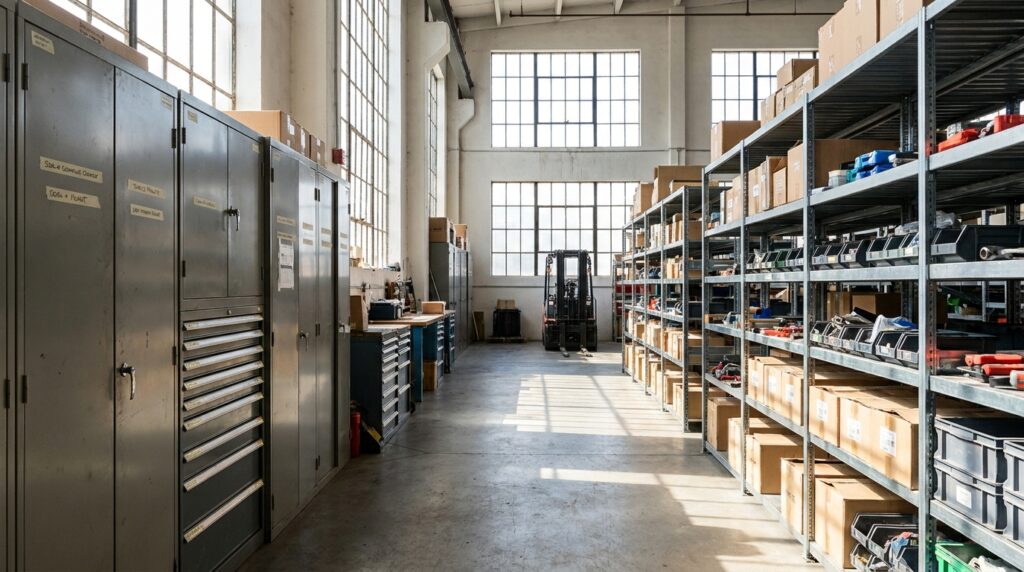
Industrial Storage Cabinets vs. Shelving: Which Should You Choose?
In the dynamic world of industrial operations, efficient material handling and storage are paramount to productivity, safety, and profitability. Warehouse managers, manufacturers, maintenance teams, and purchasing professionals are constantly seeking the optimal solutions to manage their inventory and workspaces. A fundamental decision in this pursuit involves choosing between industrial storage cabinets and shelving units. While both serve the purpose of organizing items, their distinct characteristics make them suitable for different applications and storage needs. Understanding these differences is key to making an informed choice that maximizes efficiency and minimizes risk. At Fredon Handling (fredonhandling.com), we specialize in providing a comprehensive range of industrial material handling and storage solutions, designed to meet the diverse demands of modern businesses. This article will delve into the core aspects of industrial storage cabinets and shelving, guiding you through their respective strengths, ideal applications, and how to select the best option for your specific operational requirements.
When considering the best solutions for organizing your workspace, it’s essential to weigh the benefits of industrial storage cabinets against shelving options. For a deeper understanding of how to optimize your material handling systems, you might find the article on streamlining your workflow particularly insightful. It discusses various strategies to enhance efficiency in your operations, which can complement your decision-making process regarding storage solutions. You can read more about it here: Material Handling Systems Explained: Streamlining Your Workflow Efficiently.
Understanding the Fundamentals: Cabinets vs. Shelving
The core difference between industrial storage cabinets and shelving lies in their structure and the level of protection they offer. Shelving units typically consist of open horizontal platforms supported by vertical uprights, offering easy access and visibility to stored items. Cabinets, on the other hand, are enclosed structures, usually with doors, providing a higher degree of protection against environmental factors, dust, and unauthorized access.
Industrial Shelving: Open Access and Visibility
Industrial shelving is a foundational element in many warehouses and manufacturing facilities. Its open design allows for quick retrieval of items, making it ideal for frequently accessed goods, bulk storage, and items that don’t require environmental protection.
Types of Industrial Shelving
- Heavy-Duty Pallet Racks: Designed for storing palletized goods, these are the backbone of many distribution centers and warehouses. They allow for high-density storage and efficient forklift access. Fredon Handling offers a robust selection of pallet racking systems to suit various load capacities and warehouse layouts.
- Boltless Shelving: This popular type of shelving is easy to assemble and reconfigure without the need for nuts and bolts. It’s versatile and can be used for storing a wide range of items, from small parts to larger boxes.
- Industrial Wire Shelving: Known for its durability and ventilation, wire shelving is excellent for environments where airflow is crucial, such as in food service, laboratories, or cleanrooms. It also resists dust accumulation.
- Cantilever Shelving: This specialized shelving system is designed for storing long, bulky, or irregularly shaped items like pipes, lumber, or metal bars. It features arms that extend outwards from a vertical column, providing unobstructed access.
- Mobile Shelving: For space optimization, mobile shelving units are mounted on tracks and can be moved to create aisles as needed, significantly increasing storage density.
Applications for Industrial Shelving
- Bulk Storage: Storing large quantities of raw materials, finished goods, or work-in-progress.
- Component Storage: Organizing parts and components for manufacturing or assembly lines.
- Retail Stockrooms: Holding inventory that is ready to be moved to the sales floor.
- Tool and Equipment Storage: Storing commonly used tools and equipment in production areas.
Industrial Storage Cabinets: Security and Protection
Industrial storage cabinets offer a more controlled environment for storing sensitive materials, valuable equipment, and items that need protection from the elements. Their enclosed nature provides a significant advantage in terms of security and preservation.
Types of Industrial Storage Cabinets
- General Purpose Storage Cabinets: These are versatile cabinets suitable for storing a wide range of items, from tools and spare parts to cleaning supplies and personal protective equipment (PPE). They typically feature adjustable shelves for customizable storage.
- Flammable Liquid Storage Cabinets: Specifically designed to safely store flammable liquids, these cabinets are constructed with fire-resistant materials and feature self-closing doors and ventilation systems to mitigate fire risks. Compliance with safety regulations is paramount here.
- Corrosive Material Storage Cabinets: Built with materials resistant to corrosion, these cabinets are essential for storing acids, bases, and other hazardous chemicals. They often feature secondary containment to prevent leaks from spreading.
- Tool Cabinets and Workstations: Often found in maintenance shops and production floors, these cabinets are designed to organize and secure tools, instruments, and small parts. Many come with drawers, pegboards, and integrated work surfaces.
- See-Through or Louvered Cabinets: Some cabinets feature transparent doors or louvered panels, allowing for quick visual identification of contents while still offering protection from dust and unauthorized access.
- ESD (Electrostatic Discharge) Cabinets: Crucial for electronics manufacturing and repair, these cabinets are designed to prevent electrostatic discharge that can damage sensitive components.
Applications for Industrial Storage Cabinets
- Secure Storage of Valuables: Protecting tools, sensitive equipment, or inventory from theft.
- Hazardous Material Storage: Safely storing flammable, corrosive, or toxic substances in compliance with safety regulations.
- Cleanroom Environments: Keeping sensitive components free from dust and contamination.
- Workstation Organization: Providing organized and secure storage at individual workstations for tools, parts, and supplies.
- Document and Record Storage: Protecting important documents from damage and unauthorized access.
Key Selection Criteria for Your Storage Needs
Choosing between industrial storage cabinets and shelving is not a one-size-fits-all decision. Several factors must be carefully considered to ensure the chosen solution aligns with your operational goals, budget, and safety requirements.
Assessing Your Inventory and Its Requirements
The nature of the items you need to store is the most critical factor.
- Size and Weight: Are you storing large, heavy items like pallets, or small, delicate components? Pallet racks are ideal for heavy, palletized loads, while shelving can accommodate a broader range of sizes. Cabinets are typically best for smaller items or equipment.
- Frequency of Access: Items that are accessed frequently benefit from the open accessibility of shelving. Less frequently accessed items or those requiring security might be better suited for cabinets.
- Sensitivity to Environment: Do your items need protection from dust, moisture, temperature fluctuations, or light? If so, cabinets are generally the superior choice.
- Hazardous Nature: For flammable, corrosive, or toxic materials, specialized cabinets are not just recommended but often legally mandated.
- Security Needs: If items are valuable or sensitive, the enclosed nature of cabinets offers a crucial security layer.
Space Optimization and Layout Considerations
Both cabinets and shelving can contribute to space optimization, but in different ways.
- Vertical Space Utilization: Both systems can be designed to maximize vertical space. High-rise shelving and multi-tier cabinet systems can significantly increase storage capacity within a given footprint.
- Aisle Width and Accessibility: Open shelving often requires wider aisles for forklift or manual access. Cabinets can sometimes be placed closer together, especially if internal access is managed sequentially, but door swing must be accounted for. Mobile shelving can dramatically reduce aisle space when not in use.
- Workstation Integration: Cabinets can be integrated into workstations, providing immediate access to necessary tools and materials, reducing travel time for staff.
Safety and Regulatory Compliance
Safety is paramount in any industrial setting. The choice of storage solution can directly impact workplace safety and adherence to regulations.
- Hazardous Materials: As mentioned, specific regulations govern the storage of flammable, corrosive, and toxic materials. Flammable liquid storage cabinets, for instance, must meet stringent standards (e.g., NFPA, OSHA). Fredon Handling provides compliant storage solutions to ensure you meet these requirements.
- Ergonomics: Consider how items will be loaded and unloaded. Adjustable shelving and well-placed cabinets can improve ergonomics, reducing strain on employees.
- Fire Safety: Cabinets offer an inherent level of fire protection compared to open shelving. For extremely sensitive or valuable items, fire-rated cabinets are a critical consideration.
- Load Capacity: Ensure that both shelving units and cabinets are rated for the weight of the items they will store. Overloading can lead to structural failure and accidents.
Budgetary Constraints and Return on Investment (ROI)
The initial cost of storage solutions can vary significantly.
- Initial Purchase Price: Shelving is generally less expensive upfront than cabinets, especially for basic open shelving units.
- Long-Term Costs: Consider durability, maintenance, and the potential costs associated with damage to goods or accidents due to inadequate storage. A higher initial investment in a robust cabinet or specialized shelving might offer a better long-term ROI.
- Space Efficiency and ROI: A more space-efficient storage solution, whether it’s densely packed shelving or well-designed cabinet systems, can lead to lower warehousing costs and a better ROI.
Practical Tips for Enhancing Storage Efficiency
Beyond selecting the right equipment, several practical strategies can significantly improve your industrial storage efficiency.
Implementing a Clear Organization System
A well-defined organization system is the foundation of efficient storage.
- Labeling: Clearly label all shelves, bins, and cabinet sections. Use consistent naming conventions and consider color-coding for different categories of items.
- Inventory Management Software: Integrate your storage with an inventory management system to track stock levels, locations, and movement. This can inform decisions about storage layout and replenishment.
- FIFO (First-In, First-Out): Implement FIFO principles where applicable, especially for perishable goods or items with expiration dates, to reduce waste.
Optimizing Layout and Workflow
The physical layout of your storage area directly impacts workflow efficiency.
- Zoning: Divide your storage area into logical zones based on product type, frequency of access, or manufacturing process.
- High-Activity Areas: Place frequently accessed items in easily reachable locations, typically at waist to shoulder height, to minimize bending and stretching.
- Minimizing Travel Distance: Arrange storage to reduce the travel distance for picking and put-away operations.
- Clear Pathways: Ensure all aisles are kept clear of obstructions to prevent trip hazards and allow for smooth movement of personnel and equipment.
Regular Maintenance and Audits
Ongoing maintenance and regular audits are crucial for sustained efficiency and safety.
- Inspect Equipment: Regularly inspect shelving units and cabinets for signs of damage, wear, or instability. Address any issues promptly.
- Cleanliness: Maintain a clean storage environment to prevent contamination, reduce fire hazards, and improve visibility.
- Inventory Audits: Conduct periodic inventory audits to verify stock accuracy, identify discrepancies, and ensure items are stored in their designated locations.
When considering the best options for organizing your workspace, it’s essential to weigh the benefits of industrial storage cabinets against shelving units. For a deeper understanding of how these solutions can impact your efficiency and organization, you might find it helpful to read a related article on this topic. This informative piece provides insights that can guide your decision-making process. You can explore it further by visiting this link.
Frequently Asked Questions About Industrial Storage Solutions
Here are answers to common questions that arise when choosing between industrial storage cabinets and shelving.
Q: When is shelving definitively better than cabinets?
A: Shelving is generally preferred when you need to store large volumes of items that are accessed frequently, do not require protection from dust or environmental factors, and do not pose a security risk. Think of bulk storage of raw materials, finished goods ready for shipment, or commonly used components on a production floor. The open access of shelving allows for quicker retrieval and better visibility.
Q: What are the primary advantages of using storage cabinets?
A: The main advantages of storage cabinets are security, protection, and containment. They are ideal for storing hazardous materials (flammable liquids, corrosives), sensitive electronics, valuable tools, or items that need to be kept clean and free from dust and moisture. The enclosed nature also helps in maintaining a tidier appearance and preventing unauthorized access.
Q: How do safety regulations influence my choice?
A: Safety regulations are a significant driver, particularly when dealing with hazardous materials. For instance, storing flammable liquids requires specific, approved cabinets that meet standards like NFPA 30 or OSHA 29 CFR 1910.106. If you’re storing chemicals, you’ll need cabinets designed for corrosive substances. Always consult relevant safety guidelines and regulations for your industry and location.
Q: Can I combine cabinets and shelving in the same facility?
A: Absolutely! In fact, it’s very common and often the most efficient approach. Most industrial facilities benefit from a hybrid storage strategy. You might use pallet racks for bulk storage, open shelving for frequently accessed items, and specialized cabinets for tools, hazardous materials, or sensitive components. This allows you to leverage the strengths of each system for different needs.
Q: How much weight can industrial shelving and cabinets typically hold?
A: The weight capacity varies greatly depending on the specific product. Industrial shelving can range from a few hundred pounds per shelf to thousands of pounds for heavy-duty pallet racks. Similarly, industrial cabinets have varying load capacities for shelves and drawers. It is crucial to always check the manufacturer’s specifications and ensure the chosen solution is rated for your intended load. Fredon Handling provides detailed specifications for all our products.
Conclusion: Making the Right Choice for Your Operations
The decision between industrial storage cabinets and shelving is a critical one that impacts your operational efficiency, safety, and bottom line. By carefully evaluating your inventory’s needs, understanding the available types of storage, and considering factors like space optimization and regulatory compliance, you can make an informed choice. For many businesses, a combination of both industrial storage cabinets and shelving solutions will provide the most comprehensive and effective approach to material handling and storage.
At Fredon Handling, we are dedicated to helping you find the perfect industrial storage solutions. Our expertise in material handling and storage systems means we can guide you through the selection process, ensuring you get equipment that meets your specific requirements and enhances your operational performance. Whether you need robust shelving for high-volume storage or secure cabinets for sensitive materials, we have the solutions to help you organize, protect, and optimize your workspace.
Don’t let inefficient storage hold your business back. Contact Fredon Handling today to request a consultation or a personalized quote. Let us help you engineer the most effective storage strategy for your industrial needs.