
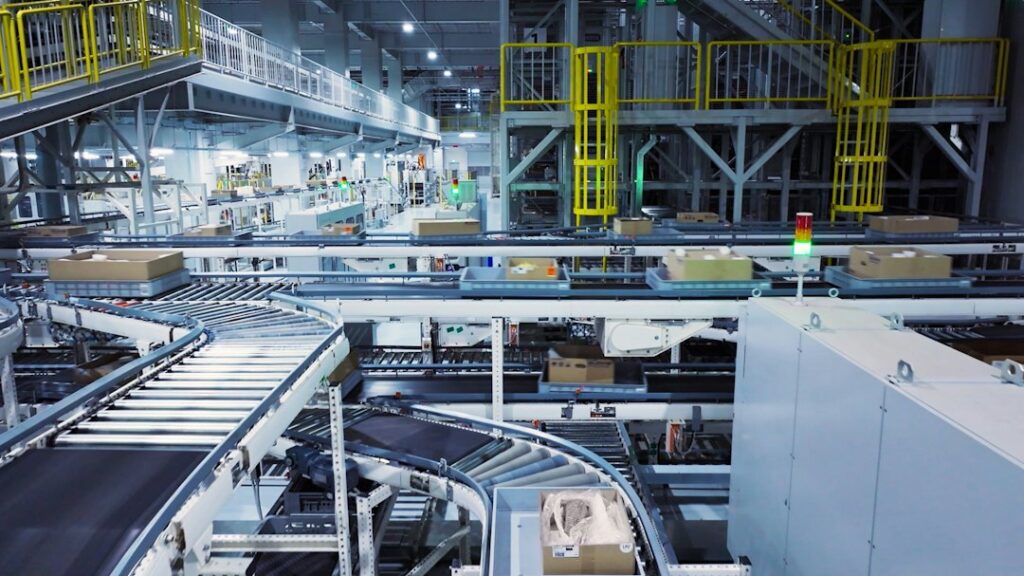
Hydraulic Lift Tables for Seamless Conveyor Integration
In the dynamic world of industrial operations, efficiency, safety, and productivity are paramount. Warehouse managers, manufacturers, and facility operators constantly seek innovative solutions to streamline workflows and enhance workplace ergonomics. One critical area where significant improvements can be made is in the seamless integration of material handling equipment with existing or planned conveyor systems. Hydraulic lift tables for conveyor integration are proving to be indispensable tools in this endeavor, offering versatile and robust solutions for elevating, lowering, and positioning materials precisely where they are needed.
Fredon Handling, a leading supplier of industrial material handling equipment, understands the complexities of optimizing material flow. Our comprehensive range of hydraulic lift tables, along with related equipment like scissor lifts, pallet positioners, tilt tables, turntables, and ergonomic workstations, are designed to complement and enhance conveyor systems. This article will delve deep into the world of hydraulic lift tables for conveyor integration, exploring their types, applications, benefits, selection criteria, safety considerations, maintenance best practices, and the significant productivity gains they offer.
Hydraulic lift tables play a crucial role in conveyor integration, enhancing efficiency and safety in material handling processes. For a deeper understanding of how various material handling systems can streamline workflows, you can explore the article on this topic at Material Handling Systems Explained: Streamlining Your Workflow Efficiently. This resource provides valuable insights into the different systems available and how they can be effectively combined with hydraulic lift tables to optimize operations.
Understanding the Role of Hydraulic Lift Tables in Material Handling
Hydraulic lift tables, also known as lift tables or scissor lifts, are mechanical devices that use hydraulic power to raise and lower a platform. Their inherent strength, reliability, and precise control make them ideal for a multitude of material handling tasks. When it comes to conveyor integration, their function extends beyond simple vertical movement. They act as crucial interface points, bridging gaps in height, enabling ergonomic loading and unloading, and facilitating the smooth transfer of goods between different stages of a production or distribution process.
The versatility of hydraulic lift tables for conveyor integration lies in their ability to be customized to specific operational needs. Whether it’s a heavy-duty industrial application requiring robust lifting capacity or a lighter-duty task demanding precise positioning, there’s a hydraulic lift table solution available. Their compact design when lowered also means they can be easily integrated into existing floor layouts without significant disruption.
Core Functionality and Benefits
At their core, hydraulic lift tables provide controlled vertical movement. This seemingly simple function unlocks a cascade of benefits when integrated with conveyor systems:
- Ergonomic Workstations: By bringing materials to an optimal working height, hydraulic lift tables significantly reduce the need for manual lifting, bending, and twisting. This minimizes the risk of musculoskeletal injuries, a leading cause of lost workdays in industrial settings.
- Improved Workflow Efficiency: They eliminate bottlenecks by ensuring a continuous and smooth flow of materials. For example, a lift table can receive items from a lower conveyor and raise them to the height of a higher conveyor, or vice versa.
- Precise Material Placement: The controlled nature of hydraulic systems allows for exact positioning of loads, which is critical when feeding materials into or taking them from automated machinery or sensitive processes.
- Space Optimization: When not in use, many hydraulic lift tables can be lowered to become flush with the floor, maximizing usable space and preventing trip hazards.
- Versatility in Application: From manufacturing assembly lines and packaging stations to warehousing and logistics operations, hydraulic lift tables adapt to a wide array of industrial environments.
How They Enhance Conveyor Systems
The integration of hydraulic lift tables into conveyor systems transforms their capabilities:
- Bridging Height Differences: Conveyor lines often operate at different elevations. Hydraulic lift tables act as efficient bridge elements, smoothly transitioning materials between these varying heights, eliminating the need for manual intervention or complex, fixed ramp structures.
- Accumulation and Buffering: In high-volume operations, temporary accumulation of goods is often necessary. A lift table can serve as a temporary holding area, allowing downstream processes to catch up or providing a buffer between different production stages.
- Ergonomic Loading/Unloading Docks: Integrating lift tables with dock levelers and conveyor systems creates highly efficient and safe loading and unloading stations, reducing manual labor and speeding up transit times.
- Feeding and Ejecting Machinery: They are perfect for presenting materials at the correct height for automated machinery or for safely removing finished products.
Types of Hydraulic Lift Tables and Their Conveyor Integration Applications
Fredon Handling offers a diverse range of hydraulic lift tables, each designed to meet specific industrial demands. Understanding these variations is key to selecting the right solution for your conveyor integration needs.
Standard Hydraulic Lift Tables
These are the workhorses of the lift table world. They feature a robust scissor mechanism powered by a hydraulic cylinder.
- Conveyor Integration: Standard lift tables are commonly used to create variable height workstations along a conveyor line. They can be integrated to raise or lower incoming items to match the conveyor height for easy transfer, or to position outgoing items onto a conveyor. They are ideal for applications where consistent, reliable vertical movement is required. For example, a standard lift table can be placed at the end of a production line to elevate finished goods onto a conveyor leading to shipping.
- Benefits: High lifting capacity, durability, relatively simple operation.
- Fredon Handling Solutions: Explore our range of Standard Hydraulic Lift Tables to find models suitable for various load capacities and travel heights.
Low-Profile Hydraulic Lift Tables
Designed to sit at floor level when lowered, these tables minimize the need for pit installations, making them ideal for retrofitting into existing facilities.
- Conveyor Integration: Low-profile lift tables are excellent for creating flush-level transfer points with conveyors. They are perfect for situations where items need to be easily rolled or slid onto the table from a lower level, then lifted to conveyor height, or vice versa. This is particularly useful in packaging areas where goods are moved from shrink wrappers or other machinery onto a conveyor.
- Benefits: Easy floor access, reduced installation complexity, minimal disruption.
- Fredon Handling Solutions: Our Low Profile Lift Tables offer an excellent solution for seamless floor-level conveyor integration.
###Heavy-Duty Hydraulic Lift Tables
Built to withstand the most demanding industrial environments, these tables are designed for exceptionally high lifting capacities and frequent use.
- Conveyor Integration: In heavy manufacturing or warehousing, where large or numerous items need to be moved between different conveyor levels or work zones, heavy-duty lift tables are essential. They can handle large palletized loads, industrial machinery components, or bulk materials being transferred between heavy-duty conveyor lines.
- Benefits: Superior strength, extreme durability, high load capacities.
- Fredon Handling Solutions: Consult our Heavy Duty Scissor Lifts for robust solutions capable of handling the most challenging conveyor integration tasks.
###Pallet Positioners and Work Positioners
While distinct, pallet positioners and work positioners often utilize hydraulic lift table technology to achieve their goals. Pallet positioners are specifically designed to raise and lower pallets, often with rotating capabilities, to an ergonomic height for loading and unloading. Work positioners are more general-purpose, designed to bring a load of any kind to an optimal working height.
- Conveyor Integration: Pallet positioners are frequently integrated at the infeed or outfeed of pallet conveyors, allowing for effortless loading and unloading of pallets. They can lift pallets from a conveyor to a higher stacking level or lower them to a floor conveyor. Work positioners can be integrated to bring individual items or smaller containers from a conveyor to an operator’s working height for assembly, inspection, or packaging.
- Benefits: Enhanced ergonomics for pallet handling, improved efficiency in loading/unloading, reduced strain.
- Fredon Handling Solutions: Discover our range of Pallet Positioners and Work Positioners which are perfectly suited for integration with various conveyor types.
###Tilt Tables and Turntables
While not strictly lift tables, tilt tables and turntables often incorporate hydraulic lifting mechanisms and are crucial for material positioning in conjunction with conveyors. Tilt tables allow for the angle of a load to be adjusted, while turntables enable 360-degree rotation.
- Conveyor Integration: A tilt table can be used to feed materials onto a conveyor at an angle, facilitating easier entry. They are also used to gently discharge materials from a conveyor into a chute or bin. Turntables integrated with conveyors allow for a change in direction of material flow or enable operators to access all sides of a product being worked on at a conveyor station. For instance, a turntable can rotate a product to present different faces to an inspection camera integrated with a conveyor system.
- Benefits: Enhanced material flow control, improved access to products, optimized material orientation.
- Fredon Handling Solutions: Explore our Tilt Tables and Turntables for advanced material positioning within your conveyor systems.
Selecting the Right Hydraulic Lift Table for Conveyor Integration
Choosing the correct hydraulic lift table for conveyor integration is a critical decision that impacts efficiency, safety, and long-term operational costs. Fredon Handling provides resources to help you make an informed choice.
Key Selection Criteria
- Load Capacity: Determine the maximum weight of the materials you will be lifting. Always err on the side of caution and select a table with a capacity exceeding your heaviest anticipated load.
- Lifting Height (Travel Distance): Measure the vertical distance your materials need to be moved. Consider both the fully lowered and fully raised heights.
- Platform Size: The platform should be large enough to comfortably and securely accommodate your typical loads.
- Conveyor Interface: How will the lift table connect with your conveyor? Will it be flush with the conveyor bed, will it extend beyond it, or will it require a specific loading ramp?
- Cycle Frequency: How often will the lift table be used? High-cycle applications require more robust and durable equipment.
- Environment: Consider the operating environment. Is it dusty, wet, or subject to extreme temperatures? This may influence material choice and sealing requirements.
- Power Requirements: Ensure you have the necessary electrical supply for the hydraulic power unit.
- Safety Features: Look for built-in safety features such as safety skirts, overload protection, and emergency stop buttons.
The Importance of Ergonomic Workstations
When integrating hydraulic lift tables for conveyor integration, creating ergonomic workstations is a primary benefit. This involves positioning the lift table at a height that minimizes operator strain.
- Work Height Optimization: The ideal working height is typically between the operator’s elbow and shoulder. A hydraulic lift table allows you to precisely achieve this height for any given task, regardless of the load’s original position on the conveyor.
- Reduced Fatigue: By minimizing the need for awkward postures, operators experience less fatigue, leading to increased focus and fewer errors.
- Productivity Gains: Happier, healthier workers are more productive. Ergonomic improvements contribute directly to overall output.
Utilizing Fredon Handling Calculators and Resources
To assist in your selection process, Fredon Handling offers valuable resources:
- Product Pages: Detailed specifications for each lift table model are available on our website.
- Productivity Calculators: While not directly for lift tables, understanding general productivity metrics can inform your decision-making. We encourage you to explore resources on optimizing material handling efficiency.
Hydraulic lift tables are essential for conveyor integration, enhancing efficiency in material handling processes. For a deeper understanding of the various methods and their significance in optimizing operations, you can explore a related article that discusses the fundamentals of material handling. This resource provides valuable insights into how different systems, including hydraulic lifts, contribute to streamlined workflows. To learn more, visit this article.
Safety and Maintenance for Hydraulic Lift Tables in Conveyor Systems
Safety and proper maintenance are non-negotiable when working with hydraulic lift tables for conveyor integration. Regular attention to these areas ensures longevity, prevents accidents, and maintains operational efficiency.
Essential Safety Features and Practices
- Safety Skirts: These are physical barriers that prevent pinch points between the scissor mechanism and the ground or surrounding structures. They are crucial to prevent accidental entrapment.
- Overload Protection: Hydraulic systems should have relief valves to prevent damage from excessive weight.
- Emergency Stop Buttons: Easily accessible emergency stop buttons should be present to halt operation immediately in case of an incident.
- Lockout/Tagout Procedures: When performing maintenance or repairs, strict lockout/tagout procedures must be followed to ensure the equipment cannot be accidentally energized.
- Operator Training: All operators must be thoroughly trained on the safe operation of the lift table, including its load limits, emergency procedures, and proper loading/unloading techniques.
- Clearance Areas: Ensure adequate clearance around the lift table to prevent collisions with personnel or other equipment, especially when it is in motion.
- Regular Inspections: Conduct daily visual inspections for any signs of damage, leaks, or wear.
Proactive Maintenance for Longevity
A well-maintained hydraulic lift table will operate reliably for years. Proactive maintenance is key to preventing costly breakdowns and ensuring optimal performance.
- Hydraulic Fluid Levels: Regularly check and maintain the hydraulic fluid level. Low fluid can cause the system to perform poorly and can damage the pump.
- Fluid Quality: Use only the recommended type of hydraulic fluid. Contaminated or degraded fluid can lead to system wear and malfunction. Consider a fluid analysis program for critical applications.
- Hoses and Fittings: Inspect hydraulic hoses and fittings for any signs of leaks, cracks, or wear. Replace damaged components immediately.
- Lubrication: Lubricate all pivot points and moving parts as per the manufacturer’s recommendations.
- Scissor Mechanism: Keep the scissor mechanism clean and free of debris. Inspect for any signs of bending or damage.
- Electrical Components: Ensure all electrical connections are secure and free from corrosion.
- Scheduled Servicing: Implement a scheduled preventative maintenance program. This may include oil changes, filter replacements, and thorough system checks by a qualified technician.
Fredon Handling strongly recommends consulting the operator’s manual for specific maintenance schedules and procedures for your particular model. Regular servicing by qualified technicians can identify potential issues before they become major problems, significantly extending the life of your hydraulic lift tables for conveyor integration.
Productivity Improvements and ROI with Hydraulic Lift Tables
The investment in hydraulic lift tables for conveyor integration yields significant returns in terms of increased productivity, reduced costs, and improved worker well-being.
Quantifiable Productivity Gains
- Reduced Cycle Times: By automating vertical movement and eliminating manual lifting, the time taken for tasks like loading, unloading, and material transfer is dramatically reduced. This leads to faster throughput and increased output.
- Minimized Downtime: When integrated correctly and maintained properly, hydraulic lift tables are highly reliable, minimizing operational downtime. Their robustness ensures they can handle the demands of continuous operation.
- Improved Accuracy and Reduced Errors: Precise positioning capabilities of hydraulic lift tables lead to fewer dropped items, damaged goods, or misaligned components, reducing waste and rework.
- Enhanced Workforce Utilization: Operators can focus on higher-value tasks instead of strenuous manual handling, leading to a more efficient and engaged workforce.
Cost Savings and Return on Investment (ROI)
- Reduced Labor Costs: While not replacing personnel entirely, optimizing tasks with lift tables can reduce the number of workers required for certain manual handling operations.
- Lower Injury-Related Costs: The most significant cost saving often comes from the reduction in workplace injuries. This translates to lower insurance premiums, fewer lost workdays, and reduced healthcare expenses.
- Extended Equipment Lifespan: Proper integration and maintenance of lift tables, alongside your conveyor systems, ensures their longevity, maximizing the return on your initial investment.
- Increased Throughput: Higher productivity directly translates to increased revenue potential.
Case Study Considerations
While specific case studies are proprietary, consider the impact of integrating a hydraulic lift table at a critical junction in your conveyor system:
- Scenario: A packaging line where finished goods are manually moved from a shrink wrapper to a conveyor.
- Integration: A low-profile hydraulic lift table is placed next to the shrink wrapper. The operator places the packaged item on the lift table, which then raises it to the exact height of the outgoing conveyor.
- Impact: Reduced bending and lifting for the operator, faster transfer of goods to the conveyor, and a significant reduction in the risk of strain injuries. This can lead to a 10-20% increase in packaging throughput for that station.
Fredon Handling is committed to helping businesses achieve these benefits. Our team of experts can assess your current material handling processes and recommend the optimal hydraulic lift tables for conveyor integration to maximize your ROI.
Frequently Asked Questions About Hydraulic Lift Tables for Conveyor Integration
Here are some common questions regarding the integration of hydraulic lift tables with conveyor systems:
Q1: How do I determine the correct load capacity for my hydraulic lift table when integrating with a conveyor?
A1: You need to consider the maximum weight of the individual items or palletized loads that will be placed on the lift table. Always select a capacity that is significantly higher than your expected maximum load to ensure safety and longevity. It’s also wise to factor in any potential future increases in load size or weight.
Q2: What are the installation requirements for hydraulic lift tables that will be integrated with conveyors?
A2: Installation requirements vary depending on the lift table model and the conveyor system. Standard lift tables may require a small pit to achieve a flush finish with the conveyor. Low-profile models often require less invasive installation, sometimes just bolting to the floor. Electrical connections for the hydraulic power unit are essential. Fredon Handling can provide detailed installation guidelines and support.
Q3: Can hydraulic lift tables be customized to fit specific conveyor dimensions or configurations?
A3: Yes, customization is a significant advantage of hydraulic lift tables. Fredon Handling offers a range of platform sizes, and bespoke solutions can be developed to perfectly match your conveyor dimensions, travel heights, and specific operational needs. This includes custom cutouts or specific mounting points.
Q4: How do hydraulic lift tables contribute to workplace safety in a conveyor-driven environment?
A4: Hydraulic lift tables enhance safety by eliminating manual lifting and bending, reducing the risk of musculoskeletal injuries. Features like safety skirts prevent pinch points, and overload protection prevents system damage. By bringing materials to ergonomic heights, they create safer working conditions for operators stationed along conveyor lines.
Q5: What is the typical lifespan of a well-maintained hydraulic lift table used in conveyor integration?
A5: With regular preventative maintenance, including fluid checks, lubrication, and inspections, a high-quality hydraulic lift table can last anywhere from 10 to 20 years or even longer. The durability of the hydraulic system and the robust construction of the scissor mechanism contribute to their long operational life.
Conclusion: Elevating Your Operations with Fredon Handling
The integration of hydraulic lift tables for conveyor integration is a strategic move for any industrial facility aiming to enhance efficiency, safety, and productivity. These versatile machines act as crucial bridges, ergonomic enhancers, and precision positioning tools within sophisticated material handling systems. From standard industrial applications to specialized heavy-duty tasks, Fredon Handling offers a comprehensive suite of hydraulic lift tables, pallet positioners, tilt tables, and turntables designed to seamlessly complement your conveyor infrastructure.
By carefully considering your specific needs and leveraging our expertise, you can select the perfect solution to optimize your workflows, reduce operational costs, and create a safer, more ergonomic working environment for your employees. Investing in the right hydraulic lift tables for conveyor integration is not just an equipment upgrade; it’s an investment in the future efficiency and success of your operation.
Ready to transform your material handling and conveyor systems? Contact Fredon Handling today to discuss your specific project requirements and discover how our advanced hydraulic lift tables can elevate your business.