
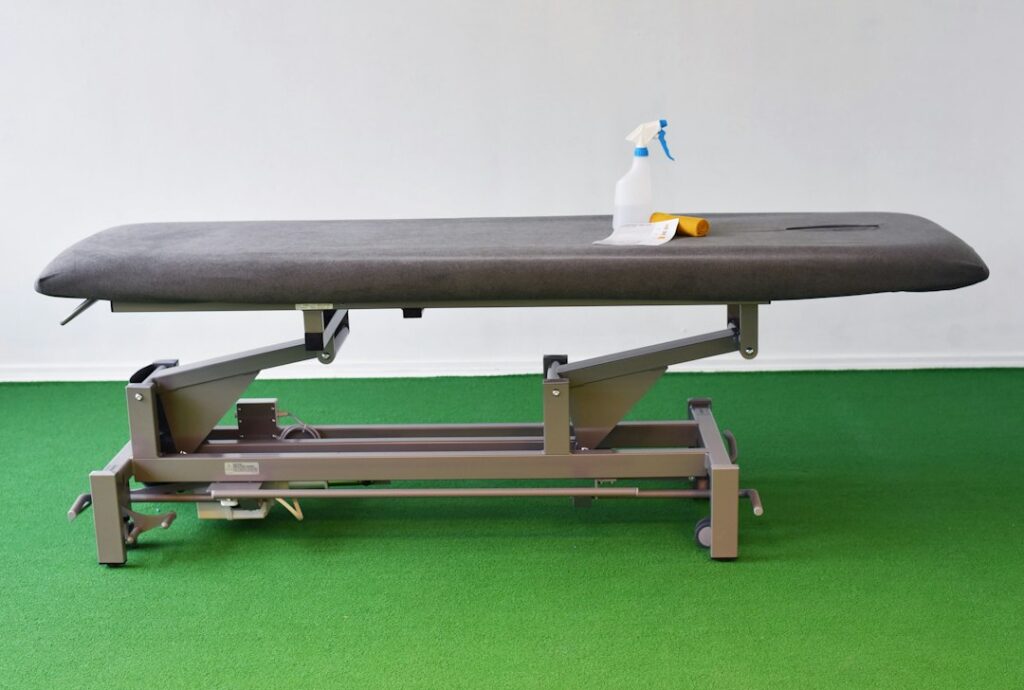
Stationary vs. Mobile Lift Tables: Which Is Better for Your Operations?
In the bustling world of industrial material handling, efficiency, safety, and ergonomics are paramount. Warehouse managers, manufacturing supervisors, and facility operators are constantly seeking ways to optimize workflows, reduce strain on their workforce, and prevent costly injuries. Central to achieving these goals is the selection of the right equipment. Among the most versatile and essential tools are lift tables, designed to elevate and position materials at optimal working heights. However, a crucial decision arises: should you opt for stationary lift tables or mobile lift tables?
This comprehensive guide, tailored for Fredon Handling (fredonhandling.com), your trusted industrial material handling equipment supplier, delves deep into the world of hydraulic lift tables and related material positioning equipment. We’ll explore the distinct advantages and applications of both stationary and mobile options, helping you make an informed decision that enhances productivity and worker well-being. From hydraulic lift tables and scissor lifts to pallet positioners, tilt tables, turntables, and ergonomic workstations, understanding the nuances of these solutions is key.
When considering the advantages and disadvantages of stationary versus mobile lift tables, it’s essential to explore related topics that can provide further insights into their applications and benefits. For instance, an informative article titled “Choosing the Right Lift Table for Your Business Needs” delves into various factors that influence the decision-making process when selecting lift tables, including weight capacity, workspace constraints, and operational efficiency. You can read more about this topic by visiting this link.
Understanding the Core Functionality of Lift Tables
Before dissecting the stationary vs. mobile debate, it’s vital to grasp the fundamental purpose of lift tables. At their core, hydraulic lift tables are mechanical devices that utilize hydraulic power to raise and lower a platform. This seemingly simple function revolutionizes material handling by:
- Improving Ergonomics: They bring heavy or awkwardly positioned loads to an operator’s ideal working height, minimizing bending, reaching, and twisting – common causes of musculoskeletal injuries.
- Increasing Productivity: By reducing manual effort and improving access to materials, lift tables streamline tasks, allowing workers to complete them faster and more efficiently.
- Enhancing Safety: They eliminate the need for precarious stacking or manual lifting, significantly reducing the risk of dropped loads, pinched fingers, and back injuries.
- Versatile Material Positioning: Beyond simple lifting, many lift tables can be integrated with other positioning equipment like turntables and tilt tables, allowing for precise manipulation of materials for assembly, inspection, or packaging.
Fredon Handling offers a comprehensive range of hydraulic lift tables designed to meet diverse industrial needs. Explore our Hydraulic Lift Tables page to discover the variety of options available.
The Mechanics Behind the Lift: Hydraulic Power
The smooth, controlled movement of hydraulic lift tables is powered by a hydraulic system. This typically involves a reservoir of hydraulic fluid, a pump driven by an electric motor or air motor, valves to control fluid flow, and hydraulic cylinders that extend and retract to move the lift platform. This robust system provides the necessary force to lift substantial loads with relative ease.
Beyond Basic Lifting: Integrated Positioning Solutions
While a standard lift table elevates materials, Fredon Handling also specializes in more advanced material positioning equipment. This includes:
- Scissor Lifts: Often used for higher lift heights and greater stability, these feature a series of linked, folding supports in a criss-cross ‘X’ pattern.
- Pallet Positioners: Specifically designed to raise and lower pallets, these are invaluable for palletizing and de-palletizing operations, reducing bending for workers.
- Tilt Tables: These allow for tilting of the load on the platform, facilitating access for tasks like loading, unloading, or assembly.
- Turntables: Incorporated into or alongside lift tables, these allow for 360-degree rotation of a load, enabling operators to easily access all sides of a product.
- Ergonomic Workstations: These are fully integrated solutions that combine lifting, tilting, and rotating capabilities with work surfaces, creating an ideal environment for specific assembly or packaging tasks.
Discover how these specialized solutions can benefit your operations on our Material Positioning Equipment page.
Stationary Lift Tables: The Foundation of Fixed Workflows
Stationary lift tables are designed for applications where the material handling task is confined to a specific area. They are typically bolted to the floor or integrated into a production line, providing a stable and reliable lifting solution for repetitive tasks.
Key Applications and Advantages
The strength of stationary lift tables lies in their ability to create consistent, optimized workstations. Common applications include:
- Assembly Lines: Bringing components to the optimal height for assemblers.
- Packaging Stations: Elevating products for easier boxing and sealing.
- Machine Feeding and Offloading: Lifting raw materials to machine input or removing finished goods.
- Loading Docks: Providing a stable platform for transferring goods between different height levels.
- Heavy Component Placement: Positioning large, heavy parts during manufacturing processes.
The advantages of opting for stationary lift tables are numerous:
- Maximum Stability and Safety: Being fixed in place, they offer unparalleled stability, reducing the risk of tipping or movement during operation, especially with heavy or unbalanced loads.
- Durability and Longevity: Their fixed nature often translates to a simpler design with fewer moving parts exposed to the elements or potential damage, leading to a longer service life.
- High Load Capacities: Stationary models can often accommodate higher weight capacities due to their robust construction and lack of mobility requirements.
- Cost-Effectiveness for Fixed Tasks: For operations that don’t require frequent repositioning, stationary units can be a more economical choice upfront.
- Integration Capabilities: They are easily integrated into existing production lines, conveyor systems, or custom-built workstations.
When to Choose a Stationary Lift Table
A stationary lift table is the ideal choice when:
- The lifting task is always performed in the same location.
- High load capacities are consistently required.
- Maximum stability and a fixed point of operation are critical for safety and precision.
- The lift table is to be integrated into a larger automated system or production line.
- The budget prioritizes a long-term, reliable solution for a fixed operational need.
Fredon Handling offers a robust selection of stationary scissor lifts and lift tables perfect for these scenarios.
Mobile Lift Tables: Flexibility in Motion
Mobile lift tables, as the name suggests, are designed for easy movement around a facility. They are equipped with casters and often feature a handle for convenient maneuvering, allowing them to be deployed wherever needed.
Key Applications and Advantages
The versatility of mobile lift tables makes them indispensable in dynamic work environments. Their applications are widespread:
- Cross-Departmental Support: Moving from one area to another to assist with various tasks.
- Temporary Workstations: Creating impromptu lifting and positioning stations for special projects or maintenance.
- Inventory Management: Assisting with moving and staging inventory in different warehouse zones.
- Maintenance and Repair: Bringing equipment or components to a suitable working height for servicing.
- Order Picking and Fulfillment: Supporting pickers by bringing items to a comfortable level.
The primary benefits of mobile lift tables revolve around their adaptability:
- Unmatched Flexibility: The ability to move the lift table to the point of use eliminates the need to transport materials to a fixed lifting station, saving time and effort.
- Space Optimization: They can be stored away when not in use, freeing up valuable floor space.
- Adaptability to Changing Needs: As workflows evolve or new projects arise, mobile units can be quickly redeployed without requiring significant retooling or infrastructure changes.
- Reduced Material Travel: By bringing the lifting capability to the materials, they minimize the distance materials need to be transported.
- Cost-Effective for Varied Tasks: For operations with diverse material handling needs that aren’t tied to a single location, mobile lift tables offer a more efficient solution.
When to Choose a Mobile Lift Table
A mobile lift table is the superior choice when:
- The lifting and positioning tasks need to be performed in multiple locations.
- Operational needs are subject to frequent change or require on-demand lifting support.
- Space is at a premium, and equipment needs to be stowed when not in use.
- Minimizing material travel is a key objective.
- Temporary workstations are frequently required.
Fredon Handling provides a range of durable and easy-to-maneuver mobile hydraulic lift tables and pallet positioners designed for maximum operational freedom.
When considering the advantages of stationary versus mobile lift tables, it’s essential to understand the broader context of material handling in various industries. A related article that delves into the significance and methods of material handling can provide valuable insights into how these lift tables fit into overall operational efficiency. For more information, you can read about it in this informative piece on material handling. This understanding can greatly influence your decision on which type of lift table best suits your needs.
Making the Right Choice: Factors to Consider
Selecting between stationary and mobile lift tables isn’t a one-size-fits-all decision. It requires a careful assessment of your specific operational requirements. Here are the key factors to consider:
1. Frequency and Location of Use
- Stationary: If the task is consistently performed in one spot, a stationary unit is usually more efficient and stable.
- Mobile: If tasks move around, or you need to support multiple areas, mobile is the clear winner.
2. Load Capacity and Lift Height Requirements
- Stationary: Generally offer higher weight capacities and can achieve greater lift heights due to their more robust, fixed design.
- Mobile: While mobile units are improving, very high capacities or extreme lift heights might be better suited for stationary models. Always check the specifications carefully.
3. Workflow and Space Constraints
- Stationary: Best for dedicated workstations integrated into a workflow. Requires permanent floor space.
- Mobile: Ideal for dynamic environments where space needs to be flexible. Can be stored when not in use.
4. Integration with Existing Equipment
- Stationary: Easier to integrate with fixed conveyor systems, automated lines, or other built-in infrastructure.
- Mobile: Less suited for seamless integration with fixed automated systems but can be used to bridge gaps or provide temporary support.
5. Budget Considerations
- Stationary: Initial cost might be comparable or slightly higher for very heavy-duty stationary units, but can offer better long-term value for fixed applications.
- Mobile: The added cost of casters and potentially lighter-duty construction might make them slightly more affordable for less demanding, mobile applications, but the flexibility itself is a significant value.
6. Safety and Ergonomic Needs
Both types significantly improve ergonomics and safety. However, the choice often comes down to the specific risks associated with the task and location.
- Stationary: Provides absolute stability for high-risk lifting or when precision is paramount.
- Mobile: Offers flexibility that can prevent awkward movements and overreaching in various scenarios.
To help you quantify the potential benefits and costs, Fredon Handling offers valuable resources like our Productivity Calculator to estimate ROI.
Beyond Basic Lift Tables: Enhancing Material Positioning
The decision between stationary and mobile lift tables is just one piece of the puzzle. Fredon Handling also offers a suite of complementary material positioning equipment that can be integrated with or used alongside lift tables to create truly optimized workflows.
Scissor Lifts vs. Standard Lift Tables
While often used interchangeably, it’s worth noting the distinctions:
- Standard Lift Tables: Typically utilize a single or double scissor mechanism for lifting.
- Scissor Lifts: While many standard lift tables are technically scissor lifts, the term “scissor lift” is also often used to describe units with more pronounced scissor mechanisms, often designed for higher lift heights and greater stability at those heights.
The Role of Pallet Positioners
For operations involving pallets, dedicated pallet positioners are game-changers. They bring pallets to an ergonomic height, eliminating constant bending and reaching for workers involved in palletizing or de-palletizing. They can be stationary or mobile, depending on the application.
Leveraging Tilt Tables and Turntables
When a simple vertical lift isn’t enough, tilt tables and turntables come into play:
- Tilt Tables: Essential for tasks requiring access to the sides or bottom of a load, such as filling bags, emptying hoppers, or performing assembly operations on irregularly shaped items.
- Turntables: Allow for easy rotation of a workpiece, critical for assembly, inspection, or packaging processes where all sides of an item need to be accessed without the operator having to move around it.
These can be integrated into lift table platforms to create multi-functional ergonomic workstations.
Designing Complete Ergonomic Workstations
Fredon Handling can help you design and implement fully integrated ergonomic workstations. These are custom-designed solutions that combine lifting, tilting, rotating, and specialized work surfaces to create the ideal environment for specific tasks, drastically reducing strain and improving efficiency.
Consider the range of our Solutions to see how we can tailor equipment to your unique needs.
Safety and Maintenance for Optimal Performance
Regardless of whether you choose stationary or mobile lift tables, prioritizing safety and regular maintenance is crucial for their longevity and the well-being of your workforce.
Safety Considerations for All Lift Tables
- Understand Load Limits: Never exceed the rated capacity of the lift table. Overloading is a primary cause of equipment failure and accidents.
- Clear the Area: Ensure the lift area is clear of obstructions before operating the lift.
- Use Safety Chains/Guards: Many lift tables come with safety chains or guards to prevent accidental movement or to secure loads. Utilize them.
- Regular Inspections: Visually inspect the lift table for any signs of damage, wear, or leaks before each use.
- Proper Training: Ensure all operators are adequately trained on the safe operation of the specific lift table model.
- Emergency Stops: Familiarize yourself with the location and function of emergency stop buttons.
Specific Safety for Mobile Lift Tables
- Secure During Operation: When raised to height, ensure mobile lift tables are on a level surface and that brakes are engaged if applicable.
- Slow and Steady Movement: When moving a loaded mobile lift table, do so slowly and carefully, especially around corners or uneven surfaces.
- Avoid Moving Under Load (Generally): While some mobile units are designed for it, it’s generally safer to lower the load before moving the lift table.
Essential Maintenance Practices
- Regular Lubrication: Follow the manufacturer’s recommendations for lubricating moving parts to ensure smooth operation and prevent wear.
- Hydraulic Fluid Checks: Regularly check the hydraulic fluid level and quality. Top up or change as needed, using the recommended fluid type.
- Hose and Seal Inspections: Inspect hydraulic hoses and seals for any signs of wear, cracks, or leaks. Replace them promptly if any issues are found.
- Electrical Component Checks: For electric lifts, ensure all electrical connections are secure and that the motor is functioning correctly.
- Mechanical Component Checks: Inspect the scissor mechanisms, hinges, and other mechanical components for any signs of bending, wear, or damage.
- Cleanliness: Keep lift tables clean and free from debris, which can interfere with their operation or cause damage.
Fredon Handling offers maintenance services and can provide guidance on preventative maintenance schedules for all our equipment.
Frequently Asked Questions About Lift Tables
Here are answers to some common questions regarding stationary vs. mobile lift tables and their applications:
Q1: Can mobile lift tables be used for very heavy loads?
A1: Mobile lift tables can handle significant loads, but their capacity may be slightly less than comparable stationary models due to the added weight and design considerations for mobility. Always consult the product specifications for precise load ratings. For exceptionally heavy, fixed-location tasks, a stationary unit is often the more robust choice.
Q2: How do I determine the correct lift height for my application?
A2: The ideal lift height is the one that allows the operator to perform their task comfortably without bending or reaching excessively. Measure the typical height of the items being handled and the operator’s ergonomic working zone. Fredon Handling’s experts can assist you in calculating the appropriate lift height for your specific needs.
Q3: Are tilt tables and turntables difficult to operate?
A3: Modern tilt tables and turntables are designed for user-friendly operation, often featuring simple controls. Integration with lift tables can further streamline the process, allowing for coordinated movements. Our team can provide demonstrations and training.
Q4: What is the difference between a lift table and a scissor lift?
A4: While many lift tables are technically scissor lifts (using a scissor mechanism for elevation), the term “scissor lift” is often used to refer to units specifically designed for higher lift heights and greater stability at those heights. The core function of lifting and lowering a platform remains the same.
Q5: How often should hydraulic lift tables be serviced?
A5: A good rule of thumb is to perform basic visual inspections daily, scheduled lubrication and fluid checks monthly, and more in-depth mechanical and hydraulic system checks quarterly or semi-annually, depending on usage intensity. Always refer to the manufacturer’s maintenance manual for specific recommendations.
Conclusion: Elevating Your Operations with the Right Choice
The decision between stationary and mobile lift tables hinges on a clear understanding of your operational environment, task requirements, and long-term goals. Stationary lift tables offer unwavering stability and are ideal for fixed, high-capacity applications integrated into production lines. Mobile lift tables, on the other hand, provide unparalleled flexibility, allowing you to adapt to changing needs and optimize workflows across different areas of your facility.
By carefully considering the factors outlined in this guide – frequency of use, load capacity, space constraints, and safety considerations – you can make an informed choice that enhances productivity, reduces the risk of injuries, and contributes to a more efficient and ergonomic workplace.
At Fredon Handling (fredonhandling.com), we are more than just suppliers; we are partners in optimizing your material handling processes. Our extensive range of hydraulic lift tables, scissor lifts, pallet positioners, tilt tables, turntables, and ergonomic workstations are designed to meet the rigorous demands of modern industry.
Ready to find the perfect lifting and positioning solution for your facility? Explore our comprehensive product offerings on Fredon Handling today or contact our expert team for a personalized consultation. Let us help you lift your operations to new heights of efficiency and safety.