
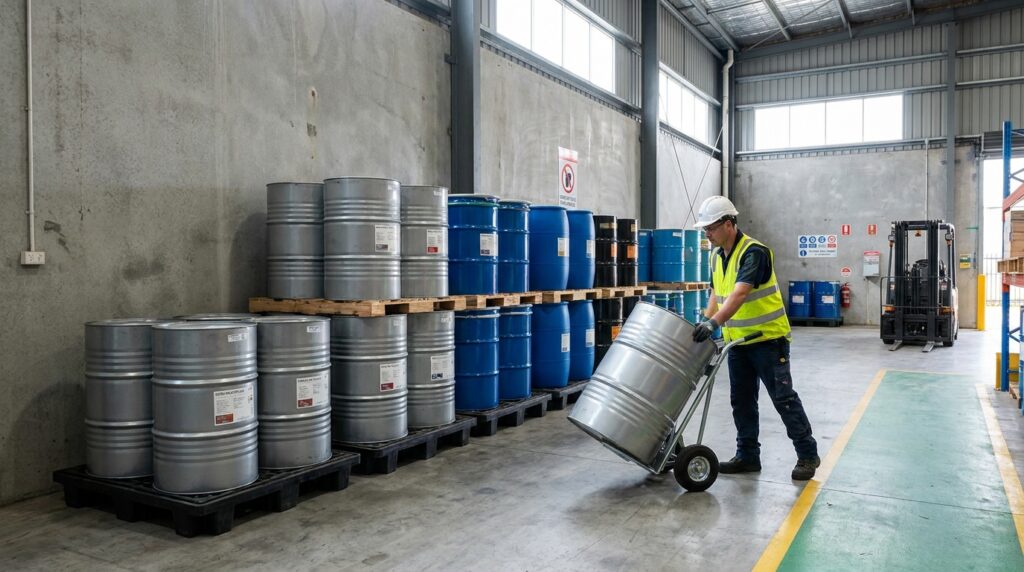
SEO Title: Drum Storage and Handling: Expert Best Practices for Industrial Facilities | Fredon Handling
Meta Description: Master industrial drum storage and handling with Fredon Handling’s expert guide. Discover best practices, equipment, safety, and efficiency for your facility. Optimize your operations today.
The Critical Importance of Drum Storage and Handling in Industrial Settings
In the intricate world of industrial operations, the safe, efficient, and compliant management of drums is paramount. Whether your facility handles chemicals, lubricants, food ingredients, or raw materials, the way drums are stored and moved can significantly impact productivity, safety, and regulatory adherence. Improper drum handling can lead to costly spills, environmental damage, worker injuries, and production downtime. Conversely, adopting robust drum storage and handling best practices, supported by the right equipment, can streamline workflows, minimize risks, and enhance overall operational excellence.
This comprehensive guide delves into the essential aspects of industrial drum storage and handling, offering practical advice, equipment insights, and safety considerations for warehouse managers, plant engineers, safety managers, and industrial equipment buyers. We’ll explore the nuances of drum materials, sizes, and capacities, discuss the critical role of specialized handling equipment, and outline strategies for optimizing your facility’s drum management processes. At Fredon Handling, we understand the challenges you face, and this article is designed to provide you with the knowledge and resources to implement effective solutions.
For those looking to enhance their understanding of drum storage and handling best practices in industrial facilities, a related article can be found at Fredon Handling. This resource provides valuable insights into effective strategies for managing drum storage, ensuring safety, and optimizing space utilization in various industrial settings. By implementing these best practices, facilities can improve operational efficiency and reduce the risk of accidents associated with improper drum handling.
Understanding Drum Types and Their Storage Requirements
Drums are ubiquitous in industrial settings, serving as versatile containers for a vast array of substances. Their design, material, and size are critical factors influencing how they should be stored and handled safely. Recognizing these variations is the first step towards implementing effective drum management strategies.
Common Drum Materials and Their Properties
The material of a drum dictates its suitability for specific contents, its durability, and its handling considerations.
- Steel Drums: These are the workhorses of the industrial world, known for their strength and durability. They are ideal for flammable liquids, oils, and many chemical products. Steel drums typically come in standard sizes like 55-gallon (208-liter) and 30-gallon (114-liter). Their robust construction makes them suitable for demanding environments. However, they can be susceptible to rust if not properly maintained or if stored in humid conditions.
- Plastic Drums (Poly Drums): Made from High-Density Polyethylene (HDPE) or other robust plastics, these drums offer excellent chemical resistance and are often preferred for corrosive substances, food-grade products, and certain hazardous materials where metal contamination is a concern. Plastic drums are lighter than steel drums of equivalent capacity, making them easier to handle in some scenarios. They are also resistant to rust and corrosion. Common sizes mirror those of steel drums, including 55-gallon and 30-gallon.
- Fiber Drums: Constructed from thick, composite paperboard, fiber drums are a more environmentally friendly option for non-hazardous, dry goods, powders, and some semi-solids. They are lightweight and cost-effective. However, they are not suitable for liquids or hazardous materials due to their susceptibility to moisture and less robust structural integrity compared to steel or plastic. They also offer limited protection against impacts.
Drum Sizes, Weights, and Capacities: Key Considerations
The physical dimensions and weight of drums are fundamental to planning storage layouts and selecting appropriate handling equipment.
- Standard Sizes: The most common industrial drum size is the 55-gallon (approximately 208-liter) drum. Other prevalent sizes include 30-gallon (approximately 114-liter) and smaller drums, as well as intermediate bulk containers (IBCs) which can hold significantly more volume. Understanding the dimensions (diameter and height) of your specific drums is crucial for calculating storage density and ensuring clearance for handling equipment.
- Weight and Capacity: The maximum weight and volume a drum can safely hold are specified by its manufacturer. This is not just about filling the drum; it’s about the total gross weight when full, which directly impacts the lifting capacity required for handling equipment. A full 55-gallon steel drum of dense liquid can weigh upwards of 500 pounds (227 kg). Always adhere to the drum’s maximum fill weight and safe working load (SWL) of any equipment used to handle it.
- Tare Weight: The tare weight is the weight of the empty drum. While seemingly minor, in large-scale operations, the cumulative tare weight of many drums can be a factor in determining the capacity requirements for forklifts and other transport equipment.
Compatibility: Ensuring Safe and Effective Storage
Choosing the right storage method depends heavily on the drum’s contents and material.
- Chemical Compatibility: For chemical drums, ensuring compatibility between the drum material and its contents is non-negotiable. Improper material selection can lead to drum degradation, leaks, and dangerous reactions. Consult Safety Data Sheets (SDS) for both the chemical and the drum material.
- Environmental Factors: Steel drums should be protected from moisture and extreme temperatures to prevent corrosion and material degradation. Plastic drums are generally more resilient but can be affected by prolonged UV exposure or extreme heat. Fiber drums require a dry environment to maintain their integrity.
- Regulatory Compliance: Many industries have specific regulations regarding the storage of hazardous materials, including flammability, toxicity, and containment requirements. Ensure your storage practices comply with OSHA, EPA, and other relevant governing bodies.
Best Practices for Industrial Drum Storage
Efficient and safe drum storage is a cornerstone of a well-managed industrial facility. It involves optimizing space, ensuring stability, and facilitating easy access while adhering to safety and regulatory standards.
Optimizing Warehouse Layout for Drum Storage
Effective space utilization is critical, especially in facilities with limited floor space.
- Palletized Storage: Storing drums on pallets is a fundamental practice. Pallets allow for easier movement with forklifts and pallet jacks, provide a stable base, and help protect drums from direct contact with the floor, which can be important for preventing corrosion or contamination.
- Rack Systems: For vertical storage, drum rack systems are invaluable. These systems are designed to securely hold drums, typically horizontally, and can significantly increase storage density. Options range from simple single-drum cradles to multi-level racking solutions. Ensuring the rack system’s weight capacity and compatibility with drum sizes is crucial.
- Stacking: While some drums can be stacked, it’s essential to understand the limitations. Most 55-gallon steel and plastic drums are designed to be stacked, but only up to a certain limit (usually 2-3 high) to prevent crushing the lower drums. Always refer to drum manufacturer guidelines and use appropriate dunnage if stacking directly. Fiber drums are generally not suitable for stacking.
- Aisle Widths: Maintain adequate aisle widths to allow for safe passage of personnel and material handling equipment. Consider the turning radius of forklifts and the reach of lifting equipment.
Ensuring Drum Stability and Security
Preventing drums from tipping or falling is a primary safety concern.
- Securing Drums: Use appropriate securing devices, such as chocking, strapping, or specialized drum racks with integrated locking mechanisms, to prevent drums from rolling or shifting, especially in areas prone to vibration or seismic activity.
- Environmental Controls: Maintain a consistent and appropriate temperature and humidity level within the storage area, particularly for sensitive materials. This helps prevent degradation of drum materials and contents.
- Segregation of Incompatible Materials: Implement strict protocols for segregating drums containing incompatible substances. This is vital for preventing dangerous chemical reactions in the event of a spill or leak. Use designated storage areas and clear labeling.
Regulatory Compliance and Safety in Storage
Adherence to safety regulations is not just a legal requirement but a moral imperative.
- Hazardous Material Storage: For hazardous materials, strict adherence to regulations like OSHA’s Process Safety Management (PSM) standards and EPA’s Risk Management Program (RMP) is necessary. This includes requirements for secondary containment, ventilation, fire suppression, and emergency preparedness.
- Labeling and Identification: All drums must be clearly and accurately labeled according to relevant regulations (e.g., GHS standards) with information about contents, hazards, and emergency contact details. Regular checks should be performed to ensure labels remain intact and legible.
- Spill Containment: Implement secondary containment measures, such as spill pallets, containment berms, or specialized containment areas, to capture any leaks or spills. The capacity of the containment system must meet regulatory requirements, often needing to hold a percentage of the largest drum or a percentage of the total volume stored.
Essential Drum Handling Equipment and Techniques
The safe and efficient movement of drums within an industrial facility relies heavily on the appropriate selection and use of specialized handling equipment. Manual handling of drums is often unsafe, labor-intensive, and prone to injury.
Types of Drum Handling Equipment
Fredon Handling offers a comprehensive range of equipment designed to make drum handling safer and more efficient. Explore our solutions at https://fredonhandling.com/drum-handling-equipment/.
- Drum Lifters and Tippers: These devices are designed to lift, move, and pour drums.
- Drum Grabs/Clamps: Attach to forklifts or overhead cranes to securely grip drums for lifting and transport. They come in various designs for different drum types and lifting configurations.
- Drum Rotators: Allow for the controlled tilting and pouring of drum contents, minimizing spillage and worker strain. These can be manual, semi-powered, or fully powered, and can be integrated with forklifts or hoists.
- Drum Squeeze Clamps: A common forklift attachment that grips the drum’s circumference.
- Drum Trucks and Dollies: Ideal for manual or assisted movement of individual drums over short distances.
- Hand Drum Trucks (Dolly Trucks): Basic, manual trucks that allow a single operator to tilt and move a drum. Some models have built-in lifting mechanisms.
- Powered Drum Trucks: Battery-powered units that assist in lifting and moving drums, reducing physical effort.
- Drum Palletizers and De-palletizers: Automated or semi-automated systems that efficiently stack or unstack drums onto pallets.
- Drum Squeeze Clamps: A common forklift attachment that grips the drum’s circumference.
- Drum Lifters: Designed to lift drums from the ground or a pallet for placement onto a truck, into a rack, or onto processing equipment.
Techniques for Safe Drum Lifting and Moving
Beyond the equipment, proper techniques are vital for injury prevention and operational efficiency.
- Using the Right Equipment: Always match the handling equipment to the drum type, weight, and the task. A 55-gallon steel drum requires different handling considerations than a smaller plastic drum. Ensure the equipment’s capacity exceeds the drum’s gross weight.
- Proper Attachment: When using forklift attachments like drum grabs or clamps, ensure they are securely fastened to the drum before lifting. Perform a slow, controlled lift to test the grip.
- Controlled Movements: Operate forklifts and other powered equipment smoothly and avoid sudden starts, stops, or turns, especially when carrying drums. This minimizes the risk of the drum shifting or tipping.
- Clear Communication: When working in a team, clear communication between operators and spotters is essential to prevent collisions and ensure safe maneuvering.
- Ergonomics: Even with powered equipment, be mindful of ergonomic principles. Minimize bending, twisting, and reaching where possible.
Equipment Compatibility Considerations
When selecting drum handling equipment, consider its compatibility with your existing infrastructure and workflow.
- Forklift Compatibility: If using forklift attachments, ensure they are compatible with your existing forklift fleet (e.g., attachment type, hydraulic connections, weight capacity).
- Drum Material and Size: Some handlers are designed for specific drum materials (e.g., metal vs. plastic) and sizes. A clamp designed for a smooth steel drum might not work effectively or safely with a ribbed plastic drum.
- Environment: Consider the operating environment. For explosive atmospheres, explosion-proof equipment is required. In food-grade applications, stainless steel or easy-to-clean materials are necessary.
Effective drum storage and handling practices are crucial for maintaining safety and efficiency in industrial facilities. For those looking to enhance their understanding of material handling, the article on essential tools for efficiency offers valuable insights. By implementing best practices in drum management, facilities can minimize risks and streamline operations. To learn more about the types of material handling equipment that can support these efforts, check out this informative resource here.
Safety Protocols for Drum Handling Operations
Safety is the non-negotiable foundation of all industrial operations, and drum handling is no exception. Implementing comprehensive safety protocols significantly reduces the risk of accidents, injuries, and environmental incidents.
Hazard Identification and Risk Assessment
Proactive identification of potential hazards is the first step in creating a safe working environment.
- Chemical Hazards: Understand the specific hazards associated with the contents of each drum (e.g., flammability, toxicity, corrosivity, reactivity). Review Safety Data Sheets (SDS) thoroughly.
- Physical Hazards: These include the weight of drums, potential for falling drums, uneven surfaces, pinch points in handling equipment, and moving machinery.
- Environmental Hazards: Consider risks of spills, leaks, and their potential impact on the environment, including waterways and air quality.
- Ergonomic Hazards: Assess the risks associated with manual lifting, repetitive motions, and awkward postures.
Personal Protective Equipment (PPE)
Appropriate PPE is a critical barrier against exposure to hazards.
- Eye Protection: Safety glasses or goggles are essential to protect against splashes and flying debris.
- Hand Protection: Chemical-resistant gloves suitable for the specific substances being handled are mandatory.
- Foot Protection: Steel-toed safety boots are required to protect against dropped objects.
- Body Protection: Chemical-resistant aprons or suits may be necessary depending on the material being handled.
- Respiratory Protection: If handling volatile chemicals or in poorly ventilated areas, appropriate respirators may be required. A hazard assessment will dictate the type of respirator needed.
Emergency Preparedness and Spill Response
Having a well-defined emergency plan is crucial for mitigating the impact of incidents.
- Spill Kits: Ensure readily accessible spill kits are stocked with appropriate absorbents, containment booms, neutralizing agents (if applicable), and disposal bags. The type of spill kit should be matched to the potential hazards of the materials stored.
- Emergency Procedures: Train all personnel on emergency procedures, including alarm systems, evacuation routes, and contact information for emergency services and internal response teams.
- First Aid: Maintain readily available first-aid supplies and ensure personnel are trained in basic first aid and any specific procedures related to the chemicals being handled.
- Reporting Incidents: Establish a clear protocol for reporting all incidents, near misses, and spills, no matter how minor. This allows for investigation and implementation of corrective actions.
Maintenance and Longevity of Drum Handling Equipment
Investing in quality drum handling equipment is only the first step. Regular maintenance is key to ensuring its continued safe operation, longevity, and optimal performance.
Routine Inspections
Regular visual inspections by trained personnel can identify potential issues before they become critical.
- Daily Checks: Before each shift, operators should perform a quick visual inspection of their equipment, checking for obvious damage, loose parts, or leaks.
- Weekly Inspections: A more thorough inspection may include checking hydraulic hoses for wear or leaks, ensuring safety guards are in place, verifying tire condition, and testing operational functions.
- Monthly/Quarterly Inspections: These more in-depth checks should be performed by a qualified technician and may involve inspecting structural integrity, checking lubrication levels, and verifying the calibration of load cells or safety features.
Lubrication and Cleaning
Proper lubrication and cleaning prevent wear and tear and maintain efficient operation.
- Lubrication Schedule: Follow the manufacturer’s recommended lubrication schedule for all moving parts, pivot points, and hydraulic systems. Use the correct type and grade of lubricant.
- Cleaning: Keep equipment clean, especially in dusty or corrosive environments. Remove debris that could interfere with operation or cause premature wear. For equipment used in food-grade or pharmaceutical applications, rigorous cleaning and sanitation procedures are essential.
Repair and Replacement Strategy
A proactive approach to repairs and replacements can prevent costly breakdowns and ensure ongoing safety.
- Address Issues Promptly: Do not postpone repairs. Small issues can quickly escalate into major problems, leading to equipment failure, safety hazards, and expensive downtime.
- Genuine Parts: When replacement parts are needed, use genuine manufacturer parts to ensure compatibility and maintain performance and safety standards.
- Planned Obsolescence: Understand the lifespan of your equipment and plan for replacements. Older equipment may lack modern safety features or may no longer be supported by the manufacturer, increasing operational risk.
Choosing the Right Drum Handling Solution for Your Facility
Selecting the appropriate drum handling equipment requires a thorough understanding of your specific needs and operational environment. Fredon Handling is your partner in finding the optimal solution.
Assessing Your Facility’s Needs
Begin by conducting a comprehensive assessment of your operations.
- Volume and Frequency of Drum Handling: How many drums do you handle daily, weekly, or monthly? What is the typical journey of a drum within your facility?
- Drum Types and Weights: What types of drums do you primarily use (steel, plastic, fiber)? What are their typical sizes and maximum weights when full?
- Facility Layout and Space Constraints: What are the dimensions of your storage areas? Are there narrow aisles, low ceilings, or tight corners? What is the condition of your flooring?
- Existing Infrastructure: What type of forklifts or overhead lifting equipment do you currently have? What is their lifting capacity?
- Budget and ROI: Determine your budget for new equipment and consider the return on investment (ROI) in terms of increased productivity, reduced labor costs, and improved safety.
Key Selection Factors for Drum Handling Equipment
Consider these factors when evaluating different equipment options.
- Capacity: Ensure the equipment can safely handle the maximum weight and size of the drums you use.
- Ease of Use: The equipment should be intuitive and easy for your staff to operate with minimal training.
- Safety Features: Look for features like automatic braking, safety interlocks, and overload protection.
- Durability and Construction: Choose equipment made from high-quality materials built to withstand the rigors of an industrial environment.
- Ergonomics: Prioritize equipment that minimizes physical strain on operators.
- Versatility: Can the equipment handle different drum types or sizes, or perform multiple functions (e.g., lift and pour)?
Fredon Handling: Your Partner in Drum Management
At Fredon Handling, we offer a wide array of drum handling equipment, from basic drum trucks to sophisticated forklift attachments and drum rotators. Our expertise allows us to recommend solutions tailored to your unique operational challenges.
Frequently Asked Questions (FAQs) About Drum Storage and Handling
Q1: What is the most common cause of drum handling injuries?
A1: The most common causes of drum handling injuries are manual lifting, dropping drums, and being struck by moving equipment or falling drums due to improper handling or unsecured loads.
Q2: How can I ensure compliance with hazardous material storage regulations?
A2: Compliance requires understanding specific regulations (OSHA, EPA, etc.), proper labeling, segregation of incompatible materials, secondary containment, adequate ventilation, and comprehensive employee training. Consulting with a safety professional or regulatory expert is often recommended.
Q3: Can any forklift handle any drum?
A3: No. Standard forks are not designed for safe drum handling. Specialized forklift attachments like drum clamps, grabs, or squeeze clamps are required to securely grip and lift drums without damaging them or creating a safety hazard.
Q4: What is the difference between a drum lifter and a drum tipper?
A4: A drum lifter is primarily designed to lift and move drums. A drum tipper is specifically designed to allow for the controlled tilting and pouring of drum contents, often with a mechanism for rotation. Many tippers incorporate lifting capabilities.
Q5: How often should drum handling equipment be inspected?
A5: Daily visual inspections by the operator are recommended before use. More thorough inspections by trained personnel should be conducted weekly and monthly, with detailed preventative maintenance schedules defined by the manufacturer and regulatory requirements.
Conclusion: Elevating Your Industrial Operations with Expert Drum Management
Effective drum storage and handling are not merely operational tasks; they are critical components of a safe, efficient, and compliant industrial facility. By understanding drum types, implementing robust storage strategies, utilizing the right equipment, and adhering to stringent safety protocols, you can significantly mitigate risks, reduce costs, and enhance productivity.
Fredon Handling is committed to providing industrial facilities with the most reliable and innovative drum handling solutions available. We invite you to explore our comprehensive range of equipment at https://fredonhandling.com/drum-handling-equipment/ and discover how our expertise can transform your operations.
Ready to optimize your drum storage and handling processes? Contact Fredon Handling today for a personalized consultation. Our experts are ready to help you select the perfect equipment for your facility’s unique needs.