
Mastering Hydraulic Lift Table Safety: A Comprehensive Guide for Industrial Operations
In the dynamic world of industrial operations, efficiency and safety are inextricably linked. Hydraulic lift tables, indispensable tools for material handling, play a critical role in streamlining workflows and reducing manual labor. From manufacturing floors to warehousing facilities and laboratories, these versatile machines enable precise elevation and positioning of heavy loads, significantly enhancing productivity. However, their very power and utility necessitate a rigorous commitment to safety protocols. Neglecting hydraulic lift table safety can lead to severe accidents, costly downtime, and compromised worker well-being. This comprehensive guide, tailored for industrial equipment buyers, engineers, and facility managers, delves into the essential best practices for ensuring the safe and effective operation of hydraulic lift tables, drawing upon Fredon Handling’s expertise in providing robust material handling solutions.
When considering the safety best practices for hydraulic lift tables, it’s essential to understand the broader context of material handling systems. A related article that delves into this topic is “Material Handling Systems Explained: Streamlining Your Workflow Efficiently,” which provides valuable insights into optimizing your workflow while ensuring safety. You can read the article here: Material Handling Systems Explained. This resource complements the safety guidelines for hydraulic lift tables by highlighting the importance of efficient and safe material handling practices in various operational environments.
Understanding the Risks: Common Hydraulic Lift Table Hazards
Before implementing safety measures, it’s crucial to understand the potential dangers associated with hydraulic lift tables. Awareness is the first step towards prevention.
Pinch Points and Entrapment Hazards
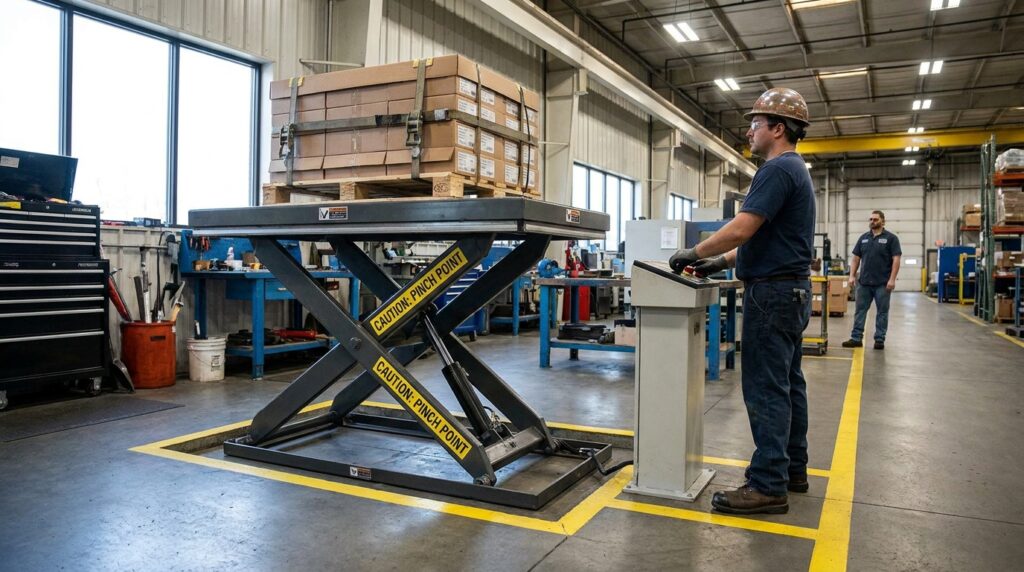
Hydraulic lift tables, by their design, involve moving parts that create significant pinch points. As the table platform rises and lowers, the scissor mechanism and the frame itself can trap body parts, tools, or materials. This is particularly hazardous during operation when personnel may be near the equipment, either loading, unloading, or performing maintenance. Even seemingly small gaps can cause severe crushing injuries.
Unexpected Movement and Load Instability
Malfunctions in the hydraulic system, electrical controls, or operator error can lead to unexpected platform movement. This could result in the load shifting or falling, posing a serious risk to nearby personnel and potentially damaging surrounding equipment or infrastructure. Overloading the table beyond its rated capacity is a primary contributor to load instability and catastrophic failure.
Mechanical Failure and Structural Integrity Issues
Like any mechanical equipment, hydraulic lift tables are subject to wear and tear. Components such as hydraulic cylinders, hoses, pumps, seals, and structural supports can degrade over time. Failure in any of these critical parts can lead to sudden platform collapse, leakage of hydraulic fluid, or other dangerous malfunctions. Regular inspection and timely maintenance are paramount to mitigating these risks.
Electrical Hazards
Many hydraulic lift tables are electrically powered. Faulty wiring, improper grounding, or exposure to wet environments can create electrical hazards, including shocks and fires. Ensuring that the electrical components are properly installed, maintained, and protected from environmental factors is crucial.
Environmental Factors and Site Conditions
The surrounding environment also contributes to safety. Uneven flooring, slippery surfaces, inadequate lighting, or obstructions around the lift table can all increase the risk of accidents. For example, operating a lift table on an uneven surface can lead to tilting, instability, and potential load shifting.
Implementing Robust Safety Protocols: A Multi-faceted Approach
Effective hydraulic lift table safety is not a single action but a comprehensive system encompassing training, operational procedures, engineering controls, and regular maintenance. At Fredon Handling, we advocate for a proactive approach that integrates these elements seamlessly into your operations.
Comprehensive Operator Training and Certification
The human element is arguably the most critical aspect of lift table safety. Every individual operating or working near a hydraulic lift table must receive thorough and ongoing training.
Initial Training Components
- Equipment Familiarization: Operators must understand the specific model of lift table they will be using, its controls, load capacity, and operational limits. This includes understanding the emergency stop functions.
- Hazard Identification: Training should explicitly cover the pinch points, potential for unexpected movement, overloading risks, and electrical hazards unique to their lift table.
- Safe Operating Procedures: Detailed instruction on proper loading and unloading techniques, movement control, and safe positioning is essential. This includes guidelines on how to maintain a safe distance from the moving platform.
- Emergency Procedures: Operators must know what to do in case of malfunction, power failure, or accident, including the location and operation of emergency stops and how to report incidents.
- Personal Protective Equipment (PPE): Training on the mandatory use of appropriate PPE, such as safety shoes, gloves, and eye protection, is vital.
Ongoing Training and Refresher Courses
Safety is not a one-time event. Regular refresher courses and periodic retraining are necessary to reinforce safe practices, introduce updates to equipment or procedures, and address any emerging safety concerns. This can include practical drills and scenario-based learning.
Certification and Documentation
Consider implementing a certification program for lift table operators. This not only ensures a documented level of competence but also instills a sense of responsibility. Maintain detailed records of all training sessions, including attendance and topics covered.
Establishing Strict Operational Procedures
Clear, documented, and consistently enforced operational procedures are the backbone of safe lift table use.
Pre-Operation Inspections (Pre-Use Checks)
Before each use, operators must conduct a thorough visual inspection. This should include:
- General Condition: Checking for any visible damage, loose parts, or leaks.
- Hydraulic System: Inspecting hoses for wear or damage, and checking the fluid level.
- Platform Stability: Ensuring the platform is secure and free from debris.
- Controls and Emergency Stops: Testing the functionality of all control buttons and the emergency stop mechanism.
- Surrounding Area: Verifying that the area around the lift table is clear of obstructions and that the flooring is stable.
Safe Loading and Unloading Practices
- Center the Load: Always ensure the load is centered on the platform to maintain stability and prevent uneven wear on the mechanism.
- Secure the Load: For unstable loads, use appropriate tie-downs or restraints to prevent shifting during elevation.
- Never Exceed Load Capacity: Strictly adhere to the manufacturer’s stated weight and load distribution limits. Overloading is a leading cause of accidents.
- Controlled Movement: Operate the lift table slowly and smoothly. Avoid sudden starts or stops.
- Clearance: Ensure sufficient overhead and side clearance before raising the platform.
During Operation Safety
- Maintain a Safe Distance: Operators and other personnel should maintain a safe distance from the moving platform during operation. Never place body parts within the scissor mechanism or under the platform while it’s in motion.
- No Riders: Absolutely no personnel should ever ride on the lift table platform.
- Controlled Descent: Lower the platform slowly and with full control. Be aware of any personnel or equipment beneath the descending platform.
Post-Operation Procedures
- Lower Platform: Always lower the platform to its lowest position when not in use, unless specific operational needs dictate otherwise (and even then, with added safety precautions). This minimizes the risk of accidental activation and accidental entrapment.
- Secure Equipment: If the lift table is parked in a pathway, consider securing it to prevent unauthorized use or movement.
- Report Issues: Any defects, malfunctions, or unusual noises observed during operation must be immediately reported to a supervisor for inspection and repair.
Engineering Controls and Safeguards
Beyond human procedures, robust engineering controls are essential for inherent safety. Fredon Handling offers a range of lift tables equipped with advanced safety features, and we strongly recommend incorporating these into your selection process.
Guarding and Barriers
- Scissor Mechanism Guarding: This is paramount. Flexible or rigid guards should cover the scissor mechanism to prevent accidental access to pinch points during operation. These guards should be robust and securely fastened.
- Perimeter Guarding (Optional but Recommended): For areas with high traffic or where there’s a higher risk of accidental contact, consider installing perimeter guarding or safety gates around the lift table footprint. These gates can be interlocked with the lift table’s controls, preventing operation if the gate is open.
Interlocks and Limit Switches
- Gate Interlocks: As mentioned, safety gates can be interlocked so the lift table cannot be operated unless the gates are closed and secured.
- Overload Protection: Many modern lift tables are equipped with overload sensors that will prevent operation or automatically shut down the system if the load capacity is exceeded.
- Limit Switches: These ensure the platform stops at its highest and lowest positions, preventing over-travel and potential damage or hazards.
Emergency Stop Buttons
Prominently located, easily accessible, and clearly labeled emergency stop buttons are non-negotiable. Operators must be trained on their location and how to activate them immediately in any emergency.
Warning Labels and Signage
All hydraulic lift tables should be clearly marked with:
- Load Capacity: The maximum safe working load.
- Manufacturer Information: For reference and support.
- Safety Warnings: Highlighting key hazards such as pinch points and the prohibition of riding the platform.
Regular Maintenance and Inspection Schedule
A proactive maintenance program is crucial for preventing mechanical failures and ensuring the ongoing safe operation of your hydraulic lift tables. Neglecting maintenance is a significant safety oversight.
Daily Checks (Operator Performed)
As part of the pre-operation inspection, operators should perform daily checks. This is a quick, visual assessment.
Weekly Inspections
A more detailed inspection should be conducted weekly by trained personnel. This can include:
- Hydraulic Fluid Level and Condition: Checking for leaks and ensuring the fluid is clean and at the correct level.
- Hose and Fitting Integrity: Inspecting for wear, cracks, or leaks.
- Structural Components: Checking for signs of wear, corrosion, or damage to the frame and platform.
- Scissor Mechanism: Inspecting pivot points for wear and ensuring proper lubrication.
- Electrical Connections: Verifying secure connections and checking for any signs of damage.
Monthly and Annual Professional Inspections
Beyond routine checks, periodic professional inspections by qualified technicians are vital. These inspections should involve:
- Thorough System Check: Including hydraulic pressure testing, pump performance, and seal integrity.
- Weld and Structural Integrity: Detailed examination of all load-bearing welds and structural components.
- Safety Device Functionality: Comprehensive testing of all safety interlocks, limit switches, and emergency stop mechanisms.
- Lubrication: Ensuring all moving parts are adequately lubricated according to the manufacturer’s specifications.
Lubrication Schedule
Adhering to the manufacturer’s recommended lubrication schedule is essential for smooth operation and preventing premature wear. Use only recommended lubricants.
Hydraulic Fluid Management
Regularly check and, if necessary, replace hydraulic fluid. Contaminated or degraded fluid can lead to system inefficiency and component failure. Dispose of used hydraulic fluid responsibly and in accordance with environmental regulations.
Selecting the Right Hydraulic Lift Table for Maximum Safety
The safety features of a hydraulic lift table are often built-in during the design and manufacturing phase. When purchasing new equipment, prioritize safety as a key selection criterion. Fredon Handling offers a diverse range of hydraulic lift tables, each designed with safety and functionality in mind.
Key Safety Features to Prioritize
- Robust Construction: Opt for tables built with high-quality materials and sturdy construction to ensure long-term reliability and prevent premature failure.
- Integrated Safety Guards: Look for models with fully integrated and effective guarding for scissor mechanisms.
- Overload Protection Systems: These are critical for preventing damage and accidents due to overloading.
- Pressure Relief Valves: These prevent over-pressurization of the hydraulic system, safeguarding against hose bursts or cylinder damage.
- Emergency Lowering Mechanism: In the event of power failure, a manual or auxiliary emergency lowering mechanism is crucial for safely bringing the platform down.
- Foot Guards/Sensors: Some advanced tables incorporate foot guards or sensors that will stop the descent if a foot or obstruction is detected beneath the platform.
- Ease of Maintenance Access: Equipment that is designed for easier access to maintenance points can encourage more frequent and thorough servicing.
Understanding Application-Specific Safety Needs
The intended application of the lift table will influence specific safety requirements.
- Cleanroom Environments: For pharmaceutical or electronics manufacturing, consider lift tables with materials and finishes that meet cleanroom standards and are easy to sanitize.
- Hazardous Environments: In areas with flammable materials or potential for explosive atmospheres, specialized intrinsically safe or explosion-proof electrical components may be required.
- High-Cycle Applications: For frequent, continuous use, durable components and robust safety features that can withstand repeated cycles are essential.
Fredon Handling’s expert team can assist you in selecting a hydraulic lift table that not only meets your material handling needs but also aligns with the highest safety standards for your specific operational environment. Explore our range of Hydraulic Lift Tables to find the ideal solution.
When considering the safety of hydraulic lift tables, it’s essential to stay informed about best practices to prevent accidents and ensure efficient operation. A related article that delves deeper into this topic can be found here, where you can explore expert insights and recommendations. By understanding these safety measures, operators can significantly reduce the risk of injuries and enhance workplace productivity. For more information, you can check out this valuable resource on hydraulic lift table safety.
Ensuring Compliance and Continuous Improvement
Safety is not static; it requires ongoing attention and adaptation.
Regulatory Compliance
Familiarize yourself with all relevant local, state, and federal regulations pertaining to material handling equipment, including OSHA standards in the United States. Ensuring compliance is not just a legal requirement but a fundamental aspect of a safe workplace.
Incident Reporting and Investigation
Establish a clear system for reporting all near misses and accidents, no matter how minor. Thoroughly investigate each incident to identify root causes and implement corrective actions to prevent recurrence. This data is invaluable for refining safety procedures.
Regular Safety Audits
Conduct periodic safety audits of your lift table operations. These audits should review training records, maintenance logs, operational procedures, and the physical condition of the equipment and its surrounding environment.
Promoting a Safety Culture
Foster a workplace culture where safety is everyone’s responsibility. Encourage open communication about safety concerns and empower employees to speak up without fear of reprisal. Leadership commitment to safety is paramount.
When considering the safety of hydraulic lift tables, it is essential to stay informed about best practices to ensure a secure working environment. A related article that provides valuable insights on this topic can be found at Fredon Handling, where you can explore additional safety measures and guidelines that complement the best practices for hydraulic lift table usage. By integrating these recommendations, you can enhance workplace safety and efficiency.
Frequently Asked Questions About Hydraulic Lift Table Safety
Q1: How often should hydraulic lift tables be inspected?
A1: Daily visual inspections by operators are mandatory before each use. Weekly inspections by trained personnel are recommended, along with monthly and annual comprehensive inspections by qualified technicians. The frequency may also depend on usage intensity and environmental conditions, as per manufacturer recommendations and regulatory guidelines.
Q2: What is the most common cause of hydraulic lift table accidents?
A2: The most common causes typically involve operator error (e.g., overloading, improper loading, riding the platform), mechanical failures due to lack of maintenance, and unexpected movement due to system malfunctions or improper operation. Pinch point entrapment is also a significant hazard.
Q3: Can I modify my existing hydraulic lift table to add safety features?
A3: While some minor modifications might be possible, it’s crucial to consult with the original manufacturer or a qualified engineer. Unapproved modifications can compromise the table’s structural integrity and safety certifications, and may void warranties. It’s often safer and more effective to invest in a new table with integrated safety features.
Q4: What PPE is essential when operating or working near a hydraulic lift table?
A4: Essential PPE typically includes steel-toed safety boots to protect against falling objects and foot entrapment, safety gloves to improve grip and protect hands, and safety glasses or goggles to shield eyes from debris. Depending on the specific environment, additional PPE like hard hats or high-visibility vests may be necessary.
Q5: What should I do if a hydraulic lift table malfunctions during operation?
A5: Immediately press the nearest emergency stop button. If safe to do so, clear the area around the lift table. Do not attempt to fix the malfunction yourself unless you are a qualified technician. Report the issue to your supervisor or maintenance department immediately.
Q6: Are there specific safety considerations for different types of loads?
A6: Yes. Unstable, fragile, or awkwardly shaped loads require extra care. Ensure they are properly secured to the platform with appropriate restraints before lifting. Always consider the load’s center of gravity to maintain stability. Consult the lift table’s manual for guidance on handling specific load types.
Conclusion: Prioritizing Safety with Fredon Handling
Hydraulic lift tables are vital assets for optimizing industrial workflows, but their safe operation is paramount. By understanding the inherent risks, implementing comprehensive training programs, establishing strict operational procedures, investing in robust engineering controls, and maintaining a diligent maintenance schedule, you can significantly mitigate the potential for accidents. Fredon Handling is committed to providing not just high-quality material handling equipment, but also the knowledge and support to ensure its safe and effective use.
We invite you to explore our extensive range of industrial material handling solutions, including our advanced hydraulic lift tables designed with safety at their core. Partner with Fredon Handling to elevate your operations while ensuring the well-being of your workforce. Contact us today for expert advice and to discuss your specific material handling safety needs.