
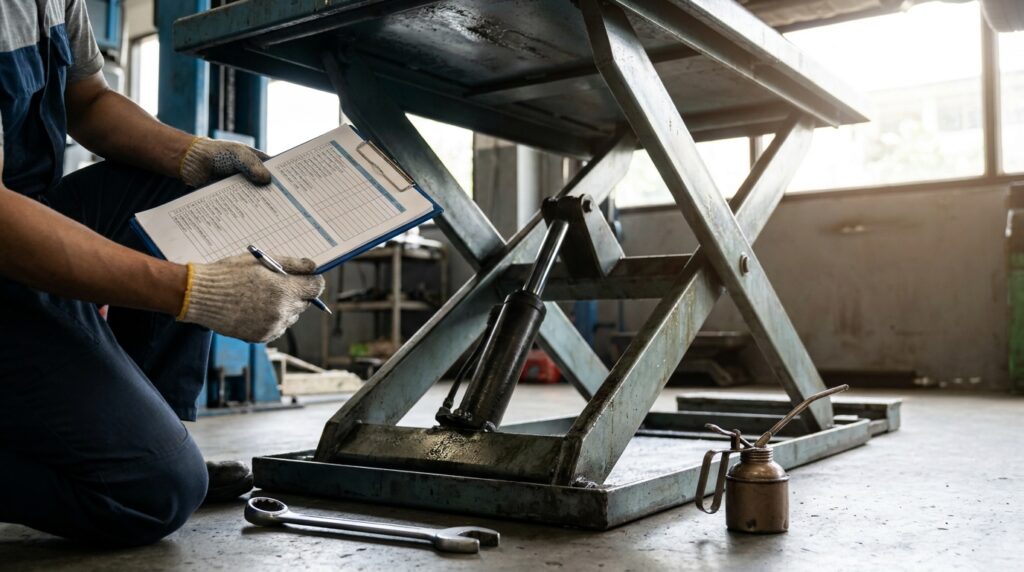
Mastering Operational Efficiency: A Comprehensive Hydraulic Lift Table Maintenance Checklist for Industrial Excellence
In the demanding landscape of industrial operations, efficiency, safety, and longevity are paramount. Hydraulic lift tables, the unsung workhorses of material handling, play a critical role in countless applications, from assembly lines and warehousing to manufacturing floors and loading docks. Their reliable performance, however, is not an innate guarantee. It’s a direct result of diligent, proactive maintenance. For industrial equipment buyers, sharp-eyed engineers, and pragmatic facility managers, understanding and implementing a robust hydraulic lift table maintenance checklist is not just good practice; it’s a strategic imperative. At Fredon Handling, we understand the critical importance of keeping your equipment running at peak performance. This comprehensive guide will equip you with the knowledge and a detailed checklist to ensure your hydraulic lift tables operate safely, efficiently, and reliably for years to come.
For those interested in ensuring the longevity and optimal performance of hydraulic lift tables, it’s essential to follow a comprehensive maintenance checklist. A related article that provides valuable insights and tips on this topic can be found at Fredon Handling Projects. This resource offers practical guidance on maintaining hydraulic systems, which can help prevent costly repairs and enhance safety in the workplace.
Understanding the Mechanics: Why Regular Maintenance is Non-Negotiable
Hydraulic lift tables are sophisticated pieces of machinery, relying on a complex interplay of hydraulic power, mechanical components, and electrical systems. Neglecting their upkeep can lead to a cascade of detrimental effects, impacting not only productivity but also personnel safety and operational costs.
The Silent Threats of Neglect
- Reduced Performance and Efficiency: Over time, wear and tear, contamination, and fluid degradation can lead to slower lifting speeds, erratic movements, and an inability to reach full height. This directly translates to increased cycle times, bottlenecks in production, and wasted energy.
- Premature Equipment Failure: Small issues, if left unaddressed, can escalate into significant failures. Leaks, worn seals, or damaged components can cause system-wide malfunctions, leading to costly downtime and expensive repairs or premature replacement of the entire unit.
- Safety Hazards: A poorly maintained lift table is a ticking time bomb. Malfunctioning safety features, sudden drops, or unstable platforms can result in severe injuries to operators and damage to goods.
- Increased Operating Costs: Beyond repair bills, neglecting maintenance can lead to higher energy consumption due to inefficient operation, increased waste from damaged products, and the cost of lost production time.
The Power of Proactive Care
A well-executed maintenance program, guided by a detailed checklist, offers a proactive solution to these threats. It transforms reactive repairs into preventative strategies, ensuring:
- Consistent and Reliable Operation: Regularly inspected and serviced lift tables perform as intended, minimizing downtime and ensuring smooth material flow.
- Enhanced Safety Standards: Functioning safety mechanisms, stable platforms, and clear operating procedures are the cornerstones of a safe working environment.
- Extended Equipment Lifespan: Proper lubrication, fluid management, and component replacement significantly extend the operational life of your investment.
- Optimized Cost Management: Preventative maintenance is almost always more cost-effective than emergency repairs and the associated downtime.
The Ultimate Hydraulic Lift Table Maintenance Checklist: A Room-by-Room Inspection
This checklist is designed to be comprehensive, covering all critical aspects of hydraulic lift table maintenance. We’ve broken it down into logical sections for ease of use. Remember to adapt this checklist to your specific lift table model and operating environment.
H2: Pre-Operational Checks: The First Line of Defense
Before the first lift of the day, a quick but thorough inspection can catch minor issues before they become major problems. This is the responsibility of the daily operator.
Visual Inspection of the Platform and Structure
- Platform Surface: Check for any visible damage, such as dents, cracks, or excessive wear. Ensure the surface is free of debris, oil, or water that could cause slips.
- Platform Edges and Guards: Inspect all edges for damage or deformation. Ensure safety edge sensors (if equipped) are clean, unobstructed, and appear functional. Verify that any protective guards are in place and secure.
- Structural Integrity: Look for any signs of bending, warping, or corrosion on the lift table’s frame, scissor arms, and supports. Pay close attention to weld points for any visible cracks.
Hydraulic System Visual Inspection
- Fluid Leaks: Carefully examine all hydraulic hoses, fittings, cylinders, and the reservoir for any signs of oil leaks. Even small seeps can indicate a developing problem. Wipe down any suspect areas to monitor for new drips.
- Reservoir Fluid Level: Locate the hydraulic fluid reservoir. Check the sight glass to ensure the fluid level is within the recommended range. Low fluid levels can lead to pump cavitation and inefficient operation.
Operational Controls and Safety Features
- Control Panel: Visually inspect the control pendant or panel for any damage to buttons, switches, or the casing.
- Emergency Stop Button: Confirm the emergency stop button is clearly visible, accessible, and appears functional.
- Up/Down Controls: Briefly operate the controls to ensure the lift table moves smoothly in both directions. Listen for any unusual noises.
H2: Weekly Maintenance: Deepening the Inspection
This section delves into more detailed checks that can be performed weekly, or more frequently in high-usage environments. This is typically performed by trained maintenance personnel or designated operators with specific training.
Hydraulic System Deep Dive
- Hydraulic Fluid Condition: Beyond the level, assess the condition of the hydraulic fluid. Look for discoloration (darkening or clouding) which can indicate contamination or degradation. Check for the presence of particulate matter. If the fluid appears suspect, consider a sample for laboratory analysis.
- Hose and Fitting Integrity: Gently flex hydraulic hoses to check for signs of cracking, chafing, or hardening. Ensure all fittings are securely tightened and show no signs of leakage.
- Cylinder Condition: Examine the hydraulic cylinder for any signs of pitting, scoring, or damage to the rod or seals. Ensure the cylinder retracts fully and extends smoothly without binding.
Mechanical Components Inspection
- Pivot Points and Bearings: Lubricate all pivot points, bearings, and moving parts according to the manufacturer’s specifications. Check for excessive wear or play in these components. Loose or worn bearings can cause instability.
- Scissor Mechanism: Inspect the scissor arms for any signs of bending, twisting, or wear on the contact surfaces. Ensure the arms move freely and are properly aligned.
- Rollers and Guide Wheels: If your lift table uses rollers or guide wheels, inspect them for wear, damage, or flat spots. Ensure they are properly lubricated and rotate freely.
Electrical System and Controls
- Wiring and Connections: Visually inspect all electrical wiring for any signs of fraying, damage, or loose connections. Ensure all junction boxes are securely closed.
- Motor and Pump: Listen to the motor and hydraulic pump during operation. Any unusual noises, such as grinding, whining, or rattling, could indicate a problem. Check for overheating.
- Limit Switches and Sensors: If equipped, test all limit switches and sensors to ensure they are functioning correctly and stopping the lift at the appropriate heights.
Safety Features Verification
- Safety Locks/Propping Devices: If your lift table has manual safety locks or propping devices for maintenance, ensure they are in good working order and easily deployable.
- Overload Protection: If applicable, confirm the overload protection system is functioning. This may involve checking indicators or performing a controlled test within safe parameters.
- Bumpers and Guards: Ensure all protective bumpers and guards are securely in place and free from damage.
For those looking to ensure the longevity and efficiency of their hydraulic lift tables, a comprehensive maintenance checklist is essential. To complement this, you may find the article on Hydraulic Equipment Safety Tips particularly useful, as it provides valuable insights into safe operating practices and preventative measures that can enhance the performance of your lift tables. By integrating both resources, you can create a robust maintenance routine that prioritizes safety and functionality.
H2: Monthly and Quarterly Maintenance: Scheduled Servicing
These more in-depth checks and servicing tasks are crucial for long-term reliability and should be scheduled regularly.
Hydraulic Fluid Filtration and Replacement
- Filter Inspection and Replacement: Hydraulic filters are vital for removing contaminants. Inspect the hydraulic filter element for signs of blockage or excessive dirt. Replace the filter element as per the manufacturer’s recommended interval or if inspection indicates it’s necessary. For critical applications, consider installing a filter bypass indicator.
- Hydraulic Fluid Analysis: Consider sending a sample of your hydraulic fluid for laboratory analysis. This can reveal critical information about fluid degradation, contamination (water, particles), and potential wear in internal components. The analysis results can guide proactive interventions.
- Scheduled Fluid Change: Based on operating hours, fluid analysis, and manufacturer recommendations, schedule a complete hydraulic fluid change. Always use the specified type and viscosity of hydraulic fluid recommended by the lift table manufacturer.
Thorough Mechanical Inspection and Lubrication
- Component Wear Assessment: This is a good time for a more detailed assessment of wear on critical mechanical components like cylinder rods, seals, bushings, and scissor arm contact points. Document any significant wear.
- Deep Lubrication: Apply lubrication to all designated points, ensuring proper application and type of lubricant. Excess lubricant can attract dirt, so proper application is key.
Structural Integrity and Fastener Checks
- Bolt and Fastener Tightness: Systematically check and tighten all bolts, nuts, and fasteners on the lift table’s frame, legs, and structural components. Vibration can loosen these over time, compromising stability.
- Weld Inspections: Perform a detailed visual inspection of all welds for any signs of cracking, porosity, or weakness.
Electrical System Diagnostics
- Motor and Pump Performance Monitoring: Track motor amperage draw and pump pressure during operation. Deviations from baseline readings can indicate developing issues.
- Control System Calibration: Verify that limit switches and control system parameters are calibrated correctly for optimal performance and safety.
H2: Annual Maintenance: The Major Overhaul
This is the most comprehensive service, often requiring a professional technician. It’s an opportunity to address potential long-term issues and ensure the equipment is in prime condition for the next year.
Full Hydraulic System Service
- Hydraulic Cylinder Inspection and Seal Replacement: Disassemble and thoroughly inspect hydraulic cylinders for internal wear, scoring, or damage. Replace all seals and O-rings within the cylinders. This is a critical preventative measure against leaks and system failure.
- Hydraulic Pump Inspection: Inspect the hydraulic pump for wear, noise, or performance issues. Depending on the pump type and condition, minor repairs or replacement might be necessary.
- Valve System Check: Inspect and clean any hydraulic control valves. Ensure they operate smoothly and without sticking.
Comprehensive Mechanical Overhaul
- Bearing Replacement: Consider replacing bearings, especially in high-cycle applications, to prevent premature failure and maintain smooth operation.
- Wear Part Replacement: Identify and replace any components exhibiting significant wear, such as bushings, guide pads, or pivot pins, even if they haven’t completely failed.
- Structural Reinforcement (If Needed): Address any minor structural damage, such as minor bends or corrosion, to prevent escalation.
Electrical System Overhaul
- Motor Service: Depending on the motor type, this might involve cleaning, checking brushes, and general servicing.
- Control Panel Refurbishment: Clean and inspect the control panel components. Replace any worn or damaged switches, buttons, or indicators.
Safety Systems Recalibration and Testing
- Full System Safety Test: Conduct a complete test of all safety features, including emergency stops, safety interlocks, and any secondary safety systems.
- Load Testing (If Applicable and Safe): If the lift table is designed for specific load capacities, consider a controlled load test to verify its performance under load and ensure safety systems function correctly. This should only be performed by qualified personnel following strict safety protocols.
H2: Essential Safety Tips for Lift Table Maintenance
Safety is paramount during any maintenance activity. Never compromise on safety procedures.
- Lockout/Tagout Procedures: Always implement strict lockout/tagout (LOTO) procedures before commencing any maintenance. Disconnect all power sources and ensure the lift table cannot be accidentally energized.
- Secure the Platform: If working beneath the platform, always use approved safety props or chocks to prevent accidental descent. Never rely solely on hydraulic pressure to hold the platform up.
- Use Appropriate PPE: Wear appropriate personal protective equipment, including safety glasses, gloves, and safety shoes. If working with hydraulic fluids, use fluid-resistant gloves and take precautions against skin contact.
- Qualified Personnel: Ensure that only trained and qualified personnel perform maintenance tasks, especially those involving hydraulic or electrical systems.
- Manufacturer’s Manual: Always refer to the specific manufacturer’s operation and maintenance manual for your lift table model. It contains vital information regarding specific procedures, lubrication points, and recommended parts.
- Cleanliness is Key: Maintain a clean workspace. Spilled hydraulic fluid or debris can create slip hazards and contaminate hydraulic systems.
H2: Choosing the Right Hydraulic Lift Table for Your Needs
While this guide focuses on maintenance, selecting the right lift table from the outset is crucial for minimizing maintenance burdens and maximizing operational efficiency. Fredon Handling offers a wide range of high-quality hydraulic lift tables designed for various industrial applications. Consider these factors:
- Capacity and Height Requirements: Accurately assess the weight of the materials you’ll be lifting and the maximum height needed.
- Application and Environment: Will the lift table be used in a cleanroom, a dusty manufacturing environment, or outdoors? This influences material choices and sealing requirements.
- Ergonomics and Operator Comfort: For operator-intensive tasks, consider features like foot controls, ease of access, and platform size.
- Safety Features: Prioritize models with robust safety features that align with your facility’s safety standards.
- Durability and Build Quality: Invest in equipment built to withstand the rigors of industrial use. Fredon Handling’s products are known for their robust construction and reliability.
- Ease of Maintenance: While all equipment requires maintenance, some designs are inherently easier to service than others.
Explore Fredon Handling’s extensive selection of Hydraulic Lift Tables to find the perfect fit for your operational needs.
H2: Frequently Asked Questions about Hydraulic Lift Table Maintenance
Q1: How often should I perform basic visual inspections of my hydraulic lift table?
A1: Basic visual inspections should be performed daily, ideally before the first use of the day. This simple check can identify immediate issues that could lead to larger problems or safety concerns.
Q2: What is the most common cause of hydraulic lift table failures?
A2: The most common causes of hydraulic lift table failures are contamination of the hydraulic fluid, worn seals leading to leaks, and lack of regular lubrication of mechanical components. Neglecting preventative maintenance is the overarching factor.
Q3: Can I use any hydraulic fluid in my lift table?
A3: No, it is crucial to use only the specific type and viscosity of hydraulic fluid recommended by the lift table manufacturer. Using the wrong fluid can lead to seal damage, pump malfunction, and reduced performance. Always consult your owner’s manual.
Q4: What are the signs that my hydraulic fluid needs to be changed?
A4: Signs that your hydraulic fluid needs changing include a darkened or cloudy appearance, a burnt smell, visible particulate matter, or if a laboratory analysis indicates degradation or contamination. Regular fluid analysis is the most reliable method.
Q5: How do I know if my lift table is overloaded?
A5: Most hydraulic lift tables have a clearly marked maximum weight capacity. Exceeding this capacity is dangerous and can cause structural damage and system failure. Some advanced models may have overload warning indicators. If you suspect overloading, cease operation and inspect the unit.
Q6: Is it safe to work under a raised hydraulic lift table?
A6: It is never safe to work directly under a raised hydraulic lift table that is only supported by its hydraulic system. Always use approved safety props, chocks, or support stands designed for this purpose before entering the underside of the lift table. Always follow lockout/tagout procedures.
Your Partner in Operational Excellence
Implementing a rigorous hydraulic lift table maintenance checklist is a proactive investment in your facility’s safety, efficiency, and profitability. At Fredon Handling, we are committed to providing not only top-tier equipment but also the support and knowledge you need to keep your operations running smoothly. Regular, systematic maintenance, guided by a comprehensive checklist, is the cornerstone of achieving peak performance from your hydraulic lift tables.
Don’t let preventable issues disrupt your workflow. Empower your maintenance teams with the tools and knowledge to keep your hydraulic lift tables in optimal condition.
For expert advice on lift table selection, maintenance best practices, or to explore our range of durable and reliable material handling solutions, visit Fredon Handling at fredonhandling.com or contact our knowledgeable sales team today. Let us help you lift your productivity to new heights.