
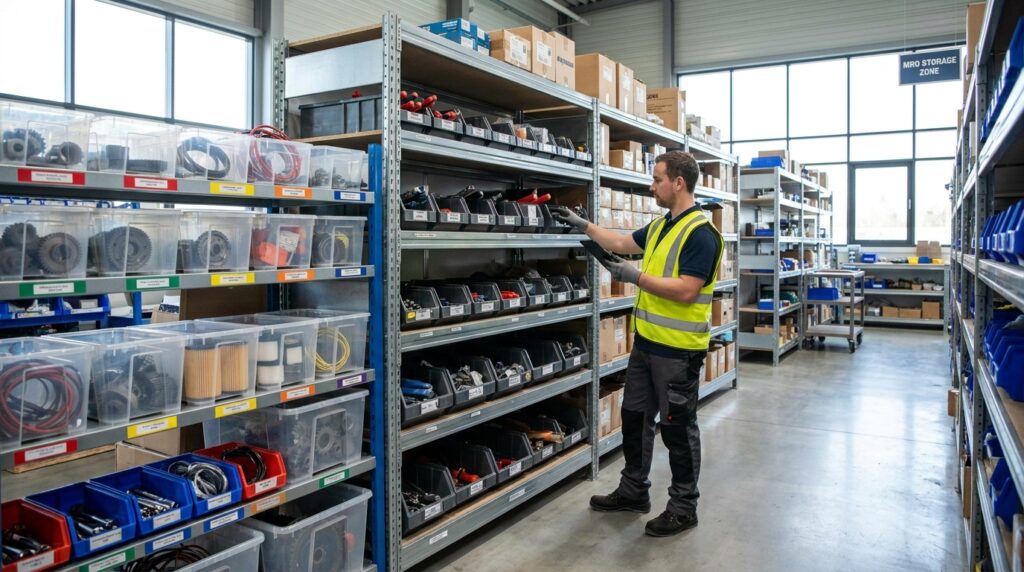
Why Your MRO Inventory Storage Matters More Than You Think
Think about it: when a critical piece of equipment breaks down, what’s the first thing your maintenance team needs? Not a pep talk, not a lengthy procedure, but the right part, ready and waiting. That’s where effective MRO (Maintenance, Repair, and Operations) inventory storage comes in. It’s not just about shoving boxes onto shelves; it’s a strategic process that directly impacts your plant’s uptime, efficiency, and even your bottom line. Poor storage can lead to delays, wasted money on expired or damaged parts, and frustrated technicians. Good storage, on the other hand, streamlines operations, minimizes downtime, and keeps your machinery running smoothly. This isn’t a glamorous part of maintenance, but it’s a foundational one. Getting it right means your team can focus on fixing things, not hunting for them.
For those interested in optimizing MRO inventory storage within maintenance departments, a related article that delves deeper into effective strategies and solutions can be found at Fredon Handling Projects. This resource offers valuable insights into best practices and innovative approaches that can enhance inventory management, streamline operations, and ultimately improve maintenance efficiency.
Organizing for Efficiency: The Foundation of Smart MRO Storage
The heart of any successful MRO inventory storage system is organization. Without a clear, logical structure, even the best intentions can lead to chaos. This isn’t about creating a sterile, museum-like environment; it’s about making it easy for your team to find what they need, when they need it, quickly and without fuss. This directly translates to faster repairs, less downtime, and a more productive maintenance department. When your storage is well-organized, you’re not just storing parts; you’re storing efficiency.
Strategic Space Planning: Making Every Square Foot Count
Before you even think about bins and shelves, you need to consider the space you have. Is it being used effectively? Are there bottlenecks? Planning your layout is crucial. Think about the flow of parts from receiving to the stockroom, and then out to the technicians. High-demand items should be easily accessible. Think about the physical size and weight of the items you store. Large, heavy items need different storage solutions than small, delicate ones. Consider vertical space – shelves and racking can dramatically increase your storage capacity without taking up more floor area. Also, think about accessibility for forklifts or pallet jacks if you handle bulk items. Every inch of space should serve a purpose, and its placement should be logical for your workflow.
Categorization and Labeling: The Language of Your Inventory
How do you make sense of it all? Through smart categorization and clear labeling. Parts should be grouped logically. Common methods include grouping by equipment type (e.g., all pump parts together), by function (e.g., all fasteners, all electrical components), or by manufacturer. Once categorized, everything needs a clear, consistent label. This isn’t just a part number; it should include a description, the location, and potentially a reorder point. Use durable, easy-to-read labels that can withstand the warehouse environment. Think about color-coding for different categories or urgency levels. The goal is that anyone walking into the stockroom can understand what’s where at a glance, reducing reliance on a single “expert” who knows everything.
Zone Management: Creating Order within the Chaos
Divide your storage area into distinct zones. This could be based on the categories you’ve established, or by the type of storage needed. For example, you might have a zone for bulk items, a zone for small parts in bins, a dedicated area for hazardous materials, and a temperature-controlled zone for sensitive components. Within each zone, maintain the same principles of categorization and labeling. This approach breaks down a large, potentially overwhelming space into manageable sections, making it easier to navigate and maintain. It also helps in quickly identifying where a specific item should be or where it belongs after use.
Inventory Control Systems: More Than Just Counting
Managing your MRO inventory isn’t just about knowing what you have; it’s about knowing how much you need, when you need it, and how much it costs. This is where inventory control systems come into play. These systems, whether simple spreadsheets or sophisticated software, are the backbone of efficient MRO storage. They provide the visibility and data needed to make informed decisions, preventing both stockouts and overstocking.
Choosing the Right System: From Spreadsheets to Software
The “right” system depends on the size and complexity of your operation. For very small businesses, a well-managed spreadsheet might suffice. However, as your inventory grows, so does the risk of errors and inefficiency. Dedicated inventory management software offers significant advantages. These systems can automate reordering, track usage history, provide real-time stock levels, integrate with purchasing and accounting, and generate reports that highlight trends and potential cost savings. When choosing, consider features like ease of use, scalability, integration capabilities, and reporting functions. The upfront investment in good software often pays for itself quickly through reduced waste and improved efficiency.
Stock Rotation and Expiration Management: Preventing Waste
Many MRO parts have a shelf life or can degrade over time. Implementing a strict stock rotation system is vital. The “First-In, First-Out” (FIFO) principle should be standard practice. This means older stock is used before newer stock. Clearly marking items with receiving dates or expiration dates is essential. Regularly review your inventory for items nearing their expiration or those that have been on the shelf for an extended period. Consider using these older items in training or for less critical applications if possible. Proactive management of expiration dates prevents the costly disposal of unusable parts.
Cycle Counting and Audits: Keeping Data Accurate
Regular cycle counting and physical audits are non-negotiable for maintaining accurate inventory data. Cycle counting involves counting small subsets of inventory on a rotating schedule, rather than a full physical inventory count which can be disruptive. This allows for ongoing verification of stock levels. Audits, on the other hand, are more comprehensive checks to ensure the system is working as intended and that data integrity is maintained. Discrepancies should be investigated immediately to understand the root cause – was it a receiving error, a misplacement, or a system issue? Accurate data is the foundation of all other inventory control activities.
Reorder Points and Safety Stock: The Art of Just Enough
Determining the right reorder points and safety stock levels is a delicate balance. Reorder points are the inventory levels at which you should place a new order. Safety stock is extra inventory held to buffer against unexpected demand fluctuations or supply chain disruptions. These levels are not static; they should be calculated based on lead times, usage rates, and the criticality of the item. Overly high safety stock ties up capital, while insufficient safety stock risks stockouts. Regularly reviewing and adjusting these points based on historical data and changing operational needs is crucial.
Storage Solutions and Equipment: Investing in the Right Tools
The physical storage of your MRO inventory requires the right tools and equipment. This isn’t about buying the cheapest options; it’s about investing in solutions that are appropriate for the items you store, your space, and your workflow. The right equipment can enhance safety, improve accessibility, and maximize storage density.
Shelving and Racking Systems: Maximizing Vertical Space
Shelving and racking are fundamental. For small parts, bin shelving systems are ideal. These can be open or closed, and the bins themselves can be modular and stackable. For heavier or bulkier items, heavy-duty pallet racking or cantilever racks are necessary. Cantilever racks are particularly useful for long items like pipes or lumber. When selecting shelving and racking, consider the weight capacity, adjustability, and ease of assembly. Ensure it’s installed securely and can handle the demands of your environment. Don’t forget about the importance of safety, like aisle width and visibility.
Bins, Totes, and Containers: Containing the Small Stuff
For organizing smaller components, bins, totes, and containers are essential. They keep items together, prevent loss, and make them easy to identify. Choose bins that are durable, stackable, and the right size for the items they will hold. Clear plastic bins can be helpful for visibility, but opaque ones can protect contents from light or dust. Labeling is paramount for bins – ensure the labels are clear and securely attached. Consider the material of the bins if you’re storing sensitive items that could be damaged by static electricity or chemicals.
Specialized Storage: For Unique Needs
Some MRO items require specialized storage. This could include:
- Temperature-controlled storage: For lubricants, sealants, or electronic components that are sensitive to heat or cold.
- Hazardous material storage: Cabinets designed for flammable liquids or corrosive chemicals, meeting regulatory requirements for safety and containment.
- Lockable storage: For high-value or critical spare parts to prevent unauthorized access or theft.
- Drawer systems: For precision tools or small, intricate parts that need protection and easy access.
Identifying these unique needs and investing in appropriate solutions is key to preserving the integrity and usability of these critical items.
Material Handling Equipment: Moving Things Safely and Efficiently
The efficient movement of inventory within your storage area is just as important as how it’s stored. This includes:
- Pallet jacks and forklifts: For moving palletized goods. Ensure operators are trained and equipment is regularly maintained.
- Hand trucks and dollies: For smaller, individual items.
- Order pickers and lift trucks: For accessing higher shelves in taller racking systems.
The right material handling equipment not only speeds up processes but also significantly reduces the risk of injury to your staff and damage to the inventory itself.
In the realm of effective maintenance management, understanding MRO inventory storage is crucial for optimizing operations. For those looking to enhance their knowledge further, a related article on the best practices for maintenance departments can be found at Fredon Handling. This resource provides valuable insights that can help streamline inventory processes and improve overall efficiency in maintenance operations.
Security and Safety: Protecting Your Assets and Your People
Your MRO inventory represents a significant investment. Protecting it from theft, damage, and environmental hazards is crucial. Equally important is ensuring the safety of your personnel who interact with the inventory and the storage area. A well-secured and safe storage environment is not a luxury; it’s a necessity.
Preventing Theft and Unauthorized Access
Implementing security measures is vital. This can include:
- Controlled access: Limiting who has access to the stockroom, perhaps with keycard entry or a sign-in/sign-out log.
- Surveillance: Installing security cameras in and around the storage area.
- Inventory tracking: Robust systems make it harder to remove items without detection.
- Regular audits: As mentioned before, audits can help identify discrepancies quickly.
For high-value items, consider lockable cabinets or cages within the main storage area. A secure inventory is a protected inventory.
Fire Prevention and Safety Measures
Fire is a significant risk in any storage environment, especially with various materials present. Basic fire safety measures include:
- Fire extinguishers: Ensuring they are readily accessible, clearly marked, and regularly inspected. Staff should be trained on their use.
- Clear fire exits and aisles: Maintaining unobstructed pathways to exits is critical for evacuation.
- Proper storage of flammables: Adhering to regulations for storing flammable liquids and materials in designated, safe areas.
- Electrical safety: Ensuring all electrical equipment and wiring within the storage area is in good condition and up to code.
Regular inspections and adherence to fire safety regulations are non-negotiable.
Ergonomics and Accident Prevention
The physical handling of MRO parts can lead to strains and injuries if not managed properly. Consider:
- Ergonomic equipment: Using lifting aids, adjustable height shelving, and well-maintained material handling equipment to reduce physical strain.
- Training: Providing training on proper lifting techniques and safe operation of equipment.
- Clear pathways: Ensuring aisles are free of obstructions to prevent trips and falls.
- Good lighting: Adequate lighting improves visibility, reducing the risk of accidents and making it easier to identify parts.
- Spill containment: Having procedures and materials in place to quickly and safely clean up spills, especially of oils or chemicals.
A focus on ergonomics and accident prevention not only protects your team but also reduces lost workdays and associated costs.
Environmental Controls: Protecting Sensitive Components
Certain MRO parts, like electronic components, lubricants, or sealants, are sensitive to environmental conditions. Factors like temperature, humidity, and dust can degrade these items and render them unusable. Implementing environmental controls, such as:
- Temperature and humidity monitoring: Using sensors to track these conditions and taking corrective action if they fall outside acceptable ranges.
- Cleanliness: Regularly cleaning the storage area to minimize dust accumulation.
- Sealed containers: Storing sensitive items in sealed, appropriate containers.
Protecting these items from environmental damage ensures their longevity and reliability when they are needed for a repair.
Effective MRO inventory storage is crucial for maintenance departments to ensure operational efficiency and minimize downtime. For those looking to enhance their inventory management strategies, a related article on optimizing storage solutions can provide valuable insights. By implementing best practices highlighted in this resource, maintenance teams can streamline their processes and improve accessibility. To explore innovative storage options that can further support your maintenance operations, check out this informative article on MRO inventory solutions.
Continuous Improvement: The Key to Long-Term MRO Storage Success
MRO inventory storage isn’t a set-it-and-forget-it task. It requires ongoing attention and a commitment to improvement. What works today might need adjustment tomorrow as your operations evolve, new equipment is introduced, or supply chains change. Embracing a mindset of continuous improvement will ensure your MRO storage remains effective and efficient over the long term.
Data Analysis and Performance Metrics
Your inventory control system generates a wealth of data. Regularly analyzing this data is crucial. Look at:
- Inventory turnover rate: How quickly are you selling through your stock? A low turnover rate might indicate overstocking.
- Stockout frequency and duration: How often are you running out of critical parts, and for how long? This highlights areas where safety stock or reorder points need adjustment.
- Cost of carrying inventory: This includes warehousing costs, obsolescence, and capital tied up.
- Usage patterns: Identifying which parts are used most frequently can help optimize their placement and ensure sufficient stock.
Tracking these metrics provides objective insights into the performance of your storage system and points to areas needing attention.
Regular Reviews and Process Updates
Schedule regular reviews of your MRO storage processes. This could be quarterly or semi-annually. Involve your maintenance team in these reviews. They are the ones using the inventory daily and can offer invaluable practical feedback.
- Are the current labeling systems still effective?
- Are there new parts or equipment that require different storage solutions?
- Are there any bottlenecks in the receiving or issuing process?
- Are safety procedures being followed consistently?
Based on these reviews, update your processes, procedures, and even your storage layout or equipment as needed.
Embracing Technology and Innovation
The world of inventory management technology is constantly evolving. Stay informed about new solutions that could benefit your operation. This might include:
- Barcode or RFID scanning: To speed up receiving, issuing, and cycle counting processes, and to improve accuracy.
- Warehouse Management Systems (WMS): More advanced systems that can optimize space, direct picking routes, and provide real-time visibility.
- Predictive analytics: Using AI and machine learning to forecast demand and identify potential part failures before they happen, allowing for proactive inventory adjustments.
While not every innovation is suitable for every operation, being open to exploring and adopting relevant technologies can lead to significant improvements in efficiency and cost savings.
Training and Team Engagement
Your maintenance team is on the front lines of MRO inventory. Ensuring they are well-trained on the storage system, procedures, and safety protocols is critical. Encourage their participation in the continuous improvement process. When your team feels engaged and understands the importance of proper MRO storage, they are more likely to adhere to best practices and contribute valuable insights. A well-trained and engaged team is the most powerful asset in maintaining an efficient and effective MRO inventory storage system.