
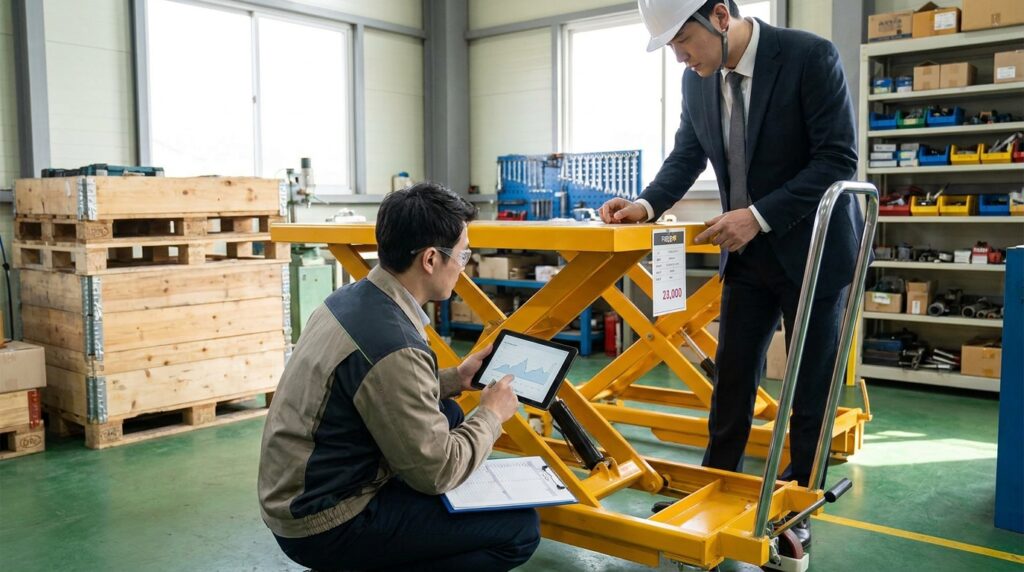
Understanding the Investment: A Comprehensive Guide to Hydraulic Lift Table Costs and Buying Factors
Navigating the world of industrial equipment procurement demands a keen understanding of both operational needs and budgetary considerations. For businesses reliant on efficient material handling, a hydraulic lift table represents a significant investment, promising enhanced productivity, improved ergonomics, and greater workplace safety. However, the cost of these essential machines can vary considerably, making a thorough examination of the factors influencing their price and the criteria for selection paramount. This in-depth guide from Fredon Handling aims to equip industrial equipment buyers, engineers, and facility managers with the knowledge necessary to make informed decisions, ensuring they acquire the right hydraulic lift table for their specific applications while optimizing their return on investment.
When considering the costs and buying factors for hydraulic lift tables, it’s essential to explore various resources that provide comprehensive insights. A related article that delves deeper into the specifics of hydraulic lift table costs and the key considerations for purchasing can be found at Fredon Handling’s Education Center. This resource offers valuable information that can help you make informed decisions when investing in hydraulic lift tables for your business needs.
## The Core Costs: Deconstructing Hydraulic Lift Table Pricing
The price tag on a hydraulic lift table isn’t a simple sum; it’s a complex interplay of design, materials, functionality, and manufacturing processes. Understanding these core cost drivers is the first step in budgeting effectively and identifying potential value.
### Standard vs. Customization: The Impact on Price
The most significant differentiator in hydraulic lift table pricing often lies in the choice between a standard, off-the-shelf model and a fully customized solution.
- Standard Models: These are pre-engineered, mass-produced units designed to meet common industrial needs. They offer a predictable cost structure and quicker delivery times. Their pricing is generally lower due to economies of scale in manufacturing and standardized component sourcing. For example, a basic single-scissor hydraulic lift table designed for general pallet lifting will be significantly less expensive than a highly specialized unit. These are often ideal for straightforward applications where specific dimensional constraints or unique operational requirements are not a primary concern.
- Customized Solutions: When standard models fall short, customization becomes essential. This involves tailoring the lift table’s dimensions, lifting capacity, stroke length, platform configuration, power source, safety features, and even its integration with existing automation systems. Each modification adds to the engineering and manufacturing effort, directly impacting the final cost. For instance, a custom-built, low-profile lift table with a corrosion-resistant stainless steel platform and explosion-proof controls for a hazardous environment will command a higher price than a standard model. The benefits of customization – precise fit, optimal performance, and enhanced safety – often justify the increased investment for specialized industrial environments. Fredon Handling excels in providing both standard solutions and bespoke engineering to meet unique client needs, ensuring you find the perfect fit.
### Capacity and Size: The Foundation of Cost
The fundamental specifications of a hydraulic lift table – its lifting capacity and platform size – are direct determinants of material and component costs.
- Lifting Capacity: This refers to the maximum weight the lift table can safely elevate. Higher capacity tables require more robust hydraulic cylinders, stronger frame construction, heavier-duty structural components, and more powerful hydraulic power units. For example, a lift table rated for 5,000 lbs will inherently be more expensive than one rated for 1,000 lbs due to the reinforced steel and more potent hydraulic system required. This is a critical factor for safety and longevity; under-specifying capacity can lead to premature failure and dangerous situations.
- Platform Size and Configuration: The dimensions of the lift table’s platform directly influence the amount of steel and fabrication required. Larger platforms generally mean more material and more complex welding and assembly. Furthermore, specialized platform configurations, such as those with turntables, tilt functions, or cutouts for specific machinery, add engineering complexity and manufacturing steps, thus increasing the cost. A standard rectangular platform will be less expensive than a custom-shaped platform designed to accommodate a particular product or piece of equipment.
### Hydraulic System Components: The Power Behind the Lift
The hydraulic system is the heart of any lift table, and the quality and complexity of its components significantly affect cost.
- Power Unit: This includes the electric motor, hydraulic pump, reservoir, and control valves. Higher horsepower motors, more efficient pumps, and sophisticated valve systems (e.g., proportional valves for precise speed control) increase the overall cost. The choice between single-phase and three-phase power also influences pricing, with three-phase typically being more robust for industrial applications.
- Cylinders: The number, size, and type of hydraulic cylinders are crucial. A single-cylinder design might be sufficient for lighter loads, while multi-cylinder configurations or larger bore cylinders are necessary for higher capacities, contributing to increased material and manufacturing costs. Cylinder seals and rod materials also play a role, with options like chrome plating or specialized seals adding to the price but enhancing durability and performance in harsh environments.
### Power Source and Control Systems: Functionality and Precision
The energy source and the sophistication of the control system play a vital role in both the initial purchase price and the long-term operational efficiency.
- Power Source: While electric hydraulic lift tables are most common, other options exist. Pneumatic or even manual hydraulic systems might have different cost profiles, though electric remains the industry standard for robust industrial applications. The voltage and phase of the electrical supply required can also influence component selection and cost.
- Control Systems: Basic push-button controls are the most economical. However, more advanced control options can significantly impact the price. These include:
- Integrated Controls: Controls built directly into the lift table’s frame for ease of use and a cleaner aesthetic.
- Remote Controls: Allowing operation from a distance, enhancing safety in certain scenarios.
- Programmable Logic Controllers (PLCs): For integration with automated systems, enabling complex sequences of operation.
- Foot Switches: Useful for hands-free operation.
- Proximity Sensors and Safety Edge Controls: Enhancing safety features and adding to the cost.
The sophistication of the control interface, from simple up/down buttons to fully programmable systems, directly correlates with its price.
### Material of Construction: Durability and Environment
The materials used in constructing a hydraulic lift table are chosen based on expected usage, operating environment, and required lifespan.
- Standard Steel: Most lift tables are constructed from durable carbon steel, often with powder-coat finishes for basic protection against wear and tear. This offers a good balance of strength and cost-effectiveness.
- Stainless Steel: For applications in corrosive environments, food processing, pharmaceutical manufacturing, or areas requiring frequent washdowns, stainless steel is essential. Its superior resistance to rust and corrosion comes at a significantly higher material and fabrication cost.
- Specialized Coatings and Finishes: Beyond standard powder coating, options like epoxy coatings or galvanized finishes can provide enhanced protection against specific chemicals or environmental factors, adding to the overall price.
### Additional Features and Safety Equipment: Enhancing Functionality and Protection
The addition of features beyond basic lifting and lowering capabilities directly influences the cost.
- Safety Features: Items like safety skirts to prevent entrapment, electrical interlocks, overload protection valves, emergency stop buttons, and visual/audible alarms are critical for safe operation but add to the manufacturing cost. Fredon Handling prioritizes safety, offering a range of integrated safety features.
- Ancillary Equipment: Options such as wheels for mobility, loading ramps for easier access, pit frames for flush mounting, or specialized guarding can increase the initial investment.
## Key Factors Influencing Your Hydraulic Lift Table Investment
Beyond the direct costs of manufacturing, several external and application-specific factors play a crucial role in determining the overall investment in a hydraulic lift table.
### Application-Specific Requirements: The Driving Force
The intended use of the lift table is the most critical factor in determining its specifications and, consequently, its cost.
- Industry and Environment: A lift table destined for a cleanroom environment in the pharmaceutical industry will have different material and design requirements (e.g., stainless steel, washdown-duty components) compared to one used in a heavy manufacturing facility. Hazardous environments may necessitate explosion-proof components, further impacting cost.
- Frequency of Use: A lift table used for continuous, high-volume operations will require more robust components and potentially higher-duty cycles than one used intermittently. This can influence the choice of motor, pump, and cylinder quality.
- Ergonomic Needs: Lift tables are often implemented to improve worker ergonomics. The specific reach, height range, and platform design needed to alleviate strain and prevent injuries will dictate the table’s stroke length, platform size, and any specialized features, all of which affect cost. For instance, a table designed to bring a worker to eye level with a high assembly line will have a longer stroke than one simply lifting a pallet from floor to dock height.
- Integration with Existing Systems: If the lift table needs to interface with conveyors, automated storage systems, or other machinery, this will require custom engineering and control integration, adding to the cost.
### Brand Reputation and Quality: Long-Term Value
The manufacturer’s reputation, track record, and commitment to quality are significant considerations that influence price.
- Established Manufacturers: Companies with a long history of producing reliable industrial equipment, like Fredon Handling, often command higher prices. This premium reflects the investment in research and development, stringent quality control processes, superior materials, and proven engineering expertise. While initial costs might be higher, the long-term benefits of durability, reduced downtime, and consistent performance typically lead to a lower total cost of ownership.
- Warranty and Support: Reputable manufacturers typically offer more comprehensive warranties and readily available after-sales support, including spare parts and technical assistance. This peace of mind and operational continuity is a valuable aspect of the investment.
### Supplier and Distribution Channel: Access and Service
The way you acquire your hydraulic lift table can also affect the final price and the overall experience.
- Direct from Manufacturer vs. Distributor: Purchasing directly from a manufacturer like Fredon Handling can sometimes offer cost advantages by cutting out middlemen. However, working with a knowledgeable distributor can provide added value through local support, installation services, and a broader range of product options.
- Lead Times and Availability: Standard models often have shorter lead times and can be more readily available, which can be critical for urgent operational needs. Custom solutions, by their nature, will have longer lead times and require more upfront planning, influencing the overall project timeline and potentially associated costs.
### Total Cost of Ownership (TCO): Beyond the Purchase Price
It’s crucial to look beyond the initial purchase price and consider the Total Cost of Ownership (TCO). This holistic view includes:
- Initial Purchase Price: The upfront cost of the equipment.
- Installation and Commissioning: Costs associated with setting up and testing the lift table.
- Operating Costs: Energy consumption of the hydraulic system.
- Maintenance and Repair: Routine servicing, replacement parts, and potential repair costs.
- Downtime Costs: The financial impact of the lift table being out of service.
- Disposal Costs: At the end of its useful life.
A higher initial investment in a quality, durable lift table from a reputable manufacturer often translates to lower TCO due to reduced maintenance, fewer breakdowns, and a longer service life.
## Selecting the Right Hydraulic Lift Table: A Practical Approach
Choosing the correct hydraulic lift table requires a systematic approach, focusing on aligning the equipment’s capabilities with your operational demands.
### Defining Your Lifting Needs: The Crucial First Step
Before even looking at models, clearly define your requirements.
- Maximum Load Weight: Determine the heaviest item or load the table will need to lift. Always add a safety margin of 10-20% to account for dynamic loads (e.g., impacts during loading).
- Required Lift Height (Stroke): Measure the difference between the lowest and highest points the platform needs to reach. Consider the heights of incoming materials and the destination points.
- Platform Dimensions: Specify the required length and width of the platform to comfortably accommodate your typical loads.
- Work Environment: Note any specific conditions like temperature extremes, moisture, dust, or corrosive substances.
- Frequency and Speed of Operation: How often will the table be used, and how quickly does it need to lift and lower?
### Key Equipment Features to Consider
Once your needs are defined, evaluate these features:
- Type of Scissor Mechanism: Single, double, or multiple scissor configurations determine the lift height achievable relative to the table’s folded height. Double and triple scissor designs are common for higher lifts.
- Power Unit Configuration: AC or DC power, motor horsepower, and pump flow rate.
- Control Options: Basic up/down, remote controls, foot switches, or integration with PLC systems.
- Safety Features: Skirts, pressure relief valves, overload protection, emergency stops, and safety catches.
- Material and Finish: Standard steel with powder coating, stainless steel, or specialized finishes.
- Mobility: Stationary or equipped with heavy-duty casters.
- Ancillary Features: Turntables, tilt functions, pit frames, or custom platform designs.
### Comparing Models and Manufacturers
When comparing options, consider:
- Specifications vs. Requirements: Does the model meet or exceed all your defined needs?
- Build Quality: Examine the welding, component quality, and overall robustness of the construction.
- Reputation and Reviews: Research the manufacturer’s history and customer feedback.
- Warranty: Understand the duration and coverage of the warranty.
- Lead Time and Delivery: Can the supplier meet your project timeline?
- After-Sales Support: Availability of parts and technical assistance.
Fredon Handling offers a comprehensive range of hydraulic lift tables, from standard models to custom-engineered solutions, ensuring you find the perfect fit for your industrial needs. Explore our selection of Industrial Lift Tables to see available options.
When considering the costs and buying factors of hydraulic lift tables, it’s essential to also explore related equipment that can enhance overall warehouse efficiency. For instance, understanding the top material handling equipment can provide insights into how hydraulic lift tables fit into a broader operational strategy. You can read more about this in the article on top material handling equipment, which discusses various tools that can optimize your warehouse operations and improve productivity.
## Maximizing Safety and Longevity: Operation and Maintenance Best Practices
Investing in a high-quality hydraulic lift table is only part of the equation; ensuring its safe and reliable operation over its lifespan requires diligent adherence to best practices.
### Safe Operating Procedures
- Pre-Operation Checks: Before each use, visually inspect the lift table for any obvious damage, leaks, or obstructions. Ensure the area around the lift is clear.
- Load Distribution: Always ensure the load is centered on the platform for stable lifting. Avoid placing unevenly distributed weights.
- Capacity Adherence: Never exceed the rated lifting capacity of the table. Overloading can lead to structural failure and dangerous accidents.
- Clearance Zones: Maintain adequate clearance around the lift table during operation to prevent entrapment of personnel or materials.
- Controlled Movement: Operate the lift table smoothly. Avoid jerky movements. Ensure all personnel are clear of the platform and mechanism during ascent and descent.
- Use of Safety Features: Fully utilize all provided safety features, such as safety skirts and emergency stop buttons.
- Training: Ensure all operators are thoroughly trained on the specific lift table model, its controls, safety features, and emergency procedures.
### Routine Maintenance Schedule
A proactive maintenance schedule is crucial for preventing costly breakdowns and extending the life of your hydraulic lift table.
- Daily Checks:
- Visual inspection for leaks, damage, or unusual noises.
- Check for any obstructions around the scissor mechanism.
- Ensure controls are functioning correctly.
- Weekly Checks:
- Inspect hydraulic fluid levels.
- Check electrical connections for tightness and corrosion.
- Test emergency stop functionality.
- Monthly Checks:
- Lubricate pivot points and moving parts as per manufacturer recommendations.
- Inspect hydraulic hoses and fittings for wear, cracks, or leaks.
- Clean the lift table and surrounding area to prevent debris buildup.
- Quarterly/Annual Inspections (or as recommended by manufacturer):
- Change hydraulic fluid and filters as per the manufacturer’s schedule.
- Inspect hydraulic cylinders for seal integrity.
- Check all structural welds for signs of stress or cracking.
- Test safety interlocks and limit switches.
- Have a qualified technician perform a thorough inspection.
### Troubleshooting Common Issues
- Slow Lifting: This can be due to low hydraulic fluid, a worn pump, air in the system, or an overloaded table.
- Leaking Cylinders: Often caused by worn seals. Seals should be replaced by qualified personnel.
- Uneven Lifting: May indicate an issue with one of the hydraulic cylinders or a problem with the hydraulic manifold.
- Control Malfunction: Check electrical connections, fuses, and contactors.
For detailed maintenance procedures and troubleshooting guides specific to your Fredon Handling lift table, always refer to the operator’s manual or contact our expert support team. Proper maintenance not only ensures safety and operational efficiency but also significantly reduces the long-term cost of ownership.
When considering the purchase of a hydraulic lift table, it’s essential to understand the various costs and factors that influence your decision. For a deeper insight into the different models available and their respective pricing, you can explore this informative article on Hydraulic Lift Table Costs and Buying Factors. This resource provides valuable information that can help you make an informed choice tailored to your specific needs.
## Frequently Asked Questions about Hydraulic Lift Tables
### What is the typical lifespan of a hydraulic lift table?
The lifespan of a hydraulic lift table can vary significantly based on its quality of construction, the intensity of its use, the operating environment, and the diligence of its maintenance. However, with proper care and regular maintenance, a high-quality hydraulic lift table from a reputable manufacturer like Fredon Handling can typically last between 15 to 25 years, or even longer in less demanding applications.
### How do I determine the correct lifting capacity for my application?
To determine the correct lifting capacity, first, identify the heaviest single item or load you will need to lift. It is highly recommended to add a safety margin of at least 10-20% to this weight to account for dynamic forces, such as impacts during loading or unloading, and potential variations in load distribution. Always err on the side of caution and select a lift table with a capacity that comfortably exceeds your maximum anticipated load.
### What are the safety features I should look for in a hydraulic lift table?
Essential safety features include safety skirts (to prevent personnel or objects from being trapped beneath the platform), overload protection valves (to prevent operation beyond the rated capacity), pressure relief valves (to prevent system over-pressurization), emergency stop buttons, and robust guarding around moving parts. Additional safety features like electrical interlocks and safety edge sensors can further enhance protection.
### Can hydraulic lift tables be used in outdoor environments?
Yes, hydraulic lift tables can be used outdoors, but they require specific considerations. The materials of construction should be resistant to corrosion (e.g., stainless steel or specialized coatings). The hydraulic system may need protection from the elements, and the electrical components must be rated for outdoor use. Regular inspections and maintenance are even more critical in outdoor settings due to exposure to weather and debris.
### What is the difference between a standard and a custom hydraulic lift table?
A standard hydraulic lift table is a pre-engineered, mass-produced model designed to meet common industrial needs. It offers a more predictable cost and quicker availability. A custom hydraulic lift table is designed and manufactured to meet specific, unique requirements of an application, such as specialized dimensions, lifting capacities, platform configurations, or integration with existing systems. Customization offers optimal performance and fit but generally involves higher costs and longer lead times.
### How much maintenance does a hydraulic lift table typically require?
Routine maintenance is essential for optimal performance and longevity. Daily checks should include visual inspections for leaks or damage. Weekly checks involve verifying fluid levels and control functionality. Monthly tasks often include lubrication and inspection of hoses. More comprehensive maintenance, such as hydraulic fluid changes and filter replacements, is typically recommended quarterly or annually, depending on usage and manufacturer guidelines. Adhering to a consistent maintenance schedule is crucial.
## Conclusion: Investing Wisely in Material Handling Efficiency
The investment in a hydraulic lift table is a strategic decision that can significantly impact a facility’s productivity, ergonomics, and safety. By understanding the intricate cost factors, from fundamental specifications like capacity and size to the nuances of custom design and material selection, buyers can approach procurement with confidence. Prioritizing a reputable manufacturer like Fredon Handling ensures access to high-quality, durable equipment built for the demands of industrial environments.
Beyond the initial purchase price, a holistic view of the Total Cost of Ownership, encompassing maintenance, operational efficiency, and longevity, reveals the true value of a well-chosen lift table. By meticulously defining application requirements, evaluating key features, and adhering to rigorous safety and maintenance protocols, businesses can secure a hydraulic lift table that not only meets their immediate material handling needs but also serves as a reliable and efficient asset for years to come.
Ready to elevate your material handling operations? Explore Fredon Handling’s extensive range of Hydraulic Lift Tables or contact our expert team today for a personalized consultation and quote. Let us help you find the perfect lifting solution to optimize your workplace.