
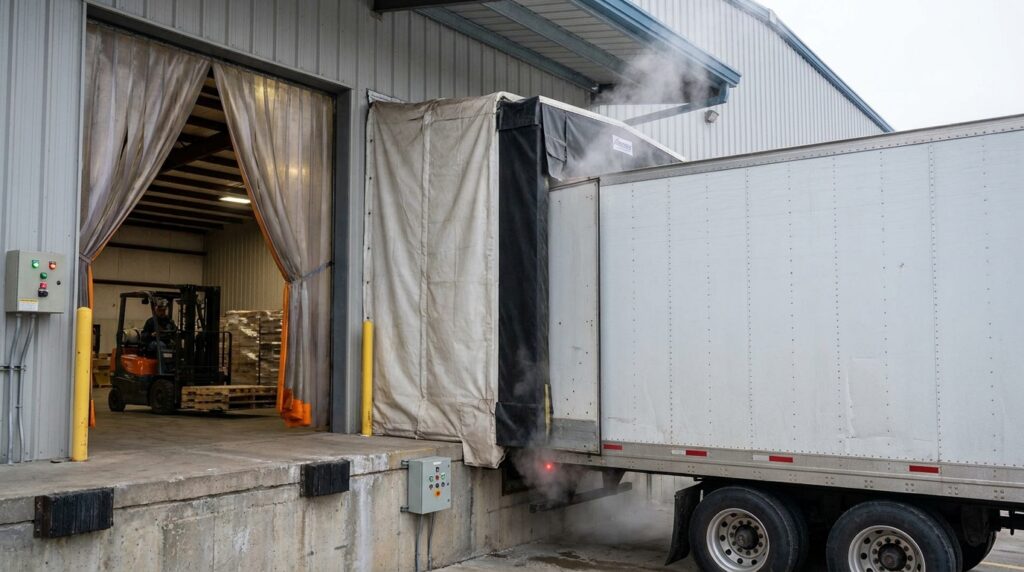
Unlocking Warehouse Efficiency: The Power of Dock Shelters in Energy Conservation
In the bustling world of industrial operations, warehouse managers, facility managers, safety officers, and purchasing professionals are constantly seeking innovative ways to optimize operations, reduce costs, and enhance safety. One area that often presents significant challenges and opportunities for improvement is the loading dock. This critical interface between the warehouse and the outside world is a prime culprit for energy loss, compromised product integrity, and potential safety hazards. Fortunately, a well-chosen and properly implemented dock shelter can be a transformative solution, dramatically improving a warehouse’s energy efficiency and overall operational performance.
The loading dock is a nexus of activity, with trucks arriving and departing, goods being loaded and unloaded, and a constant exchange of air between the controlled warehouse environment and the unpredictable external atmosphere. Without effective sealing, this exchange leads to substantial energy waste. Heated or cooled air escapes the warehouse, forcing HVAC systems to work overtime to maintain desired temperatures. This not only inflates energy bills but also contributes to increased carbon footprints and can negatively impact product quality, especially for temperature-sensitive goods like food, pharmaceuticals, and chemicals. Furthermore, the ingress of dust, debris, insects, and even precipitation can contaminate products, damage equipment, and create unsanitary conditions, leading to costly cleanups and potential product recalls.
This article will delve deep into the multifaceted benefits of dock shelters, with a specific focus on their profound impact on warehouse energy efficiency. We will explore the various types of dock shelters available, the critical factors to consider when selecting the right solution for your facility, and practical advice on maximizing their effectiveness. By understanding the science behind dock shelter performance and implementing best practices, businesses can significantly reduce their energy consumption, lower operational costs, and create a safer, more productive working environment.
In exploring the benefits of dock shelters for enhancing warehouse energy efficiency, it’s also valuable to consider how proper insulation and climate control can further optimize energy use in industrial settings. For more insights on this topic, you can read the article on warehouse energy management strategies at this link. This resource delves into various techniques that complement the use of dock shelters, ultimately leading to a more sustainable and cost-effective warehouse operation.
The Hidden Costs of an Unsealed Loading Dock
The loading dock, often viewed simply as a point of entry and exit, can be a significant drain on warehouse resources if not properly managed. The consequences of an unsealed or poorly sealed dock are far-reaching and impact multiple facets of a business’s bottom line and operational integrity.
Energy Infiltration: The Silent Siphon of Your HVAC Investment
The most immediate and quantifiable impact of an unsealed loading dock is energy loss. When a trailer is detached from the building or even when it’s docked but not sealed, there’s a direct pathway for conditioned air to escape and unconditioned air to enter.
- Heated Environments: In colder climates, warm air rising from the warehouse escapes through the dock opening. This forces heating systems to run more frequently and at higher capacities to compensate, leading to significantly increased natural gas or electricity consumption. This can add thousands of dollars to annual energy bills, depending on the size of the warehouse and the severity of the climate.
- Cooled Environments: Conversely, in warmer months, cool, conditioned air escapes, and hot, humid outside air infiltrates. This places an enormous strain on air conditioning units, again driving up electricity costs. In humid regions, the ingress of moisture can also lead to problems with condensation and mold growth, further exacerbating HVAC challenges.
- Temperature Fluctuations: Beyond direct energy loss, these air exchanges cause significant temperature fluctuations within the warehouse, especially near the dock doors. This can compromise the quality of stored goods, particularly those with strict temperature requirements. For industries like food and beverage or pharmaceuticals, maintaining precise temperature control is not just about efficiency; it’s about product safety and regulatory compliance. Imagine the financial and reputational damage if a batch of temperature-sensitive goods is spoiled due to inadequate dock sealing.
Beyond Energy: Product Integrity and Contamination Risks
The energy drain is only part of the story. The lack of a proper seal at the loading dock opens the door to a host of other detrimental issues.
- Dust and Debris Ingress: Loading docks are often exposed to the elements and external traffic. Without a seal, dust, dirt, pollen, and other airborne particles are easily tracked into the warehouse by forklifts, personnel, and the very act of loading and unloading. This contaminates products, creates a need for frequent and costly cleaning, and can negatively impact air quality for employees.
- Pest and Insect Infestation: Open dock doors are an invitation for pests such as rodents, birds, and insects. These unwelcome visitors can damage inventory, spread disease, and create significant sanitation concerns, leading to costly fumigation or extermination services and potential product recalls.
- Moisture and Water Intrusion: Rain, snow, and general humidity can easily enter the warehouse through an unsealed dock. This moisture can damage packaging, promote mold and mildew growth, and even compromise the structural integrity of the building over time. In warehouses storing sensitive materials or electronics, water damage can be catastrophic.
Safety and Ergonomic Hazards
The physical challenges at an unsealed loading dock can also contribute to safety and ergonomic issues.
- Exposure to Weather: Employees working at the dock are exposed to extreme temperatures, wind, and precipitation, leading to discomfort and potential health risks like frostbite or heatstroke.
- Increased Slip and Fall Risks: Water or debris entering the warehouse can create slippery surfaces, increasing the risk of slips and falls for personnel and equipment operators.
- Drafts and Air Currents: Strong drafts can make it difficult for forklifts to operate efficiently and can also create uncomfortable working conditions for staff, impacting morale and productivity.
Understanding these hidden costs underscores the critical need for effective loading dock sealing solutions.
The Mechanics of Sealing: Understanding Dock Shelter Designs
Dock shelters are engineered to create a barrier between the semi-trailer and the building, minimizing the exchange of air and other elements. While the core function remains the same, different designs cater to various operational needs and trailer types.
Retractable Dock Shelters: Flexibility for Diverse Trailer Fleets
Retractable dock shelters, also known as compression seals, are designed to provide a versatile solution for facilities that handle a variety of trailer sizes. Their primary mechanism involves a frame that is typically mounted to the building above and to the sides of the dock opening. When a trailer is backed in, the frame and its sealing material compress against the trailer, forming a seal.
- How They Work: The sealing material, often made of heavy-duty vinyl or reinforced fabric, is mounted to a frame. As the trailer approaches, the frame retracts, allowing the sealing material to wrap around the rear of the trailer. This creates a tight seal along the sides and top of the trailer opening.
- Key Features:
- Adjustable Compression: The system allows for a degree of compression, accommodating trailers of varying widths and heights.
- Durability: Constructed with robust materials designed to withstand frequent use and environmental exposure.
- Versatility: Effective for a wide range of trailer sizes, making them ideal for facilities with mixed fleets.
- Advantages: Excellent sealing capabilities, good protection against weather and pests, and can offer good insulation.
- Considerations: Can require more maintenance due to moving parts and may be more susceptible to damage from misaligned trailers.
Impactable Dock Shelters: Robust Protection Against High Traffic
Impactable dock shelters are a popular choice for high-traffic loading docks. They are designed to withstand impacts from trailers that may not back in perfectly centered. These shelters are typically constructed with heavy-duty side curtains and a header curtain, all mounted on a robust frame.
- How They Work: When a trailer backs into an impactable dock shelter, the curtains compress against the sides and top of the trailer. The frame and curtains are designed to absorb some of the impact without significant damage. If a trailer does hit the shelter with force, the curtain and frame system is often designed to “give” or detach in a controlled manner, preventing damage to the building.
- Key Features:
- Impact Resistance: Built with reinforced materials and structural designs that can absorb trailer impacts.
- Durability: Engineered for longevity in demanding environments with frequent trailer movements.
- Sealing Performance: Provides a good seal against various trailer heights and widths, though generally less precise than some retractable models.
- Advantages: High durability, good protection against weather and pests, and relatively straightforward maintenance.
- Considerations: May not offer as tight a seal as some other types, particularly with very narrow or unusually shaped trailers. The impactable nature means they can require repairs after significant trailer contact.
Inflatable Dock Shelters: Maximum Sealing for Sensitive Environments
Inflatable dock shelters offer the tightest seal among all dock shelter types. They consist of an air bladder system that inflates around the trailer once it’s docked, creating a virtually impenetrable barrier.
- How They Work: The shelter features air-filled cushions or tubes that surround the dock opening. When a trailer backs into position, the cushions are inflated, pressing firmly against the trailer’s sides and top. This creates a highly effective seal, virtually eliminating air infiltration.
- Key Features:
- Superior Sealing: Provides the most complete seal, minimizing air exchange and protecting against the ingress of dust, insects, and moisture.
- Temperature Control: Excellent for maintaining precise temperature control, crucial for refrigerated or climate-controlled storage.
- Energy Savings: Dramatically reduces energy loss due to its superior sealing capabilities.
- Advantages: Unparalleled sealing performance, excellent for temperature-sensitive goods, significant energy savings, and offers superior protection against contaminants.
- Considerations: Higher initial cost, requires a power source for inflation, and can be more vulnerable to damage from sharp objects or aggressive trailer movements. Regular maintenance of the inflation system is crucial.
Other Dock Sealing Solutions: Complementary and Standalone Options
While dock shelters are the primary focus, it’s worth noting other solutions that can contribute to dock sealing or serve as alternatives in specific scenarios.
- Dock Seals: These are typically simpler units, often made of foam pads that compress against the trailer. They are generally less effective than full dock shelters but can be a more budget-friendly option for less demanding applications. They are best suited for facilities with a consistent trailer size.
- Strip Doors: Primarily used for interior openings or as a secondary barrier, strip doors consist of overlapping vinyl strips that allow for passage while offering some level of separation. They provide minimal insulation and sealing against the elements and are not typically considered a primary loading dock sealing solution.
When considering which type of dock shelter is best suited for your facility, a thorough assessment of your operational needs, trailer fleet, environmental conditions, and budget is paramount. Exploring options within the Loading Dock Equipment category on Fredon Handling can provide a comprehensive overview of available solutions.
The ROI of Sealing: Quantifying Energy Savings and Beyond
Investing in dock shelters is not merely an expense; it’s a strategic investment that yields tangible returns through energy savings, improved operational efficiency, and enhanced product integrity. The return on investment (ROI) can be surprisingly rapid and substantial.
Calculating Energy Savings: A Closer Look
The most significant financial benefit of dock shelters comes from reducing energy consumption. While exact savings vary based on climate, warehouse size, existing insulation, and operational patterns, the impact is undeniable.
- Reduced HVAC Load: By preventing the constant influx of outside air, dock shelters drastically reduce the workload on your heating, ventilation, and air conditioning (HVAC) systems. This directly translates to lower electricity and fuel bills. Industry studies and case examples consistently show savings in the range of 20-40% on heating and cooling costs directly attributable to loading dock sealing.
- Example Calculation: Consider a warehouse that spends $50,000 annually on HVAC. If a dock shelter reduces this cost by 30%, that’s an annual saving of $15,000. If the shelter cost $10,000, the payback period based on energy savings alone would be less than a year.
Beyond Energy: Operational and Financial Gains
The benefits of dock shelters extend far beyond just energy bills.
- Reduced Product Spoilage: For temperature-sensitive goods, maintaining consistent temperatures is critical. Dock shelters prevent the temperature fluctuations that can lead to spoilage, reducing costly product write-offs and protecting brand reputation.
- Improved Employee Comfort and Productivity: A well-sealed dock creates a more comfortable working environment. Reduced drafts, consistent temperatures, and less dust contribute to happier, more productive employees, potentially leading to fewer errors and higher output.
- Minimized Cleaning and Maintenance Costs: By keeping out dust, debris, and precipitation, dock shelters significantly reduce the need for frequent and expensive warehouse cleaning. This also extends the life of stored goods and equipment.
- Enhanced Safety: As discussed earlier, a sealed dock reduces slip and fall hazards from moisture and improves overall workplace safety.
- Pest and Insect Control: Preventing entry of pests reduces the need for costly extermination services and the risk of product contamination.
Factors Influencing ROI: Making the Most of Your Investment
To maximize the ROI of your dock shelter investment, consider these factors:
- Proper Selection: Choosing the right type of dock shelter for your specific needs is crucial. An underspecified solution might not deliver the desired savings, while an over-specified one might have an unnecessarily long payback period. Explore options like those found in Fredon Handling’s Loading Dock Equipment for a diverse range of choices.
- Installation Quality: Professional installation is key to ensuring the shelter functions as intended and achieves optimal sealing. Poor installation can lead to gaps and inefficiencies, negating the benefits.
- Regular Maintenance: Like any equipment, dock shelters require routine maintenance to perform optimally. Inspecting seals, checking for damage, and ensuring proper operation of any mechanical components will extend the life of the shelter and maintain its effectiveness. Fredon Handling often provides resources or recommendations for maintenance on their product pages.
- Driver Education: Training truck drivers on proper docking procedures is essential. Educating them on how to align their trailers correctly with the dock shelter can prevent damage and ensure a good seal.
By meticulously evaluating these factors, businesses can ensure that their dock shelter investment delivers the maximum possible return.
In exploring the benefits of dock shelters for enhancing warehouse energy efficiency, it’s also valuable to consider how proper loading dock management can further optimize operations. For more insights on this topic, you can read a related article that discusses the importance of expert guidance in improving warehouse functionality. By understanding the nuances of loading dock systems, businesses can significantly reduce energy costs and improve overall productivity. To learn more, visit this page.
Selection Criteria: Choosing the Right Dock Shelter for Your Facility
The decision of which dock shelter to implement is critical and should be based on a thorough understanding of your facility’s unique requirements. A one-size-fits-all approach is rarely effective in the complex world of industrial material handling.
Understanding Your Operational Needs
The first step in selecting a dock shelter is to conduct a detailed assessment of your operations.
- Volume of Traffic: How many trailers are typically loaded and unloaded per day or per shift? High-traffic areas demand more durable and robust solutions.
- Trailer Fleet Variability: Do you receive a wide range of trailer sizes (heights and widths), or is your fleet relatively consistent? This will influence the type of sealing mechanism required. Retractable shelters offer more flexibility for varied fleets.
- Product Sensitivity: Are you storing temperature-sensitive goods, food products, pharmaceuticals, or other items that require strict environmental control? If so, the superior sealing capabilities of inflatable dock shelters might be essential.
- Climate Conditions: Is your facility located in a region with extreme heat, cold, or high humidity? The level of sealing and insulation required will vary accordingly.
- Loading/Unloading Processes: What are your specific loading and unloading processes? Are you using pallet jacks, forklifts, or other equipment that might interact with the dock shelter?
Key Shelter Features to Consider
Once your operational needs are understood, you can evaluate specific features of different dock shelter models.
- Sealing Effectiveness: This is paramount. Look for shelters that provide a tight, continuous seal around the trailer. Consider the material’s flexibility, durability, and ability to conform to irregular trailer surfaces.
- Durability and Construction: The materials used in the shelter’s construction are crucial for longevity. Heavy-duty fabrics, robust framing, and reinforced stitching are indicators of a durable product. For high-impact areas, impactable designs are essential.
- Ease of Use and Maintenance: Consider how easy the shelter is to operate and maintain. Simple, robust designs with readily available replacement parts are generally preferable.
- Safety Features: Look for shelters that incorporate safety features such as reflective material for visibility, manual or automatic retraction mechanisms, and designs that minimize pinch points.
- Insulation Properties: If energy efficiency is a primary concern, investigate the R-value or insulation properties of the shelter’s materials.
- Environmental Resistance: The shelter should be able to withstand exposure to UV rays, rain, snow, and extreme temperatures without degrading.
Comparing Dock Shelter Types: A Practical Overview
Let’s revisit the primary types of dock shelters and their suitability based on common scenarios:
- Retractable Dock Shelters: Ideal for facilities with a diverse range of trailer sizes and moderate traffic. They offer good flexibility and sealing. They are a good middle-ground option. You can find various retractable shelter options on Fredon Handling’s product pages.
- Impactable Dock Shelters: Best suited for high-traffic docks where trailer impacts are a concern. They offer excellent durability and good sealing, though they might not achieve the absolute tightest seal of inflatables.
- Inflatable Dock Shelters: The top choice for facilities demanding the highest level of sealing and temperature control, such as those handling food, pharmaceuticals, or sensitive electronics. They offer unparalleled energy savings but come at a higher initial cost.
Consulting with Experts and Manufacturers
When making such an important decision, it is always advisable to consult with experienced material handling equipment suppliers like Fredon Handling. Their expertise can help you navigate the various options, understand the technical specifications, and identify the best solution for your specific needs. Don’t hesitate to request detailed product specifications and discuss your operational challenges with their sales team.
Safety and Maintenance: Ensuring Optimal Performance and Longevity
The effectiveness and lifespan of any dock shelter are significantly influenced by proper safety considerations and a diligent maintenance regimen. These two aspects are intrinsically linked, as neglecting one can compromise the other.
Prioritizing Safety at the Loading Dock
Safety must be the foremost consideration when implementing and using any loading dock equipment, including dock shelters.
- Clearance and Visibility: Ensure that the dock shelter, once deployed, does not obstruct visibility for forklift operators or personnel. Many shelters incorporate reflective markings to enhance visibility, especially in low-light conditions. Always refer to the manufacturer’s guidelines for safe operating clearances.
- Trailer Alignment: Proper trailer alignment is crucial for both effective sealing and safety. Drivers should be trained to back into the dock opening as squarely as possible. Misaligned trailers can damage the shelter, compromise the seal, and create hazardous conditions.
- Personnel Awareness: All personnel working around the loading dock should be fully aware of the dock shelter’s operation and potential hazards. This includes understanding when the shelter is in use, when it might retract or inflate, and maintaining a safe distance during these operations.
- Emergency Procedures: Establish clear emergency procedures for situations involving damaged dock shelters or operational malfunctions. This might include lockout/tagout procedures for maintenance and protocols for safely halting operations.
- Regular Inspections: Implement a schedule for regular visual inspections of the dock shelter by trained personnel. Look for any signs of wear and tear, damage to the fabric or frame, or any functional issues.
Implementing a Proactive Maintenance Program
A proactive maintenance program is essential for maximizing the performance, energy efficiency, and longevity of your dock shelter.
- Routine Inspections:
- Frequency: Daily visual checks for obvious damage, followed by weekly or monthly more thorough inspections by maintenance staff.
- What to Look For: Tears or abrasions in the shelter fabric, damaged or corroded frame components, proper functioning of retraction or inflation mechanisms, integrity of seals and weather stripping, and any foreign objects or debris trapped in the mechanism.
- Cleaning:
- Frequency: As needed, but regularly, especially in dusty or dirty environments.
- Method: Use mild detergents and water. Avoid abrasive cleaners or high-pressure washers, which can damage the materials. Ensure the shelter is completely dry before retracting or allowing normal operation to prevent mold or mildew growth.
- Lubrication (if applicable): For shelters with moving parts or mechanical systems, follow the manufacturer’s recommendations for lubrication. Use the specified type and amount of lubricant to ensure smooth operation and prevent premature wear.
- Seal Replacement: The sealing material is subject to wear over time. Inspect the seals regularly and replace them when they show signs of deterioration, cracking, or loss of flexibility, as this directly impacts energy efficiency.
- Repair vs. Replacement: Address minor damage promptly to prevent it from escalating into a larger, more costly problem. For significant damage, consult with your supplier, like Fredon Handling, to determine whether repair is feasible or if replacement is more cost-effective.
- Record Keeping: Maintain a log of all maintenance activities, including inspections, repairs, and part replacements. This record can be invaluable for tracking the shelter’s performance, identifying recurring issues, and planning future maintenance.
By integrating safety awareness and a robust maintenance program into your daily operations, you can ensure that your dock shelter continues to provide optimal energy savings, product protection, and a safe working environment for years to come. Exploring resources and product specifications on Fredon Handling’s website can provide detailed maintenance recommendations for specific models.
Frequently Asked Questions about Dock Shelters and Energy Efficiency
Here are answers to some common questions regarding dock shelters and their impact on warehouse energy efficiency:
Q1: How much energy can I expect to save by installing a dock shelter?
A1: The actual energy savings can vary significantly depending on factors such as your climate, the size and insulation of your warehouse, the type of dock shelter installed, and your operational patterns. However, industry estimates and case studies generally show savings in heating and cooling costs ranging from 20% to 40%. In colder climates, the reduction in heating demand can be particularly substantial, while in warmer, humid climates, the reduction in cooling load and humidity control is where the savings are most pronounced.
Q2: Are inflatable dock shelters really worth the extra cost compared to other types?
A2: For facilities where maintaining precise temperature control and achieving the highest level of sealing is critical (e.g., food storage, pharmaceuticals, sensitive electronics), inflatable dock shelters often provide a significant return on investment. Their superior sealing capabilities dramatically reduce energy loss and prevent contamination, which can translate into substantial savings from reduced product spoilage and lower energy bills. While the initial cost is higher, the long-term benefits in operational efficiency and product integrity can make them the most cost-effective choice in the long run.
Q3: What is the typical lifespan of a dock shelter?
A3: The lifespan of a dock shelter can range from 10 to 20 years or more, depending on the quality of the materials, the intensity of usage, environmental conditions, and the diligence of the maintenance program. High-traffic facilities or those in harsh climates might see a shorter lifespan if maintenance is neglected or if the shelter is subjected to excessive wear and tear. Regular inspections and prompt repairs are key to maximizing the shelter’s longevity.
Q4: Can a dock shelter help with issues other than energy efficiency?
A4: Absolutely. While energy savings are a primary benefit, dock shelters offer a multitude of advantages: they prevent the ingress of dust, debris, insects, and precipitation, thereby protecting product integrity and reducing cleaning costs. They also improve workplace safety by reducing drafts and potential slip hazards. For temperature-sensitive goods, they are crucial for maintaining consistent environmental conditions, preventing spoilage, and ensuring compliance with regulations.
Q5: How do I ensure my dock shelter is properly installed and maintained?
A5: Proper installation is critical and should always be performed by qualified professionals or according to the manufacturer’s detailed instructions. For maintenance, establish a routine inspection schedule to check for tears, wear, and proper functioning of the shelter’s components. Clean the shelter regularly with mild detergents. Follow the manufacturer’s specific recommendations for lubrication and the replacement of worn parts, such as seals. Consulting the product documentation or contacting your supplier, such as Fredon Handling, for maintenance guidelines is highly recommended.
By investing in and properly maintaining the right dock shelter solution, businesses can unlock significant energy savings, enhance operational efficiency, and create a safer, more secure warehouse environment.
Embrace Efficiency: Get a Fredon Handling Quote Today
The benefits of implementing effective dock sealing solutions, particularly dock shelters, are clear and compelling. From substantial energy savings and reduced operational costs to enhanced product integrity and improved safety, these vital pieces of industrial equipment offer a significant return on investment. Warehouse managers, facility managers, safety professionals, and purchasing departments that prioritize energy efficiency and operational excellence will find dock shelters to be an indispensable asset.
Fredon Handling is your trusted partner in optimizing your material handling operations. Our comprehensive range of loading dock equipment, including various types of dock shelters, is designed to meet the diverse needs of modern warehouses and distribution centers. We understand the challenges you face in managing energy consumption, protecting inventory, and ensuring a safe working environment.
Don’t let energy escape through your loading dock doors. Take the first step towards a more efficient, cost-effective, and secure operation. Contact Fredon Handling today for a personalized quote and expert consultation. Our team is ready to help you identify the ideal dock shelter solution for your facility and guide you through the process of transforming your loading dock into a bastion of efficiency and savings.