
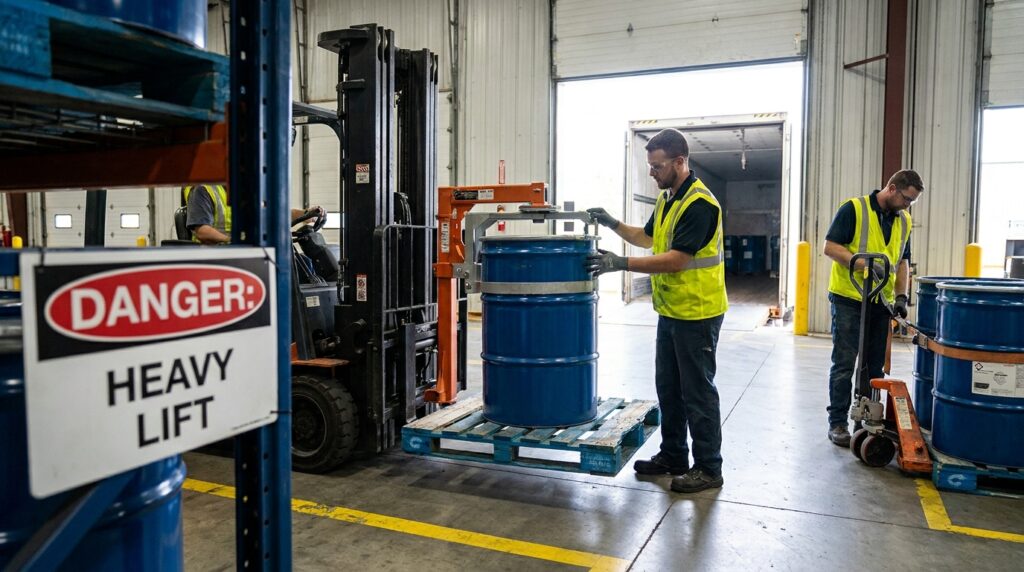
SEO Title: Drum Handling Safety: Mitigating Hazards for Warehouses & Industrial Operations
Meta Description: Discover critical drum handling safety strategies for warehouse managers, plant engineers, and safety professionals. Learn about common hazards, prevention techniques, and the right equipment to ensure a secure workplace.
Understanding the Risks: Why Drum Handling Safety is Paramount
In any industrial setting where drums are a staple of operations – from chemical plants and pharmaceutical manufacturers to food processing facilities and general warehousing – the safe handling of these containers is not merely a best practice; it’s an absolute necessity. Drums, by their very nature, often contain hazardous materials, can be heavy and cumbersome, and pose significant risks if mishandled. Neglecting drum handling safety can lead to severe injuries, costly equipment damage, production downtime, and substantial legal liabilities. This article will delve into the common hazards associated with drum handling and provide actionable prevention strategies, drawing on industrial expertise to guide warehouse managers, plant engineers, safety managers, and industrial equipment buyers.
At Fredon Handling, we understand the critical importance of a safe and efficient workflow. Our commitment to providing robust and reliable solutions stems from a deep understanding of the challenges faced in industrial environments. For those looking to enhance their drum handling capabilities, exploring our range of drum handling equipment at https://fredonhandling.com/drum-handling-equipment/ is an essential first step.
In addition to understanding the common hazards associated with drum handling safety, it is essential to explore effective prevention strategies that can significantly reduce the risk of accidents in the workplace. For further insights on improving safety measures and best practices, you can refer to a related article that discusses comprehensive safety protocols and training programs. To learn more, visit this link.
## The Spectrum of Drum Handling Hazards: Identifying Common Threats
The dangers inherent in drum handling are diverse, stemming from the nature of the drums themselves, the materials they contain, and the methods used for their movement. Recognizing these specific hazards is the cornerstone of effective prevention.
## Ergonomic Strain and Musculoskeletal Disorders
One of the most prevalent risks in manual drum handling is the potential for ergonomic strain. Drums, even when empty, can weigh a significant amount, and when filled with liquids, powders, or viscous materials, their weight can easily exceed safe manual lifting limits. The awkward shapes and sizes of drums make them difficult to grip securely, leading to improper lifting techniques.
- Physical Demands: Repeatedly bending, twisting, and lifting heavy drums places immense stress on the lower back, shoulders, and wrists. This can lead to chronic pain, sprains, strains, and more serious musculoskeletal disorders (MSDs) over time.
- Slipping and Dropping: Inadequate grip strength or poor footing can result in drums slipping from grasp, potentially leading to injuries from impact or the contents spilling.
- Repetitive Motion Injuries: Even seemingly minor tasks performed repeatedly, such as rolling drums or manually tilting them, can contribute to cumulative trauma disorders.
## Chemical and Hazardous Material Exposure
Many drums are used to transport and store chemicals, solvents, oils, and other hazardous substances. Inadequate handling practices can lead to spills, leaks, or direct contact with these materials.
- Spills and Leaks: Damaged drums, faulty seals, or improper pouring can result in the release of hazardous contents. This poses risks of skin contact, inhalation of fumes, or ingestion.
- Flammability and Reactivity: Some drum contents may be flammable or reactive. Mishandling that leads to spills in proximity to ignition sources or incompatible materials can result in fires, explosions, or dangerous chemical reactions.
- Corrosion: If drums are made of incompatible materials or if their contents are corrosive, structural degradation can occur, leading to leaks and potential hazards.
## Physical Impact and Crushing Injuries
The sheer weight and density of drums mean that accidental drops or collisions can cause severe physical harm.
- Falling Drums: Drums dropped from heights, whether during lifting or from unstable storage, can cause catastrophic damage and serious injury to anyone below.
- Crushing: If a drum rolls or falls onto a person’s foot or limb, the weight can cause severe crushing injuries, fractures, and permanent damage.
- Impact with Equipment: In crowded workspaces, drums can collide with forklifts, pallet jacks, or other machinery, potentially leading to damage to the drum, the equipment, and injury to personnel.
## Environmental Contamination
Beyond immediate safety concerns for personnel, drum mishandling can have significant environmental consequences.
- Soil and Water Contamination: Spills of hazardous materials can seep into the ground, contaminating soil and groundwater, leading to long-term environmental damage and costly remediation efforts.
- Air Pollution: Volatile organic compounds (VOCs) or hazardous fumes released from spilled or leaking drums can contribute to air pollution, impacting both the immediate environment and the surrounding community.
## Implementing Robust Prevention Strategies: Safeguarding Your Workforce and Operations
Effective prevention of drum handling hazards requires a multi-faceted approach encompassing equipment, training, and operational procedures.
## Investing in Appropriate Drum Handling Equipment
The most effective way to mitigate the risks associated with manual handling is to eliminate or significantly reduce it. This is where specialized drum handling equipment plays a vital role. Fredon Handling offers a comprehensive range of solutions designed to make drum handling safer, more efficient, and less labor-intensive.
- Drum Lifters and Manipulators: These devices are engineered to securely grasp, lift, tilt, and rotate drums with minimal manual effort. They can significantly reduce the risk of back injuries, strains, and dropped drums.
- Manual Drum Lifters: Offer mechanical advantage for lifting and tilting, suitable for lighter drums or where less frequent operation is required.
- Powered Drum Lifters/Manipulators: Utilize hydraulic or electric power for lifting and precise movement, ideal for heavier drums, higher throughput, or continuous use. They often feature ergonomic controls for ease of operation.
- Examples: Consider a drum tumbler for thorough mixing of contents without manual effort, or a drum gripper attached to a forklift or hoist for secure transportation.
- Drum Palletizers and De-palletizers: Streamline the process of stacking and unstacking drums on pallets, reducing the risk of falling drums and ergonomic strain.
- Drum Dollies and Caddies: For moving drums over short distances on smooth surfaces, dollies provide a stable base and wheels, eliminating the need for dragging or rolling by hand.
- Drum Cradles and Tilters: Essential for safely pouring or dispensing contents from drums. These devices securely hold the drum in an upright or tilted position, allowing for controlled dispensing and minimizing the risk of spills.
- Forklift Drum Attachments: Specialized attachments for forklifts, such as drum clamps, forks, and rotators, enable safe and efficient lifting, moving, and emptying of drums using existing forklift infrastructure.
Drum Material, Size, and Weight Considerations: When selecting equipment, always consider the types of drums you handle. Common materials include steel (for hazardous liquids and solids), plastic (HDPE for a wide range of chemicals, food-grade products), and fiber (for dry goods). Drum sizes vary, but the most common are 55-gallon (200-liter) drums. Weight capacity is paramount – ensure the equipment is rated for the maximum weight of your filled drums. For instance, a fully loaded 55-gallon steel drum can weigh upwards of 500 lbs (227 kg). Always check the specifications of the equipment against your operational needs.
Equipment Compatibility: Ensure any new equipment integrates seamlessly with your existing material flow and handling systems. For example, if you use forklifts, forklift-compatible drum attachments will be the most efficient solution. For operations requiring precise placement or frequent emptying, powered drum manipulators offer superior control.
## Comprehensive Training and Education Programs
Even with the best equipment, human error remains a significant factor in accidents. Thorough training is indispensable.
- Hazard Recognition: Train employees to identify potential hazards before they become incidents. This includes recognizing damaged drums, unstable loads, slippery surfaces, and unsafe work practices.
- Safe Handling Techniques: Provide hands-on training on proper lifting, carrying, and moving techniques, emphasizing the importance of using mechanical aids whenever possible.
- Equipment Operation: Ensure all personnel who operate drum handling equipment are properly trained and certified. This includes understanding the equipment’s limitations, safety features, and maintenance requirements.
- Emergency Procedures: Educate staff on what to do in case of a spill, leak, or injury, including the location of safety equipment like spill kits and eyewash stations.
- Material Safety Data Sheets (MSDS/SDS): Train employees on how to access and interpret SDS for the materials stored in drums. This provides crucial information on hazards, handling precautions, and emergency response.
## Implementing Safe Work Procedures and Protocols
Establishing clear, written procedures for all drum handling tasks is crucial for consistency and safety.
- Pre-Operation Checks: Before moving or handling any drum, conduct a visual inspection for leaks, dents, corrosion, or any damage. Ensure the drum is properly sealed.
- Designated Handling Areas: Establish clear zones for drum storage, dispensing, and movement. Keep these areas free of obstructions and ensure adequate lighting and ventilation.
- Controlled Movement: Avoid sudden movements, jerks, or dropping drums. When using mechanical aids, operate them smoothly and deliberately.
- Storage Practices: Store drums on stable, level surfaces. Utilize appropriate shelving, racks, or dunnage to prevent drums from rolling or toppling. Follow segregation guidelines for incompatible materials.
- Dispensing Protocols: Use drum cradles or tilters for dispensing. Ensure adequate ventilation when handling volatile substances and use appropriate personal protective equipment (PPE).
- Housekeeping: Maintain a clean and orderly work environment. Promptly clean up any spills, no matter how small. Regularly inspect floors for spills or debris that could cause slips or falls.
## Personal Protective Equipment (PPE)
While not a substitute for safe practices and equipment, appropriate PPE is a critical last line of defense.
- Gloves: Chemical-resistant gloves are essential when handling drums containing hazardous materials to prevent skin contact.
- Safety Footwear: Steel-toed boots are mandatory to protect feet from crushing injuries if a drum is dropped. Slip-resistant soles are crucial in areas prone to spills.
- Eye Protection: Safety glasses or goggles are necessary to protect eyes from splashes or airborne particles.
- Protective Clothing: Chemical-resistant aprons or suits may be required depending on the nature of the materials being handled.
- Respiratory Protection: If handling volatile or dusty materials, respirators may be necessary. This should be determined based on a risk assessment and the SDS.
## Specific Drum Handling Scenarios and Solutions
Let’s examine common drum handling tasks and how to approach them safely.
## Moving Drums on Pallets
When drums are transported on pallets, the use of forklifts or pallet jacks is common.
- Forklift Operations:
- Drum Clamps: These attachments securely grip the drum’s circumference, allowing for lifting and placement without the need for a pallet. This is ideal for maneuvering drums in tight spaces or when direct lifting is preferred.
- Forklift Drum Forks: Specialized forks designed to slide under a drum or palletized drum, providing stable support during transport.
- Safety Checks: Always ensure the forklift is rated for the load, the forks are properly inserted, and the load is stable before moving. Maintain a safe travel speed and clear visibility.
- Pallet Jack Operations:
- Manual Pallet Jacks: Suitable for lighter drums on pallets on smooth, level surfaces. Requires careful maneuvering to avoid tipping.
- Electric Pallet Jacks: Offer powered assistance, reducing the physical strain on the operator.
- Positioning: Ensure the pallet jack is correctly positioned under the pallet and the load is balanced before lifting and moving.
## Emptying and Dispensing Drums
This is often where spills and ergonomic injuries are most likely to occur if not managed correctly.
- Drum Cradles and Tilters:
- Function: These devices secure the drum and allow for controlled tilting, enabling precise pouring of contents into tanks, smaller containers, or processing equipment.
- Benefits: Reduces the risk of over-tipping, spills, and the back strain associated with manually tipping heavy drums.
- Types: Available in manual, electric, and hydraulic models, with features like locking mechanisms for safety.
- Drum Pumps:
- Manual Pumps: For transferring liquids from drums using siphon action or plunger mechanisms.
- Electric Pumps: Offer faster transfer rates and reduced operator effort, ideal for frequent or high-volume dispensing.
- Material Compatibility: Ensure the pump material is compatible with the liquid being transferred to prevent corrosion or contamination.
- Ventilation: Always ensure adequate ventilation when dispensing volatile or hazardous liquids to prevent the buildup of flammable vapors or harmful fumes.
## Storing Drums Safely
Proper drum storage is critical for preventing accidents and maintaining product integrity.
- Rack Systems: Specialized drum racks are designed to safely store drums horizontally or vertically, preventing them from rolling and ensuring stability.
- Palletizing: Stacking drums on pallets can provide a stable base for storage, but proper stacking techniques must be followed to prevent toppling.
- Spill Containment: In areas where hazardous materials are stored, secondary containment systems (e.g., spill pallets, berms) are essential to capture any leaks or spills and prevent environmental contamination.
- Segregation: Store incompatible materials separately according to safety guidelines to prevent dangerous reactions.
- Load Limits: Never exceed the weight or capacity limits of storage racks or shelving.
In the realm of drum handling safety, understanding the common hazards and prevention strategies is crucial for maintaining a safe workplace. For those looking to expand their knowledge on related topics, an insightful article on material handling can provide valuable information on best practices and safety measures. You can explore this further in the article available at material handling, which discusses various aspects of handling materials safely and efficiently.
## Maintaining Your Drum Handling Equipment for Longevity and Safety
Regular maintenance is not just about preserving the life of your equipment; it’s a critical safety imperative.
- Regular Inspections: Implement a schedule for daily, weekly, and monthly inspections of all drum handling equipment. This includes checking for:
- Structural Integrity: Cracks, bends, or signs of wear in frames, arms, or lifting mechanisms.
- Hydraulic/Pneumatic Systems: Leaks, proper fluid levels, and smooth operation of cylinders and hoses.
- Electrical Components: Wiring integrity, switch functionality, and battery charge levels (for powered equipment).
- Safety Features: Brakes, locks, emergency stops, and audible/visual alarms.
- Attachments: Wear on grips, clamps, or forks.
- Lubrication: Keep moving parts properly lubricated to ensure smooth operation and prevent premature wear.
- Repair Promptly: Any damaged or malfunctioning equipment should be immediately removed from service and repaired by qualified personnel. Never operate faulty equipment.
- Manufacturer Recommendations: Always follow the manufacturer’s recommended maintenance schedule and procedures. Keep detailed maintenance logs.
In addition to understanding drum handling safety and the common hazards associated with it, businesses should also consider how to select the appropriate material handling equipment to enhance workplace safety and efficiency. For insights on this topic, you can refer to a related article that discusses the criteria for choosing the right equipment for your operations. This can significantly reduce risks and improve overall safety standards. To learn more, visit this article.
## Frequently Asked Questions (FAQs) about Drum Handling Safety
Q1: What is the most common cause of injuries related to drum handling?
A1: The most common causes of injuries are ergonomic strain from manual lifting and twisting, leading to back injuries and musculoskeletal disorders, followed by injuries from dropped drums or spills of hazardous materials.
Q2: How often should I inspect my drum handling equipment?
A2: Daily visual inspections are recommended before each use. More thorough inspections, including functional checks and lubrication, should be performed weekly or monthly, depending on the equipment and usage frequency, and always in accordance with manufacturer recommendations.
Q3: What are the key considerations when choosing drum handling equipment for hazardous materials?
A3: Material compatibility of the equipment with the hazardous substance, the containment and spill prevention features of the equipment, the need for explosion-proof or intrinsically safe designs (if applicable), and ensuring adequate ventilation during dispensing are critical. Fredon Handling can advise on suitable options.
Q4: Can standard forklifts be used for all drum handling tasks?
A4: While forklifts are versatile, specialized forklift attachments like drum clamps, drum forks, or drum rotators are essential for safely and efficiently handling drums. Simply using standard forks can lead to instability, drum damage, and potential accidents.
Q5: What is the role of training in drum handling safety?
A5: Training is fundamental. It equips employees with the knowledge to recognize hazards, use equipment correctly, follow safe procedures, and respond effectively to emergencies. Without proper training, even the best equipment can be used unsafely.
## Conclusion: Prioritizing Safety with Fredon Handling
The safe handling of drums is a critical component of operational integrity in numerous industries. By understanding the inherent risks and implementing comprehensive prevention strategies, businesses can significantly reduce the likelihood of accidents, protect their workforce, and maintain regulatory compliance. Investing in the right drum handling equipment is not an expense, but a crucial investment in safety and efficiency.
At Fredon Handling, we are dedicated to providing solutions that empower your operations with the highest standards of safety and productivity. From robust lifters and manipulators to specialized attachments and accessories, our product range is designed to meet the diverse needs of warehouse managers, plant engineers, safety managers, and industrial equipment buyers.
Don’t let drum handling hazards compromise your operations. Contact Fredon Handling today for a consultation and let us help you find the safest, most efficient solutions for your specific needs.