
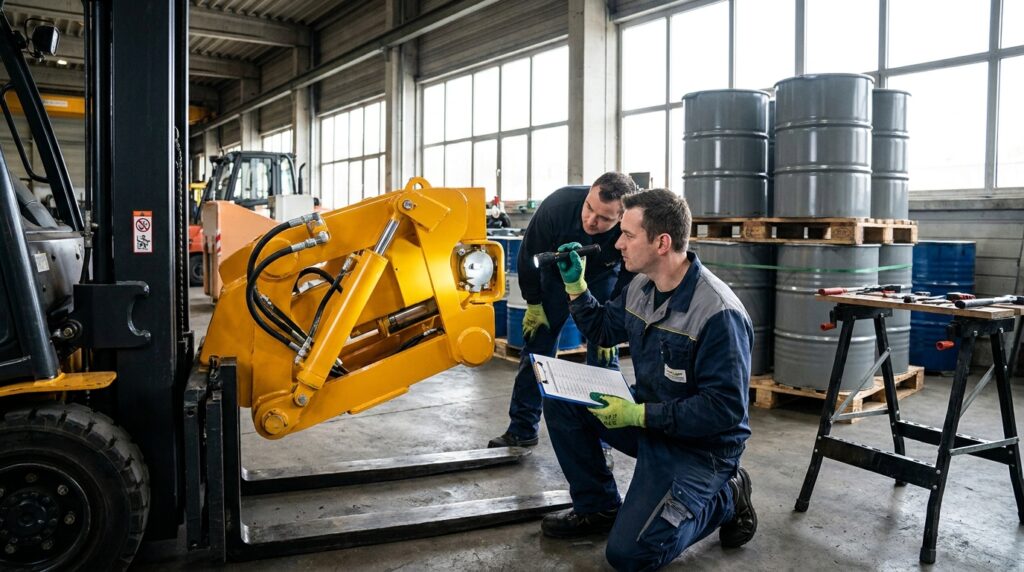
SEO Title: Drum Handling Equipment Inspection & Maintenance Checklist: Boost Safety & Efficiency | Fredon Handling
Meta Description: Your essential guide to drum handling equipment inspection and maintenance. Ensure safety, prolong equipment life, and optimize warehouse operations with this comprehensive checklist from Fredon Handling.
Ensuring Operational Excellence: A Comprehensive Drum Handling Equipment Inspection and Maintenance Checklist
In the dynamic world of industrial operations, the safe and efficient handling of drums is paramount. Whether you’re storing chemicals, raw materials, or finished goods, the equipment used to move, lift, and secure these cylindrical containers plays a critical role in preventing accidents, minimizing downtime, and maintaining productivity. At Fredon Handling, we understand that proactive maintenance and rigorous inspection are not just good practice – they are essential for operational success. This article provides a detailed drum handling equipment inspection and maintenance checklist, designed for warehouse managers, plant engineers, safety managers, and industrial equipment buyers. By following these guidelines, you can significantly enhance the safety, reliability, and longevity of your drum handling assets.
For those interested in ensuring the safety and efficiency of their drum handling operations, a comprehensive understanding of equipment inspection and maintenance is crucial. A related article that provides valuable insights on this topic is available at Drum Handling Equipment Inspection and Maintenance Checklist. This resource outlines essential practices and guidelines to keep your drum handling equipment in optimal condition, helping to prevent accidents and prolong the lifespan of your machinery.
Understanding the Importance of Regular Inspections and Maintenance
Drums, with their varying weights, materials, and contents, present unique handling challenges. The equipment designed to manage them – from drum lifters and dollies to drum racks and specialized manipulators – is subject to significant stress and wear. Neglecting these critical pieces of equipment can lead to a cascade of problems, including:
- Safety Hazards: Malfunctioning equipment can cause drums to drop, spill, or tip, leading to serious injuries to personnel and significant environmental damage. Loose components, worn hydraulics, or fatigued structural elements are all potential safety risks.
- Operational Downtime: Equipment failure can bring your entire operation to a halt, resulting in lost productivity, missed deadlines, and increased costs associated with emergency repairs.
- Equipment Damage: Minor issues, if left unaddressed, can escalate into major mechanical failures, leading to costly repairs or premature replacement of valuable equipment.
- Product Spoilage or Contamination: Damaged drums or spills caused by faulty equipment can lead to the loss of valuable product, incurring direct financial losses and potential reputational damage.
- Increased Insurance Premiums: A history of accidents or incidents related to equipment failure can lead to higher insurance costs.
Regular, systematic inspections and a robust maintenance schedule are the most effective strategies to mitigate these risks. They allow for the early detection of potential issues, enabling timely repairs and preventing minor problems from becoming major disasters. This proactive approach not only safeguards your workforce and assets but also contributes to a more efficient and cost-effective operation.
Pre-Operation Inspection: A Daily Essential for Drum Handling Equipment
Before any drum handling equipment is put into service each day, a thorough pre-operation inspection is crucial. This quick, yet vital, check can identify obvious issues that might have arisen during the previous shift or due to environmental factors.
Visual Inspection of Structural Integrity
This step focuses on the physical condition of the equipment. Look for any signs of damage that could compromise its strength or stability.
- Frame and Chassis: Inspect the main frame, legs, and any supporting structures for cracks, bends, dents, or signs of corrosion. Pay close attention to weld points, as these are common areas for stress fractures. Ensure all bolts and fasteners are present and tightened.
- Lifting Mechanisms: For drum lifters, grippers, and manipulators, examine the structural components of the lifting arm, forks, or clamping mechanism. Check for any deformation or damage that could affect its ability to securely grip or lift a drum.
- Wheels and Casters: Ensure all wheels and casters are present, securely attached, and rotate freely. Check for any flat spots, cracks, or foreign objects lodged in the wheels. Worn casters can make the equipment difficult to maneuver safely, increasing the risk of tipping.
Examination of Key Operational Components
This part of the inspection focuses on the parts of the equipment that are directly involved in its function.
- Hydraulic Systems (if applicable): For hydraulic drum lifters and manipulators, visually inspect hydraulic lines and hoses for leaks, cracks, kinks, or abrasion. Check the hydraulic fluid level if a sight glass is present. Listen for any unusual noises during operation, which could indicate pump or valve issues.
- Mechanical Linkages and Pivots: Inspect all moving parts, such as pivot points, hinges, and linkages, for signs of wear, damage, or excessive play. Ensure they are properly lubricated.
- Gripping and Securing Mechanisms: Examine the jaws, clamps, belts, or straps used to secure drums. Look for wear, cracks, or damage to the gripping surfaces. Ensure they engage and release smoothly and securely. For equipment that secures drums via a band or collar, check the integrity of these components.
- Controls and Levers: Ensure all operating levers, buttons, and controls are functioning correctly, are not damaged, and respond to input as expected. Check that safety interlocks are engaged and operational.
Safety Features Check
Safety is non-negotiable. This part of the inspection ensures that all safety features are in place and functioning as intended.
- Safety Guards and Shields: Verify that all safety guards, shields, and protective covers are in place and securely fastened. Ensure they are not damaged or obstructed.
- Emergency Stop Buttons: If equipped, test the emergency stop buttons to ensure they function immediately and effectively halt the equipment’s operation.
- Warning Labels and Decals: Check that all safety labels, warning decals, and operating instructions are present, legible, and firmly attached.
- Locking Mechanisms: For equipment that secures drums in place (e.g., on a truck or rack), ensure all locking mechanisms are present, functional, and secure.
By dedicating a few minutes each day to these pre-operation checks, you can significantly reduce the likelihood of an incident and ensure your drum handling equipment is always ready for safe and efficient operation.
Weekly and Monthly Inspections: Deeper Dives into Drum Handling Equipment Health
While daily checks catch immediate issues, weekly and monthly inspections allow for a more in-depth assessment of your drum handling equipment’s health. These inspections are critical for identifying developing problems before they become critical failures.
Hydraulic System Thoroughness
For equipment utilizing hydraulic systems, a more detailed inspection is warranted on a weekly or monthly basis, depending on usage intensity.
- Fluid Analysis: If possible, consider periodic fluid analysis for hydraulic systems. This can reveal internal wear of components by detecting contaminants and degradation of the fluid itself, allowing for proactive replacement of pumps, cylinders, or seals.
- Hose and Fitting Integrity: Beyond visual checks for leaks, gently flex hoses to detect brittleness or cracking. Inspect fittings for signs of corrosion or damage, and ensure they are properly torqued.
- Cylinder Rods and Seals: Examine hydraulic cylinder rods for scoring, pitting, or bending. Inspect rod seals for leaks or signs of wear. A damaged rod can quickly lead to seal failure and further internal damage.
- Filter Condition: Check the condition of hydraulic filters. If the system has a filter indicator, note any changes that suggest the filter is clogged and requires replacement. Clogged filters restrict oil flow and can damage the pump.
Mechanical Wear and Lubrication Assessment
Mechanical components are subject to constant friction and stress, making regular assessment crucial.
- Gearboxes and Drive Systems: For equipment with gearboxes or other drive systems, check for unusual noises, vibrations, or excessive heat during operation. Inspect for oil leaks around seals and ensure the lubrication level is adequate.
- Bearings: Listen for any grinding or squealing noises from bearings, which could indicate wear or a lack of lubrication.
- Lubrication Points: Identify all lubrication points (grease fittings, oil cups). Ensure they are clean and that the correct type and amount of lubricant are applied according to the manufacturer’s recommendations. Over-greasing or under-greasing can be equally detrimental.
Electrical System Checks (if applicable)
Many modern drum handling systems incorporate electrical components for power and control.
- Wiring and Connectors: Inspect all electrical wiring for signs of fraying, abrasion, or damaged insulation. Ensure all connectors are clean, secure, and free from corrosion.
- Control Panel and Switches: Test all switches, buttons, and control panel components for proper function. Ensure the control panel is free from dust and moisture.
- Battery Maintenance (if applicable): For battery-powered equipment, check battery fluid levels (if applicable), terminal connections for corrosion, and ensure the battery is charging correctly.
Load Testing and Capacity Verification
Periodically, especially after a significant repair or a period of heavy use, it’s wise to perform a controlled load test.
- Weight Verification: Using a known weight that approximates the maximum rated capacity of the equipment, perform a lift and movement cycle. Observe the equipment’s performance for any signs of strain, unusual noises, or instability.
- Capacity Plate Check: Ensure the equipment’s capacity plate is present, legible, and accurately reflects the load limits. Never exceed the rated capacity.
These more thorough inspections, performed on a defined schedule, are your best defense against unexpected failures and are key to maximizing the lifespan of your drum handling investments.
Proper inspection and maintenance of drum handling equipment is crucial for ensuring safety and efficiency in any workplace. For those looking to enhance their understanding of material handling, a related article discusses various types of essential tools that can improve operational efficiency. You can explore this informative piece further by visiting this link, which provides valuable insights into the different equipment available for effective material handling.
Preventative Maintenance: Proactive Care for Longevity and Reliability
Preventative maintenance goes beyond simply inspecting for damage; it involves scheduled actions designed to prevent wear and tear and ensure the equipment operates at peak performance. This is where you actively intervene to keep your equipment in optimal condition.
Lubrication Schedule Adherence
Proper lubrication is arguably the most critical aspect of preventative maintenance for most mechanical equipment.
- Manufacturer Specifications: Always refer to the equipment manufacturer’s manual for specific lubrication requirements, including the type of lubricant, frequency of application, and quantity. Using the wrong lubricant can cause more harm than good.
- Cleanliness During Lubrication: Ensure that lubrication points are clean before applying grease or oil. Contaminants introduced during lubrication can accelerate wear.
- Lubrication Points: Systematically go through all lubrication points: grease fittings, bearing housings, pivot points, sliding surfaces, and any other areas specified by the manufacturer.
Seal and Gasket Replacement Program
Seals and gaskets are often the first line of defense against leaks and contamination, but they degrade over time.
- Scheduled Replacement: Based on manufacturer recommendations and operational hours, establish a schedule for replacing critical seals and gaskets, particularly in hydraulic and pneumatic systems. This is far more cost-effective than dealing with a major leak.
- Material Compatibility: Ensure replacement seals and gaskets are made of materials compatible with the fluids and operating environment. For instance, chemical drums may require seals resistant to specific solvents or acids.
Component Wear Assessment and Replacement
Proactive replacement of components showing signs of wear can prevent catastrophic failures.
- Wear Limits: Understand the wear limits for critical components such as lifting chains, ropes, forks, clamps, and hydraulic cylinder rods. Implement a system to track the age and usage of these components.
- Scheduled Component Replacement: For high-wear items, consider a scheduled replacement program based on usage hours or a predetermined lifespan, even if visible wear is not yet significant.
Calibration and Adjustment
Ensuring equipment is properly calibrated and adjusted is vital for both safety and efficiency.
- Load Cell Calibration: For equipment with integrated scales or load cells, periodic calibration is essential to ensure accurate weight readings.
- Pressure Settings: For hydraulic or pneumatic systems, verify that pressure relief valves and operating pressures are set according to manufacturer specifications.
- Alignment Checks: Ensure that lifting forks, clamping mechanisms, and other articulating parts are properly aligned. Misalignment can cause uneven wear and operational difficulties.
Cleaning and Environmental Protection
Regular cleaning is not just about aesthetics; it’s about functionality and longevity.
- Debris Removal: Remove dust, dirt, grease, and other debris from the equipment. This prevents build-up that can interfere with moving parts, cause corrosion, or mask developing issues.
- Corrosion Prevention: For equipment operating in corrosive environments, apply protective coatings or treatments as recommended by the manufacturer.
- Storage Conditions: When equipment is not in use, ensure it is stored in a clean, dry area protected from the elements, especially extreme temperatures or corrosive atmospheres.
A well-executed preventative maintenance program transforms your drum handling equipment from a reactive asset to a reliable, predictable component of your operations.
Proper inspection and maintenance of drum handling equipment is crucial for ensuring safety and efficiency in any manufacturing environment. For those looking to enhance their understanding of material handling, a related article on essential material handling equipment can provide valuable insights. You can explore this further in the article essential material handling equipment for efficient manufacturing processes, which discusses various tools and techniques that can complement your drum handling practices.
Specialized Equipment: Tailored Inspections for Diverse Drum Handling Solutions
The range of drum handling equipment available is vast, and each type may have specific inspection and maintenance requirements. Understanding these nuances is crucial for maximizing the effectiveness and safety of your specific solutions. At Fredon Handling, we offer a variety of equipment, and our checklists are designed to be adaptable.
Drum Lifters and Manipulators
These are perhaps the most common types of drum handling equipment, designed to lift, tilt, rotate, and pour drums.
- Lifting Chains/Cables: Inspect for wear, kinks, stretching, or corrosion. Ensure proper tension and secure attachment points.
- Clamping/Gripping Jaws: Check for wear, damage, or debris that could impede secure grip. Ensure the jaws engage and disengage smoothly and maintain consistent pressure across the drum surface. For adjustable clamps, ensure the adjustment mechanism is functioning correctly.
- Tilting/Rotating Mechanisms: For equipment that offers tilting or rotating capabilities, inspect the gears, drive mechanisms, and locking pins for wear and proper function. Ensure the drum can be locked securely at desired angles.
- Ergonomic Controls: Verify that the controls for lifting, tilting, and rotating are responsive, easy to operate, and include safety locks or interlocks.
Drum Palletizers and Stackers
These machines are designed to safely place drums onto pallets or stack them in storage.
- Stacking Guides/Channels: Inspect for bends, wear, or damage that could cause drums to misalign or tip during stacking.
- Pallet Engagement Systems: Ensure the mechanism that engages with the pallet is functioning correctly, providing a stable base for stacking.
- Positioning Accuracy: Check that the equipment accurately positions drums to prevent instability or damage to the drum or surrounding items.
Drum Dollies and Carts
Simple yet essential for moving drums manually or with minimal assistance.
- Wheel Bearings: Inspect for smooth rotation and absence of excessive play.
- Frame Integrity: Check the frame for any signs of bending or stress, especially at attachment points for wheels and handles.
- Drum Securing Straps/Chocks: If the dolly or cart has straps or chocks to secure the drum, ensure they are in good condition and function effectively.
Drum Rack Systems
Static storage solutions for drums.
- Upright and Beam Integrity: Inspect all uprights and horizontal beams for dents, bends, or corrosion that could compromise their load-bearing capacity.
- Connection Points: Ensure all bolts, clips, and connectors are present, secure, and show no signs of stress or damage.
- Leveling: Verify that the racks are level and stable, especially on uneven floors.
- Load Capacity Labels: Ensure load capacity labels are present and legible for each level and the overall rack.
Drum De-nesters and Unloaders
Specialized equipment for automated drum handling.
- Automated Gripping Mechanisms: Inspect automated grippers for wear and ensure they maintain consistent force and alignment.
- Sensor Functionality: Verify that all sensors (e.g., proximity, vision) are clean, functioning correctly, and properly aligned to detect drum positions.
- Conveyor Interfaces: If integrated with conveyors, ensure smooth transitions and proper alignment to prevent jamming or damage.
No matter the specific drum handling equipment in your facility, adhering to a tailored inspection and maintenance schedule, informed by manufacturer guidelines, is essential for safe and efficient operations. Fredon Handling provides durable and reliable solutions, and our commitment extends to helping you maintain them effectively. Explore our extensive range of drum handling equipment at https://fredonhandling.com/drum-handling-equipment/.
Safety Considerations and Regulatory Compliance
Beyond the mechanical aspects of inspection and maintenance, safety and regulatory compliance are paramount when dealing with drum handling equipment.
Training and Competency of Personnel
The most sophisticated equipment is only as safe as the people operating it.
- Operator Training: Ensure all personnel who operate drum handling equipment receive comprehensive training on its specific functions, limitations, safe operating procedures, and emergency protocols.
- Inspection and Maintenance Training: Technicians performing inspections and maintenance must be adequately trained and equipped with the necessary knowledge and tools.
- Certification: For certain types of equipment or industries, formal certifications for operators and maintenance personnel may be required by regulatory bodies.
Personal Protective Equipment (PPE)
The use of appropriate PPE is non-negotiable during the operation and maintenance of drum handling equipment.
- Head, Eye, and Hand Protection: Always wear safety helmets, safety glasses or goggles, and heavy-duty gloves to protect against falling objects, chemical splashes, and abrasions.
- Footwear: Steel-toed safety boots are essential to protect feet from dropped drums or equipment.
- Protective Clothing: Depending on the materials being handled, chemical-resistant aprons or suits may be necessary.
Understanding Drum Materials, Sizes, Weights, and Capacities
The effectiveness and safety of drum handling equipment are directly tied to understanding the specifications of the drums being handled.
- Drum Material: Drums can be made of steel, plastic (HDPE), fiber, or other materials. This affects their weight, rigidity, and how they respond to clamping forces. Plastic drums, for instance, can deform more easily than steel drums.
- Drum Size and Dimensions: Standard drum sizes vary (e.g., 55-gallon, 30-gallon), but non-standard sizes also exist. Equipment must be compatible with the diameter and height of the drums.
- Drum Weight: The weight of a drum, including its contents, is the most critical factor for equipment selection. Always verify the maximum weight capacity of the equipment against the maximum possible weight of the drums.
- Drum Capacity: While often referred to in volume (gallons or liters), the total weight of the drum and its contents is the crucial specification for load calculations.
- Equipment Compatibility: Ensure the drum handling equipment is designed to handle the specific material, size, weight, and capacity of the drums in your operation. For example, a drum gripper designed for steel drums might not be suitable for plastic drums due to different surface friction and rigidity.
Regulatory Compliance
Adherence to relevant safety regulations and standards is mandatory.
- OSHA Standards: In the United States, the Occupational Safety and Health Administration (OSHA) sets standards for workplace safety, including those related to material handling equipment. Ensure your equipment and procedures comply with relevant OSHA regulations (e.g., general industry standards, specific standards for hazardous materials).
- Local and Industry-Specific Regulations: Be aware of any additional local or industry-specific regulations that may apply to drum handling and storage.
- Manufacturer’s Guidelines: Always prioritize and follow the operating and maintenance guidelines provided by the equipment manufacturer. These are typically developed based on extensive testing and safety considerations.
By integrating safety protocols and regulatory compliance into your drum handling equipment inspection and maintenance program, you create a safer, more responsible, and legally sound operational environment.
Conclusion: Partnering with Fredon Handling for Your Drum Handling Needs
Investing in robust drum handling equipment is only the first step towards a safe and efficient operation. The ongoing commitment to regular inspections, thorough preventative maintenance, and adherence to safety protocols is what truly unlocks the long-term value of your equipment. By implementing the comprehensive checklist outlined in this article, you can significantly enhance the safety of your workforce, minimize the risk of costly downtime, and extend the operational life of your drum handling assets.
At Fredon Handling, we are dedicated to providing high-quality, reliable drum handling solutions that meet the diverse needs of industrial environments. Our range of equipment, from versatile drum lifters and manipulators to secure drum racks and efficient palletizers, is designed with durability and safety in mind. We understand the challenges you face and are here to support you with expertise and exceptional products.
Are you ready to optimize your drum handling operations and ensure the highest standards of safety and efficiency?
Don’t let equipment failures disrupt your workflow or compromise your safety record. Contact Fredon Handling today for a consultation. Our team of experts can assess your specific needs, recommend the ideal drum handling equipment, and provide guidance on best practices for inspection and maintenance. Let us help you build a safer, more productive future for your facility.
Frequently Asked Questions About Drum Handling Equipment Inspection and Maintenance
What is the most critical aspect of a daily drum handling equipment inspection?
The most critical aspect of a daily inspection is a visual check for any obvious signs of damage, structural compromise, or missing components that could immediately jeopardize safety or lead to operational failure. This includes looking for cracks, leaks, loose parts, or malfunctioning safety features before use.
How often should hydraulic fluid in drum handling equipment be checked and replaced?
Hydraulic fluid should be checked for level and visible contamination during daily inspections. The frequency of fluid replacement and more in-depth analysis depends heavily on the equipment’s usage, operating environment, and the manufacturer’s recommendations. Generally, it’s recommended to consult the equipment manual, but a comprehensive check or replacement might be needed every 500-1000 operating hours or annually, with fluid analysis providing a more precise schedule.
Can I use a generic lubricant for all my drum handling equipment?
No, it is crucial to use the specific type of lubricant recommended by the equipment manufacturer. Different components have different lubrication needs (e.g., grease for bearings, oil for gearboxes), and using the wrong type can lead to accelerated wear, corrosion, or component failure. Always refer to the equipment’s manual for lubricant specifications.
What are the key safety features to check on drum handling equipment?
Key safety features include: functioning safety guards and shields, effective emergency stop buttons, secure locking mechanisms for drums and equipment, audible and visual warning signals, and legible safety labels and instructions. Ensuring these are present and operational is vital before each use.
How does the material of the drum (steel vs. plastic) affect equipment inspection and maintenance?
The material of the drum significantly impacts inspection and maintenance. Steel drums are rigid and robust, requiring robust clamping forces. Plastic drums, however, are more susceptible to deformation, requiring equipment with adjustable pressure controls and smooth gripping surfaces to avoid crushing or damaging the drum. Inspections should focus on how the equipment interacts with the specific drum material to ensure secure handling without causing damage to either the drum or the equipment.