
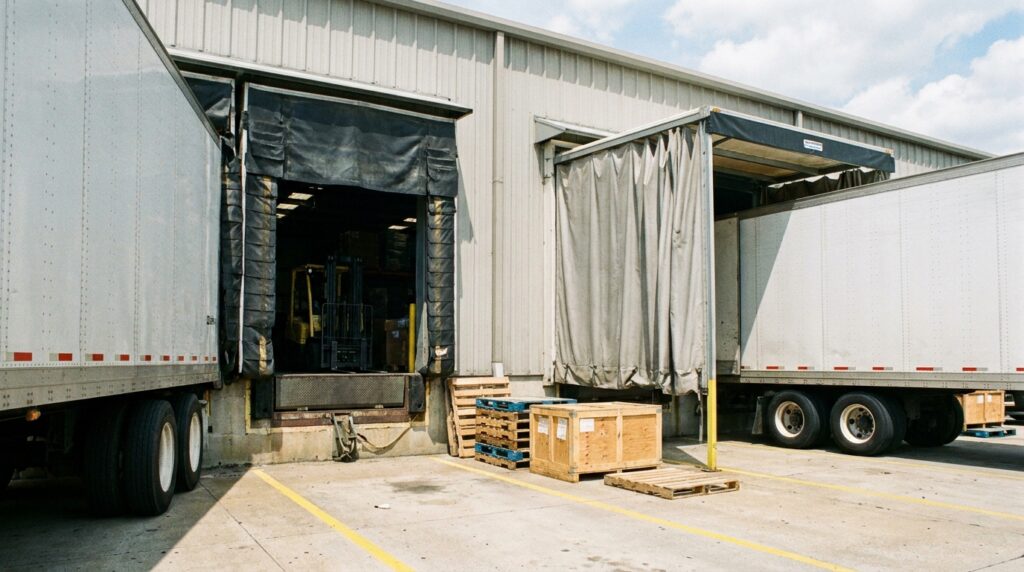
Optimizing Warehouse Efficiency: Understanding Dock Seals vs. Dock Shelters
In the demanding world of industrial material handling, efficiency, safety, and cost-effectiveness are paramount. For warehouse and facility managers, optimizing every aspect of operations is a constant pursuit. One critical area often overlooked or misunderstood is the protection of incoming and outgoing goods, as well as the working environment at the loading dock. This is where the strategic deployment of dock seals and dock shelters becomes a vital consideration. While both serve the purpose of creating a seal between a docked vehicle and a building opening, their design, functionality, and ideal applications differ significantly. Understanding these nuances is key to making informed purchasing decisions that enhance productivity, reduce energy waste, and improve worker comfort.
This article will delve deep into the world of dock seals and dock shelters, dissecting their fundamental differences, exploring their respective advantages and disadvantages, and providing practical guidance on selecting the right solution for your specific warehouse needs. We will examine the technical aspects of each, consider crucial safety implications, and touch upon maintenance best practices. For purchasing professionals and safety managers, this comprehensive guide will equip you with the knowledge to evaluate your current setup and identify opportunities for improvement.
For those looking to deepen their understanding of the distinctions between dock seals and dock shelters, a related article that provides valuable insights is available at this link: Dock Seals vs. Dock Shelters: Differences and Applications. This resource outlines the specific applications and benefits of each option, helping businesses make informed decisions about their loading dock needs.
The Core Functionality: Creating a Barrier at the Dock Door
At their heart, both dock seals and dock shelters are designed to bridge the gap between the building’s interior and the trailer or truck bed. This seemingly simple function is critical for several reasons:
- Environmental Control: They prevent the ingress of outside air, which can carry dust, debris, insects, and pollutants into the warehouse. This is particularly important for facilities handling food, pharmaceuticals, or other sensitive materials where contamination control is essential.
- Energy Savings: By creating a seal, they minimize the escape of conditioned air (heated or cooled) from the building. This directly translates to reduced energy consumption for HVAC systems, leading to significant cost savings over time.
- Product Protection: They shield goods from adverse weather conditions like rain, snow, wind, and extreme temperatures during the loading and unloading process. This helps prevent damage to products, reducing spoilage and returns.
- Worker Comfort and Safety: A well-sealed dock door creates a more stable and comfortable working environment for personnel. It reduces drafts, noise levels, and exposure to the elements, contributing to improved safety and morale.
Despite this shared fundamental purpose, the way dock seals and dock shelters achieve this seal, and the scenarios in which they excel, are distinct.
Dock Seals: The Art of Compression
Dock seals, often referred to as compressible dock seals or dock bumpers, rely on the principle of compression to create a seal. They are typically constructed from heavy-duty, abrasion-resistant fabrics, often vinyl or treated canvas, filled with high-density foam. These foam-filled pads are mounted around the perimeter of the dock door opening.
Design and Operation of Dock Seals
When a trailer backs into a dock, its top and sides compress the foam pads of the dock seal. The goal is to create a snug fit that effectively blocks the gaps between the trailer and the building.
- Construction: The most common types of dock seals involve two vertical pads and a head pad. The vertical pads are typically angled to guide the trailer into position and provide a broader surface area for compression. The head pad, positioned above the door, completes the seal. Some configurations might include additional side curtains for enhanced protection.
- Materials: The fabric used must be durable enough to withstand constant friction from trailers and exposure to varying weather conditions. High-density foam is crucial for effective compression and a lasting seal.
- Mechanism: The compression happens naturally as the trailer engages with the seals. There are no complex mechanical parts involved in the sealing process itself.
Applications for Dock Seals
Dock seals are best suited for situations where a high degree of sealing is required and where the trailers backing into the dock are relatively uniform in height and width.
- High-Security Environments: For facilities needing to prevent the ingress of air, dust, and vermin, such as in food processing plants, pharmaceutical warehouses, or cleanroom operations, dock seals offer excellent protection.
- Temperature-Controlled Warehouses: In cold storage or climate-controlled facilities, minimizing air infiltration is paramount to maintaining internal temperatures and reducing energy costs. Dock seals excel in these applications.
- Facilities with Consistent Trailer Types: If your operation primarily receives trailers of a similar size and configuration, dock seals can provide a very effective and consistent seal.
- Protection from the Elements: They offer good protection against rain, snow, and wind, keeping the loading dock area dry and safe.
Advantages of Dock Seals
- Superior Sealing: When properly fitted and used with appropriate trailer sizes, dock seals offer the tightest seal among the two options, minimizing air infiltration.
- Energy Efficiency: Their excellent sealing capability directly contributes to significant energy savings by preventing conditioned air loss.
- Product Protection: They provide robust protection against environmental contaminants and weather, safeguarding product integrity.
- Worker Comfort: By reducing drafts and noise, they create a more pleasant and productive working environment.
- Simplicity: Their design is straightforward, with minimal moving parts, leading to potentially lower maintenance needs in that regard.
Disadvantages of Dock Seals
- Trailer Uniformity Requirement: Dock seals are less forgiving with variations in trailer heights, widths, and widths of side-to-side clearances. If trailers are significantly different, the seal may not be effective, or it could even damage the trailer or the seal itself.
- Potential for Wear and Tear: Constant compression from trailers can lead to wear on the foam and fabric over time, requiring eventual replacement.
- Limited Visibility: The structure of the pads can sometimes obstruct the driver’s view during backing, necessitating careful trailer positioning.
- Not Ideal for All Trailer Types: Special trailers like flatbeds, open-top trailers, or those with irregular loading mechanisms might not be compatible with standard dock seals.
Dock Shelters: The Art of Enclosure
Dock shelters, in contrast to dock seals, create an enclosed tunnel or curtain around the trailer opening. Instead of relying on compression, they are designed to surround the trailer’s rear, forming a barrier that keeps the elements out while allowing for a wider range of trailer sizes and types.
Design and Operation of Dock Shelters
Dock shelters typically consist of a steel frame with flexible curtains or bellows that extend from the building wall to surround the docked vehicle.
- Construction: The frame is usually made of steel and supports the curtain material. The curtains are often made of durable, tear-resistant fabrics like vinyl, reinforced with steel or polymer supports to maintain their shape and provide a seal. The curtains are designed to slide or pivot, allowing the trailer to back in.
- Types of Dock Shelters:
- Retractable Dock Shelters: These are common and feature curtains that pull back or pivot as the trailer backs in, creating an opening for the vehicle. When the trailer is docked, the curtains form a seal.
- Full-Height Dock Shelters: These provide complete coverage of the trailer opening.
- Header-Type Dock Shelters: These have a fixed header and retractable side curtains.
- Adjustable Dock Shelters: Some models allow for adjustments to accommodate different trailer heights.
- Mechanism: The seal is created by the curtain material enveloping the trailer. The flexible nature of the curtains allows them to adapt to the trailer’s shape.
Applications for Dock Shelters
Dock shelters are a versatile solution, particularly beneficial in environments with varied trailer sizes or when full access to the trailer opening is required.
- Varied Trailer Sizes and Types: This is the primary advantage of dock shelters. They can effectively accommodate a wide range of trailer heights, widths, and even some irregular shapes, making them ideal for operations receiving diverse shipments.
- High-Volume Loading/Unloading: When quick and efficient loading and unloading are critical, the flexibility of dock shelters can be advantageous.
- Facilities with Irregular Dock Openings: If your building has unique dock opening dimensions, adjustable or custom dock shelters can be configured to fit.
- Protection from Severe Weather: They offer robust protection against wind, rain, and snow, keeping the dock area operational even in adverse conditions.
- When Full Access is Needed: For certain loading processes that require unobstructed access to the entire trailer opening, a dock shelter can be a better choice than a seal.
Advantages of Dock Shelters
- Versatility: Their biggest strength lies in their ability to accommodate a wide variety of trailer sizes and types, reducing the risk of an incomplete seal due to trailer variation.
- Excellent Environmental Protection: They provide a strong barrier against wind, rain, snow, and dust, keeping the warehouse interior clean and dry.
- Improved Worker Safety: By creating a more enclosed environment, they reduce exposure to the elements, making the loading dock a safer place to work.
- Energy Savings: While perhaps not as absolute as a perfectly fitted dock seal, they still offer significant energy savings by limiting air infiltration.
- Greater Access: They can provide more open access to the trailer compared to some dock seal designs.
Disadvantages of Dock Shelters
- Potential for Curtain Damage: The flexible curtains can be susceptible to damage from forklifts or careless trailer maneuvering, requiring regular inspection and repair.
- Less Absolute Seal: While effective, they may not achieve the same level of air tightness as a perfectly fitted dock seal in ideal conditions.
- Higher Initial Cost: Dock shelters can sometimes have a higher upfront cost compared to basic dock seals.
- Maintenance of Moving Parts: Retractable or adjustable shelters may have more mechanical components that require maintenance.
- Reduced Visibility: Similar to dock seals, the curtain structure can sometimes impact driver visibility, though designs vary.
For those interested in understanding the nuances of loading dock equipment, a related article that delves deeper into the topic is available at Fredon Handling. This resource provides valuable insights into the various factors to consider when choosing between dock seals and dock shelters, highlighting their specific applications and benefits in different operational contexts. Exploring this article can help businesses make informed decisions to optimize their loading and unloading processes.
Key Selection Criteria: Making the Right Choice
Choosing between dock seals and dock shelters isn’t a one-size-fits-all decision. Several factors must be carefully considered to ensure you invest in the solution that best meets your operational needs.
Trailer Fleet Analysis
The first and perhaps most critical factor is the nature of your incoming trailer fleet.
- Uniformity: If your operation consistently receives trailers of similar dimensions, dock seals are a strong contender.
- Variety: If you encounter a wide range of trailer heights, widths, and even types (e.g., box trucks, straight trucks, trailers with varying rear door configurations), dock shelters offer superior adaptability.
Environmental Conditions
The external climate and your warehouse’s internal environmental requirements play a significant role.
- Temperature Control: For highly temperature-sensitive environments (cold storage, climate-controlled storage), the superior sealing capability of dock seals may be a deciding factor. However, well-designed dock shelters can also provide excellent thermal performance.
- Contamination Control: If preventing dust, pests, or other airborne contaminants is paramount, the tight seal of dock seals is advantageous.
- Weather Extremes: In areas with heavy rain, snow, or strong winds, both can offer protection, but the enclosing nature of shelters might provide a slight edge in severe conditions.
Loading and Unloading Processes
The specific activities that occur at your dock doors will influence the best choice.
- Speed and Volume: If rapid, high-volume throughput is essential, the ease of trailer entry and exit with some dock shelter designs might be beneficial.
- Access Needs: Certain loading methods may require more unobstructed access to the trailer interior, where a dock shelter might be more suitable.
- Product Sensitivity: The degree of protection required for the goods being handled is a crucial consideration.
Budget and Total Cost of Ownership
While initial cost is a factor, it’s essential to consider the total cost of ownership over the lifespan of the equipment.
- Initial Investment: Dock seals often have a lower initial purchase price.
- Energy Savings: Quantify the potential energy savings from each solution based on your facility’s energy costs and the expected sealing performance.
- Maintenance and Repair: Factor in the ongoing costs of maintaining and repairing the equipment. Curtain damage in shelters can be a recurring cost if not managed carefully.
- Product Loss: Consider the potential cost of product damage or spoilage due to inadequate sealing.
Safety and Ergonomics
The well-being of your employees should always be a top priority.
- Visibility: Assess how each solution impacts driver visibility during backing maneuvers. Clearer lines of sight contribute to fewer accidents.
- Worker Comfort: The reduction of drafts, noise, and exposure to the elements directly impacts worker comfort and can reduce fatigue and improve morale.
- Slip and Fall Hazards: Consider how each solution might affect the dryness of the loading dock floor, reducing slip and fall risks.
When considering the best options for your loading dock, it’s essential to understand the distinctions between dock seals and dock shelters, as each serves unique purposes in protecting your facility from the elements. For a more in-depth exploration of these products and their applications, you can refer to a related article that delves into various loading dock solutions available today. This resource can provide valuable insights to help you make an informed decision about which option might best suit your operational needs. To learn more, visit this informative article.
Safety Considerations and Best Practices
Regardless of whether you choose dock seals or dock shelters, safety must be integrated into their selection, installation, and ongoing use.
Installation and Proper Fit
- Professional Installation: Always opt for professional installation to ensure the equipment