
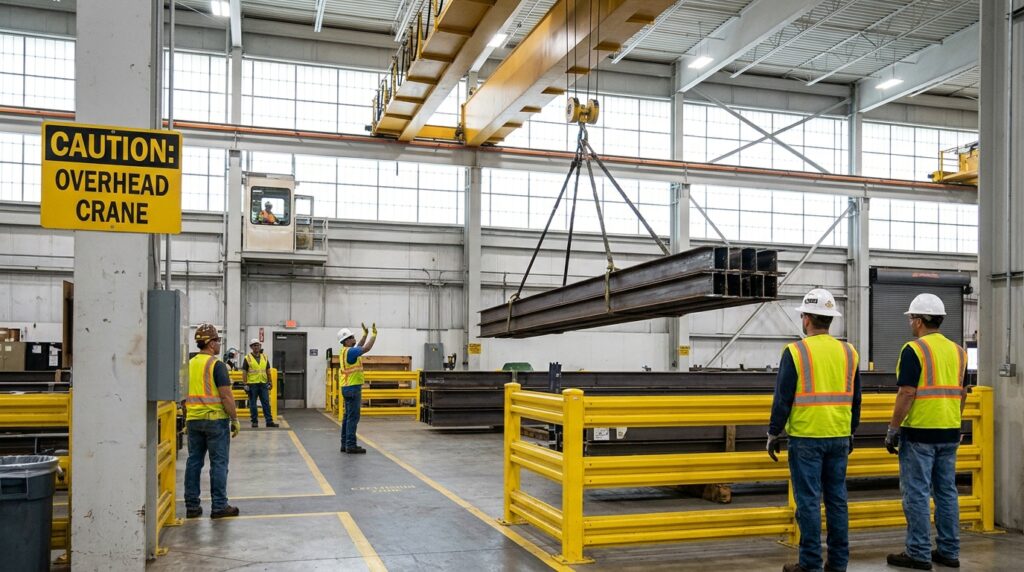
SEO Title: Overhead Crane Safety: Mitigating Hazards and Ensuring Operational Excellence
Meta Description: Discover essential overhead crane safety protocols for manufacturing and warehousing. Learn about common hazards, best practices, inspection guidelines, and maintenance tips from Fredon Handling.
URL Slug: overhead-crane-safety-hazards-best-practices
Understanding Overhead Crane Safety: A Critical Imperative for Industrial Operations
In the complex and demanding environment of manufacturing, warehousing, and heavy industry, the overhead crane stands as a vital piece of machinery. Its ability to lift and move substantial loads with precision is indispensable. However, this power also carries inherent risks. A comprehensive understanding and strict adherence to overhead crane safety protocols are not merely regulatory requirements; they are fundamental to preventing accidents, protecting personnel, safeguarding valuable assets, and ensuring uninterrupted operational efficiency.
This article delves into the critical aspects of overhead crane safety, from identifying common hazards to implementing robust best practices. We will explore the roles of different stakeholders in maintaining a safe working environment and highlight the importance of continuous training, diligent inspection, and proactive maintenance. For manufacturing managers, warehouse operators, engineers, maintenance teams, and industrial equipment buyers, grasping these principles is paramount to mitigating risks and achieving operational excellence.
For those interested in enhancing their understanding of overhead crane safety, it’s essential to also consider the broader context of material handling in warehouses. A related article that provides valuable insights is titled “Top Material Handling Equipment for Efficient Warehouse Operations.” This article discusses various equipment types and their impact on safety and efficiency in warehouse settings. You can read it here: Top Material Handling Equipment for Efficient Warehouse Operations.
Common Hazards Associated with Overhead Cranes and Their Mitigation
The operation of overhead cranes, while routine in many industrial settings, presents a range of potential hazards. Recognizing these dangers is the first step in developing effective safety strategies. These hazards can arise from equipment malfunction, human error, environmental factors, or inadequate operational procedures.
Load Handling Errors
Improper rigging, overloading, and off-center loads are frequent sources of danger. A load that is not secured correctly can shift or fall during transit, leading to severe damage or injury. Overloading can stress the crane’s structural components, potentially causing failure. Off-center loads can create unstable lifting conditions and unintended swings.
Best Practices:
- Rigging Proficiency: Ensure only trained and certified personnel perform rigging operations. They must understand load capacities, proper sling selection, and hitching techniques. Refer to ASME B30.20 for specific requirements on below-the-hook lifting devices.
- Load Chart Adherence: Operators must strictly consult and adhere to the crane’s load chart, which specifies the maximum weight that can be lifted safely under various configurations.
- Center of Gravity Awareness: Riggers and operators must identify the load’s center of gravity and ensure it is directly below the lifting hook to maintain stability.
- Controlled Movement: Operators should lift loads slowly and deliberately, avoiding sudden starts, stops, or sharp turns that can cause swinging.
Electrical Hazards
Overhead cranes are powered by electricity, introducing risks of electrocution and fires. Damaged or frayed electrical components, inadequate grounding, and improper handling of power sources can all lead to serious incidents.
Best Practices:
- Regular Inspections: Conduct frequent visual inspections of power cables, festoon systems, control panels, and electrical enclosures for any signs of damage, wear, or corrosion.
- Qualified Technicians: All electrical maintenance and repair work must be performed by qualified electricians who understand the specific electrical systems of the crane.
- Emergency Stops: Ensure all emergency stop buttons are clearly visible, accessible, and regularly tested.
- Lockout/Tagout Procedures: Implement strict lockout/tagout (LOTO) procedures during any maintenance or repair work to de-energize the equipment and prevent accidental startup. This aligns with OSHA 29 CFR 1910.147.
Mechanical Failures and Structural Integrity
Wear and tear on critical crane components, such as hoist mechanisms, brakes, gears, and structural beams, can lead to sudden failures. Aging equipment or inadequate maintenance can exacerbate these risks.
Best Practices:
- Comprehensive Inspection Program: Establish a rigorous inspection schedule, including daily operator checks, monthly detailed inspections by a designated person, and annual inspections by a qualified professional. Refer to OSHA requirements and ASME B30.2 for detailed inspection criteria.
- Preventive Maintenance: Develop and follow a proactive preventive maintenance program. This includes scheduled lubrication, adjustment of brakes, tightening of bolts, and replacement of worn parts before they fail.
- Component Monitoring: Utilize condition monitoring technologies where feasible to detect early signs of wear or impending failure in critical components like hoist ropes or gears.
- Load Testing: Periodic load testing, as mandated by regulations and manufacturer guidelines, is crucial to verify the crane’s structural integrity and lifting capacity.
Operator Errors and Inexperience
Human error remains a significant factor in crane accidents. Inexperienced operators, fatigue, distraction, or a lack of understanding of safe operating procedures can lead to critical mistakes.
Best Practices:
- Rigorous Operator Training: Implement a comprehensive training program that covers crane operation principles, load handling techniques, emergency procedures, and hazard recognition. Certification requirements, often aligned with ASME B30 standards, should be met.
- Competency Assessment: Regularly assess operator competency through practical evaluations and knowledge tests to ensure they maintain their skills and understanding.
- Supervision and Guidance: Provide adequate supervision, especially for new operators, and ensure that experienced operators are available to offer guidance and support.
- Fatigue Management: Promote a workplace culture that recognizes and addresses operator fatigue, encouraging breaks and ensuring operators are fit for duty.
Environmental Hazards and Site Conditions
The operational environment itself can pose risks. Poor lighting, obstructed visibility, slippery surfaces, and nearby obstructions can contribute to accidents.
Best Practices:
- Clear Work Zones: Designate clear and unobstructed crane operating paths. Ensure no personnel or equipment are present in the lifting zone without proper clearance.
- Adequate Lighting: Maintain sufficient lighting in areas where cranes operate to ensure good visibility for operators and ground personnel.
- Housekeeping: Implement strict housekeeping standards to keep walkways, crane bays, and operational areas free from debris, oil, or other slip hazards.
- Communication: Establish clear communication protocols between crane operators and ground personnel through signals, radios, or other approved methods.
Implementing a Robust Overhead Crane Safety Program
A truly effective overhead crane safety program goes beyond simply acknowledging hazards; it involves establishing systematic processes, fostering a safety culture, and ensuring continuous improvement.
Training and Competency Assurance
Investing in thorough and ongoing training for all personnel involved with overhead cranes is non-negotiable. This includes operators, riggers, maintenance staff, and even supervisors who oversee crane operations.
Key Training Components:
- Crane Operation Fundamentals: Understanding the crane’s controls, limitations, and operational modes.
- Load Chart Interpretation: Ability to read and apply load charts accurately for various lifting configurations.
- Rigging Techniques: Proper selection and use of slings, shackles, and other lifting accessories according to ASME B30.9 and B30.26 standards.
- Hazard Recognition and Risk Assessment: Identifying potential dangers in the work environment and during operation.
- Emergency Procedures: Knowing how to respond to equipment malfunctions, power failures, or accidents.
- OSHA and ASME Standards: Familiarity with relevant regulatory requirements and industry best practices.
Beyond Initial Training:
- Refresher Courses: Conduct regular refresher training to reinforce knowledge and update personnel on any changes in procedures or regulations.
- On-the-Job Coaching: Provide continuous on-the-job coaching and mentorship to operators, especially those new to specific crane types or tasks.
- Performance Monitoring: Track operator performance and identify areas where additional training or support might be needed.
Fredon Handling offers comprehensive crane operator training and certification programs designed to meet and exceed industry standards, ensuring your team is equipped with the knowledge and skills to operate safely and efficiently.
Inspection and Maintenance Regimes
A well-defined inspection and maintenance schedule is the backbone of reliable and safe crane operation. This encompasses both routine checks and in-depth technical evaluations.
Types of Inspections:
- Daily Operator Inspections: A quick visual check by the operator before each shift to identify obvious defects (e.g., damaged ropes, leaks, visible wear).
- Monthly Inspections (by a Designated Person): More detailed visual inspection of all functional components, including brakes, hoist chains/ropes, limit switches, and electrical systems.
- Annual Inspections (by a Qualified Inspector): Comprehensive inspection of all components, including functional tests, load tests (if applicable), and examination of structural integrity. This should be performed by a qualified person, often a certified crane inspector. Refer to OSHA 29 CFR 1910.179(j) and ASME B30.2 for specific guidance on inspection frequencies and criteria.
Preventive Maintenance:
- Lubrication Schedules: Following manufacturer recommendations for lubricating moving parts to reduce friction and wear.
- Brake Adjustments and Inspections: Ensuring brakes are functioning correctly and adjusting them as needed.
- Electrical System Checks: Verifying connections, testing controls, and inspecting for insulation breakdown.
- Component Replacement: Proactively replacing worn or damaged parts, such as hoist ropes, hooks, or trolley wheels, before they fail.
Fredon Handling provides expert crane maintenance services and can assist in developing customized preventive maintenance plans tailored to your specific equipment and operational needs. Our technicians are highly skilled in diagnosing and resolving issues to keep your cranes in optimal condition.
Load Charts and Capacity Management
Understanding and respecting the load capacity of any crane is paramount. Overloading is a leading cause of crane failure and accidents.
Key Considerations:
- Load Chart Visibility: Load charts must be readily accessible to the operator and clearly legible.
- Understanding Load Combinations: Operators must account for the weight of the hook, block, slings, and any other rigging equipment when calculating the total load.
- Environmental Factors: Wind, side loading, and uneven ground can affect the crane’s actual lifting capacity and stability.
- Weight Verification: Whenever possible, verify the weight of loads before lifting, especially for unfamiliar or custom-manufactured items.
Fredon Handling offers a wide range of overhead cranes with detailed specifications, including accurate load charts. Our team can also advise on selecting the right crane capacity for your specific material handling requirements.
Safety Equipment and Personal Protective Equipment (PPE)
Beyond the crane itself, the safety of personnel is paramount. This involves ensuring the crane is equipped with necessary safety features and that all individuals in the vicinity use appropriate PPE.
Crane-Mounted Safety Features
Modern overhead cranes come equipped with various safety features designed to prevent accidents. Ensuring these are functional and regularly inspected is crucial.
Examples of Safety Features:
- Limit Switches: These devices prevent the hook block from traveling beyond its safe upper or lower limits, preventing collisions with the trolley or bridge.
- Overload Protection Devices: These systems detect if the load exceeds the crane’s rated capacity and automatically shut down operation or provide an audible/visual warning.
- Brakes: Hoist and travel brakes are essential for controlling movement and preventing uncontrolled descent of the load.
- Warning Lights and Audible Alarms: These alert personnel to the crane’s movement or specific operational states.
- Emergency Stop Buttons: Strategically placed buttons that allow for immediate shutdown of all crane functions in an emergency.
Fredon Handling can advise on the best safety features for your specific crane applications and provide replacement parts for existing safety mechanisms.
Personal Protective Equipment (PPE)
All personnel working in areas where overhead cranes operate must wear appropriate PPE. This serves as a last line of defense against potential hazards.
Essential PPE:
- Hard Hats: To protect against falling objects.
- Safety Glasses or Goggles: To protect eyes from debris or flying particles.
- Steel-Toed Safety Boots: To protect feet from falling objects or crushing hazards.
- High-Visibility Vests: To ensure personnel are easily seen by crane operators, especially in busy environments.
- Hearing Protection: In areas with high noise levels from crane operation or other machinery.
- Gloves: To protect hands during rigging operations or when handling loads.
It is crucial to have a clearly defined policy on PPE requirements and to ensure its consistent use through regular supervision and enforcement.
In addition to understanding the common hazards and best practices associated with overhead crane safety, it is also beneficial to explore the various types of equipment available for enhancing safety in the workplace. A related article can provide insights into the latest innovations and products designed to improve operational efficiency and reduce risks. For more information on these essential tools, you can visit this link which details a range of products that can help ensure safer crane operations.
Regulatory Compliance and Industry Standards
Adhering to regulatory requirements and industry standards is fundamental to achieving and maintaining overhead crane safety. These frameworks provide the guidelines necessary to minimize risks and ensure accountability.
OSHA Regulations
The Occupational Safety and Health Administration (OSHA) sets forth numerous standards applicable to overhead cranes, particularly in OSHA 29 CFR 1910 Subpart N, Material Handling and Storage, which includes 1910.179 Overhead and Gantry Cranes. Key aspects covered include:
- Design and Construction: Requirements for new and existing cranes.
- Inspection and Testing: Mandated frequencies and procedures for inspections.
- Operation: Rules regarding operator qualifications, signaling, and prohibited practices.
- Maintenance: Guidelines for safe maintenance procedures.
- Load Testing: Requirements for proof load testing.
Compliance with OSHA regulations is not only a legal obligation but also a critical component of a safe workplace.
ASME Standards
The American Society of Mechanical Engineers (ASME) develops consensus standards that are widely recognized and often incorporated by reference into OSHA regulations. For overhead cranes, key ASME B30 standards include:
- ASME B30.2: Safety Standard for Overhead and Gantry Cranes (Top Running Bridge, Single Girder, Electric Powered).
- ASME B30.9: Slings.
- ASME B30.10: Hooks.
- ASME B30.20: Below-the-Hook Lifting Devices.
- ASME B30.26: Mechanical Strength of Components.
These standards provide detailed technical guidance on the safe design, construction, inspection, testing, and use of cranes and related equipment.
The Role of Fredon Handling in Ensuring Compliance
At Fredon Handling, we are deeply committed to helping our clients achieve and maintain the highest standards of overhead crane safety and regulatory compliance. Our expertise spans:
- Crane Sales and Specification: We provide cranes that meet or exceed current safety standards, with detailed documentation for compliance. Explore our overheas crane solutions.
- Custom Engineering: For specialized applications, our engineers can design custom lifting solutions that adhere to all relevant safety codes.
- Inspection and Certification: We offer professional crane inspection services, including initial certifications and periodic safety audits, to ensure your equipment is compliant.
- Parts and Service: We supply genuine crane replacement parts and provide expert repair and refurbishment services to maintain the integrity and safety of your existing equipment.
- Safety Training: We can assist in developing and delivering tailored safety training programs for your personnel, covering operator best practices, rigging safety, and inspection protocols.
In addition to understanding the common hazards associated with overhead crane operations, it’s essential to explore best practices for ensuring safety in the workplace. A valuable resource that delves deeper into this topic can be found in a related article, which offers insights on how to effectively mitigate risks and enhance safety protocols. For more information, you can visit this link to connect with experts who can provide tailored advice and solutions for your specific needs.
Choosing the Right Overhead Crane for Your Needs
Selecting the appropriate overhead crane is a critical decision that impacts safety, efficiency, and long-term operational costs. A thorough needs assessment is essential.
Factors to Consider
- Load Capacity: Determine the maximum weight the crane will need to lift, considering future needs.
- Span and Lift Height: Measure the distance the crane needs to cover (span) and the vertical distance the load needs to be lifted.
- Duty Cycle: How frequently and for how long will the crane be in operation? This influences the required robustness and motor sizing.
- Environment: Consider factors like temperature, humidity, dust, and the presence of corrosive materials.
- Power Source: Availability and type of electrical power.
- Control Type: Pendant control, radio remote control, or cabin control.
- Existing Infrastructure: Compatibility with existing building structures and support systems.
Types of Overhead Cranes
Fredon Handling offers a diverse range of overhead crane types to suit various industrial applications:
- Single Girder Overhead Cranes: Ideal for lighter loads and shorter spans, offering cost-effectiveness.
- Double Girder Overhead Cranes: Suitable for heavier loads, longer spans, and higher lifting capacities, providing greater hook height.
- Workstation Cranes (Jib Cranes, Boom Cranes): For localized lifting within a specific work area, offering precise positioning.
- Explosion-Proof Cranes: Designed for hazardous environments where flammable materials are present, meeting stringent safety requirements.
Our team of experts at Fredon Handling works closely with clients to understand their unique operational challenges and recommend the most suitable overhead crane system, ensuring safety, performance, and value.
Frequently Asked Questions About Overhead Crane Safety
Q1: How often should an overhead crane be inspected?
A1: OSHA mandates inspections based on frequency and type. Operators should perform daily visual checks. A designated person should conduct more detailed monthly inspections. A qualified inspector must perform a comprehensive annual inspection. Specific frequencies for specific components and types of cranes are detailed in OSHA 29 CFR 1910.179 and ASME B30.2.
Q2: What is the most common cause of overhead crane accidents?
A2: While multiple factors can contribute, operator error, improper rigging, and equipment malfunction due to inadequate maintenance are among the most frequent causes of overhead crane accidents.
Q3: Who is responsible for ensuring overhead crane safety?
A3: Safety is a shared responsibility. Management is responsible for providing a safe working environment, proper equipment, training, and oversight. Operators are responsible for safe operation and reporting defects. Maintenance personnel are responsible for keeping equipment in good working order. All employees have a responsibility to follow safety procedures and report hazards.
Q4: What is the role of a load chart?
A4: A load chart, provided by the crane manufacturer, is a critical document that specifies the maximum weight a crane can safely lift at different configurations (e.g., boom extension, radius). It is essential for operators to understand and strictly adhere to the load chart to prevent overloading.
Q5: Can Fredon Handling assist with retrofitting safety features onto existing cranes?
A5: Yes, Fredon Handling has the expertise to assess existing crane systems and recommend appropriate safety upgrades, such as installing overload protection devices, modernizing control systems, or enhancing warning systems. We offer a range of crane modernization services.
Conclusion: Prioritizing Safety for a Productive Future
Overhead crane safety is not a task to be completed; it is an ongoing commitment that requires vigilance, training, and a proactive approach to maintenance and operation. By understanding the common hazards, implementing robust safety programs, adhering to regulatory requirements, and investing in the right equipment and expertise, businesses can significantly reduce the risk of accidents, protect their workforce, and ensure the efficient and reliable operation of their material handling systems.
Fredon Handling is your trusted partner in achieving and maintaining exceptional overhead crane safety standards. Our comprehensive solutions, from expertly engineered cranes and reliable replacement parts to professional inspection and maintenance services, are designed to support your operational excellence.
Don’t leave your overhead crane safety to chance. Contact Fredon Handling today to discuss your specific needs and discover how we can help you build a safer, more productive workplace.