
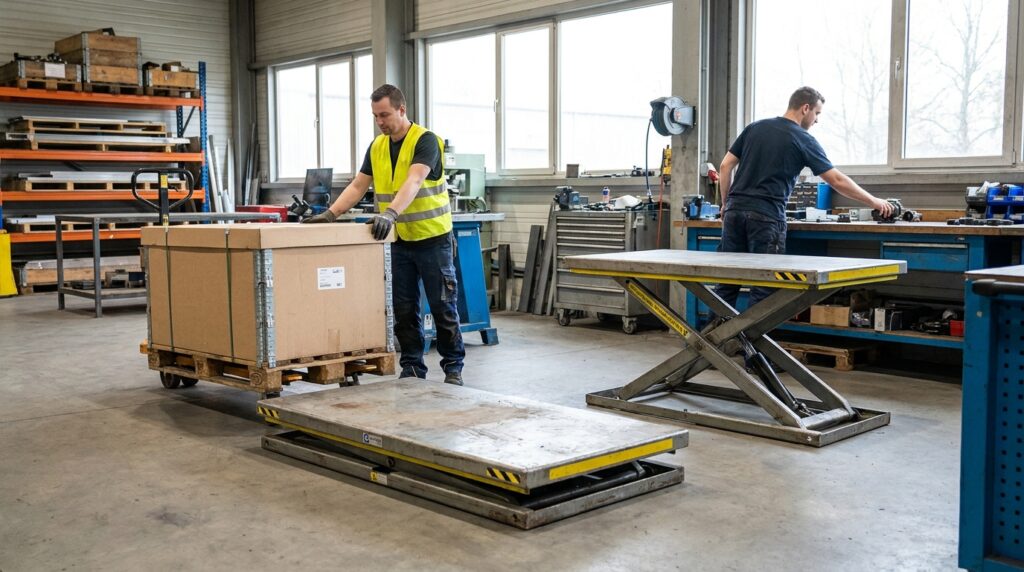
Revolutionizing Workflow: The Essential Guide to Low-Profile Lift Tables for Industrial Applications
In the intricate world of industrial operations, efficiency, safety, and ergonomic design are paramount. Every minute saved, every strain prevented, and every movement optimized translates directly into productivity gains and a healthier workforce. Within this landscape of critical equipment, low-profile lift tables emerge as unsung heroes, offering a unique blend of accessibility, versatility, and operational enhancement. These specialized lifting devices are engineered to bridge gaps, reduce manual handling, and streamline processes in environments where conventional equipment might prove cumbersome or insufficient. For industrial equipment buyers, meticulous engineers, and astute facility managers, understanding the profound impact and diverse applications of low-profile lift tables is not just beneficial – it’s essential for staying competitive and ensuring operational excellence.
At Fredon Handling, we specialize in providing innovative material handling solutions designed to meet the rigorous demands of modern industry. Our range of low-profile lift tables embodies this commitment, offering robust, reliable, and adaptable options for a multitude of applications. This comprehensive guide delves into the world of low-profile lift tables, exploring their fundamental uses, invaluable benefits, critical selection factors, and best practices for maintenance and safety. By the end of this article, you’ll have a clear understanding of how these indispensable tools can revolutionize your workflow, enhance operator well-being, and contribute significantly to your bottom line.
Low-profile lift tables are essential tools in various industries, offering numerous benefits such as improved ergonomics and increased efficiency in material handling. For a deeper understanding of how these lift tables can enhance workplace productivity and safety, you may find the article on material handling insights particularly useful. It discusses various equipment options and best practices in the industry. You can read more about it here: Material Handling Insights.
The Versatile Applications of Low-Profile Lift Tables in Industry
Low-profile lift tables, characterized by their minimal collapsed height, are specifically designed to reduce or eliminate the need for pits or ramps. This inherent advantage makes them exceptionally adaptable to a wide array of industrial settings and tasks where accessibility and ease of integration are crucial. Their utility spans across various sectors, from manufacturing and warehousing to assembly lines and logistics.
Bridging the Gap: Loading and Unloading Operations
One of the most common and impactful applications of low-profile lift tables is in facilitating smooth and safe loading and unloading processes. In warehouses and distribution centers, these tables are strategically placed at dock doors or between different floor levels.
Dock Leveling and Pallet Transfer
When receiving goods, forklifts or pallet jacks can easily maneuver pallets onto a low-profile lift table. The table is then raised to the height of the truck bed, allowing for seamless transfer of goods without the need for specialized dock levelers that require pit installation. Similarly, when dispatching goods, pallets can be loaded onto the table, raised, and then easily moved into waiting trucks. This application is particularly beneficial for facilities with limited space or where the cost and disruption of installing permanent dock levelers are prohibitive. The minimal collapsed height means they can be tucked away or integrated into existing floor layouts with minimal modification.
Roll-On/Roll-Off Efficiency
The low entry height of these tables makes them ideal for rolling carts, dollies, and even manual pallet trucks onto the platform. This is invaluable in environments where palletized loads are not the primary mode of transport or where goods are frequently handled in smaller, wheeled containers. For example, in the automotive industry, components often arrive on specialized carts. A low-profile lift table can be used to raise these carts to the appropriate working height for assembly line integration, eliminating the need for operators to stoop or reach.
Streamlining Assembly and Manufacturing Processes
Within the heart of manufacturing plants, low-profile lift tables play a critical role in optimizing ergonomic workstations and facilitating efficient material flow.
Ergonomic Workstations for Assembly
Operators on assembly lines often handle components of varying sizes and weights. A low-profile lift table positioned at an assembly station can bring parts to an optimal ergonomic working height, reducing the risk of musculoskeletal injuries. Workers can place bins or trays of components onto the table, adjust the height to their comfort, and then feed them into the assembly process. This not only improves worker well-being but also enhances precision and speed as operators are not fighting against gravity or awkward postures.
Machine Feeding and Part Presentation
In automated or semi-automated manufacturing, low-profile lift tables can be used to present parts to machinery at a consistent and accessible height. For instance, a table might hold a batch of components, and as the machine cycle begins, the table is incrementally raised to present the next part. This ensures a steady and predictable supply of materials to the production equipment, preventing bottlenecks and maintaining a continuous workflow. This is especially useful for smaller parts or those that require precise placement, as the lift table can provide a stable and controlled presentation.
Enhancing Material Handling in Warehousing and Logistics
Beyond dock operations, low-profile lift tables are integral to numerous internal material handling tasks within warehouses and distribution centers.
Improving Order Picking Efficiency
Order pickers often need to retrieve items from various shelving heights. While not a primary order picking tool in itself, a low-profile lift table can be positioned in strategic areas to assist in the staging of picked items. Pickers can place items onto the table, which can then be raised to a comfortable height for sorting, consolidation, or transfer to a packing station. This reduces bending and reaching, especially for heavier items or those stored at lower levels.
Inter-Floor Material Transfer
In multi-story warehouses, low-profile lift tables can act as compact, localized vertical transport solutions. Instead of relying solely on larger, centralized lifts or conveyor systems, multiple low-profile tables can be deployed to move smaller batches of goods between adjacent floors or mezzanines. This provides a flexible and modular approach to vertical material handling, ideal for facilities with varying throughput requirements across different levels.
Packaging and Skidding Operations
Once orders are picked and consolidated, they often need to be packaged and prepared for shipment. Low-profile lift tables are excellent for these operations. They can raise boxes or containers to a comfortable height for packing, sealing, and labeling. When it’s time to skid the consolidated shipment, the table can be lowered to the floor level, allowing for easy maneuvering of the packed items onto a pallet. Subsequently, the table can be raised again to facilitate the wrapping of the pallet.
Specialized and Niche Applications
The adaptability of low-profile lift tables extends to a surprising range of specialized uses.
Automotive Service and Maintenance
In automotive repair shops, low-profile lift tables can be used to raise vehicles for specific maintenance tasks that don’t require a full car lift. For example, they can be used to lift an axle or a drivetrain component to a convenient working height for inspection or repair. Their compact nature makes them easy to maneuver around a workshop.
Die and Mold Handling
In manufacturing environments that utilize heavy dies or molds, low-profile lift tables can provide a stable platform for their transfer and positioning. While heavy-duty die handlers are common, low-profile tables can be used for smaller, lighter dies or as supplementary support during changeovers, reducing the risk of injury during manual repositioning.
Pharmaceutical and Food Processing
In these highly regulated industries, hygiene and controlled environments are paramount. Stainless steel versions of low-profile lift tables are often employed to facilitate the movement and positioning of trays, vats, or packaging machinery. Their easy-to-clean surfaces and robust construction make them suitable for sterile environments. The minimal gap beneath the platform can also reduce areas where contaminants can accumulate.
The Multifaceted Benefits of Implementing Low-Profile Lift Tables
The widespread adoption of low-profile lift tables across diverse industries is a testament to the significant advantages they offer. These benefits extend beyond mere convenience, impacting operational efficiency, worker safety, and overall cost-effectiveness.
Enhancing Ergonomics and Worker Well-being
One of the most compelling arguments for low-profile lift tables lies in their direct contribution to workplace ergonomics.
Reducing Musculoskeletal Disorders (MSDs)
Repetitive bending, stooping, reaching, and lifting are primary causes of MSDs, leading to pain, lost productivity, and increased healthcare costs. Low-profile lift tables empower operators to work at an ideal height, eliminating the need for awkward postures. By bringing the workload to the worker, these tables significantly reduce the physical strain on the back, shoulders, and arms. This is particularly crucial for tasks involving frequent material handling or assembly.
Improving Operator Comfort and Productivity
When operators are comfortable and free from physical discomfort, their focus and productivity naturally increase. A low-profile lift table allows for a more natural and relaxed working posture, which can lead to faster task completion and fewer errors. The ability to easily adjust the table height to individual needs further enhances this comfort and personalizes the workspace.
Promoting a Safer Work Environment
Beyond specific ergonomic benefits, the inherent design of low-profile lift tables contributes to a safer overall work environment. By providing a stable and controlled platform for lifting and positioning materials, they reduce the risk of dropped loads, crushed limbs, and other common workplace accidents associated with manual handling.
Boosting Operational Efficiency and Throughput
The strategic implementation of low-profile lift tables can lead to substantial improvements in operational efficiency and overall throughput.
Minimizing Manual Handling Time
Tasks that previously involved significant manual lifting and repositioning can be drastically sped up with the use of low-profile lift tables. The controlled mechanical lift and lower functions significantly reduce the time spent on these physically demanding activities, freeing up operators to focus on value-added tasks.
Streamlining Workflow and Reducing Bottlenecks
By ensuring materials are consistently presented at the optimal height, low-profile lift tables help maintain a smooth and uninterrupted workflow. This is especially important in assembly lines and order fulfillment operations where delays in one stage can create significant bottlenecks downstream. The ease with which these tables can be integrated into existing layouts allows for quick implementation and immediate positive impact.
Facilitating Faster Loading and Unloading
As discussed in the applications section, the ability to quickly and safely load and unload trucks and other transport vehicles directly impacts turnaround times. Low-profile lift tables reduce the reliance on slower, more labor-intensive methods, allowing for quicker vehicle dispatch and receipt, which is critical in fast-paced logistics environments.
Cost-Effectiveness and Return on Investment (ROI)
Investing in low-profile lift tables, like those offered by Fredon Handling, can yield significant cost savings and a strong return on investment.
Reduced Injury-Related Costs
The prevention of MSDs and other lifting-related injuries directly translates into lower costs associated with workers’ compensation claims, medical expenses, and lost workdays. The upfront investment in lift tables is often recouped quickly through these savings.
Increased Output and Reduced Labor Costs
By improving efficiency and reducing the time required for manual tasks, low-profile lift tables can lead to increased output without necessarily increasing labor headcount. In some cases, the ability to handle more volume with the same staff can effectively reduce per-unit labor costs.
Longevity and Durability
Industrial-grade low-profile lift tables are built to withstand demanding operating conditions. With proper maintenance, they offer a long service life, minimizing replacement costs and ensuring a consistent return on investment over many years. Our selection at Fredon Handling prioritizes robust construction for lasting performance.
Flexibility and Adaptability
The versatile nature of these tables means they can be redeployed to different areas or used for various tasks as operational needs change. This flexibility avoids the need for specialized, single-purpose equipment and maximizes the value derived from the investment.
Enhanced Safety and Compliance
Safety is a non-negotiable aspect of industrial operations. Low-profile lift tables contribute significantly to maintaining a safe and compliant work environment.
Meeting Safety Regulations
Many workplace safety regulations (e.g., OSHA in the US) emphasize the reduction of manual handling risks. Implementing low-profile lift tables directly addresses these requirements, helping facilities meet compliance standards and avoid potential penalties.
Controlled Lifting and Positioning
Unlike manual lifting, which is inherently prone to error, lift tables provide a controlled and predictable lifting mechanism. This reduces the risk of accidents caused by sudden movements, unexpected shifts in load balance, or operator fatigue.
Reduced Risk of Dropped Loads
The stable platform and secure design of industrial lift tables minimize the likelihood of loads slipping or falling during transit or positioning. This protects both personnel and the integrity of the goods being handled.
Selecting the Right Low-Profile Lift Table for Your Needs
Choosing the appropriate low-profile lift table is crucial to maximizing its benefits and ensuring it aligns with your specific operational requirements. Fredon Handling offers a range of options, and considering the following factors will guide your decision-making process.
Understanding Your Load Requirements
The primary consideration is the weight and dimensions of the materials you intend to lift.
Maximum Load Capacity
Lift tables are rated for a specific maximum load capacity. It is essential to select a table that can safely handle your heaviest anticipated loads with a reasonable margin of safety. Overloading a lift table can lead to premature wear, damage, and potentially dangerous failures.
Load Dimensions and Stability
Consider the size and shape of the items being lifted. Will they fit securely on the platform? If you are lifting unstable loads, you may need to consider tables with additional safety features like perimeter guarding or specialized platforms.
Evaluating Platform Size and Configuration
The dimensions and configuration of the lift table’s platform are critical for ease of use and material compatibility.
Platform Size
Ensure the platform is large enough to accommodate your typical loads. A platform that is too small can lead to instability, while an unnecessarily large platform might take up too much valuable floor space.
Platform Edges and Accessibility
Consider the design of the platform edges. Some tables have beveled edges for easier roll-on/roll-off access, while others might have raised lips to prevent loads from sliding off. For specific applications, you might need a platform with cutouts or special configurations.
Determining Lift Height and Stroke Requirements
The range of vertical movement required for your application dictates the necessary lift stroke.
Minimum and Maximum Lift Height
Low-profile tables, by definition, have a very low collapsed height. However, the maximum extended height is equally important. Ensure the table can reach the highest point needed for your task and can also lower to the required ground or floor level.
Stroke Length
The stroke length is the total vertical travel distance of the lift table. This is directly related to the difference between your maximum required lift height and the minimum collapsed height.
Power Source and Control Options
The power source and control system should align with your facility’s infrastructure and operational preferences.
Power Options (Electric, Air, Hydraulic)
Most industrial low-profile lift tables are electrically powered, often with hydraulic actuation. Some may be available with air power for specific applications. Consider your facility’s power availability and any environmental considerations (e.g., explosion-proof requirements).
Control Systems (Foot Pedal, Hand Control, Automatic)
Lift tables are typically operated via foot pedals, hand-held pendant controls, or integrated control panels. Some advanced models offer programmable controls or automated activation for integration into larger systems. Choose a control system that is intuitive, safe, and efficient for your operators.
Material and Construction Considerations
The materials used in the construction of the lift table will impact its durability, suitability for specific environments, and maintenance requirements.
Durability and Build Quality
Look for robust construction, such as heavy-gauge steel frames and high-quality hydraulic components. Fredon Handling prioritizes durable materials and superior craftsmanship to ensure longevity.
Environmental Suitability (Stainless Steel, Painted Finishes)
If your application is in a corrosive environment (e.g., food processing, chemical plants), consider stainless steel models. Standard painted finishes are suitable for most general industrial applications.
Safety Features and Accessories
Safety should always be a top priority. Many low-profile lift tables offer additional safety features and accessories.
Safety Guarding and Interlocks
Perimeter guarding, emergency stop buttons, and electrical interlocks are essential safety features that prevent operation under unsafe conditions.
Wheel Chocks and Removable Rails
Accessories like wheel chocks can secure wheeled loads, while removable rails can enhance safety during lifting.
Maintenance Accessibility
Consider how easily the lift table can be accessed for routine maintenance and repairs. Easily accessible grease points and hydraulic components can significantly reduce downtime.
Low-profile lift tables are essential tools in various industries, providing efficient solutions for lifting and transporting heavy loads with ease. For those interested in learning more about optimizing workplace safety and productivity, a related article can be found that discusses the importance of ergonomic equipment in the workplace. You can explore this topic further by visiting this link, which offers insights into how the right tools can enhance operational efficiency.
Ensuring Safe Operation and Long-Term Reliability of Low-Profile Lift Tables
The safe and effective use of any industrial equipment hinges on adherence to proper operating procedures and a commitment to regular maintenance. Low-profile lift tables are no exception. By implementing robust safety protocols and a proactive maintenance schedule, you can ensure the longevity of your equipment, protect your workforce, and maintain peak operational efficiency.
Essential Safety Practices for Operating Low-Profile Lift Tables
Operating a lift table requires a degree of awareness and adherence to specific safety guidelines to prevent accidents and injuries.
Pre-Operation Checks
Before each use, operators should perform a visual inspection of the lift table. This includes checking for any visible damage, leaks in the hydraulic system, frayed electrical cords, or malfunctioning controls. Ensure the area around the lift table is clear of obstructions.
Load Securing and Centering
Always ensure that the load is properly centered on the platform and securely positioned. For wheeled loads, use wheel chocks or other restraints to prevent movement during lifting and lowering. Never exceed the rated load capacity of the table.
Controlled Operation
Operate the lift table smoothly and deliberately. Avoid sudden starts or stops. Keep hands and feet clear of moving parts and pinch points during operation. Never allow unauthorized personnel to operate the lift table.
Awareness of Surroundings
Be aware of your surroundings, especially when operating the lift table in busy areas. Ensure no personnel are positioned beneath the platform or in the path of the moving load. Use audible or visual warnings if necessary.
Emergency Stop Procedures
Familiarize yourself with the location and operation of the emergency stop button. In case of any unexpected or unsafe situation, immediately activate the emergency stop.
Training and Supervision
Ensure all operators are properly trained on the safe operation of the specific lift table model they will be using. Regular refresher training and direct supervision are crucial, especially in environments with high turnover.
Comprehensive Maintenance Guidance for Low-Profile Lift Tables
Regular and thorough maintenance is the cornerstone of ensuring the safe and reliable performance of your low-profile lift tables. A proactive approach will prevent costly breakdowns and extend the equipment’s lifespan.
Daily Checks
- Visual Inspection: As mentioned in safety practices, check for damage, leaks, and proper operation of controls.
- Platform Surface: Ensure the platform is clean and free from debris that could interfere with operation or create slip hazards.
Weekly Checks
- Hydraulic Fluid Level: Check the hydraulic fluid level and top up if necessary with the recommended fluid type. Low fluid levels can cause slow operation or system damage.
- Hydraulic Hoses and Connections: Inspect hydraulic hoses for signs of wear, cracking, or leaks. Ensure all connections are tight.
- Lubrication Points: Lubricate all pivot points, bearings, and scissor mechanisms according to the manufacturer’s recommendations. This is crucial for smooth operation and preventing wear.
Monthly Checks
- Electrical System: Inspect electrical connections for corrosion or damage. Ensure all safety interlocks and limit switches are functioning correctly.
- Fasteners and Bolts: Check that all bolts and fasteners are securely tightened. Vibrations can cause them to loosen over time.
- Scissor Mechanism: Inspect the scissor mechanism for any signs of bending, twisting, or excessive wear.
Annual or Semi-Annual Inspections (By Qualified Personnel)
- Hydraulic System Service: A qualified technician should inspect the hydraulic pump, cylinders, and valves for proper function and wear.
- Load Testing: Periodically, and as recommended by the manufacturer, perform a load test to verify the lift table’s capacity and structural integrity.
- Full System Check: A comprehensive inspection of all components, including safety features, operational controls, and structural elements, should be conducted by a trained professional.
Keeping Records
Maintain a detailed log of all maintenance activities, including inspections, repairs, and part replacements. This documentation is invaluable for tracking the equipment’s history, scheduling future maintenance, and demonstrating compliance with safety regulations.
Common Issues and Troubleshooting
- Slow Operation: This can be caused by low hydraulic fluid, air in the system, worn seals, or a faulty pump.
- Jerky Movement: Often due to air in the hydraulic system, worn bearings, or a need for lubrication.
- Inability to Lift to Full Height: Could indicate a hydraulic pressure issue, a malfunctioning valve, or an overloaded condition.
Always consult the manufacturer’s operation and maintenance manual for specific troubleshooting guidance for your model. Fredon Handling’s support team is also available to provide assistance.
FAQs About Low-Profile Lift Tables
Here are answers to some frequently asked questions about low-profile lift tables:
What is the main advantage of a “low-profile” lift table?
The primary advantage of a low-profile lift table is its exceptionally low collapsed height. This minimizes or eliminates the need for pit installations, making them easy to integrate into existing floor layouts and ideal for applications where a traditional scissor lift would require significant site modification.
Can low-profile lift tables be used for outdoor applications?
While most low-profile lift tables are designed for indoor industrial use, some models can be adapted for outdoor use with appropriate weatherproofing and material considerations. It’s essential to discuss your specific outdoor application requirements with Fredon Handling to ensure you select a suitable model.
What kind of maintenance is required for a low-profile lift table?
Regular maintenance typically includes daily visual inspections, weekly checks of hydraulic fluid levels and lubrication points, and monthly inspections of electrical and mechanical components. Annual or semi-annual inspections by qualified personnel are also recommended for a thorough system check.
Are custom configurations available for low-profile lift tables?
Yes, many manufacturers, including those that Fredon Handling partners with, offer custom configurations. This can include specialized platform sizes, shapes, materials, power options, and control systems to meet unique operational needs.
How do low-profile lift tables compare to traditional dock levelers?
Low-profile lift tables offer greater flexibility and are often a more cost-effective solution for intermittent loading/unloading or where pit installation is not feasible. Dock levelers are typically fixed installations designed for continuous, high-volume dock operations. A low-profile lift table can act as a portable or semi-permanent dock solution.
What safety features are most important to consider?
Key safety features include emergency stop buttons, perimeter guarding, overload protection, and safe operating controls. Always ensure the lift table has been properly inspected and maintained and that operators are fully trained.
Elevate Your Operations with Fredon Handling
In the dynamic and demanding landscape of industrial operations, efficiency, safety, and ergonomic design are not mere aspirations but necessities. Low-profile lift tables stand as powerful solutions, offering unparalleled versatility in bridging gaps, optimizing workflows, and safeguarding your most valuable asset: your people. From streamlining loading docks and assembly lines to enhancing order fulfillment and specialized manufacturing processes, the benefits of incorporating these robust machines are far-reaching and quantifiable.
At Fredon Handling, we are committed to providing the industrial equipment that drives your success. Our curated selection of high-quality low-profile lift tables, built for durability and performance, is designed to meet the rigorous demands of your industry. We understand that selecting the right equipment is a critical decision, and our team of experts is dedicated to assisting you at every step.
Don’t let outdated material handling methods hinder your productivity, compromise your safety, or inflate your operational costs. It’s time to explore how the strategic integration of low-profile lift tables can revolutionize your facility.
Contact Fredon Handling today to discuss your specific needs and discover the ideal low-profile lift table solution for your operation. Visit fredonhandling.com or call us at [Insert Phone Number] to schedule a consultation and request a quote.