
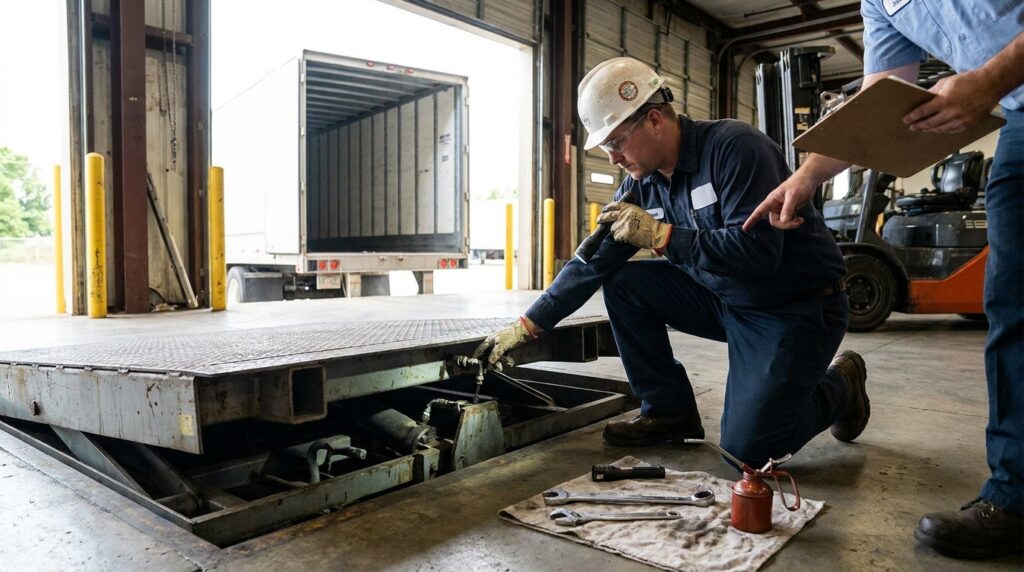
Optimizing Warehouse Efficiency Through Proactive Dock Leveler Maintenance
In the bustling heart of any industrial operation, the loading dock is a critical nexus of activity. It’s where raw materials enter, finished goods depart, and the flow of commerce is physically facilitated. At the forefront of this logistical ballet stands the dock leveler, a vital piece of equipment designed to bridge the gap between the warehouse floor and the trailer bed. For warehouse managers, facility managers, safety officers, and purchasing professionals, understanding and implementing robust dock leveler maintenance is not just good practice; it’s a cornerstone of operational efficiency, safety, and cost-effectiveness. Neglecting this crucial equipment can lead to costly downtime, damaged goods, and, most importantly, potential injuries. This article delves into the essential aspects of dock leveler maintenance, focusing on regular inspections, common troubleshooting scenarios, and best practices to ensure your loading dock operates at peak performance.
For those interested in enhancing their understanding of dock leveler maintenance, particularly in the areas of inspection and troubleshooting, a related article that delves into the broader topic of material handling is available. This resource provides valuable insights into the importance and methods of material handling, which can significantly impact the efficiency of dock operations. To explore this further, you can read the article here: Understanding Material Handling: Its Importance and Methods.
Understanding Your Dock Leveler: Types and Functionality
Before diving into maintenance, it’s crucial to have a foundational understanding of the different types of dock levelers and how they function. This knowledge aids in identifying potential issues and performing more targeted inspections.
Mechanical Dock Levelers
These are the workhorses of many loading docks, relying on a spring-loaded system. When the lip is pulled out, stored energy in the spring is released, allowing the lip to extend and the deck to rise. When a forklift or pallet jack drives onto the deck, its weight depresses the deck and forces the lip to rest on the trailer floor.
Key Components:
- Deck: The main platform that bridges the gap.
- Lip: The extending piece that rests on the trailer floor.
- Spring Assembly: The mechanism that powers the deck and lip.
- Frame: The structural support mounted to the dock edge.
- Hold-Downs: Devices that prevent the deck from bouncing during trailer departure.
Hydraulic Dock Levelers
Hydraulic dock levelers utilize a hydraulic power unit (pump, motor, cylinder) to lift the deck and extend the lip. They offer smoother operation, greater lifting capacity, and can often be controlled with a simple push-button.
Key Components:
- Deck: Similar to mechanical, but often heavier duty.
- Lip: Extends hydraulically.
- Hydraulic Cylinder: Pushes the deck up and out.
- Hydraulic Power Unit: Contains the motor, pump, and reservoir.
- Control Panel: For operating the leveler.
- Frame: Robustly built to support hydraulic components.
Air-Ramp Dock Levelers
These levelers use compressed air to raise and lower the deck. An air bladder inflates to lift the deck, and the lip is typically deployed mechanically or pneumatically. They are known for their quiet operation and ease of use.
Key Components:
- Deck: The primary surface.
- Lip: Extends for trailer engagement.
- Air Bag/Bags: Inflatable components that lift the deck.
- Air Compressor/Blower: Provides the compressed air.
- Control Panel: For air pressure and lip deployment.
- Frame: Mounts to the dock structure.
Choosing the Right Leveler: A Note for Purchasing Professionals
While this article focuses on maintenance, it’s worth mentioning that proper selection impacts longevity and maintenance needs. Factors like expected load weight, frequency of use, dock height variations, and environmental conditions (e.g., extreme temperatures, corrosive substances) should guide purchasing decisions. Consulting with an expert like Fredon Handling ensures you select a dock leveler that aligns with your operational demands, minimizing future maintenance headaches. Explore Fredon Handling’s Loading Dock Equipment category for options that suit your facility.
The Pillars of Preventative Maintenance: Regular Inspections
A well-structured inspection routine is the bedrock of effective dock leveler maintenance. It allows for early detection of wear and tear, preventing minor issues from escalating into major failures. A comprehensive inspection checklist should be developed and followed diligently by trained personnel.
Proper maintenance of dock levelers is crucial for ensuring safety and efficiency in loading operations. For those looking to deepen their understanding of this topic, a related article on dock leveler maintenance can provide valuable insights. You can explore this further in the article on dock leveler maintenance, which covers essential inspection techniques and troubleshooting tips to keep your equipment in optimal condition. Regular attention to these aspects can significantly reduce downtime and enhance productivity in your operations.
Daily Visual Checks: The First Line of Defense
These quick, yet vital, checks should be performed at the beginning of each shift or before the first use of the dock leveler.
- Clearance and Obstructions: Ensure the area around the dock leveler, including the pit and the approach, is free of debris, pallets, and any potential obstructions that could interfere with operation or cause damage.
- Visible Damage: Look for any obvious signs of damage to the deck, lip, frame, or safety components like impactable side guards.
- Lip Engagement: Verify that the lip extends and retracts smoothly without sticking or excessive play.
- Deck Movement: Observe the deck’s movement. It should operate smoothly, without sagging, grinding, or unusual noises.
- Hydraulic Fluid Levels (Hydraulic Models): For hydraulic levelers, check the hydraulic fluid reservoir. The level should be within the manufacturer’s recommended range. Look for leaks around hoses and cylinders.
- Spring Tension (Mechanical Models): Visually inspect the spring assembly. There shouldn’t be any visible signs of stress, broken coils, or significant rust.
- Safety Features: Confirm that emergency stop buttons (if equipped) are accessible and functional. Check that warning labels are present and legible.
Weekly Detailed Inspections: Going Deeper
These inspections involve more hands-on examination and should be conducted by personnel with a better understanding of the equipment’s mechanics.
- Lubrication Points: Inspect all pivot points, hinges, and roller assemblies. Lubricate as per the manufacturer’s recommendations. Using the correct type of lubricant is crucial.
- Fasteners: Check all bolts, nuts, and screws for tightness. Loose fasteners can lead to significant wear and potential failure.
- Hydraulic Hoses and Connections (Hydraulic Models): Inspect hydraulic hoses for any signs of cracking, chafing, or leakage. Ensure all connections are secure.
- Electrical Connections (Hydraulic/Air Models): For models with electrical components, check all wiring for damage, loose connections, or corrosion.
- Air Bladders and Lines (Air-Ramp Models): Inspect air bags for leaks or punctures. Check air lines for cracks or wear.
- Lip Supports and Bumpers: Ensure lip supports are functioning correctly and that dock bumpers are in good condition, providing adequate protection to the dock face.
- Hold-Down Mechanism: Verify the hold-down system is engaging properly when a trailer is docked and releasing cleanly when the trailer departs. This is critical for preventing the deck from bouncing.
Quarterly/Annual Comprehensive Inspections: Professional Overhaul
These in-depth inspections are often best performed by a qualified service technician or a dedicated maintenance team. They may involve more technical diagnostics and potential component replacements.
- Structural Integrity: A thorough examination of the entire frame and mounting to the dock structure. Look for cracks, corrosion, or signs of stress.
- Hydraulic System Performance (Hydraulic Models): Test the hydraulic system for pressure, flow rate, and overall responsiveness. Check for internal leaks in cylinders or pumps.
- Spring System Wear (Mechanical Models): Assess the condition of the main springs. In some cases, springs may need to be replaced due to age or fatigue, even if no immediate breakage is visible. This is a critical safety consideration.
- Air System Performance (Air-Ramp Models): Test the air compressor/blower, regulators, and valves for proper operation and leak detection.
- Safety Interlocks and Sensors: Verify the functionality of all safety interlocks, such as dock door interlocks and trailer presence sensors.
- Emergency Stop Functionality: Test all emergency stop buttons thoroughly.
- Functional Testing: Perform a full operational cycle to ensure all movements are smooth, within acceptable timeframes, and without any anomalies.
Troubleshooting Common Dock Leveler Issues
Even with rigorous maintenance, issues can arise. Identifying and addressing these problems quickly can prevent further damage and minimize downtime.
Issue: Dock Leveler Will Not Lift or Extend
- Possible Causes:
- Mechanical: Broken spring, jammed mechanism, damaged lifting arms.
- Hydraulic: Low hydraulic fluid, faulty pump, air in the system, internal cylinder leak, blown fuse or tripped breaker, faulty control switch.
- Air-Ramp: Loss of air pressure, faulty air compressor/blower, leak in air lines or bladder, blocked air filter.
- Troubleshooting Steps:
- Check Power Supply: For hydraulic and air-ramp units, ensure the unit is receiving power and that circuit breakers are not tripped.
- Inspect for Obstructions: Visually check for anything physically blocking the deck or lip.
- Check Fluid Levels (Hydraulic): If low, add the recommended hydraulic fluid. Monitor for leaks.
- **Listen