
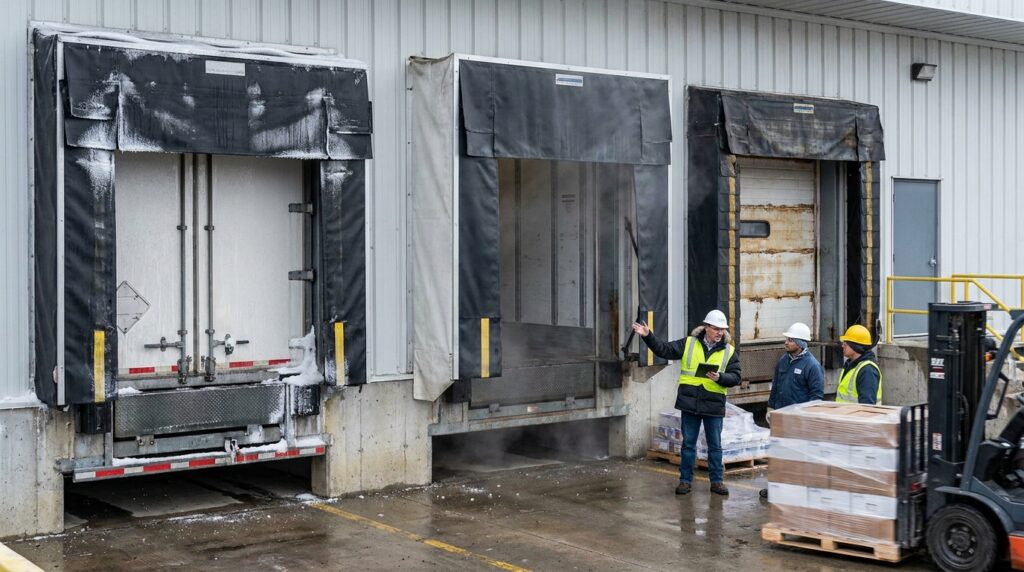
Understanding the Crucial Role of Dock Seals and Shelters in Cold Storage Operations
In the demanding environment of cold storage, maintaining precise temperature control is not merely a convenience; it’s a critical operational imperative. Fluctuations can lead to product spoilage, increased energy consumption, and compromised safety. Within this complex ecosystem, the loading dock area presents a significant vulnerability. Each time a truck or trailer is loaded or unloaded, the integrity of the cold chain is challenged by the ingress of ambient air. This is where industrial loading dock equipment, specifically dock seals and dock shelters, becomes indispensable. For warehouse managers, facility managers, safety managers, and purchasing professionals responsible for optimizing cold storage operations, understanding the nuances of these solutions is paramount. This article will delve into the vital functions, types, selection criteria, and benefits of dock seals and shelters tailored for the unique demands of refrigerated and frozen storage facilities, all while highlighting their importance in an efficient and cost-effective supply chain.
When selecting dock seals and shelters for cold storage facilities, it’s essential to consider various factors such as insulation, durability, and compatibility with your existing equipment. For a deeper understanding of how to choose the right material handling equipment for your business, you can refer to this informative article: How to Choose the Right Material Handling Equipment for Your Business. This resource provides valuable insights that can help you make informed decisions in optimizing your cold storage operations.
Why Dock Seals and Shelters are Non-Negotiable for Cold Storage
The primary function of both dock seals and dock shelters is to create a barrier between the interior of a climate-controlled facility and the exterior environment during the loading and unloading process. In cold storage, this barrier is amplified in importance due to the need for consistent, low temperatures.
Preventing Temperature Excursions
When a truck trailer backs into a loading dock door, a significant gap is created between the trailer and the building. Without a proper seal or shelter, this gap allows warm, humid air to rush into the cold storage space. Conversely, cold air from within the facility can escape. This leads to:
- Product Spoilage: Even short periods of exposure to warmer temperatures can damage sensitive products, leading to significant financial losses and potential recalls. For frozen goods, thawing and refreezing can compromise quality and safety.
- Increased Energy Consumption: The refrigeration system must work overtime to counteract the heat infiltration, leading to substantial increases in electricity bills. This is a direct drain on operational profitability.
- Condensation and Icing: The influx of warm, moist air can lead to condensation on interior surfaces, floors, and equipment. In freezing environments, this condensation can quickly turn into dangerous ice, creating slip hazards for personnel and damage to infrastructure.
- Pest Infestation: Gaps at the loading dock can also serve as entry points for pests, which are a major concern in food storage facilities.
Enhancing Operational Efficiency
Beyond temperature control, effective dock seals and shelters contribute to overall operational efficiency:
- Improved Working Conditions: By reducing drafts and maintaining a more consistent temperature at the dock, these solutions create a safer and more comfortable working environment for dock workers, which can positively impact productivity and reduce errors.
- Reduced Product Handling Time: A secure seal allows for more efficient loading and unloading processes, as workers are less concerned about environmental infiltration. This can lead to faster turnaround times for trailers.
- Protection of Equipment: The consistent temperature and reduced dust and debris ingress can help protect sensitive loading dock equipment and fork-trucks from premature wear and tear.
Differentiating Between Dock Seals and Dock Shelters for Cold Storage
While both dock seals and dock shelters aim to seal the gap at the loading dock, they achieve this in different ways and offer varying levels of protection. Understanding these distinctions is crucial for selecting the right solution for your specific cold storage needs.
Dock Seals: Creating an Airtight Enclosure
Dock seals are typically comprised of compressible cushions, usually made of foam or air, that surround the top and sides of a trailer when it is docked.
Types of Dock Seals
- Compression Foam Dock Seals: These are the most common type. They feature durable, high-density foam pads that compress between the building wall and the trailer. The foam is typically covered in a heavy-duty vinyl or nylon fabric. As the trailer backs into the opening, the pads squeeze against its sides and top, forming a seal. They are often tapered to accommodate various trailer widths.
- Inflatable Dock Seals: These seals use air bladders that inflate to create a seal when a trailer is docked. They offer excellent sealing capabilities and can retract completely when not in use, providing an unobstructed opening. However, they can be more susceptible to damage from forklift impacts and require an air source.
Ideal Applications for Dock Seals in Cold Storage
Dock seals are particularly well-suited for applications where:
- Consistent Trailer Height and Width: They work best with trailers that are relatively uniform in height and width, as the compression mechanism relies on this consistency.
- High Frequency of Use: For docks that see frequent trailer activity, a well-maintained dock seal can provide an effective, continuous barrier.
- Budget Considerations: Generally, dock seals can be a more cost-effective initial investment compared to some shelter options.
Dock Shelters: Providing a Protective Canopy
Dock shelters, on the other hand, create a protective curtain or canopy around the trailer opening. They consist of a framework, often constructed from steel or aluminum, that supports flexible curtains made of heavy-duty fabric.
Types of Dock Shelters
- Header-Style Dock Shelters: These feature a fixed header curtain and two side curtains. The curtains are designed to hang down and enclose the top and sides of the trailer.
- Full-Height Dock Shelters: These provide a more complete enclosure, with curtains that extend down the full height of the trailer opening and often include a bottom seal or “wiper” that seals against the dock floor.
- Retractable Dock Shelters: These shelters can retract away from the trailer when it’s not present, offering a more open dock face. This can be advantageous for security and preventing damage to the shelter.
- FRP (Fiber-Reinforced Plastic) Dock Shelters: For environments with particularly corrosive elements or where extreme hygiene is paramount, FRP shelters offer enhanced durability and chemical resistance.
Ideal Applications for Dock Shelters in Cold Storage
Dock shelters are often preferred for applications where:
- Variability in Trailer Dimensions: They are more forgiving of variations in trailer heights and widths, as the flexible curtains can adapt to different shapes.
- Protection from Elements: They offer superior protection not only from temperature infiltration but also from wind, rain, snow, and dust, which can be crucial for maintaining product integrity and cleanliness.
- Forklift Traffic Near the Dock: Some shelter designs, especially retractable ones, can offer better protection against forklift impacts than certain types of dock seals.
- Extreme Temperature Requirements: For deep-freeze applications, the more robust enclosure provided by a well-designed dock shelter can be more effective in maintaining ultra-low temperatures.
Key Selection Criteria for Cold Storage Dock Seals and Shelters
Choosing the right dock seal or shelter for a cold storage facility involves a careful evaluation of several factors.
Trailer Types and Dimensions
- Standard vs. High-Cube Trailers: The height and width of the trailers you typically handle will dictate the required coverage. High-cube trailers, for instance, necessitate greater vertical sealing.
- Refrigerated vs. Dry Trailers: While both need sealing, the critical temperature control in refrigerated trailers makes the seal’s effectiveness even more paramount.
- Variability in Trailer Fleet: If your facility receives a diverse fleet of trailers with significant variations in size, a dock shelter’s flexibility might be a better choice.
Environmental Conditions and Temperature Requirements
- Ambient Temperature: The difference between the interior cold storage temperature and the exterior ambient temperature is a key factor. Greater differentials require more robust sealing.
- Humidity Levels: High humidity can exacerbate condensation issues, making a tighter seal even more critical.
- Specific Temperature Zone: Whether you are dealing with cooler (above freezing), refrigerated (e.g., 32°F to 50°F / 0°C to 10°C), or freezer (e.g., -10°F to 0°F / -23°C to -18°C) applications will influence the required sealing performance. For deep-freeze applications, exceeding –10°F (-23°C), the ability to minimize air exchange becomes critical.
- Wind and Precipitation: In locations prone to harsh weather, dock shelters offer superior protection from wind-driven rain and snow.
Operational Needs and Throughput
- Frequency of Docking: Docks with very high traffic may benefit from durable, easy-to-operate systems.
- Type of Product: Perishable goods, pharmaceuticals, or sensitive chemicals require the highest level of environmental control.
- Forklift Maneuverability: Consider how much clearance is needed for forklifts to safely maneuver. Some shelter designs can create a more confined space.
Durability and Maintenance
- Material Quality: Look for robust, abrasion-resistant fabrics for curtains and high-density, resilient foam for seals. UV resistance is also important for longevity.
- Framework Strength: For dock shelters, the strength and corrosion resistance of the framework are crucial, especially in wash-down environments.
- Ease of Repair: Consider how easily components can be replaced or repaired. For example, replaceable foam pads on seals or durable curtain materials.
- Regular Inspections: Implementing a routine inspection schedule for both seals and shelters is vital. This includes checking for tears, wear, and proper compression or retraction.
Safety Considerations
- Slip Hazards: Condensation and ice formation at the dock are significant slip hazards. Effective sealing minimizes these risks.
- Visibility: Ensure that the chosen solution does not obstruct driver visibility when backing in or the dock worker’s view of the trailer.
- Emergency Exits: The installation should not impede emergency egress from the building.
- Worker Comfort: A well-sealed dock improves the working environment, reducing exposure to extreme temperatures and drafts.
Cost vs. Value
- Initial Investment: Compare the upfront cost of different systems.
- Energy Savings: Calculate the potential energy savings from reduced refrigeration load. This can often justify a higher initial investment.
- Product Loss Prevention: Quantify the cost of product spoilage that can be avoided.
- Lifespan and Replacement Costs: Consider the expected lifespan of the equipment and the cost of future replacements or repairs.
When selecting dock seals and shelters for cold storage facilities, it’s essential to consider various factors that can impact efficiency and temperature control. A related article discusses the top material handling equipment for efficient warehouse operations, which can provide valuable insights into optimizing your facility’s workflow. You can read more about it in this informative piece on material handling equipment. Understanding the interplay between dock seals, shelters, and overall warehouse efficiency can help you make informed decisions for your cold storage needs.
Advanced Features and Innovations for Cold Storage Docks
The evolution of loading dock equipment has led to features designed to further enhance performance in cold storage environments.
Air Curtains
While not a direct replacement for dock seals or shelters, air curtains can be used in conjunction with them, particularly for facilities with doors that are opened more frequently. An air curtain projects a high-speed stream of air across the door opening, creating a barrier that helps to reduce air infiltration and maintain temperature differentials.
Thermal Break Materials
Some high-performance dock shelters incorporate thermal break materials in their framework. This prevents the transfer of cold from the exterior of the trailer to the interior of the building through the structural components of the shelter, further enhancing energy efficiency.
Automated Dock Seal Systems
For high-volume operations, automated dock seal systems can improve efficiency and consistency. These systems can automatically adjust to trailer dimensions and retract when the trailer leaves, reducing labor and minimizing air infiltration.
Impact-Resistant Designs
Loading docks are inherently areas of high activity, and impacts from forklifts or trailers can damage seals and shelters. Many modern solutions are designed with impact resistance in mind, featuring heavy-duty fabrics, reinforced frames, and breakaway features that allow components to release under excessive force and then be easily reset.
Easy-Clean Surfaces
For food and beverage cold storage, hygiene is paramount. Materials that are easy to clean and resist the buildup of mold and mildew are increasingly important.
When selecting dock seals and shelters for cold storage facilities, it is essential to consider various factors such as insulation, durability, and compatibility with your operational needs. A related article that provides valuable insights into the broader topic of material handling can be found here: material handling. This resource can help you better understand how effective handling solutions can enhance the efficiency and safety of your cold storage operations.
Maintenance and Longevity of Cold Storage Dock Seals and Shelters
Proper maintenance is key to maximizing the lifespan and performance of any dock seal or shelter. For cold storage applications, this is even more critical due to the constant battle against temperature loss.
Routine Inspections
- Daily Checks: Visually inspect for obvious damage, such as tears in fabric, damaged foam, or debris lodged in the mechanism.
- Weekly Checks: Test the compression of foam seals or the inflation of air seals. Check the integrity of all curtains and seals on shelters. Look for signs of wear on the trailer interface, such as excessive abrasion.
- Monthly Checks: Inspect the structural integrity of the dock shelter frame. Check for proper operation of any retraction or inflation mechanisms. Examine the dock leveler and its interaction with the seal or shelter.
Cleaning Protocols
- Regular Cleaning: Clean the exterior surfaces of seals and shelters with mild detergents and water to remove dirt, grime, and ice buildup. Avoid harsh chemicals that can degrade materials.
- De-icing: In freezing environments, carefully remove ice buildup. Avoid using sharp objects that could puncture fabric or foam. Heated cleaning methods might be considered in extreme cases, but care must be taken not to damage the materials.
Repair and Replacement Strategies
- Prompt Repairs: Address any damage immediately. Small tears or punctures can quickly become larger problems, compromising the seal.
- Component Replacement: Seals and shelters often have replaceable components. For example, foam pads on dock seals or specific curtain sections on shelters can often be replaced without needing to replace the entire unit.
- Seasonal Adjustments: While not always necessary, in some climates, minor adjustments might be beneficial for seasonal changes in temperature or trailer fleet composition.
Documentation and Training
- Maintenance Logs: Keep detailed records of all inspections, cleaning, and repairs. This helps track the lifespan of the equipment and identify recurring issues.
- Operator Training: Ensure all personnel who interact with the loading dock equipment are properly trained on its operation and basic maintenance, as well as the importance of reporting any damage.
Investing in quality dock seals and shelters is not just about purchasing equipment; it’s about investing in the integrity of your cold chain, the efficiency of your operations, and the safety of your personnel. By carefully considering the factors outlined in this article and partnering with experienced suppliers like Fredon Handling, you can ensure your cold storage facility is equipped to meet the challenges of modern logistics.
Frequently Asked Questions About Cold Storage Dock Seals and Shelters
Q1: How much energy can a good dock seal or shelter save a cold storage facility?
The amount of energy saved can be substantial, but it varies greatly depending on factors such as the existing level of insulation, the temperature differential, the frequency of door openings, the quality of the seal or shelter, and the efficiency of the refrigeration system. However, industry estimates suggest that effective dock sealing can reduce energy loss by as much as 90% in that specific area. This translates to a significant reduction in the workload on your refrigeration units, leading to lower electricity bills and a reduced carbon footprint.
Q2: Are dock shelters better than dock seals for frozen food facilities?
It often depends on the specific application and trailer variability. For frozen food facilities, maintaining extremely low temperatures is critical. Dock shelters, with their more comprehensive enclosure and often superior wind and weather protection, can sometimes offer a more robust barrier against temperature infiltration, especially when dealing with trailers of varying dimensions. However, high-quality compression foam dock seals designed for cold storage can also be highly effective. The key is to choose a solution that provides the tightest possible seal for the specific trailer types and operational demands of your frozen food facility.
Q3: How often should dock seals and shelters be inspected in a cold storage environment?
In a cold storage environment, due to the critical nature of temperature control and the potential for ice buildup and material degradation from extreme cold, more frequent inspections are recommended. Daily visual checks for obvious damage are a good practice. Weekly more thorough inspections of the sealing components and structural integrity are advisable. Monthly comprehensive inspections, including testing functionality and checking for wear, are essential. Promptly addressing any issues discovered during these inspections will prevent costly repairs and maintain operational efficiency.
Q4: Can forklift impacts damage dock seals and shelters in a cold storage bay?
Yes, forklift impacts are a common cause of damage to both dock seals and shelters. In cold storage facilities, this is particularly concerning as damage can compromise the crucial seal and lead to significant temperature loss. Many modern dock seals and shelters are designed with impact resistance in mind. This can include features like reinforced materials, breakaway side curtains on shelters, or replaceable compression pads on seals that can absorb some of the impact force and be easily reset or replaced. Proper training for forklift operators on safe maneuvering around the loading dock area is also vital.
Q5: What are the primary safety concerns associated with loading docks in cold storage facilities?
The primary safety concerns revolve around temperature control and environmental hazards. These include:
- Slip and Fall Hazards: Condensation and ice formation on floors, dock plates, and equipment due to temperature fluctuations create significant slip risks for personnel.
- Cold Stress and Frostbite: Prolonged exposure to low temperatures can lead to cold stress, hypothermia, and frostbite for workers.
- Reduced Dexterity and Visibility: Extreme cold can reduce manual dexterity, making it harder to operate equipment safely. Fogging of safety glasses or masks can also impair visibility.
- Equipment Malfunction: Extreme cold can affect the performance of some equipment.
Effective dock seals and shelters directly mitigate many of these hazards by minimizing the ingress of warmer, more humid air and preventing ice formation at the dock, thus creating a safer working environment.
To ensure your cold storage facility operates at peak efficiency and maintains the integrity of your valuable products, it’s essential to have the right loading dock equipment. Understanding the differences between dock seals and shelters, considering your specific operational needs, and prioritizing safety are key.
Fredon Handling offers a comprehensive range of industrial material handling equipment, including specialized dock seals and dock shelters designed for the demanding requirements of cold storage. Our team of experts can help you assess your facility’s unique challenges and recommend the optimal solution to enhance energy efficiency, improve product protection, and ensure a safer working environment.
Contact Fredon Handling today for a personalized quote and expert consultation on the best dock seals and shelters for your cold storage operations.