
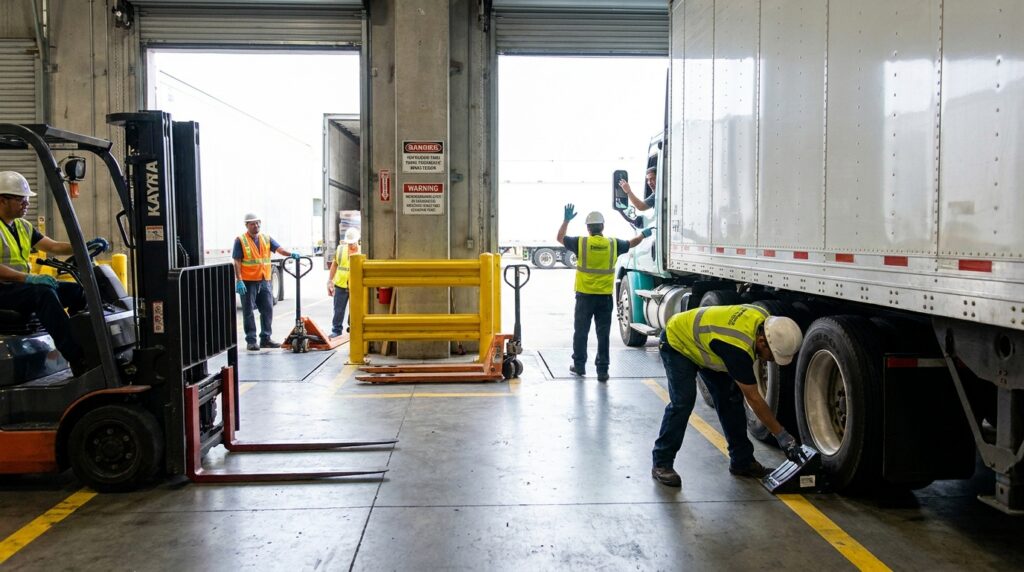
Enhancing Warehouse Efficiency and Safety: A Guide to Loading Dock Operations
The loading dock is a critical nexus in any industrial facility, the point where goods enter and exit, directly impacting inventory flow, operational efficiency, and, crucially, safety. For warehouse managers, facility managers, safety professionals, and purchasing agents, understanding and optimizing this high-traffic area is paramount. This comprehensive guide delves into the essential aspects of loading dock safety, exploring common hazards, the role of specialized equipment, best practices for operation, and the importance of a proactive safety culture. By investing in the right equipment and implementing robust procedures, businesses can significantly reduce risks, prevent injuries, and ensure smoother, more productive operations.
For a comprehensive understanding of loading dock safety, including equipment, hazards, and best practices, you may find the article on Loading Dock Safety: Equipment, Hazards, and Best Practices particularly insightful. This resource delves into essential safety measures and equipment considerations that can significantly reduce risks associated with loading dock operations.
## Understanding the Dynamic Loading Dock Environment
The loading dock is far from static. It’s a dynamic zone where moving vehicles, heavy machinery, and a constant flow of personnel interact. This inherent complexity presents a unique set of challenges that, if not managed effectively, can lead to serious accidents. Recognizing the key elements of this environment is the first step towards mitigating risks.
### The Flow of Goods and Personnel
At its core, a loading dock facilitates the movement of goods. Trucks arrive and depart, forklifts, pallet jacks, and other material handling equipment traverse the area, and personnel are actively involved in loading and unloading operations. This constant movement, especially during peak hours, increases the potential for collisions, dropped loads, and personnel being struck by moving equipment or vehicles. The efficiency of this flow is directly tied to the safety measures in place. A bottleneck or a moment of inattention can have cascading negative consequences.
### Environmental Factors and Their Impact
Beyond the immediate operational aspects, external and internal environmental factors play a significant role in loading dock safety. Weather conditions, such as rain, snow, ice, or strong winds, can create slippery surfaces, reduce visibility, and make maneuvering vehicles and equipment more hazardous. Poor lighting, whether from insufficient external illumination or internal shadows, also compromises visibility, increasing the risk of accidents. Furthermore, the condition of the dock surface itself – cracks, potholes, or unevenness – can pose tripping hazards for pedestrians and create unstable operating conditions for forklifts and other machinery.
### Common Operational Risks
Several recurring operational risks are inherent to loading dock activities:
- Vehicle Movement: The movement of semi-trailers and trucks in and out of the dock bay is a primary concern. Improper backing, blind spots, and driver inattention can lead to collisions with the building, dock equipment, or personnel.
- Equipment Operation: Forklifts and other powered industrial trucks are essential but also potent sources of danger if operated carelessly, overloaded, or on uneven surfaces. Falls from forks, tip-overs, and collisions are significant risks.
- Load Security: Improperly secured loads can shift or fall during transit or while being moved within the dock area, causing damage and posing a severe hazard to workers.
- Falls from Height: Workers involved in securing loads, inspecting trailers, or working at elevated positions within the dock area are at risk of falls.
- Caught-In/Between Hazards: Personnel can be caught between trailers and docks, between moving equipment and stationary objects, or between falling loads.
## Essential Loading Dock Safety Equipment
The right equipment is not just about efficiency; it’s a critical component of a safe loading dock. Investing in specialized safety equipment can prevent accidents, protect personnel, and safeguard valuable inventory and infrastructure. Fredon Handling offers a comprehensive range of solutions designed to address these needs.
### Securing Trailers: Preventing Dock Separations
One of the most severe hazards at a loading dock is the risk of a trailer separating from the dock prematurely (a “drive-away”) or an unexpected trailer movement during loading/unloading operations. This can result in catastrophic damage to the dock, the trailer, the goods, and, most importantly, severe injury or fatality to personnel.
- Wheel Chocks: Basic yet effective, wheel chocks are placed behind a trailer’s wheels to prevent it from rolling. However, their effectiveness relies on correct placement and driver compliance. For enhanced safety, consider powered wheel chocks integrated into dock systems.
- Trailer Restraint Systems: These are advanced mechanical or hydraulic devices that physically secure the trailer to the dock. They come in various forms:
- Vertical Restraints: These engage with the trailer’s rear impact guard (RIG) to prevent vertical movement.
- Horizontal Restraints: These systems physically block the trailer’s wheels or engage with the RIG to prevent forward or backward movement.
- Automatic Trailer Restraints: Modern systems often feature sensors and interlocks that prevent dock doors from opening or forklifts from entering the trailer until the restraint is securely engaged. These systems are crucial for preventing drive-away accidents and are a key recommendation for high-traffic docks. Many advanced restraint systems can be found within Fredon Handling’s Loading Dock Equipment category.
Ensuring safety in loading dock operations is crucial for preventing accidents and maintaining efficiency. For those interested in exploring related topics, an insightful article on effective loading dock design can be found here. This resource delves into various design elements that can enhance safety and streamline operations, complementing the best practices outlined in discussions about loading dock safety, equipment, and hazards.
### Enhancing Visibility and Communication
Clear visibility and effective communication are vital for preventing collisions and ensuring all parties are aware of the dock status.
- Dock Lights: Internal dock lights illuminate the trailer’s interior, allowing for safer and more efficient loading and unloading. External dock lights can improve visibility of approaching vehicles, especially during adverse weather or nighttime operations.
- Signal Lights (In-Dock Communication Systems): These systems use a series of lights (often red and green) to communicate the status of the loading dock to both the truck driver and the forklift operator. For example, a red light might indicate the dock is occupied and unsafe to approach, while a green light signals it’s clear. This eliminates guesswork and potential misunderstandings.
- Warning Signs and Markings: Clearly visible signs indicating safety procedures, speed limits, and hazard warnings are essential. Floor markings for pedestrian walkways, equipment paths, and designated safe zones further enhance organization and safety.
### Protecting Personnel and Infrastructure
Various equipment helps to shield workers and the building structure from potential impacts and hazards.
- Dock Bumpers: These robust rubber or steel pads are mounted to the face of the dock to absorb the impact of trailers, protecting the building structure and dock levelers.
- Guardrails and Safety Barriers: Installing guardrails around dock openings when a trailer is not present prevents accidental falls. Safety barriers can also be used to delineate pedestrian walkways or protect sensitive equipment from forklift traffic.
- Overhead Door Protection: Collisions with overhead doors are common. Systems to prevent this include specialized guides and impact-absorbing features.
- Forklift Safety Accessories: From audible backup alarms and flashing beacons to seatbelt reminders and fork guards, these accessories enhance the safety of forklift operations within the dock area. Explore Fredon Handling’s range of Forklifts and Industrial Trucks for models equipped with advanced safety features.
### Leveling the Playing Field: Dock Levelers and Ramps
Dock levelers and ramps bridge the gap between the trailer bed and the dock floor, but their correct selection and maintenance are crucial for safety.
- Dock Levelers: These devices compensate for the height difference between the dock and the trailer.
- Mechanical Levelers: Rely on spring tension and manual operation.
- Hydraulic Levelers: Use hydraulic cylinders for smoother, more powerful operation and easier adjustment.
- Air-Powered Levelers: Offer a smooth, efficient lift using an air bladder system.
The key safety consideration here is ensuring the leveler is properly maintained, has adequate weight capacity, and that its lip is securely engaged with the trailer floor. Malfunctioning levelers can lead to falls or equipment damage. Consider exploring Fredon Handling’s diverse selection of Dock Levelers to find the right fit for your operational needs.
- Loading Ramps: For facilities without recessed docks or for accommodating a wider range of trailer heights, loading ramps provide a gradual incline. These must be stable, have adequate capacity, and be secured properly to prevent slippage.
## Identifying and Mitigating Loading Dock Hazards
A proactive approach to hazard identification and mitigation is the cornerstone of effective loading dock safety. Regular assessments and a commitment to addressing potential risks can prevent incidents before they occur.
### The Danger of Trailer Creep and Dock Separation
As mentioned, trailer creep – the gradual forward movement of a trailer away from the dock due to air brake pressure release or slight trailer movement – is a significant hazard. This can cause dock levelers to fall into the trailer or, in severe cases, lead to the trailer detaching entirely.
- Mitigation: Robust trailer restraint systems are the most effective solution. Implementing strict procedures for drivers to set trailer brakes and chock wheels is also vital, but should be seen as a secondary measure when advanced restraints are available. Regular checks of restraint systems and dock seals are crucial.
### Forklift Operations and Pedestrian Safety
Forklifts are indispensable in warehouses, but their operation in a confined and busy loading dock area demands strict protocols.
- Blind Spots and Collisions: Forklift operators must be trained to navigate blind spots, utilize horns at intersections, and maintain safe speeds. Pedestrians must be educated to stay clear of forklift operating areas.
- Falls from Forks: It is strictly prohibited and extremely dangerous for anyone to ride on the forks of a forklift. Designated personnel lifts or aerial work platforms should be used for tasks requiring elevation.
- Uneven Surfaces and Load Stability: Operating forklifts on uneven surfaces or with unstable loads increases the risk of tip-overs. Ensuring dock floors are well-maintained and loads are properly secured is paramount. Fredon Handling offers a range of Pallet Jacks and Stackers that can be safer alternatives for certain light-duty tasks, reducing the need