
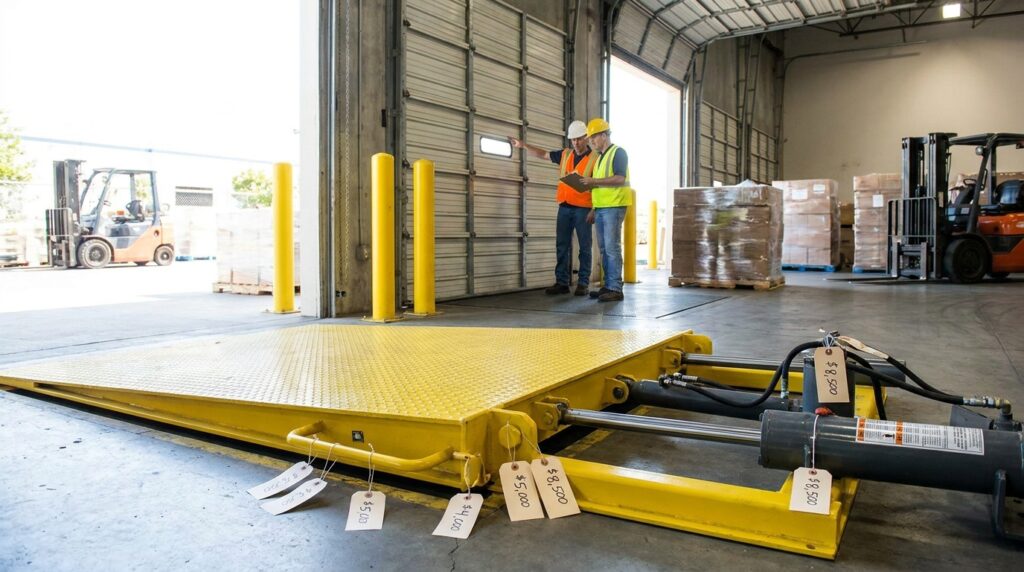
Investing in the right loading dock equipment is a critical decision for any industrial facility. It directly impacts operational efficiency, safety, and the overall bottom line. Warehouse managers, facility managers, safety officers, and purchasing professionals constantly weigh the benefits of advanced equipment against budget constraints. This article will demystize the cost of loading dock equipment, providing a comprehensive overview of factors influencing price, common equipment types and their associated investment ranges, and essential considerations for making an informed purchase from a trusted supplier like Fredon Handling. Understanding these elements will empower you to allocate resources effectively, enhance your operations, and ensure a safer working environment.
Understanding the Factors That Influence Loading Dock Equipment Costs
The price tag of loading dock equipment is not a one-size-fits-all figure. Numerous variables contribute to the overall investment required. Recognizing these factors is the first step toward accurate budgeting and making judicious purchasing decisions.
Material of Construction and Durability
The materials used in manufacturing loading dock equipment play a significant role in its cost and longevity. Steel, particularly high-grade steel with specific alloys, offers superior strength and resistance to wear and tear, but it comes at a higher price point than lighter gauge metals. For instance, a heavy-duty steel dock plate designed for frequent use with forklifts and heavy loads will naturally be more expensive than a lighter aluminum version intended for pallet jack use. The choice of materials directly impacts the equipment’s ability to withstand the demanding environment of a loading dock, including exposure to weather, forklift traffic, and product impacts.
Brand and Manufacturer Reputation
Established brands with a proven track record for quality, reliability, and innovation often command higher prices. Manufacturers known for rigorous testing, adherence to safety standards, and excellent customer support typically invest more in their production processes, which is reflected in the product cost. While a less-known brand might offer a lower upfront price, it’s crucial to consider the potential long-term costs associated with lower quality, such as increased maintenance, premature replacement, and the risk of safety incidents. Fredon Handling partners with reputable manufacturers, ensuring you receive equipment that meets industry standards and offers lasting value.
Features and Functionality
The complexity and range of features integrated into a piece of loading dock equipment directly impact its cost. Simple, manual equipment like a basic dock plate will be less expensive than an automated dock leveler with advanced safety interlocks, hydraulic power units, and variable speed controls. For example, a standard manual dock ramp might cost a few hundred dollars, whereas an electric, self-storing dock leveler with a robust hydraulic system can range from several thousand dollars upwards. Features such as hydraulic or electric operation, self-storing capabilities, automatic safety locks, and advanced control systems add to the manufacturing complexity and, consequently, the price.
Customization and Special Requirements
Standard, off-the-shelf loading dock equipment is generally more affordable than custom-engineered solutions. Facilities with unique operational needs, non-standard trailer dimensions, or specific structural requirements may necessitate custom-built equipment. This could involve custom lengths, widths, weight capacities, or specialized configurations to accommodate unusual dock heights or challenging site conditions. The design, engineering, and fabrication processes for custom equipment are inherently more labor-intensive and material-specific, leading to a higher investment. For example, a custom-designed scissor lift to bridge a significant height differential might cost significantly more than a standard dock leveler.
Installation and Ancillary Services
The initial purchase price of loading dock equipment often does not include installation costs. Professional installation is crucial for ensuring the equipment functions correctly, safely, and meets all manufacturer and regulatory requirements. Installation costs can vary based on the complexity of the equipment, the site’s accessibility, the need for electrical or hydraulic connections, and the labor rates in your region. Beyond installation, consider potential costs for site preparation, such as concrete work or modifications to existing dock structures. Many suppliers, including Fredon Handling, offer comprehensive installation services to streamline the process and ensure peace of mind.
If you’re looking to understand the costs associated with loading dock equipment, you might find it helpful to read a related article that provides insights into the various factors influencing these expenses. For more information on the services and solutions offered by Fredon Handling, you can visit their about page at Fredon Handling About Page. This resource can give you a broader context regarding the equipment and services that can impact your loading dock setup and overall operational efficiency.
Cost Breakdown of Common Loading Dock Equipment
Understanding the price ranges for specific types of loading dock equipment is essential for accurate budgeting. The following sections detail common equipment categories and their typical investment levels. It’s important to note that these are general estimates, and actual costs will vary based on the factors discussed previously.
Dock Plates and Ramps
Dock plates and ramps are among the most basic and cost-effective loading dock solutions. They are typically used to bridge the gap between a dock and a trailer for manual handling equipment like pallet jacks or for foot traffic.
Manual Dock Plates
These are portable or semi-permanent plates, often made of aluminum or steel, that are manually positioned.
- Entry-Level Aluminum Dock Plates: Lightweight and easy to maneuver, these are suitable for light-duty applications and pallet jack use. Prices can range from $200 to $800, depending on capacity, length, and width.
- Heavy-Duty Steel Dock Plates: Constructed from steel for higher weight capacities and increased durability, these are better suited for more demanding environments. Costs can range from $500 to $1,500+, depending on the specified load capacity and features like safety side skirts.
- Beveled Dock Plates: These have beveled edges to reduce the impact on equipment wheels and make the transition smoother. They tend to be slightly more expensive than standard models.
Dock Ramps
Dock ramps are often more robust than dock plates and are designed to create a gradual incline, allowing forklifts to access trailers or raised platforms.
- Portable Dock Ramps: These are freestanding units that can be moved, often with integrated wheels. They are suitable for facilities that need flexibility in their loading operations. Costs can range from $2,000 to $8,000+, depending on capacity, length, and build quality.
- Stationary Dock Ramps: These are permanently installed and provide a more stable and integrated solution for creating ramp access. They can be significantly more expensive, potentially ranging from $5,000 to $20,000+, depending on their size, capacity, and whether they are designed for forklift or vehicle access.
Dock Levelers
Dock levelers are the most common and sophisticated solution for bridging the height difference between a loading dock and a trailer. They offer superior operational efficiency and safety compared to manual plates.
Mechanical Dock Levelers
These use a spring-loaded or lever system to raise the deck.
- Standard Mechanical Dock Levelers: These are a cost-effective option for many facilities. They typically feature a pull-chain activated lip. Prices can range from $2,500 to $7,000, depending on load capacity, size, and brand.
- Heavy-Duty Mechanical Dock Levelers: Built for higher duty cycles and heavier loads, these often incorporate more robust spring mechanisms. Costs can range from $4,000 to $9,000+.
Hydraulic Dock Levelers
These use a hydraulic power unit to raise and lower the deck and lip, offering smoother operation and precise control.
- Standard Hydraulic Dock Levelers: These are a popular choice for their reliability and ease of use. Prices typically range from $4,000 to $10,000, depending on capacity, size, and features.
- High-Capacity Hydraulic Dock Levelers: Designed for very heavy loads and frequent use, these units have more powerful hydraulic systems and reinforced decks. Costs can range from $6,000 to $15,000+.
- With Enhanced Safety Features: Hydraulic levelers with integrated safety features like velocity-fuses, emergency stop buttons, and interlocks can add to the cost, typically an additional $500 to $2,000.
Air-Powered Dock Levelers
These use air bladders for lifting and lowering, offering a gentler operation than hydraulics and often being more energy-efficient.
- Standard Air-Powered Dock Levelers: Prices often fall within a similar range to hydraulic levelers, from $4,000 to $10,000, with variations based on capacity and size.
Dock Seals and Shelters
Dock seals and shelters are designed to create a barrier between the dock opening and the trailer, protecting against weather, dust, pests, and temperature loss. They are essential for maintaining a controlled environment.
Dock Seals
These are typically compression pads that conform to the shape of the trailer.
- Basic Compression Dock Seals: Made from foam and vinyl, these are suitable for general-purpose sealing. Prices can range from $800 to $2,500, depending on size and material quality.
- Retractable Dock Seals: These can retract when not in use, protecting them from damage. They are more expensive, typically ranging from $1,500 to $4,000+.
Dock Shelters
These are typically rigid structures that create a more robust enclosure.
- Header and Side Curtain Dock Shelters: These offer good protection against the elements and are a common choice. Costs can range from $1,500 to $5,000, depending on the size and material durability.
- Full-Height Dock Shelters: Providing the highest level of protection, these are more complex structures. Prices can range from $3,000 to $8,000+.
Dock Bumpers and Guards
These protect the dock structure, trailers, and equipment from impact damage.
- Rubber Dock Bumpers: Essential for absorbing impact, these range in price from $50 to $300+ per unit, depending on size, material, and mounting type.
- Steel Face Dock Bumpers: Offer higher impact resistance for busy docks. Prices can range from $150 to $500+ per unit.
- Corner Guards and Bollards: Protect vulnerable corners of the dock structure, typically costing between $100 to $400 per unit.
Other Loading Dock Accessories
This category includes items like dock lights, wheel chocks, truck restraints, and communication systems, which enhance safety and efficiency.
- Dock Lights: Prices vary greatly depending on the type (e.g., LED, incandescent) and features (e.g., adjustable arm). Expect to pay $100 to $500+ per light.
- Wheel Chocks: Simple but crucial safety devices, typically costing $20 to $100 per pair.
- Truck Restraints: These are vital for preventing premature trailer departure and can range significantly in price. Manual restraints might cost $500 to $2,000, while advanced automatic hydraulic restraints can range from $3,000 to $15,000+.
- Communication Systems (e.g., signal lights): Basic systems can be found for $100 to $500, with more advanced wireless systems costing $500 to $2,000+.
Key Selection Criteria for Loading Dock Equipment
Choosing the right loading dock equipment goes beyond just price. Several critical factors should guide your decision-making process to ensure optimal performance, safety, and return on investment.
Operational Volume and Duty Cycle
Consider the frequency and intensity of your loading and unloading operations. Facilities with high-volume throughput and continuous trailer movements will require more robust and durable equipment. For instance, a warehouse that handles hundreds of trucks daily will need heavy-duty hydraulic dock levelers with high-cycle ratings, whereas a facility with only a few trailer movements per day might be well-served by a more basic mechanical leveler or even a heavy-duty dock plate. The equipment’s duty cycle rating is a crucial specification to match with your operational demands.
Trailer Types and Sizes
The variety of trailers your facility receives will significantly influence the type of equipment you need. Do you regularly handle standard 40-foot trailers, or do you also accommodate longer 53-foot trailers, refrigerated trailers (reefers) with special docking needs, or even low-profile trailers? The length of the dock leveler’s lip is critical for bridging the gap effectively, especially with varying trailer bed heights and trailer nose designs. Similarly, dock seals and shelters must be sized appropriately to create a tight seal around different trailer dimensions. Understanding your fleet is paramount.
Product and Load Characteristics
The type of goods you are handling also plays a role. Are you moving fragile items that require gentle handling, or are you moving heavy, palletized goods? The weight capacity of the dock equipment must be sufficient to safely accommodate your heaviest loads, including the weight of forklifts and other material handling equipment. For sensitive products, smoother transitions provided by hydraulic or air-powered levelers, or specialized dock equipment with shock-absorbing features, might be preferable.
Safety Standards and Regulations
Safety is paramount in any industrial setting, and loading docks are notoriously high-risk areas. Ensure that any equipment you purchase meets or exceeds relevant safety standards, such as those set by OSHA (Occupational Safety and Health Administration) or ANSI (American National Standards Institute). Look for features like automatic safety locks, emergency stop functions, non-slip surfaces, and robust structural integrity. Truck restraints are a critical safety component to prevent dangerous trailer creep or separation. Fredon Handling prioritizes safety, offering equipment designed to mitigate risks.
Integration with Existing Infrastructure
Consider how the new equipment will integrate with your existing dock doors, bay doors, and overall warehouse layout. Some equipment may require modifications to the dock pit, electrical supply, or even the building structure. For example, installing a hydraulic dock leveler will require a power source, while a dock seal might necessitate adjustments to the dock door frame. Planning for seamless integration minimizes disruption and ensures the equipment functions as intended within your operational workflow.
Maintenance and Serviceability
The long-term cost of ownership includes maintenance. Equipment that is difficult to service or requires frequent repairs can lead to significant downtime and increased expenses. Choose equipment from reputable manufacturers known for reliable components and readily available spare parts. Simpler mechanical designs often have lower maintenance requirements than complex hydraulic systems, but the operational benefits of hydraulics may outweigh this. Consider the availability of local service technicians and the supplier’s warranty and support offerings.
Environmental Considerations
For facilities dealing with temperature-sensitive goods or aiming for energy efficiency, dock seals and shelters are crucial. The quality of the sealing material and the design of the shelter will impact its ability to prevent heat loss or gain. This directly affects energy consumption and operational costs. Consider the R-value of dock seals and the overall airtightness of the chosen solution.
Safety Considerations for Loading Dock Equipment
Loading docks are statistically among the most hazardous areas in an industrial facility. Implementing robust safety protocols and investing in appropriate equipment is not just a regulatory requirement but a fundamental aspect of responsible operation.
Preventing Trailer Separation and Movement
One of the most severe hazards is the trailer moving away from the dock (dock bounce) or a forklift falling when the trailer is unexpectedly removed (premature departure).
- Truck Restraints: These are critical for securing trailers to the dock.
- Manual Wheel Chocks: While basic, they require diligent use and can be dislodged. Their cost is low ($20 – $100), but their effectiveness is limited without proper training and enforcement.
- Automatic Dock Restraints: These are significantly safer and more reliable. They physically engage with the trailer’s rear impact guard (RIG) or wheels.
- Hook-type restraints: These grip the RIG. Prices can range from $3,000 to $10,000+.
- Wheel-locking restraints: These secure the trailer’s wheels. Costs are similar, $3,000 to $10,000+.
These systems often integrate with dock levelers and dock doors, forming a comprehensive safety system.
Ensuring Safe Transitions
The gap and height difference between the dock and the trailer must be bridged safely to prevent falls for personnel and damage to equipment.
- Dock Leveler Safety Features:
- Automatic Fall-Off Protection: These features prevent the dock leveler from collapsing if the trailer unexpectedly departs. They are often standard on hydraulic and air-powered units but should be verified.
- Lip Locks: Ensure the lip stays securely in place.
- Hold-Downs: Prevent the dock leveler from accidentally raising.
- Dock Plate Safety: Ensure dock plates have proper lip hooks to secure them to the trailer and dock. Look for textured surfaces for increased traction.
Protecting Personnel and Property
Beyond trailer-related risks, personnel and the dock structure itself need protection.
- Dock Bumpers and Guards: As mentioned earlier, these absorb impact from trailers and forklifts, protecting the building structure and the equipment itself. Investing in quality bumpers ($50 – $500+ per unit) can prevent costly repairs to concrete, walls, and dock levelers.
- Proper Lighting: Adequate lighting is crucial for visibility, especially during dawn, dusk, and night operations. Ensure dock lights are positioned correctly to illuminate the trailer bed and the surrounding area. Costs can range from $100 to $500+ per fixture.
- Clear Signage and Communication: Implement clear signage indicating safety procedures, such as the requirement to chock wheels and the use of communication signals between dock workers and truck drivers.
Training and Procedures
Even the most advanced equipment requires proper training and established procedures to be effective.
- Operator Training: Ensure all personnel operating forklifts or handling loading dock equipment are properly trained and certified.
- Standard Operating Procedures (SOPs): Develop and enforce clear SOPs for all loading dock operations, including pre-docking checks, trailer securing, and communication protocols.
- Regular Inspections: Implement a schedule for regular visual and functional inspections of all loading dock equipment, including dock levelers, restraints, seals, and bumpers. This proactive approach helps identify potential issues before they become safety hazards.
When considering the costs associated with loading dock equipment, it’s also beneficial to understand the broader context of material handling and its significance in operational efficiency. For more insights on this topic, you can explore an informative article that delves into the importance and various methods of material handling. This knowledge can help you make more informed decisions regarding your loading dock needs. To read more, check out this article on material handling.
Maintenance and Longevity of Loading Dock Equipment
To maximize the lifespan and ensure the safe, efficient operation of your loading dock equipment, a proactive maintenance strategy is essential. This not only prevents costly breakdowns and downtime but also safeguards your investment.
Routine Inspections
Regular inspections are the cornerstone of any effective maintenance program.
- Daily Checks: Operators should perform quick visual checks before each use. This includes looking for obvious damage, ensuring proper function of safety features, and checking for debris.
- Weekly/Monthly Inspections: A more thorough inspection should be conducted weekly or monthly, depending on usage. This might involve:
- Checking all moving parts for wear and tear.
- Inspecting hydraulic fluid levels and looking for leaks in hydraulic systems.
- Verifying the functionality of safety interlocks and limit switches.
- Examining dock seals and shelters for tears or damage.
- Checking the integrity of dock bumpers and guards.
- Annual Professional Servicing: It is highly recommended to have a qualified technician perform an annual inspection and service. This ensures that critical components are checked and maintained according to manufacturer specifications. They can identify potential problems that might not be apparent during routine checks and perform necessary adjustments or replacements.
Lubrication
Proper lubrication of moving parts is crucial to reduce friction, prevent wear, and ensure smooth operation.
- Identify Lubrication Points: Refer to the equipment’s manual to identify all lubrication points. These typically include pivot points, rollers, and any other moving components.
- Use Recommended Lubricants: Always use the type and grade of lubricant recommended by the manufacturer. Using the wrong lubricant can lead to damage or premature wear.
- Frequency: Lubrication frequency will depend on the equipment’s usage and environmental conditions. Heavy-use equipment in dusty or dirty environments will require more frequent lubrication.
Cleaning
Keeping loading dock equipment clean is not just about aesthetics; it plays a role in maintenance.
- Remove Debris: Regularly clear away dirt, dust, debris, and any spilled materials from the equipment, especially from moving parts and around hydraulic components. This prevents buildup that can impede function and cause wear.
- Clean Seals and Shelters: Keep dock seals and shelters clean to ensure their material integrity and sealing effectiveness.
Minor Repairs and Adjustments
Addressing minor issues promptly can prevent them from escalating into major problems.
- Worn Components: If you notice worn springs, damaged seals, or bent components during inspections, address them immediately. Many parts are relatively inexpensive and easy to replace if caught early.
- Hydraulic System Maintenance: For hydraulic equipment, regular checks of fluid levels and for any signs of leaks are critical. Small leaks can lead to significant damage if left unaddressed.
- Electrical System Checks: Ensure electrical connections are secure and that any safety interlocks or limit switches are functioning correctly.
Records and Documentation
Maintaining detailed records of all maintenance activities is vital.
- Logbook: Keep a logbook detailing all inspections, repairs, and servicing performed. This helps track the equipment’s history, identify recurring issues, and plan for future maintenance.
- Manufacturer Manuals: Store all manufacturer manuals and technical documentation in an accessible location. These contain crucial information on maintenance procedures, parts lists, and specifications.
When to Replace Equipment
While maintenance can extend the life of loading dock equipment significantly, there comes a point when replacement is more cost-effective than continued repair.
- Frequent Breakdowns: If equipment requires increasingly frequent and costly repairs, it may be time to consider replacement.
- Obsolete Safety Features: As safety standards evolve, older equipment may lack crucial safety features. Replacing it ensures compliance and reduces risk.
- Loss of Efficiency: If equipment is consistently failing to perform at optimal levels, impacting your operations, replacement might be necessary.
- End of Service Life: Every piece of equipment has a designed service life. When this is reached, even with meticulous maintenance, performance will degrade.
By implementing a comprehensive maintenance plan, you not only protect your investment in loading dock equipment but also ensure a safer, more efficient, and productive working environment. Fredon Handling can provide guidance on maintenance best practices for the equipment they supply.
Frequently Asked Questions About Loading Dock Equipment Costs
How can I get an accurate quote for loading dock equipment?
To obtain an accurate quote, it’s essential to provide detailed information about your specific needs. This includes the type of equipment you are interested in (e.g., dock leveler, dock plate, dock seal), the required capacity (weight capacity for levelers, load capacity for plates), dimensions (width, length), intended use (frequency and type of traffic), and any specific features or safety requirements you have. Photos or even a site visit can be invaluable for suppliers like Fredon Handling to understand your existing dock setup and any potential installation challenges.
Are there hidden costs associated with loading dock equipment?
While reputable suppliers aim for transparency, potential hidden costs can arise if not properly considered. These typically include:
- Installation: As discussed, installation is often a separate cost and can vary significantly.
- Site Preparation: Any necessary concrete work, electrical upgrades, or structural modifications to your dock can add to the overall expense.
- Ancillary Equipment: You might need additional safety equipment like wheel chocks, signage, or communication systems that weren’t part of the initial equipment quote.
- Shipping and Delivery: Depending on your location, freight charges can be a significant factor.
- Permitting: Some local regulations may require permits for installation, which can incur fees.
- Maintenance Contracts: While not always mandatory, service contracts can add to the long-term cost but can also provide cost predictability and priority service.
Fredon Handling strives to provide comprehensive quotes that account for as many of these factors as possible, and their sales team can help you anticipate these potential costs.
How does the cost of loading dock equipment compare to its long-term benefits?
The initial investment in loading dock equipment can seem substantial, but the long-term benefits often far outweigh the costs. Efficient and safe loading dock equipment can lead to:
- Increased Throughput: Faster loading and unloading times directly translate to more product moved and potentially higher revenue.
- Reduced Labor Costs: Automation and efficiency gains can reduce the need for overtime or additional staffing.
- Improved Safety: Preventing accidents and injuries can save significant costs related to worker’s compensation, medical expenses, and lost productivity.
- Reduced Product Damage: Smoother transitions and better control can minimize damage to goods during transit.
- Energy Savings: Effective dock seals and shelters reduce energy loss, leading to lower heating and cooling costs.
- Equipment Longevity: Investing in durable, well-suited equipment reduces the frequency of replacements and repairs.
Considering the total cost of ownership and the operational improvements, quality loading dock equipment is an investment in efficiency, safety, and profitability.
What is the average lifespan of loading dock equipment, and how does this affect the cost consideration?
The lifespan of loading dock equipment varies greatly depending on the type of equipment, the quality of its construction, the intensity of its use, and the effectiveness of its maintenance.
- Dock Plates: Can last 5-15 years or more with proper care, especially aluminum ones.
- Mechanical Dock Levelers: Typically 10-20 years, with robust models lasting longer.
- Hydraulic Dock Levelers: Can last 15-25 years or more with regular hydraulic system maintenance.
- Dock Seals and Shelters: Material degradation due to UV exposure and physical wear can mean lifespans of 5-15 years, depending on material quality and protection.
When considering cost, it’s crucial to amortize the purchase price over the expected lifespan of the equipment. A higher upfront cost for a durable, well-maintained piece of equipment that lasts 20 years is often more economical than a cheaper alternative that needs replacement every 5-7 years. Fredon Handling offers equipment designed for longevity and can advise on the expected lifespan of their products.
Should I prioritize cost or features when selecting loading dock equipment?
The ideal approach is to find a balance between cost and features, prioritizing based on your specific operational needs and safety requirements.
- Prioritize Safety: Safety features should never be compromised. If a slightly more expensive piece of equipment offers significantly better safety mechanisms, it’s almost always the better choice.
- Match Features to Needs: Do not overpay for features you will never use. Conversely, do not skimp on essential features that will improve efficiency or address your specific challenges. For example, if you handle a wide variety of trailer heights, a hydraulic or air-powered leveler with good vertical travel is more crucial than a basic mechanical one.
- Consider Total Cost of Ownership: Factor in maintenance, energy efficiency, and potential downtime when comparing costs. A more expensive but energy-efficient dock seal might save you money in the long run.
Fredon Handling’s experts can help you assess your needs and recommend equipment that provides the best value and functionality for your budget.
Investing in the right loading dock equipment is a strategic decision that impacts your facility’s efficiency, safety, and profitability for years to come. By carefully considering the factors influencing cost, understanding the price ranges of different equipment types, prioritizing essential features and safety, and committing to a robust maintenance plan, you can make an informed choice that benefits your entire operation. Fredon Handling is your trusted partner in navigating these decisions, offering a comprehensive range of high-quality loading dock equipment and expert guidance to ensure you find the perfect solution for your facility.
Ready to enhance your loading dock operations and ensure optimal safety and efficiency? Contact Fredon Handling today for a personalized consultation and a comprehensive quote on our extensive range of loading dock equipment. Let us help you make the best investment for your business.