
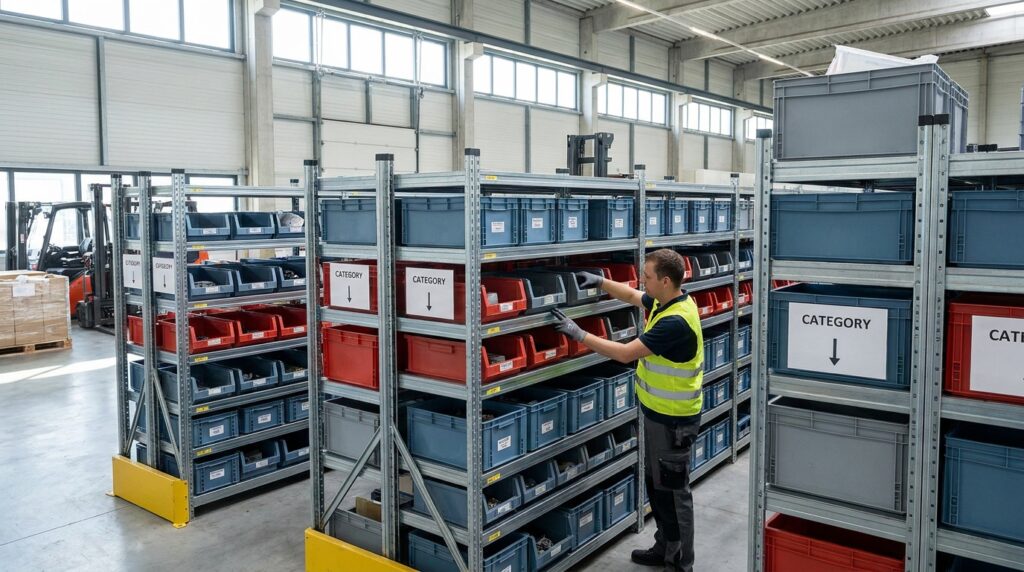
The efficiency and productivity of any industrial operation hinges on effective storage solutions. For businesses striving to optimize their workflows, Bin Storage Systems: How to Select and Organize Industrial Storage Bins is a critical area of focus. At Fredon Handling, we understand that the right bin storage system can dramatically improve inventory management, reduce wasted time, and enhance overall operational safety. Whether you’re a warehouse manager seeking to maximize capacity, a manufacturer dealing with diverse component sizes, a maintenance team needing organized spare parts, or a purchasing professional tasked with procuring the most cost-effective and durable solutions, understanding the nuances of bin storage is paramount. This article will guide you through the selection, organization, and optimization of industrial storage bins, ensuring your facility operates at its peak.
Understanding the Landscape of Industrial Bin Storage Systems
The world of industrial bin storage is vast and varied, designed to accommodate the unique needs of different industries and applications. From small electronic components to bulky raw materials, the right bin can make all the difference in organization and accessibility. Fredon Handling offers a comprehensive range of solutions, each tailored for specific purposes.
Types of Industrial Storage Bins
Identifying the most suitable bin type is the first step towards an optimized storage system. The material, design, and intended use all play a crucial role.
Plastic Bins
Plastic bins are highly popular due to their durability, chemical resistance, and lightweight nature. They come in various forms:
- Stacking Bins: Designed with interlocking lips, these bins can be stacked securely on top of each other, maximizing vertical space. Many have open fronts for easy access to contents. These are ideal for storing small parts, hardware, and general inventory.
- Nesting Bins: These bins are designed to fit inside one another when empty, saving significant space during transit or when not in use. They are often used in lean manufacturing environments and for returnable packaging.
- Hanging Bins (or Shelf Bins): These bins are specifically designed to hang from louvered panels, shelves, or mobile carts. Their back-lip design allows for easy suspension, making them perfect for parts rooms, assembly lines, and tool cribs.
- Dividable Bins: Some plastic bins feature internal dividers that can be adjusted or removed to customize compartment sizes. This is excellent for storing a variety of small, mixed items that need to be kept separate.
Metal Bins
Metal bins offer superior strength and durability, making them suitable for heavier loads and harsh environments.
- Stacking Shelf Bins: Similar to their plastic counterparts, these bins are designed for stacking and often feature reinforced construction. They are commonly used for storing tools, metal parts, and heavier components.
- Parts Bins: These are robust, open-fronted bins, often made from steel or heavy-duty plastic, designed for storing loose parts in workshops, garages, and manufacturing floors.
- Stacking and Nesting Metal Bins: While less common than plastic, some metal bins are designed with stacking or nesting capabilities for specific industrial applications where extreme durability is a prerequisite.
Cardboard Bins
While less durable than plastic or metal, cardboard bins offer an economical and lightweight solution for certain applications.
- Corrugated Bins: These are typically used for lighter items, shipping, and short-term storage. They are cost-effective and easily disposable or recyclable.
- Bin Boxes: These are often designed with a reinforced base and walls, providing more stability than standard corrugated boxes. They are suitable for kitting, order fulfillment, and temporary parts staging.
Applications Across Industries
The versatility of bin storage systems means they are indispensable across a wide array of industrial sectors:
- Manufacturing: For storing raw materials, work-in-progress components, finished goods, and spare parts for machinery.
- Warehousing and Distribution: Essential for inventory management, order picking, kitting, and staging.
- Automotive: Storing small parts, nuts, bolts, gaskets, and tools on assembly lines and in maintenance areas.
- Electronics: Organizing small, delicate components, circuit boards, and test equipment.
- Healthcare and Pharmaceuticals: Storing medical supplies, laboratory reagents, and cleanroom components.
- Retail: Managing stockroom inventory, display items, and back-stock.
When considering the best practices for selecting and organizing industrial storage bins, it’s also beneficial to explore related topics that can enhance your overall material handling efficiency. A valuable resource on this subject is the article titled “Material Handling Systems Explained: Streamlining Your Workflow Efficiently,” which provides insights into optimizing your entire workflow. You can read it here: Material Handling Systems Explained. This article complements the discussion on bin storage systems by addressing broader strategies for improving operational efficiency in industrial settings.
Strategic Selection Criteria for Industrial Storage Bins
Choosing the right bin is more than just picking a container; it’s about selecting a tool that enhances efficiency, safety, and longevity. Fredon Handling assists clients in navigating these critical selection factors.
Material and Durability Considerations
The environment and the nature of the items stored will dictate the most appropriate material.
- Plastic: Ideal for resistance to moisture, chemicals, and impact. Polypropylene and high-density polyethylene (HDPE) are common choices, offering excellent durability for repetitive use. Consider UV-resistant options for areas exposed to sunlight.
- Metal: Preferred for heavy-duty applications, extreme temperatures, and environments where fire resistance is a concern. Steel, stainless steel, and aluminum are typical metals used, offering superior load-bearing capacity.
- Cardboard: A budget-friendly option for light-duty storage, shipping, and temporary needs. Ensure sufficient corrugated strength for the intended weight.
Load Capacity and Size Requirements
Every bin has a maximum weight limit and dimensional constraints.
- Weight: Always choose bins with a load capacity significantly exceeding the anticipated weight of the stored items to prevent deformation or failure. Refer to manufacturer specifications carefully.
- Dimensions: Measure the items you intend to store precisely. Consider the volume required, including any protective packaging. Account for the dimensions of the bin itself, including any lips or stacking features, when planning storage space.
Environmental Factors and Chemical Resistance
The storage environment can pose unique challenges.
- Moisture and Humidity: Plastic bins are generally resistant to moisture, making them ideal for humid or wet environments. Metal bins may require protective coatings to prevent rust.
- Chemical Exposure: If storing chemicals or materials that might spill, opt for bins made of chemically resistant plastics like HDPE or specific grades of polypropylene. Stainless steel is also a good choice for chemical resistance.
- Temperature Extremes: Some plastics can become brittle in extreme cold or degrade in high heat. Metal bins generally perform better under wider temperature fluctuations, but consider potential expansion or contraction.
Ergonomics and Accessibility
Ease of use directly impacts worker productivity and safety.
- Open Fronts: Bins with open fronts or large access areas allow for quick identification and retrieval of items without needing to lift or move the bin itself.
- Handles: Integrated or robust handles facilitate safe and easy carrying.
- Labeling: Ensure bins have ample, clearly defined areas for labels. Consider bins with integrated label holders for professional organization.
Cost-Effectiveness and Lifespan
While initial cost is a factor, the total cost of ownership is more important.
- Initial Investment: Compare prices across different materials and brands.
- Durability and Longevity: Higher-quality bins, though potentially more expensive upfront, often last longer and require fewer replacements, leading to lower long-term costs.
- Maintenance: Consider how easy bins are to clean and maintain.
Optimizing Space and Enhancing Storage Efficiency
Effective bin storage isn’t just about containing items; it’s about maximizing the use of available space and streamlining operations. Fredon Handling’s expertise lies in designing systems that achieve this.
Vertical Space Utilization
One of the most significant opportunities for improving warehouse efficiency is through vertical space.
- Stacking Systems: As mentioned, stacking bins are fundamental. When selecting, ensure they have robust interlocking mechanisms and are designed for stable stacking. Consider the height of your shelving or racking systems.
- Racking and Shelving Integration: Bins are often designed to fit perfectly within standard shelving units or pallet racking bays. This ensures no wasted space and easy access. Explore our range of shelving and racking solutions for complementary options.
- Bin Towers and Mobile Units: For high-density storage or areas requiring mobility, consider specialized bin towers or mobile carts designed to hold multiple bins.
Layout and Flow Considerations
The physical arrangement of your bin storage directly impacts workflow.
- Zoning: Group similar items or components together to create logical zones. This reduces travel time for pickers and makes inventory checks easier.
- ABC Analysis: Implement an ABC inventory management strategy. High-volume (A) items should be placed in the most accessible locations, medium-volume (B) items slightly further away, and low-volume (C) items in less accessible areas.
- Picking Paths: Design your layout to create efficient picking paths, minimizing crisscrossing and backtracking.
- Flow-Through Storage: For manufacturing or assembly lines, consider flow-through bin systems that allow replenishment from the back and picking from the front, maintaining a continuous workflow.
Utilizing Accessories for Enhanced Organization
Accessories can transform basic bin storage into a highly organized system.
- Dividers: Internal dividers are crucial for customizing bin compartments, especially for mixed item storage. These can be fixed or adjustable.
- Labels and Label Holders: Clear, durable labels are non-negotiable for efficient inventory management. Invest in high-quality label holders that attach securely to bins.
- Lids: While open bins offer accessibility, lids can protect contents from dust, debris, and moisture, or prevent spillage when bins are moved.
- Carts and Trolleys: Mobile solutions for bins are essential for kitting, line-side delivery, and moving inventory around a facility. Fredon Handling offers a variety of material handling carts designed to integrate seamlessly with bin systems.
Ensuring Safety and Compliance in Industrial Bin Storage
Safety is paramount in any industrial setting, and bin storage is no exception. Proper selection, organization, and handling of bins prevent injuries and protect inventory.
Preventing Strain and Injury
Ergonomic considerations are vital to worker well-being.
- Weight Limits: Strictly adhere to weight limits to prevent bins from becoming too heavy to lift safely. Provide lifting aids or ergonomic equipment for heavier loads.
- Handles and Grip: Ensure bins have comfortable and secure handles.
- Stacking Stability: Properly designed stacking bins reduce the risk of collapses. Never over-stack or stack improperly.
- Clear Aisles: Maintain clear and unobstructed aisles to prevent trips and falls.
Protection of Contents and Facility
Beyond worker safety, bins protect valuable inventory.
- Damage Prevention: Use appropriate bins for the items being stored. Fragile items might require specialized bins or dividers.
- Spill Containment: For hazardous materials, use bins designed for spill containment and ensure they are clearly labeled.
- Fire Safety: Understand the flammability of bin materials and store accordingly, especially in environments with strict fire codes.
Labeling and Identification Standards
Clear and consistent labeling is a cornerstone of safety and efficiency.
- Standardized Labels: Use a standardized labeling system across your facility for consistent identification.
- Clear Information: Labels should clearly state the item name, part number, quantity, and any special handling instructions.
- Location Marking: Clearly mark the location of bin storage units (e.g., aisle numbers, bay numbers, shelf numbers) to facilitate easy retrieval.
When considering the best practices for organizing your workspace, it’s essential to explore various aspects of industrial storage solutions. A related article that delves into optimizing warehouse efficiency is available at this link, which discusses the top material handling equipment for efficient warehouse operations. By understanding how to select and implement effective bin storage systems, you can significantly enhance your productivity and organization. For more insights, check out the article on top material handling equipment.
Practical Tips and Frequently Asked Questions
Navigating the complexities of industrial bin storage often brings common questions. Here are some practical tips and answers from Fredon Handling’s experts.
Practical Tips for Maximizing Bin Storage
- Conduct a thorough inventory audit: Before purchasing new bins, understand exactly what you need to store – quantities, sizes, and types of items.
- Consider future needs: Invest in flexible systems that can adapt to changing inventory requirements.
- Regularly inspect bins: Check for cracks, wear, or damage that could compromise their integrity or safety.
- Implement a clear disposal/recycling policy: For cardboard or damaged plastic bins, have a sustainable disposal plan.
- Train your staff: Ensure all personnel are trained on proper bin usage, stacking procedures, and safety protocols.
Frequently Asked Questions
Q: How do I determine the right size bin?
A: Measure the items you need to store, including any packaging. Then, consider the volume and weight. It’s often better to have a slightly larger bin with dividers than a bin that is too small and leads to clutter or damage. Always check the bin’s internal dimensions and load capacity.
Q: What is the difference between stacking and nesting bins?
A: Stacking bins are designed to interlock when full, allowing them to be safely piled high. Nesting bins are designed to fit inside each other when empty, saving space during transport or storage when not in use.
Q: Can plastic bins be used for chemicals?
A: Many plastic bins are chemically resistant, but it’s crucial to verify the specific chemical resistance of the plastic material (e.g., HDPE, polypropylene) against the chemicals you intend to store. Always consult the bin manufacturer’s specifications.
Q: How often should I replace my industrial storage bins?
A: The lifespan of bins depends on the material, quality, usage, and environment. Regularly inspect bins for damage. Cracked, warped, or structurally compromised bins should be replaced immediately to ensure safety and prevent inventory loss.
Q: What are the benefits of using bin storage systems over open shelving?
A: Bin storage systems offer superior organization, dust and contamination protection, containment of small parts, and easier inventory management. They prevent items from falling off shelves and can be more space-efficient when stacked.
Conclusion and Call to Action
Implementing effective Bin Storage Systems: How to Select and Organize Industrial Storage Bins is a strategic imperative for any business focused on operational excellence. By understanding the diverse types of bins available, carefully considering selection criteria, and prioritizing space optimization and safety, you can transform your storage areas into highly efficient, productive hubs. Fredon Handling is your dedicated partner in achieving this. Our team of experts is ready to assess your unique requirements and recommend the ideal bin storage solutions that align with your budget and operational goals. From selecting the right plastic, metal, or cardboard bins to designing integrated storage systems that maximize every cubic foot of your facility, we provide the expertise and product range to elevate your material handling and storage capabilities.
Don’t let inefficient storage hinder your progress. Contact Fredon Handling today to request a personalized consultation or a detailed quote. Let us help you find the perfect bin storage solutions to streamline your operations, enhance safety, and boost your bottom line. Visit fredonhandling.com to explore our offerings and take the first step towards a more organized and efficient future.