
Tilt Tables vs. Lift Tables: Which Do You Need?
In the dynamic world of industrial material handling, efficiency, safety, and ergonomics are paramount. For businesses aiming to optimize their operations, selecting the right equipment can be the difference between a streamlined workflow and costly bottlenecks. Among the essential tools for managing awkward loads and improving worker well-being are tilt tables and lift tables. While both serve to move and position materials, their distinct functionalities cater to different needs. Understanding the nuances between tilt tables and lift tables is crucial for warehouse managers, manufacturers, and facility operators to make informed investment decisions that enhance productivity and reduce the risk of injuries.
Fredon Handling, a leading supplier of industrial material handling equipment, understands this critical distinction. With a comprehensive range of solutions, including hydraulic lift tables, scissor lifts, pallet positioners, tilt tables, turntables, and ergonomic workstations, Fredon Handling is equipped to guide businesses in identifying the optimal equipment for their specific challenges. This article will delve into the core differences between tilt tables and lift tables, explore their applications, highlight their benefits, and provide practical advice on choosing the right equipment to boost your operational efficiency and employee safety.
If you’re considering the best equipment for your material handling needs, you might also find it helpful to read the article on “Choosing the Right Equipment for Your Warehouse” available at this link. This article delves into various types of handling equipment, providing insights that can complement your understanding of Tilt Tables and Lift Tables, helping you make an informed decision tailored to your specific operational requirements.
Understanding Hydraulic Lift Tables
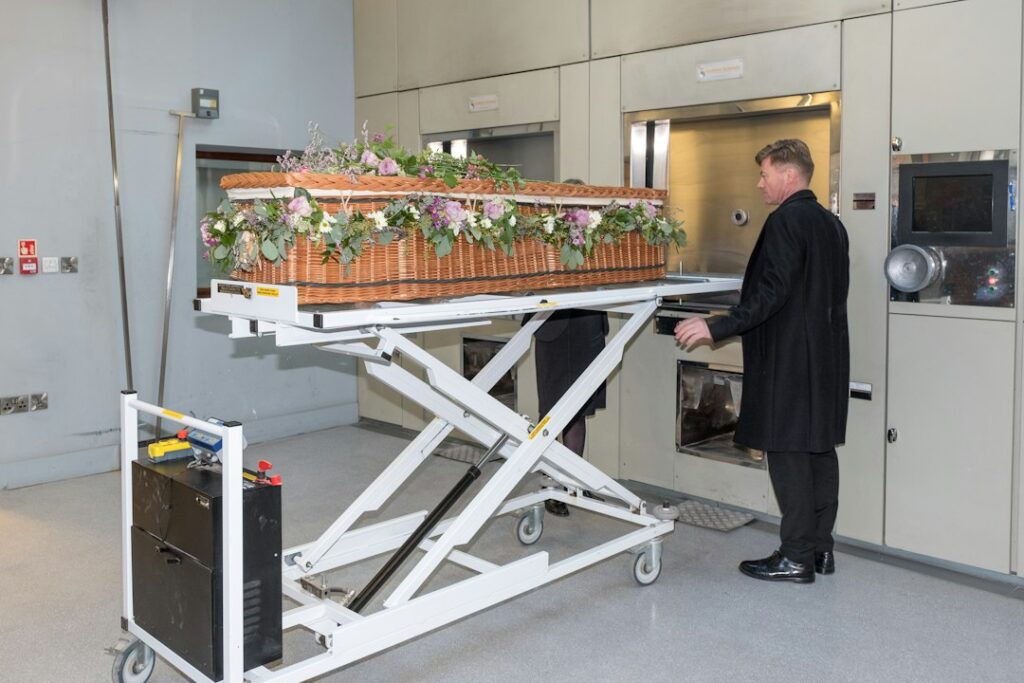
Hydraulic lift tables are a cornerstone of modern material handling. At their core, these versatile machines utilize hydraulic power to raise and lower platforms, facilitating the movement of goods from one height to another. Their design is typically based on a scissor-like mechanism, which allows for a significant range of vertical travel while maintaining a compact footprint when lowered.
How Hydraulic Lift Tables Work
The operation of a hydraulic lift table is straightforward yet ingenious. A hydraulic pump, driven by an electric motor, forces hydraulic fluid into a cylinder. This fluid pressure acts upon a piston, which in turn extends or retracts a series of linkages, most commonly a scissor mechanism. As the piston extends, the linkages unfold, raising the platform. Conversely, as the piston retracts, the linkages fold, lowering the platform. Control is typically managed through simple push-button controls, allowing operators to precisely adjust the platform’s height.
Key Features and Benefits of Lift Tables
The versatility of hydraulic lift tables stems from their numerous features and the substantial benefits they offer:
- Ergonomic Workstations: Lift tables are fundamental to creating ergonomic workstations. By allowing operators to raise or lower materials to an optimal working height, they eliminate excessive bending, stretching, and reaching, significantly reducing the risk of musculoskeletal disorders (MSDs).
- Improved Productivity: With materials easily accessible at the correct height, workflow is streamlined. Operators spend less time manually adjusting loads or moving to different levels, leading to faster task completion and increased overall output.
- Reduced Risk of Injury: MSDs are a leading cause of workplace injuries. Lift tables directly address this by promoting proper body mechanics and minimizing strenuous physical effort.
- Versatile Applications: From loading and unloading trucks to assembly line operations, machine feeding, and order fulfillment, lift tables are adaptable to a wide array of industrial settings.
- Heavy Load Capacity: Hydraulic systems provide the power to lift substantial weights, making them suitable for handling heavy machinery, pallets, and large quantities of goods.
- Customization Options: Many lift tables can be customized with features like rotating tops, tilt capabilities, safety skirts, and various platform sizes to meet specific operational requirements.
- Space Efficiency: When lowered, scissor lift tables occupy minimal floor space, making them ideal for facilities where space is at a premium.
Common Applications for Lift Tables
The applications for hydraulic lift tables are extensive and span across various industries:
- Manufacturing: Feeding raw materials into machines, positioning finished goods for inspection or packaging, and supporting assembly processes.
- Warehousing and Logistics: Loading and unloading delivery trucks, repositioning inventory within the warehouse, and facilitating order picking and packing.
- Automotive: Used in repair shops for lifting vehicles and in manufacturing plants for assembly line operations.
- Distribution Centers: Streamlining the process of moving goods from receiving to storage and from storage to shipping.
- Medical and Pharmaceutical: Positioning equipment, handling supplies, and supporting laboratory operations where precise elevation is needed.
- Aerospace: Handling aircraft components and assisting in maintenance and assembly.
Fredon Handling offers a comprehensive range of hydraulic lift tables, including standard models and custom solutions. Explore our Hydraulic Lift Tables to find the right fit for your needs.
Exploring the World of Tilt Tables
While lift tables excel at vertical adjustments, tilt tables are designed to change the orientation of a load, typically tilting it at an angle. This functionality is crucial for tasks that require accessing sides of a product, facilitating drainage, or presenting materials for easier manipulation.
How Tilt Tables Operate
Tilt tables, like lift tables, often utilize hydraulic or pneumatic systems to achieve their movement. The core mechanism allows a platform to pivot on an axis, enabling it to tilt forward, backward, or sometimes sideways. The degree of tilt is controllable, allowing operators to set the precise angle required for the task.
Distinct Features and Advantages of Tilt Tables
The unique capabilities of tilt tables offer specific advantages:
- Ergonomic Tilting: Similar to lift tables, tilt tables contribute to ergonomic workflows by allowing materials to be presented at an angle that reduces reaching, twisting, and bending for operators.
- Improved Access to Loads: Tilting a load can provide better visibility and access to different surfaces or components, which is invaluable in assembly, inspection, or repair tasks.
- Facilitating Drainage and Pouring: In industries dealing with liquids or granular materials, tilt tables are essential for efficiently draining containers or precisely pouring contents.
- Material Presentation: Tilting can present items in a way that simplifies loading onto other equipment or presentation for quality control.
- Streamlined Loading and Unloading: For certain types of loads, tilting can make it easier to slide items onto or off conveyors, pallets, or other handling devices.
- Customizable Tilt Angles: The ability to set precise tilt angles ensures that the equipment is tailored to the specific material and task.
Diverse Applications for Tilt Tables
The applications where tilt tables prove indispensable are varied and critical:
- Container Draining and Filling: Essential in food processing, chemical manufacturing, and waste management for efficient emptying and filling of drums, bins, and totes.
- Assembly and Inspection: Presenting components or assemblies at an angle that allows for easier access for assembly workers or inspectors.
- Machine Feeding: Tilting materials to a specific angle for seamless feeding into production machinery.
- Loading/Unloading Skewed Loads: Where items are not perfectly flat or need to be slid, a tilt can assist in the loading or unloading process.
- Ergonomic Material Presentation: In various industries, tilting a product can significantly improve operator comfort and reduce strain during repetitive tasks.
- Tool and Die Handling: Assisting in the manipulation and positioning of heavy tooling.
Fredon Handling offers a selection of tilt tables designed for robust performance and operator safety. Learn more about our Tilt Tables and how they can optimize your material handling.
The Crucial Differences: Tilt Table vs. Lift Table
The primary distinction between a tilt table and a lift table lies in their fundamental function: vertical movement versus angular movement. While both contribute to improved ergonomics and efficiency, they solve different material handling problems.
Core Functionality: Vertical Elevation vs. Angular Adjustment
- Lift Tables: Primarily designed for raising and lowering a platform vertically. They are ideal for bridging height gaps, bringing loads to ergonomic working levels, or facilitating loading/unloading to different elevations.
- Tilt Tables: Primarily designed for changing the orientation of a load by tilting it at an angle. They are best suited for tasks requiring access to the sides of a load, draining, pouring, or presenting materials at a specific angle.
When to Choose a Lift Table
Consider a lift table when your primary challenge involves:
- Bridging vertical height differences: Moving materials between floor level and a higher workstation, or between different levels of a process.
- Bringing loads to an ergonomic working height: Eliminating the need for employees to bend or stretch excessively.
- Loading or unloading trucks and trailers: When the bed of the vehicle is at a different height than the loading dock or floor.
- Repetitive lifting tasks: Reducing the physical strain on workers from consistently lifting heavy items.
- Creating adjustable workstations: Where the height of the work surface needs to be adaptable for different tasks or operators.
When to Opt for a Tilt Table
Choose a tilt table when your main objective is to:
- Access the sides or bottom of a load: For tasks like inspection, assembly, or repair that require manipulation of various surfaces.
- Empty or fill containers efficiently: Facilitating the controlled pouring or draining of liquids, powders, or granular materials.
- Present materials for easier manipulation: Making it simpler for operators to grasp, sort, or process items.
- Load or unload items at an angle: For instance, sliding items onto a conveyor or removing them from a bin where a direct vertical lift is not ideal.
- Improve visibility of a load’s contents: When working with bins or containers where tilting provides a better view.
Can They Be Combined?
Yes, it’s not uncommon for a single piece of equipment or an integrated system to combine both lift and tilt functionalities. For instance, a lift table can be equipped with a tilting top, or a tilt table might also have a limited vertical adjustment capability. This dual functionality can be incredibly beneficial in complex operations. Fredon Handling offers solutions that can be customized to incorporate both lifting and tilting features, providing a comprehensive material handling solution.
When considering the best equipment for your workspace, it’s essential to understand the differences between tilt tables and lift tables. For a deeper insight into how these tools can enhance your operations, you might find it helpful to explore an article that discusses the various applications and benefits of material handling solutions. This resource can provide valuable information that complements your understanding of tilt and lift tables. To learn more about the broader context of handling equipment, check out this informative article on material handling solutions.
Beyond Basic Lifting and Tilting: Related Material Handling Equipment
While tilt tables and lift tables are distinct, they are often part of a broader material handling strategy that includes other specialized equipment designed to optimize specific aspects of a workflow. Understanding these related solutions can further enhance your facility’s efficiency.
Scissor Lifts: A Versatile Lifting Solution
Scissor lifts are a specific type of lift table that utilizes a cross-hatch, scissor-like mechanism to achieve vertical lift. They are renowned for their stability and ability to achieve significant heights.
- Applications: Loading docks, maintenance, aerial work platforms, and general material lifting in warehouses and factories.
- Benefits: High lifting capacity, stable platform, and ability to reach considerable heights.
- Fredon Handling’s Offering: Explore our Scissor Lifts for robust vertical lifting solutions.
Pallet Positioners: Optimizing Pallet Handling
Pallet positioners are designed to bring palletized loads to an ergonomic height, reducing bending and twisting when loading or unloading pallets.
- Applications: Warehousing, manufacturing, and any operation involving frequent pallet handling.
- Benefits: Reduces strain on workers, increases speed of pallet loading/unloading, and improves overall workflow.
- Fredon Handling’s Solutions: Discover our Pallet Positioners for efficient pallet management.
Turntables: Enhancing Rotation and Access
Turntables allow for the rotation of a load, providing access to all sides without needing to manually reposition the entire object.
- Applications: Assembly lines, packaging, inspection, and areas where a load needs to be turned frequently.
- Benefits: Improves accessibility, reduces manual labor for rotation, and enhances workflow in repetitive tasks.
Ergonomic Workstations: The Holistic Approach
Ergonomic workstations integrate various pieces of equipment, including lift tables, tilt tables, and specialized fixtures, to create an optimal working environment that prioritizes employee health and productivity.
- Benefits: Reduced risk of injury, increased efficiency, improved morale, and higher quality output.
- Fredon Handling’s Expertise: We offer comprehensive ergonomic solutions to design and implement ideal workstations.
Selecting the Right Equipment for Your Facility
Choosing between a tilt table and a lift table, or deciding on a combination of equipment, requires careful consideration of your specific operational needs. Fredon Handling provides tools and expertise to guide this decision-making process.
Assessing Your Material Handling Challenges
Before investing in new equipment, conduct a thorough assessment of your current material handling processes:
- What is the primary problem you are trying to solve? Is it the difficulty of lifting heavy items, the need to access different parts of a load, or the inefficiency of manual repositioning?
- What types of materials are you handling? Consider their size, weight, shape, and any specific handling requirements (e.g., liquids, fragile items).
- What is the typical workflow? Map out the steps involved in handling materials from receiving to shipping or from raw material to finished product.
- What are the current ergonomic risks? Identify tasks that involve excessive bending, twisting, reaching, or repetitive motions.
- What is the available space in your facility? Consider the footprint of potential equipment.
- What is your budget? Factor in the initial cost, installation, and ongoing maintenance.
Key Criteria for Selection
When evaluating lift tables and tilt tables, focus on these critical criteria:
- Capacity: Ensure the equipment can safely handle the maximum weight of the loads you will be moving.
- Lift/Tilt Range: Does the equipment provide sufficient vertical travel or angular adjustment to meet your needs?
- Platform Size and Type: Is the platform large enough to accommodate your typical loads? Are there specific features needed, such as a non-slip surface or specific mounting points?
- Power Source: Hydraulic, pneumatic, or electric? Hydraulic is common for heavier loads, while pneumatic can be faster for lighter applications.
- Control System: Simple push-button, foot pedal, or more advanced automated controls?
- Durability and Construction: Look for robust materials and construction that can withstand the demands of your industrial environment.
- Safety Features: Consider features like safety skirts, emergency stop buttons, and overload protection.
- Maintenance Requirements: How easy is the equipment to maintain and service?
The Role of Ergonomics in Your Decision
Prioritizing ergonomics is not just about employee well-being; it’s a smart business decision. Properly designed workstations that utilize lift and tilt technologies can lead to:
- Reduced Absenteeism: Fewer injuries mean less time off work.
- Increased Employee Retention: A safer and more comfortable work environment leads to happier employees.
- Higher Quality Output: When employees are not struggling with physically demanding tasks, they can focus more on the quality of their work.
Fredon Handling’s commitment to ergonomics extends to our entire product line, ensuring that our equipment helps create healthier and more productive workplaces.
Safety and Maintenance: Ensuring Longevity and Performance
Investing in high-quality material handling equipment is only the first step. Ensuring its safe operation and implementing a regular maintenance schedule are crucial for maximizing its lifespan and preventing costly downtime.
Essential Safety Features and Practices
Both tilt tables and lift tables come with inherent safety features, but operator awareness and adherence to best practices are paramount:
- Read the Manual: Always familiarize yourself and your operators with the manufacturer’s operating manual.
- Operator Training: Ensure all operators are properly trained on the safe operation of the equipment.
- Load Limits: Never exceed the maximum weight capacity of the equipment.
- Clearance Zones: Maintain adequate clearance around the equipment to prevent pinch points or collisions.
- Inspect Before Use: Conduct daily visual inspections for any signs of damage, wear, or leaks.
- Emergency Stops: Ensure emergency stop buttons are accessible and understood by operators.
- Safety Skirts/Guards: Use any provided safety skirts or guards to prevent access to moving parts.
- Stable Surface: Ensure the equipment is placed on a firm, level surface.
Proactive Maintenance for Optimal Performance
Regular maintenance is key to preventing unexpected breakdowns and ensuring the continued efficient operation of your tilt tables and lift tables:
- Hydraulic Fluid Levels and Condition: For hydraulic systems, regularly check hydraulic fluid levels. Ensure the fluid is clean and free of contamination. Replace it according to the manufacturer’s recommendations.
- Lubrication: Lubricate all moving parts, pivot points, and linkages as per the maintenance schedule. This reduces friction and wear.
- Hose and Fitting Inspection: Inspect hydraulic hoses and fittings for any signs of wear, leaks, or damage. Replace them immediately if any issues are found.
- Structural Integrity: Regularly check the platform, frame, and scissor linkages for any signs of bending, cracking, or wear.
- Electrical Connections: Ensure all electrical connections are secure and free from corrosion.
- Control System Checks: Test the functionality of all controls, including up, down, and emergency stop functions.
- Scheduled Professional Servicing: Consider periodic servicing by qualified technicians to perform more in-depth inspections and maintenance.
A well-maintained piece of equipment is a reliable and safe piece of equipment. Fredon Handling can provide guidance on maintenance schedules and recommend certified service providers if needed.
Conclusion: Making the Right Choice for Your Operations
In the intricate landscape of industrial material handling, the distinction between tilt tables and lift tables is not merely semantic; it represents a fundamental difference in operational capability and problem-solving. Hydraulic lift tables excel at bridging vertical gaps and bringing materials to ergonomic working heights, thereby reducing physical strain and boosting efficiency. Tilt tables, on the other hand, are indispensable for tasks requiring the manipulation of a load’s orientation, facilitating access, drainage, or specialized presentation.
For warehouse managers, manufacturers, and facility operators, the decision hinges on a precise understanding of their unique challenges. Are you grappling with the physical demands of lifting heavy items to elevated workstations? A hydraulic lift table or scissor lift might be your optimal solution. Alternatively, if your processes involve emptying containers, inspecting components from various angles, or presenting materials in a specific orientation, a tilt table will likely be the more appropriate choice.
Fredon Handling is your trusted partner in navigating these critical decisions. Our extensive range of industrial material handling equipment, including hydraulic lift tables, scissor lifts, pallet positioners, tilt tables, turntables, and ergonomic workstations, is designed to address a diverse array of operational needs. We encourage you to explore our product offerings on fredonhandling.com and leverage our expertise to identify the perfect equipment for your facility. By carefully assessing your requirements and choosing the right combination of lifting and tilting solutions, you can significantly enhance productivity, improve employee safety, and ensure a more efficient and cost-effective operation.
Don’t let inefficient material handling hold your business back. Contact Fredon Handling today to discuss your specific needs and discover how our expert solutions can transform your operations.
Frequently Asked Questions (FAQs)
1. Can a lift table also tilt?
Yes, many lift tables can be equipped with tilting capabilities. This dual functionality offers immense versatility, allowing for both vertical adjustment and angular positioning of loads. Fredon Handling can provide custom solutions that integrate both lifting and tilting features to meet specific operational demands.
2. What is the difference between a scissor lift and a hydraulic lift table?
A scissor lift is a type of hydraulic lift table that utilizes a scissor-like mechanism for vertical movement. The term “hydraulic lift table” is broader and can encompass various lifting mechanisms, though scissor lifts are the most common. Both rely on hydraulic power to raise and lower platforms.
3. How do I determine the correct weight capacity for a tilt table or lift table?
To determine the correct capacity, you must identify the heaviest load you anticipate handling. Always factor in a safety margin, typically 10-20% above your maximum expected load, to ensure the equipment is not consistently pushed to its limits, which can lead to premature wear and potential safety hazards.
4. Are tilt tables and lift tables safe for repetitive use?
Yes, when operated correctly and maintained properly, both tilt tables and lift tables are designed for safe and repetitive use. Their primary purpose is to reduce the physical strain on operators, making repetitive tasks safer and more ergonomic than manual handling. Regular inspections and adherence to safety guidelines are crucial.
5. How often should I perform maintenance on my tilt table or lift table?
The frequency of maintenance depends on the equipment’s usage, the environment in which it operates, and the manufacturer’s recommendations. As a general guideline, daily visual inspections are recommended. Lubrication and more in-depth checks should be performed weekly or monthly, with more comprehensive servicing scheduled annually or bi-annually, depending on usage intensity. Always refer to the equipment’s manual for specific maintenance schedules.