
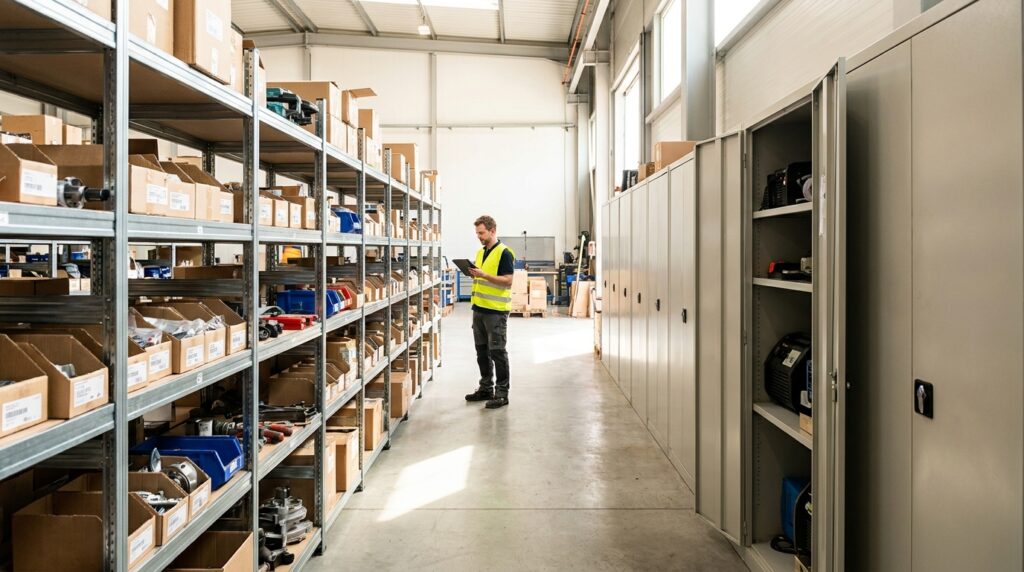
Navigating the complex world of industrial material handling and storage solutions requires careful consideration of every detail, especially when it comes to the foundation of your warehouse operations: shelving. The choice between open and closed industrial shelving can significantly impact efficiency, safety, and cost-effectiveness. This decision is paramount for warehouse managers, manufacturers, maintenance teams, and purchasing professionals alike. Understanding the distinct advantages and applications of each type is the first step toward optimizing your facility. Fredon Handling, with its expertise in providing comprehensive industrial material handling and storage solutions, is here to guide you through this critical choice, ensuring you select the system that best supports your unique operational needs and drives productivity.
Understanding the Core Differences: Open vs. Closed Shelving
The fundamental distinction between open and closed industrial shelving lies in their construction and, consequently, their primary use cases. Open shelving, as the name suggests, features an unobstructed design, typically consisting of uprights and horizontal beams or shelves. This accessibility is its main selling point, allowing for quick and easy retrieval of items. Closed shelving, on the other hand, incorporates side panels and often a back panel, enclosing the stored items. This enclosure provides a greater degree of protection and containment.
The Simplicity and Accessibility of Open Industrial Shelving
Open industrial shelving is characterized by its straightforward design. It usually comprises a frame structure with shelves that are easily accessible from all sides. This design is ideal for items that are frequently accessed, moved in and out of storage, or when visibility of inventory is a priority.
Applications and Benefits of Open Shelving
- Fast-moving Inventory: For items that are part of a high-throughput workflow, such as in retail distribution centers or fulfillment operations, open shelving allows for rapid picking and replenishment.
- Bulk Storage: Larger, bulkier items that don’t require significant protection from dust or damage can be efficiently stored on open shelving. Think of raw materials, oversized components, or packaged goods.
- Visibility and Inventory Management: The open nature of the shelving provides excellent visual inventory control, enabling staff to quickly identify stock levels and locate items. This can reduce search time and improve order accuracy.
- Cost-Effectiveness: Generally, open shelving systems are more economical to purchase and install due to their simpler construction.
- Flexibility: Many open shelving systems are modular and easily reconfigurable, allowing for adjustments as storage needs evolve.
When Open Shelving Might Not Be the Best Fit
While beneficial, open shelving isn’t suitable for every situation. If your inventory is susceptible to dust, moisture, pests, or requires a high level of security, open shelving will likely not suffice. Additionally, if items are prone to falling or being knocked off shelves, the open design poses a risk.
The Protective Nature of Closed Industrial Shelving
Closed industrial shelving offers a more contained storage environment. The addition of panels on the sides and back creates a barrier that shields stored items from various external factors. This containment also contributes to a more organized and aesthetically pleasing storage area.
Applications and Benefits of Closed Shelving
- Protection from Environmental Factors: Closed shelving is excellent for protecting sensitive items from dust, dirt, moisture, and other airborne contaminants. This is crucial for industries like electronics manufacturing, pharmaceuticals, and food processing.
- Security and Theft Prevention: The enclosed nature of the shelving makes it more difficult for unauthorized access or theft. This is a significant advantage for storing valuable or high-risk items.
- Containment of Small Parts: For storing small components, hardware, or individual items, closed shelving (especially when combined with bins or drawers) helps prevent items from falling out or getting misplaced.
- Organized Appearance: The enclosed design contributes to a neater and more organized warehouse appearance, which can be important for client visits or maintaining a professional environment.
- Noise Reduction: In some manufacturing environments, closed shelving can offer a minor degree of sound dampening.
When Closed Shelving Might Not Be the Best Fit
The primary drawback of closed shelving can be its higher initial cost compared to open systems. Access can also be slightly slower if items are not arranged logically, as you may need to open doors or access items from specific sides. The enclosed design can also limit the airflow around stored goods, which may be a consideration for certain materials.
When considering the best shelving solution for your facility, it’s essential to explore various options and their benefits. A related article that delves deeper into the practical applications and advantages of different shelving systems can be found at Fredon Handling Projects. This resource provides insights into how both open and closed industrial shelving can optimize your storage space and improve operational efficiency.
Key Factors in Choosing the Right Industrial Shelving System
Selecting the appropriate shelving solution involves a deep understanding of your operational requirements, the nature of the items being stored, and your facility’s constraints. Fredon Handling offers a wide array of solutions, and we recommend evaluating the following critical factors to make an informed decision.
Assessing Your Inventory and Storage Needs
The first step is to thoroughly analyze what you are storing. Consider the following:
- Item Size and Weight: Are you storing lightweight, small parts or heavy, bulky items? This will dictate the strength and type of shelving required. Fredon’s range includes heavy-duty shelving designed for significant loads.
- Item Sensitivity: Are your items delicate, sensitive to dust, light, or temperature fluctuations? This will point towards the need for protective features offered by closed shelving or specialized enclosed storage units.
- Access Frequency: How often are items retrieved or replenished? High-frequency items benefit from the ease of access provided by open shelving.
- Inventory Turnover Rate: Understanding your stock rotation will help determine the ideal shelving configuration for efficient picking and put-away processes.
Evaluating Facility Constraints and Operational Workflow
Beyond the inventory itself, your physical space and operational flow are critical considerations.
- Available Space: Measure your storage areas meticulously. Consider ceiling height, aisle width, and the overall footprint. This will influence the type and configuration of shelving that can be effectively implemented.
- Aisle Design: The width of your aisles directly impacts the type of material handling equipment you can use and the overall storage density you can achieve.
- Ergonomics and Safety: How will your team interact with the shelving? Easy access, appropriate heights, and clear labeling are crucial for safe and efficient operations.
- Workflow Integration: How does your storage system integrate with your receiving, picking, packing, and shipping processes? The shelving should support and enhance your existing workflow.
Budgetary Considerations and Return on Investment (ROI)
While initial cost is a factor, it’s essential to look at the long-term value and ROI.
- Initial Investment: Compare the upfront costs of different shelving types, including installation. Open shelving often has a lower initial cost.
- Operational Efficiency Gains: Consider how each shelving type can improve picking times, reduce errors, and increase storage density, leading to cost savings over time.
- Durability and Maintenance: Invest in quality shelving that will last. Consider the maintenance requirements and potential replacement costs. Fredon offers durable solutions built to withstand industrial environments.
- Space Optimization: The ability of shelving to maximize vertical space can significantly reduce the need for additional storage square footage, yielding substantial long-term savings.
Optimizing Warehouse Space with Strategic Shelving Solutions
Efficient space utilization is a constant challenge for businesses. The right industrial shelving can transform underutilized areas into productive storage zones, significantly boosting capacity and operational efficiency. Fredon Handling specializes in providing solutions that maximize every cubic foot of your warehouse.
Maximizing Vertical Space with Industrial Shelving
One of the most effective ways to increase storage capacity without expanding your building’s footprint is by leveraging vertical space.
- Height Considerations: Ensure your shelving systems can be installed to take advantage of your full ceiling height, considering clearance for material handling equipment like forklifts or order pickers.
- Mezzanines and Multi-Level Shelving: For very high ceilings, consider integrating mezzanines or multi-level shelving systems. These create additional floors of storage, dramatically increasing usable space. Fredon can design and implement these complex solutions.
Types of Industrial Shelving for Space Optimization
Fredon Handling offers a diverse range of shelving types, each suited for different space optimization goals:
- Selective Pallet Racks: While primarily for palletized goods, their inherent verticality is key for space optimization. We offer various beam and upright configurations to suit different pallet sizes and weights. [Link to Fredon’s Pallet Racking solutions page]
- Drive-In/Drive-Through Racks: These high-density systems allow forklifts to drive directly into the rack structure, storing multiple pallets deep. They are excellent for facilities with a limited number of SKUs and high volume.
- Cantilever Racking: Ideal for storing long, bulky items like lumber, pipes, or metal bars, cantilever racks have no vertical uprights in the storage bay, allowing for unimpeded access and efficient use of space for these specialized items. [Link to Fredon’s Cantilever Racking solutions page]
- Wire Shelving: Lightweight and versatile, wire shelving is excellent for lighter loads and can be configured in various ways, including mobile units, to save space and improve accessibility.
- Boltless Shelving: Easy to assemble and reconfigure, boltless shelving offers flexibility for adapting to changing storage needs and optimizing space for various item sizes.
Implementing Efficient Storage Configurations
Beyond the type of shelving, the way it’s configured within your facility plays a crucial role in space optimization.
- Aisle Width Optimization: Carefully plan aisle widths to balance accessibility for your material handling equipment with the desire to maximize storage density. Narrower aisles can significantly increase storage capacity but require specialized equipment.
- Batch Picking and Zone Picking Strategies: The layout of your shelving should support your picking strategies. For batch picking, consolidating similar items together can be efficient. For zone picking, dedicated shelving areas for each zone are beneficial.
- Utilizing Corner and Wall Space: Don’t overlook the potential of corners and wall spaces. Specialized shelving units or custom configurations can help maximize storage in these often-underutilized areas.
Ensuring Safety and Durability in Industrial Shelving Selection
Safety and the longevity of your investment are non-negotiable aspects of industrial material handling and storage solutions. Fredon Handling prioritizes robust construction, adherence to safety standards, and durable materials to ensure both the well-being of your personnel and the integrity of your stored goods.
Safety Features and Considerations for Industrial Shelving
Industrial environments present unique safety challenges, and your shelving system must be designed to mitigate these risks.
- Load Capacity and Placards: Every shelving unit must clearly display its maximum load capacity. Never exceed these limits. Fredon ensures all our products meet stringent load-bearing standards.
- Stability and Anchoring: Shelving units, especially tall ones, must be securely anchored to the floor and/or wall to prevent tipping. This is crucial in areas prone to vibration or seismic activity.
- Edge Protection and Guarding: Consider guardrails or toe-kicks to prevent items from falling off shelves and potentially injuring personnel or damaging products below.
- Clearance and Access: Ensure adequate clearance around shelving units for safe operation of forklifts, pallet jacks, and for personnel to move freely and safely.
- Material Handling Equipment Compatibility: The shelving must be compatible with the material handling equipment you use. For example, pallet rack beams need to accommodate standard pallet sizes and forklift forks.
Durability and Material Considerations
The materials used in your shelving system will directly impact its lifespan and resistance to wear and tear in a demanding industrial setting.
- Steel Construction: High-grade steel is the standard for industrial shelving due to its strength, durability, and resistance to damage. Different grades of steel offer varying levels of load capacity and corrosion resistance.
- Coatings and Finishes: Powder coating or galvanization provides excellent protection against rust and corrosion, extending the life of the shelving, especially in humid or corrosive environments.
- Resistance to Impact and Abrasion: Consider the typical wear and tear your shelving will experience. Some finishes are more resistant to scratches and impacts than others.
- Maintenance Requirements: Choose a system that aligns with your maintenance capabilities. Some finishes require less upkeep than others.
Fredon’s Commitment to Quality and Safety
At Fredon Handling, we understand that your shelving is a critical component of your operation’s infrastructure. We source and manufacture our solutions using high-quality materials and adhere to rigorous industry safety standards. Our team can advise you on the most durable and safest options for your specific application, ensuring compliance and peace of mind. [Link to Fredon’s About Us or Quality Assurance page]
When considering the best storage solutions for your facility, it’s essential to evaluate the advantages of different shelving types, including open and closed industrial shelving. For a deeper understanding of how these options can impact your operations, you might find it helpful to explore a related article that discusses the top material handling equipment for efficient warehouse operations. This resource can provide valuable insights into optimizing your space and improving workflow. You can read more about it here.
Practical Tips for Implementing and Maintaining Industrial Shelving
The benefits of industrial shelving are fully realized through proper implementation and ongoing maintenance. Fredon Handling offers guidance to help you get the most out of your investment.
Practical Tips for Installation and Organization
- Plan Your Layout Meticulously: Before installation, map out your entire warehouse, considering workflows, traffic patterns, and product flow.
- Labeling is Crucial: Implement a clear and consistent labeling system for all shelves and locations. This speeds up picking and reduces errors.
- Categorize and Group Similar Items: Store like items together to streamline inventory management and picking processes.
- Consider Accessibility: Place frequently accessed items at ergonomic heights (waist to shoulder level) to minimize bending and reaching.
- Regularly Inspect for Damage: Make it a habit to visually inspect shelving for any signs of damage, bending, or corrosion.
Essential Maintenance Practices for Longevity
- Routine Inspections: Schedule regular, thorough inspections of all shelving units, paying attention to connections, uprights, beams, and shelves.
- Address Damage Promptly: Any bent or damaged components should be repaired or replaced immediately to prevent potential failures.
- Load Management: Continuously monitor and enforce load limits to prevent overloading, which is a primary cause of structural failure.
- Cleanliness: Keep shelving areas clean and free of debris. This not only improves safety but also helps in identifying potential issues early.
- Documentation: Keep records of inspections, repairs, and any modifications made to the shelving system.
Frequently Asked Questions About Industrial Shelving
Q: How often should I inspect my industrial shelving?
A: Regular visual inspections should be conducted daily or weekly by warehouse staff. A more thorough, detailed inspection by a qualified individual should occur at least annually, or more frequently if the shelving is in a high-traffic or demanding environment.
Q: Can I combine open and closed shelving in my warehouse?
A: Absolutely. Many warehouses benefit from a hybrid approach, using open shelving for fast-moving, less sensitive items and closed shelving for protected or sensitive goods. Fredon can help design a mixed system.
Q: What are the signs that my shelving needs repair or replacement?
A: Look for bent or twisted uprights or beams, cracked welds, excessive rust, or sagging shelves. Any signs of structural compromise require immediate attention.
Q: How can I improve storage density with my existing shelving?
A: Consider reconfiguring your layout for narrower aisles if your equipment allows, optimizing shelf heights, and ensuring you are not wasting vertical space. For pallet racks, explore options like double-deep storage or drive-in systems if applicable.
Q: What is the typical lifespan of industrial shelving?
A: With proper maintenance and appropriate use, high-quality steel industrial shelving can last for 20-30 years or even longer. Factors like the environment and usage intensity will affect this.
Conclusion and Next Steps for Your Facility
The decision between open vs. closed industrial shelving: Which is best for your facility? is a strategic one that impacts efficiency, safety, and cost for your operations. By carefully considering your inventory, facility constraints, and workflow, you can select the system that provides optimal performance. Open shelving offers superior accessibility and often a lower initial cost, ideal for high-turnover items. Closed shelving provides essential protection and security for sensitive goods. Fredon Handling is your trusted partner in navigating these choices, offering a comprehensive range of industrial material handling and storage solutions tailored to your unique needs. From robust pallet racking to versatile shelving units, we are dedicated to helping you optimize your warehouse space and enhance operational productivity.
Don’t let suboptimal storage hinder your business growth. Take the next step towards a more efficient and secure operation. Contact Fredon Handling today to schedule a free consultation or request a personalized quote. Our experts are ready to assess your needs and design the ideal industrial shelving solution for your facility.