
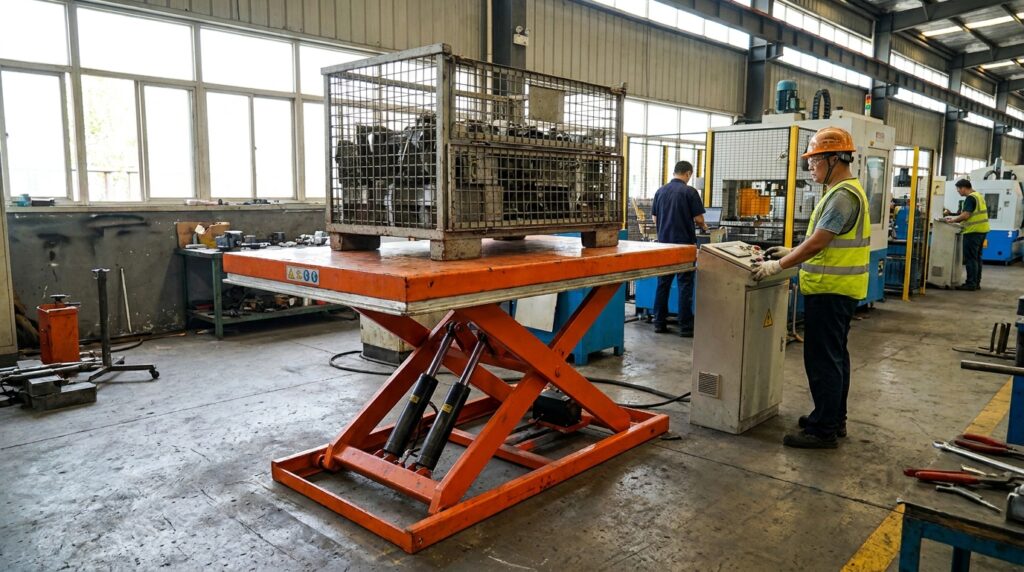
The Indispensable Role of Hydraulic Lift Tables in Modern Manufacturing
In the dynamic and demanding landscape of modern manufacturing, efficiency, safety, and ergonomic optimization are paramount. Industrial facilities are constantly seeking solutions that streamline operations, reduce worker strain, and maximize productivity. Among the most versatile and impactful pieces of equipment fulfilling these needs are hydraulic lift tables. These robust machines are far more than simple lifting devices; they are sophisticated tools that enable precise material handling, facilitate assembly processes, and contribute significantly to a safer, more productive work environment. Fredon Handling, a trusted provider of industrial material handling solutions, understands the critical importance of these systems and offers a comprehensive range of hydraulic lift tables designed to meet the diverse challenges of manufacturing operations. This article delves deep into the world of hydraulic lift tables, exploring their design, applications, benefits, selection criteria, and essential maintenance practices, all with the industrial buyer, engineer, and facility manager in mind.
Hydraulic lift tables play a crucial role in enhancing efficiency within manufacturing environments by facilitating the safe and effective movement of heavy materials. For a deeper understanding of how various material handling equipment, including hydraulic lift tables, can optimize warehouse operations, you can explore this related article: Top Material Handling Equipment for Efficient Warehouse Operations. This resource provides valuable insights into the best practices and equipment choices that can streamline processes in manufacturing and warehousing settings.
Understanding the Mechanics and Versatility of Hydraulic Lift Tables
At their core, hydraulic lift tables utilize the power of hydraulics – the transmission of force through a fluid under pressure – to elevate and lower heavy loads with remarkable ease. A hydraulic pump, powered by an electric motor or manual operation, pressurizes oil, which is then directed into a cylinder. This pressurized fluid forces a piston upward, extending a series of scissor-like arms that support the table platform. When the pressure is released, valves allow the oil to return to a reservoir, and the platform descends smoothly. This fundamental mechanism, while appearing straightforward, offers a high degree of control and lifting capacity, making it ideal for a wide array of manufacturing tasks.
The Scissor Lift Mechanism: Precision and Power
The signature feature of most hydraulic lift tables is their scissor-like leg structure. This design allows for significant vertical travel from a compact, lowered position. The cross-braced arrangement distributes weight evenly and provides exceptional stability throughout the lifting range. The number of scissor arms and their configuration can be tailored to achieve specific lifting heights and load capacities. For instance, double-scissor or triple-scissor designs enable much greater vertical travel, crucial for applications requiring significant elevation changes.
Hydraulic Power Systems: Electric vs. Manual
The choice between electric and manual hydraulic power depends on the frequency and intensity of use. Electric hydraulic systems are the standard for most industrial applications, offering automated operation with push-button controls for rapid and effortless lifting and lowering. Manual hydraulic systems, typically operated by a foot pump or hand lever, are suitable for less frequent use or in areas where electrical power is not readily available, offering a cost-effective solution for lighter-duty applications.
Beyond the Basic Lift: Customization and Specialized Features
The true strength of hydraulic lift tables lies in their adaptability. Fredon Handling offers a wide range of customization options to tailor these units to specific manufacturing needs. This can include:
- Platform Size and Configuration: From standard rectangular platforms to custom shapes designed to accommodate specific workpieces or components, the platform can be engineered for optimal fit and function.
- Lifting Height Requirements: Whether the need is for a few inches of incremental adjustment or several feet of vertical travel, lift tables can be configured to meet virtually any height specification.
- Load Capacity: Hydraulic lift tables are available in capacities ranging from a few hundred pounds to several tons, ensuring a solution for even the heaviest industrial loads.
- Safety Features: Integrated safety features such as overflow valves, dead man controls, skirted platforms, and emergency stops are critical for preventing accidents and protecting personnel.
- Accessory Integration: Options like conveyor integration, rotating turntables, pit-mounted designs, and specialized clamps can transform a basic lift table into a comprehensive workstation.
Key Applications of Hydraulic Lift Tables in Manufacturing Environments
The versatility of hydraulic lift tables makes them indispensable across numerous manufacturing sectors. Their ability to safely and efficiently lift, position, and transport materials at various heights streamlines workflows and enhances operational effectiveness.
Material Handling and Logistics
This is perhaps the most common application. Hydraulic lift tables serve as mobile or stationary workstations for:
- Loading and Unloading Trucks: Positioned at dock doors, lift tables can bridge gaps and adjust heights to facilitate seamless loading and unloading of pallets and skids, reducing the need for forklifts in certain scenarios.
- Palletizing and Depalletizing: Workers can raise or lower loads to an ergonomic working height for efficient stacking and unstacking of goods, minimizing bending and reaching.
- Internal Material Transfer: Moving materials between different workstations, assembly lines, or storage areas becomes simpler and safer.
Assembly and Production Lines
Hydraulic lift tables are integral to efficient assembly processes:
- Ergonomic Workstations: Operators can adjust the table height to their optimal comfort level, reducing physical strain and improving posture during repetitive tasks. This is crucial for assembly, inspection, and kitting operations.
- Component Feeding: Lift tables can present components at the correct height for automated machinery or manual assembly, ensuring a consistent and accessible supply.
- Multi-Level Assembly: In operations requiring work at different heights, a lift table can serve as a dynamic platform that can be raised or lowered as needed, eliminating the need for operators to constantly climb or bend.
Machine Tending and Tooling
Interfacing with machinery often requires precise positioning and safe access:
- Loading/Unloading Machine Tools: Lift tables can safely present heavy molds, dies, or workpieces to CNC machines, presses, and other manufacturing equipment, reducing the risk of injury and damage.
- Tool and Die Handling: Heavy tooling can be safely maneuvered and positioned for installation or removal, a task that would otherwise require significant manual effort and risk.
- Maintenance Access: Raised lift tables can provide workers with safe and stable platforms for accessing machinery for routine maintenance or repair.
Quality Control and Inspection
Ensuring product quality requires clear visibility and comfortable working conditions:
- Inspection Stations: Lift tables can elevate products to an ideal height for visual inspection, NDT (non-destructive testing), or other quality checks.
- Measurement and Calibration: Providing a stable and adjustable platform for precise measurement instruments and calibrating equipment.
Packaging Operations
Streamlining the packaging process:
- Packaging Stations: Creating ergonomic workstations for wrapping, boxing, or labeling products, allowing workers to adjust the height for maximum efficiency and comfort.
- Filling Operations: Positioning containers at the correct height for filling with liquids, powders, or other materials.
The Compelling Benefits of Integrating Hydraulic Lift Tables
The adoption of hydraulic lift tables in manufacturing settings yields a multitude of tangible benefits that directly impact a company’s bottom line and operational well-being.
Enhanced Worker Safety and Ergonomics
This is arguably the most significant benefit. By bringing loads to an ergonomic working height, lift tables dramatically reduce:
- Musculoskeletal Disorders (MSDs): Repetitive bending, twisting, and lifting are major contributors to back injuries, carpal tunnel syndrome, and other debilitating conditions. Lift tables allow workers to perform tasks at a neutral posture, minimizing strain.
- Slips, Trips, and Falls: Eliminating the need for workers to reach for objects on the floor or at awkward heights reduces the risk of these common workplace accidents.
- Caught-In/Between Hazards: When properly skirted and operated, lift tables can mitigate risks associated with moving machinery and loads.
Increased Productivity and Throughput
A more comfortable and safer worker is a more productive worker. Lift tables contribute to:
- Reduced Cycle Times: Faster and easier material positioning leads to quicker task completion.
- Minimized Downtime: Reduced worker injuries mean fewer lost workdays. Efficient material flow also prevents bottlenecks.
- Improved Workflow: Seamless integration into assembly lines and material handling processes creates a smoother, more continuous operation.
- Higher Quality Output: Reduced worker fatigue can lead to fewer errors and a higher standard of work.
Cost Savings and Return on Investment (ROI)
While there is an initial investment, hydraulic lift tables offer significant long-term cost savings:
- Reduced Workers’ Compensation Claims: Fewer injuries directly translate to lower insurance premiums and claim-related expenses.
- Lower Equipment Damage: Controlled lifting and positioning reduce the likelihood of dropping or damaging expensive materials and equipment.
- Optimized Labor Utilization: Workers can perform tasks more efficiently, potentially allowing for a reallocation of resources or increased output without additional staffing.
- Extended Equipment Lifespan: By reducing manual strain, workers are less likely to resort to improper lifting techniques that could damage products or the lift table itself.
Greater Operational Flexibility
The adaptable nature of hydraulic lift tables allows manufacturers to respond to changing demands:
- Reconfigurable Workstations: Easily move and reposition lift tables to adapt to new product lines or process changes.
- Accommodating Various Load Types: With customizable platforms and capacities, they can handle a diverse range of materials, from small components to heavy industrial parts.
- Bridging Height Gaps: Effectively manage differing heights between equipment, conveyors, or transport vehicles.
Hydraulic lift tables play a crucial role in enhancing efficiency and safety in manufacturing environments. For those looking to explore more about the benefits and applications of these versatile tools, a related article can be found at this link. By understanding how hydraulic lift tables can streamline operations, manufacturers can significantly improve their workflow and reduce the risk of workplace injuries.
Selecting the Right Hydraulic Lift Table for Your Manufacturing Needs
Choosing the appropriate hydraulic lift table is a critical decision that requires careful consideration of several factors. A mismatch can lead to inefficiencies, safety hazards, and premature equipment failure. Fredon Handling’s expertise ensures that you find the perfect solution for your specific operational demands.
Key Considerations for Selection
- Load Capacity: This is the most fundamental factor. Determine the maximum weight the table will need to lift, and always select a table with a capacity significantly exceeding your typical load to ensure a safety margin.
- Lifting Height: Define the minimum and maximum vertical travel required. Consider the heights of incoming materials, workstations, and outgoing finished goods.
- Platform Size and Configuration: Measure the dimensions of the typical items being handled. Consider the shape and any specific requirements for stability or containment.
- Duty Cycle and Frequency of Use: How often will the lift table be operated? For continuous, heavy-duty use, a robust electric hydraulic system is essential. For less frequent applications, a manual system might suffice.
- Power Source Availability: Ensure access to an appropriate electrical supply for electric models. If not, consider manual options or battery-powered units.
- Environmental Conditions: Will the table operate in a cleanroom, a washdown environment, or an area with corrosive substances? Material choices and sealing will be crucial.
- Ergonomic Requirements: Assess the specific tasks performed at the lift table and the ideal working heights for your workforce.
- Safety Features: Prioritize features that mitigate the risks specific to your operations, such as proximity sensors, safety skirts, and emergency stops.
- Integration Needs: Will the lift table need to interface with other equipment like conveyors, robots, or automated storage systems?
- Budget: Balance the initial cost with the long-term benefits and ROI. Investing in a quality, reliable unit often proves more cost-effective in the long run.
Common Types of Hydraulic Lift Tables and Their Applications
| Type of Lift Table | Description | Typical Applications | Fredon Handling Connection |
| :- | : | : | :– |
| Standard Scissor Lift | Single or double scissor mechanism, versatile for general lifting and positioning. | Palletizing, depalletizing, assembly, material transfer, basic workstations. | Fredon Standard Lift Tables |
| Low Profile Lift Table | Designed for minimal ground clearance, often not requiring a pit for loading with pallet jacks. | Efficient pallet handling, situations where pit installation is not feasible. | Fredon Low Profile Lift Tables |
| Dock Leveler | Bridges the gap between a loading dock and a truck trailer, allowing forklifts and pallet jacks to cross. | Loading and unloading trucks, warehouse logistics. | Fredon Dock Levelers |
| Portable Lift Table | Mounted on casters for easy mobility within the facility. | Flexible workstations, material staging, servicing equipment in various locations. | Fredon Portable Lift Tables |
| Upender/Rotator | Lifts and rotates heavy rolls, coils, or drums to an upright position or specific orientation. | Coil handling, paper roll processing, drum handling in manufacturing. | Fredon Upenders and Rotators |
| Custom Engineered Lifts| Designed and built to meet highly specific and unique manufacturing requirements. | Any specialized application requiring bespoke lifting and positioning solutions. | Fredon Custom Lift Solutions |
Ensuring Longevity: Safety, Operation, and Maintenance Best Practices
The reliable performance and extended lifespan of your hydraulic lift table are directly dependent on proper usage and regular maintenance. Adhering to best practices will safeguard your investment and ensure consistent operational efficiency.
Safe Operation Procedures
- Read the Manual: Thoroughly familiarize yourself and your operators with the equipment’s operating manual and safety instructions before use.
- Clear the Area: Ensure the area around the lift table is free of obstructions, personnel, and debris before and during operation.
- Proper Load Placement: Center the load on the platform and ensure it is stable. Avoid placing loads off-center, which can lead to instability and damage.
- Gradual Operation: Operate the lift table smoothly and avoid sudden movements. Allow the hydraulic system to respond gradually.
- Never Exceed Capacity: Strictly adhere to the stated load capacity. Overloading can cause structural damage and compromise safety.
- Use Safety Features: Always ensure safety features like dead man controls and emergency stops are functioning correctly and utilized as intended.
- No Riding: Never allow personnel to ride on the lift table platform while it is in operation.
- Lockout/Tagout: Implement lockout/tagout procedures during maintenance or repair to prevent accidental activation.
Regular Maintenance Schedule
A proactive maintenance program is essential. While specific requirements vary by manufacturer and model, the following general guidelines apply:
Daily Checks
- Visual Inspection: Look for any signs of damage, leaks, loose fittings, or worn components.
- Control Operation: Test all controls (up, down, emergency stop) to ensure they are functioning correctly.
- Hydraulic Fluid Level: Check the hydraulic fluid level in the reservoir. If low, top up with the recommended fluid type.
- Platform Stability: Ensure the platform is stable and does not exhibit excessive wobble when slightly loaded.
Weekly/Monthly Checks
- Hydraulic Fluid Condition: Examine the fluid for signs of contamination (e.g., discoloration, particles). Contaminated fluid can damage the pump and seals.
- Cylinder Seals: Inspect the hydraulic cylinder seals for any signs of leakage.
- Scissor Arms and Pivot Points: Lubricate pivot points with appropriate grease. Check for wear or damage on the scissor arms.
- Electrical Connections: Inspect electrical connections for corrosion or looseness.
- Safety Skirts/Guards: Ensure all safety skirts and guards are in place and undamaged.
Annual or Bi-Annual Servicing
- Full Hydraulic Fluid Change: Replace the hydraulic fluid according to manufacturer recommendations.
- Filter Replacement: Change hydraulic filters to ensure clean fluid flow.
- Component Inspection: A qualified technician should perform a thorough inspection of the pump, motor, valves, and all structural components.
- Calibration: Verify that the lifting mechanism is accurately calibrated.
Troubleshooting Common Issues
- Slow Operation: This can be due to low hydraulic fluid, air in the system, a worn pump, or a restricted hydraulic line.
- Jerky Movement: Often caused by air in the hydraulic system or a malfunctioning valve.
- Inability to Lift Full Capacity: Could indicate low fluid, a weak pump, or an internal leak.
- Leaks: Promptly identify and address any hydraulic fluid leaks. These can be caused by worn seals or damaged fittings.
Always consult your equipment’s operating manual for specific maintenance procedures and recommended service intervals. For complex issues or scheduled maintenance, engage with qualified service technicians. Fredon Handling offers comprehensive support and maintenance services for our range of products.
Conclusion: Elevating Your Manufacturing Operations with Fredon Handling
In conclusion, hydraulic lift tables are not merely pieces of equipment; they are strategic investments that drive efficiency, enhance safety, and boost productivity within modern manufacturing facilities. From streamlining material handling and logistics to creating ergonomic assembly workstations and facilitating safe machine tending, their versatility is unmatched.
Fredon Handling is committed to providing industrial buyers, engineers, and facility managers with the highest quality hydraulic lift tables and material handling solutions. Our extensive product line, coupled with our deep understanding of manufacturing challenges, allows us to offer tailored solutions that deliver tangible results. Whether you require a standard model, a low-profile unit for seamless pallet handling, a robust dock leveler, or a fully custom-engineered lifting solution, Fredon Handling has the expertise and product range to meet your exact specifications.
By understanding the mechanics, applications, benefits, and crucial selection criteria outlined in this article, you can confidently choose the hydraulic lift tables that will best serve your operational needs. Furthermore, by adhering to stringent safety protocols and implementing a proactive maintenance schedule, you can ensure the longevity and optimal performance of your equipment, maximizing your return on investment and fostering a safer, more productive work environment.
Ready to explore how hydraulic lift tables can transform your manufacturing operations?
Contact Fredon Handling today for a personalized consultation and to learn more about our comprehensive range of solutions. Visit fredonhandling.com or call us at [Your Phone Number] to discuss your specific material handling challenges and discover the Fredon Handling advantage.
Frequently Asked Questions about Hydraulic Lift Tables
What is the typical lifespan of a hydraulic lift table?
The lifespan of a hydraulic lift table can vary significantly based on factors such as the quality of manufacturing, the frequency and intensity of use, the operating environment, and the regularity of maintenance. With proper care and adherence to maintenance schedules, a well-maintained hydraulic lift table can typically last between 10 to 20 years, and often longer.
Are hydraulic lift tables safe for all types of manufacturing environments?
Hydraulic lift tables are generally very safe when operated correctly and equipped with appropriate safety features. They are designed to reduce manual strain and prevent common workplace injuries. However, their suitability depends on the specific environment. For extremely hazardous or volatile environments, specialized safety features and certifications may be required. Fredon Handling offers a variety of safety features and can advise on the best configuration for your specific application.
How often should hydraulic fluid be changed?
The frequency of hydraulic fluid changes depends on the manufacturer’s recommendations, the operating conditions, and the type of fluid used. As a general guideline, fluid should be changed annually or bi-annually. However, it’s crucial to inspect the fluid regularly for contamination. If the fluid appears discolored, milky, or contains particulate matter, it should be changed immediately, regardless of the scheduled interval.
Can hydraulic lift tables be customized for specific tasks?
Absolutely. Customization is one of the most significant advantages of hydraulic lift tables. Fredon Handling specializes in offering a wide range of customization options, including platform size and shape, lifting height, load capacity, power options, and the integration of specialized accessories like conveyors, turntables, and safety guarding. This allows for a perfect fit for unique manufacturing processes.
What is the difference between a standard scissor lift table and a low-profile lift table?
A standard scissor lift table typically has a higher lowered height and is designed for applications where the height difference between the floor and the desired working height is significant. A low-profile lift table is engineered with a much lower collapsed height, often allowing for easier loading and unloading with pallet jacks or hand trucks without the need for a pit. This makes them ideal for scenarios where minimizing pit installation is a priority.