
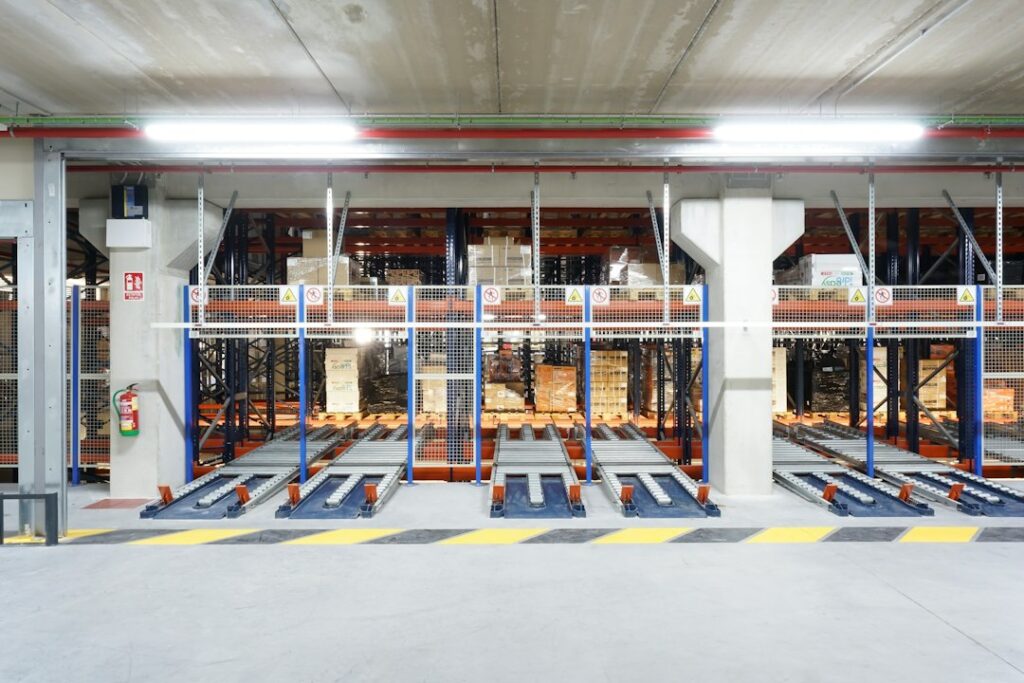
Best Lift Tables for Manufacturing and Assembly: Enhancing Productivity and Ergonomics with Fredon Handling
In the dynamic world of manufacturing and assembly, efficiency, safety, and ergonomics are paramount. The ability to move, position, and present materials at optimal working heights directly impacts production speed, worker well-being, and the bottom line. This is where advanced hydraulic lifts and material positioning equipment, particularly lift tables for manufacturing and assembly, become indispensable tools. Fredon Handling, a leading supplier of industrial material handling solutions, offers a comprehensive range of hydraulic lift tables and related equipment designed to streamline operations, reduce physical strain, and boost overall productivity.
Whether you’re dealing with heavy components, delicate assemblies, or simply need to bring workpieces to an ergonomic level, the right lift table can transform your workspace. This article delves into the world of best lift tables for manufacturing and assembly, exploring their various types, applications, benefits, and the crucial factors to consider when selecting the perfect solution for your unique operational needs. We’ll guide warehouse managers, manufacturers, and facility operators through the process, highlighting how Fredon Handling’s expertise and product portfolio can elevate your material handling capabilities.
If you’re looking to enhance your manufacturing and assembly processes, you might find our article on the Best Lift Tables for Manufacturing and Assembly particularly useful. It provides insights into the top lift tables available in the market, focusing on their features, benefits, and how they can improve efficiency in your operations. For more detailed information, check out this related article: Best Lift Tables for Manufacturing and Assembly.
Understanding the Core Benefits of Hydraulic Lift Tables
Hydraulic lift tables are more than just lifting devices; they are sophisticated pieces of equipment designed to optimize workflows and improve working conditions. Their fundamental purpose is to raise and lower loads, but the advantages extend far beyond simple vertical movement.
Enhancing Ergonomics and Worker Safety
One of the most significant benefits of using hydraulic lifts and material positioning equipment in manufacturing and assembly is the dramatic improvement in ergonomics. Traditional methods often involve manual lifting, bending, and reaching, leading to repetitive strain injuries (RSIs), back problems, and other musculoskeletal disorders.
- Reduced Physical Strain: Lift tables bring workpieces to an ideal height for operators, eliminating the need to stoop, reach overhead, or twist their bodies. This significantly reduces the physical demands placed on employees.
- Prevention of Injuries: By minimizing awkward postures and heavy lifting, lift tables directly contribute to a safer working environment and a reduction in workplace accidents and injuries.
- Improved Worker Morale and Retention: A commitment to employee well-being through ergonomic solutions can lead to higher job satisfaction, reduced absenteeism, and better employee retention.
Boosting Productivity and Throughput
The efficiency gains offered by lift tables for manufacturing and assembly are substantial, directly translating into increased productivity and throughput.
- Faster Material Handling: With precise and effortless lifting and lowering, materials can be moved and positioned much quicker than with manual methods.
- Reduced Bottlenecks: Properly positioned workpieces and components can prevent delays in assembly lines, ensuring a smoother and more continuous production flow.
- Improved Accuracy and Quality: When components are presented at an optimal height and angle, operators can work with greater precision, potentially leading to fewer errors and improved product quality.
- Integration with Automation: Many lift tables can be integrated with conveyor systems, robotic cells, or other automated processes, further enhancing efficiency.
Versatility and Adaptability
The inherent flexibility of hydraulic lift tables makes them suitable for a vast array of manufacturing and assembly applications.
- Adaptable to Various Loads: From small, delicate components to heavy machinery parts, lift tables can be specified to handle a wide range of weight capacities.
- Customizable Features: Many models can be customized with additional features such as rotating platforms, tilting capabilities, or specialized guarding to meet specific operational requirements.
- Space Optimization: When not in use, many lift tables can be lowered to floor level, occupying minimal space.
Exploring the Diverse Range of Hydraulic Lifts and Material Positioning Equipment
Fredon Handling offers a comprehensive suite of hydraulic lifts and material positioning equipment, each designed to address specific material handling challenges in manufacturing and assembly environments.
Hydraulic Lift Tables: The Foundation of Ergonomic Workflows
Hydraulic lift tables are the cornerstone of many ergonomic workstations. They utilize hydraulic power to smoothly and reliably raise and lower loads.
Standard Scissor Lift Tables
These are the most common type, featuring a scissor-like mechanism that provides vertical lift. They are ideal for general-purpose lifting and positioning of pallets, containers, and individual components.
- Applications: Loading and unloading trucks, feeding assembly lines, general material transfer, providing workbench height adjustments.
- Benefits: Cost-effective, reliable, simple operation, wide range of capacities and lift heights.
Low Profile Lift Tables
Designed to minimize or eliminate the need for pit installation, low-profile lift tables can be driven over when in the lowered position, simplifying forklift access.
- Applications: Ideal for facilities where pit installation is not feasible or desired, especially for loading/unloading from ground level.
- Benefits: Easy integration, reduced installation costs, convenient for frequent loading/unloading.
Compact Lift Tables
Smaller footprint lift tables are perfect for tight spaces or for handling smaller loads at individual workstations.
- Applications: Kitting operations, small parts assembly, providing ergonomic access to bins and containers.
- Benefits: Space-saving, ideal for localized ergonomic improvements.
Heavy Duty Lift Tables
Engineered for demanding applications, these tables can handle significantly higher weight capacities and offer robust construction for continuous operation.
- Applications: Lifting heavy machinery, large automotive components, industrial equipment.
- Benefits: High durability, exceptional lifting power for the most challenging loads.
Stainless Steel Lift Tables
For environments requiring stringent hygiene standards or where corrosive materials are handled, stainless steel lift tables are the optimal choice.
- Applications: Food and beverage processing, pharmaceutical manufacturing, chemical handling.
- Benefits: Corrosion resistance, easy to clean and sterilize, hygienic design.
Specialized Material Positioning Equipment
Beyond standard lift tables, Fredon Handling provides specialized equipment that adds further functionality for intricate assembly and positioning tasks.
Pallet Positioners
These devices are specifically designed to bring palletized loads to an optimal working height, reducing bending and twisting during pallet loading and unloading or when accessing items within the pallet.
- Applications: Warehousing, order fulfillment, manufacturing where pallets are a primary unit of storage and movement.
- Benefits: Significantly reduces strain associated with pallet handling, improves efficiency in picking and packing.
- See Fredon Handling’s Pallet Positioners: [Link to Fredon Handling’s Pallet Positioner product page]
Tilt Tables
Tilt tables allow for the tilting of loads, providing easier access to the contents of containers or facilitating the loading/unloading of angled surfaces.
- Applications: Dumping materials from bins, presenting parts at an angle for assembly, loading angled conveyor systems.
- Benefits: Improves access to materials, reduces manual effort in emptying containers, aids in specific assembly processes.
Turntables
Turntables provide 360-degree rotation of loads, enabling operators to easily access all sides of a workpiece without having to move the entire assembly or manually reposition it.
- Applications: Assembly lines where access to all sides is required, inspection stations, final assembly processes.
- Benefits: Streamlines assembly and inspection, enhances maneuverability of large or awkward items.
Ergonomic Workstations
These are often integrated solutions that combine lift tables with other components like work surfaces, tool holders, and lighting to create a complete, highly ergonomic workspace.
- Applications: Assembly lines, inspection stations, quality control points, specialized workstations requiring precise component presentation.
- Benefits: Creates a fully optimized and customized work environment, maximizing both productivity and operator comfort.
- Explore Integrated Solutions: [Link to Fredon Handling’s Solutions page for custom workstations]
Selecting the Right Lift Table for Your Manufacturing and Assembly Needs
Choosing the best lift tables for manufacturing and assembly requires a thorough evaluation of your specific operational requirements. Fredon Handling emphasizes a consultative approach to ensure you select the most effective and cost-efficient solution.
Key Selection Criteria
- Load Capacity: This is the most critical factor. Determine the maximum weight of the items you will be lifting, including any containers or jigs. It’s always advisable to select a lift table with a capacity that exceeds your expected maximum load by a comfortable margin to ensure longevity and safety.
- Consider using our Material Handling Calculator: [Link to Fredon Handling’s Calculator page, if available]
- Lift Height: What is the required range of vertical movement? Consider the lowest position needed (e.g., ground level, pit depth) and the highest position required for optimal operator access or integration with other equipment.
- Platform Size and Configuration: The dimensions of the lift table platform should be sufficient to accommodate the items you are handling. Consider whether a standard platform is adequate or if a custom size, shape, or specialized surface (e.g., non-slip, with retaining edges) is necessary.
- Application and Environment: The intended use and the working environment play a significant role. Are you dealing with delicate materials, heavy industrial components, or items that require specific handling angles? Is the environment prone to dust, moisture, or corrosive substances?
- Power Source: Most lift tables are hydraulically powered, utilizing standard electrical outlets. However, consider the availability of power and any specific voltage requirements.
- Frequency of Use: For high-volume, continuous operations, a more robust and heavy-duty lift table will be necessary to ensure durability and minimize downtime.
- Ancillary Features: Do you require features like turntables, tilters, safety skirts, or specialized controls? These can significantly enhance the functionality of the lift table for specific tasks.
- Integration Requirements: Will the lift table need to integrate with existing conveyor systems, robotic cells, or other automated equipment?
Comparison of Common Lift Table Types in Manufacturing
| Feature/Type | Standard Scissor Lift Table | Low Profile Lift Table | Pallet Positioner | Tilt Table |
| :– | :- | : | : | :– |
| Primary Function | General vertical lifting and positioning | Lifting from near-ground level, minimizing pit needs | Ergonomic lifting of palletized loads | Tilting loads for access or unloading |
| Typical Capacity | Wide range, from light to heavy duty | Moderate to heavy duty | Moderate to heavy duty | Moderate capacity |
| Installation | Floor-mounted, often requires pit for flush integration | Can be driven over when lowered, minimal installation | Floor-mounted, easy integration with pallet handling | Floor-mounted, stable base required |
| Best For | Versatile use, assembly lines, loading/unloading | Facilities with limited pit options, easy forklift access | Repetitive pallet handling, order fulfillment | Emptying bins, angled assembly, specialized loading |
| Ergonomic Benefit | High | High | Very High (specifically for pallet loads) | High (improves access and reduces bending) |
| Fredon Handling Example | [Link to Fredon Handling Standard Lift Tables] | [Link to Fredon Handling Low Profile Lift Tables] | [Link to Fredon Handling Pallet Positioners] | [Link to Fredon Handling Tilt Tables] |
When considering the best lift tables for manufacturing and assembly, it’s essential to understand the broader context of material handling in industrial settings. A related article that provides valuable insights into this topic can be found at What is Material Handling, which explores various aspects of efficient material movement and storage solutions. This information can help you make informed decisions about the right equipment for your specific needs, ensuring optimal productivity and safety in your operations.
Ensuring Safety and Maintenance for Your Hydraulic Lifts
The safe operation and regular maintenance of hydraulic lifts and material positioning equipment are crucial for preventing accidents, ensuring longevity, and maximizing performance. Fredon Handling prioritizes safety in the design and supply of all its products.
Safety Considerations
- Guardrails and Safety Skirts: Many lift tables come equipped with safety skirts around the base to prevent entrapment. Extendable guardrails can also be fitted to the platform to prevent loads from falling off.
- Emergency Stop Buttons: Clearly visible and easily accessible emergency stop buttons are essential for immediate shutdown in case of any issue.
- Load Limits: Always adhere to the specified load capacity of the lift table. Overloading can lead to equipment failure and dangerous situations.
- Proper Training: Ensure all operators are thoroughly trained on the safe operation of the specific lift table they are using, including understanding its controls and emergency procedures.
- Clearance Zones: Maintain adequate clearance around the lift table to prevent accidental contact with moving parts or pinch points.
- Stable Grounding: Ensure the lift table is placed on a firm, level surface to prevent tipping.
- Regular Inspections: Conduct visual inspections before each use to check for any obvious damage or obstructions.
Maintenance Best Practices
Regular maintenance is key to the reliable and long-term performance of your hydraulic lift tables.
- Hydraulic Fluid Levels: Check hydraulic fluid levels regularly and top up as needed. Use only the recommended type of hydraulic fluid.
- Hose and Cylinder Inspection: Periodically inspect hydraulic hoses for leaks, cracks, or wear. Check cylinders for any signs of leakage or damage.
- Lubrication: Lubricate all moving parts, such as pivot points and scissor mechanisms, according to the manufacturer’s recommendations.
- Electrical Connections: Ensure all electrical connections are secure and free from corrosion.
- Wear Parts: Keep an eye on wear parts like bushings and rollers, and replace them proactively to prevent more significant damage.
- Scheduled Servicing: Adhere to the manufacturer’s recommended servicing schedule. Fredon Handling can often provide recommended maintenance plans or services.
- Cleanliness: Keep the lift table clean and free from debris, which can interfere with moving parts or pose a slip hazard.
By implementing these safety and maintenance practices, you can significantly reduce the risk of accidents and ensure your lift tables for manufacturing and assembly operate efficiently for years to come.
When considering the best lift tables for manufacturing and assembly, it’s essential to also explore other critical equipment that enhances efficiency in production environments. A related article discusses essential material handling equipment that can significantly improve manufacturing processes. You can read more about it here. This resource provides insights into various tools that work in tandem with lift tables to streamline operations and boost productivity.
Maximizing Productivity with Advanced Material Positioning
The strategic implementation of hydraulic lifts and material positioning equipment is a powerful lever for boosting productivity in manufacturing and assembly. By focusing on the efficient and ergonomic presentation of materials, businesses can unlock new levels of operational performance.
Transforming Assembly Lines
In assembly line environments, the ability to bring components to the operator at the correct height and orientation is critical.
- Reduced Reaches and Bends: Operators no longer need to overextend or stoop to reach parts, allowing them to focus on the assembly task itself.
- Faster Component Access: Lift tables can present kits of parts or individual components precisely where they are needed, minimizing search and retrieval time.
- Improved Quality Control: When components are presented clearly and at an ergonomic angle, operators can perform inspections more effectively, leading to better quality control.
- Flexibility: Adjustable height lift tables can accommodate different operators or tasks, offering a flexible solution for dynamic assembly environments.
Optimizing Warehouse Operations
While often associated with manufacturing, lift tables for manufacturing and assembly also play a vital role in warehouse operations, particularly in areas like receiving, put-away, and order picking.
- Efficient Receiving: Lift tables can bring incoming goods to a comfortable height for inspection and sorting, reducing the physical strain on warehouse staff.
- Ergonomic Order Picking: For less-than-truckload (LTL) shipments or when picking individual items from bins, pallet positioners and lift tables can bring the product to the picker.
- Loading and Unloading: Streamlining the loading and unloading of trucks is a core application, reducing the time and effort required for these often labor-intensive tasks.
Innovative Solutions for Specialized Tasks
Fredon Handling goes beyond standard lift tables to offer specialized solutions that address complex material positioning needs:
- Turntables for Complex Assemblies: For products requiring access from all sides, such as large machinery or intricate electronic devices, turntables integrated with lift tables allow for easy rotation, eliminating the need to manually move the entire item.
- Tilt Tables for Material Flow: In processes where materials need to be emptied from bins or containers, tilt tables provide a controlled and ergonomic method, minimizing spills and operator strain.
- Custom-Engineered Solutions: For unique challenges, Fredon Handling can engineer bespoke hydraulic lifts and material positioning equipment to meet very specific requirements, ensuring a perfect fit for your operation.
By investing in the right hydraulic lifts and material positioning equipment from Fredon Handling, businesses can create a more efficient, safer, and more productive working environment. These solutions are not just equipment; they are strategic investments in operational excellence and employee well-being.
Frequently Asked Questions About Lift Tables for Manufacturing and Assembly
Here are some common questions our customers ask about best lift tables for manufacturing and assembly:
What is the typical lifespan of a hydraulic lift table?
The lifespan of a hydraulic lift table can vary significantly based on its quality, the frequency of use, the weight it typically handles, and the rigor of its maintenance schedule. However, a well-maintained, good-quality lift table from a reputable supplier like Fredon Handling can last anywhere from 10 to 20 years or even longer in less demanding applications. Heavy-duty models used in continuous operations will naturally have a different expected lifespan compared to lighter-duty models used intermittently.
Can hydraulic lift tables be used outdoors?
While many hydraulic lift tables are designed for indoor use, some models can be adapted for outdoor applications. This often requires specific material treatments (e.g., special coatings for corrosion resistance), weather-sealed components, and consideration for environmental factors like rain, dust, and temperature extremes. Fredon Handling can advise on suitable models for outdoor environments.
How do I determine the correct lift height for my application?
To determine the correct lift height, consider the lowest point you need to access (e.g., floor level, receiving height) and the highest point an operator needs to comfortably reach for their specific task. Measure from the floor to the optimal working height for your operators during different stages of your process. It’s often beneficial to have a range of lift heights to accommodate different tasks and user preferences.
What are the safety features to look for in a lift table?
Key safety features include emergency stop buttons, safety skirts to prevent entrapment under the platform, overload protection, and stable base designs. Many models also offer optional features like safety chains, interlocks, and photoelectric sensors for added protection. Always ensure the lift table meets relevant safety standards and regulations for your industry and region.
How can I integrate a lift table into my existing production line?
Integration can be achieved in several ways. Standard lift tables can be placed strategically to feed components or move finished goods. Some models can be designed with specific platform sizes or shapes to align with conveyor belts or other machinery. For more complex integrations, Fredon Handling offers custom engineering services to ensure seamless incorporation into your existing infrastructure.
What is the difference between a scissor lift table and a pantograph lift?
While the terms are often used interchangeably, a “scissor lift” typically refers to the mechanism that uses intersecting, hinged bars (like scissors) to provide vertical lift. A “pantograph” is a type of linkage mechanism that can achieve similar vertical movement. In the context of material handling equipment, the fundamental function and many applications are the same. Fredon Handling supplies both types where their specific designs offer advantages.
About Fredon Handling
At Fredon Handling, we are dedicated to providing innovative and reliable industrial material handling equipment. Our expertise spans a wide range of solutions, including advanced hydraulic lifts and material positioning equipment, designed to enhance productivity, improve safety, and optimize ergonomics in manufacturing, assembly, and warehousing operations. We understand the unique challenges faced by facility managers and operators, and we are committed to offering tailored solutions that meet your specific needs.
Ready to elevate your material handling operations? Contact Fredon Handling today for a consultation and discover how our lift tables for manufacturing and assembly, along with our comprehensive range of hydraulic lifts and material positioning equipment, can transform your workplace and drive efficiency.
Call us at [Your Phone Number] or visit fredonhandling.com to explore our product catalog and request a quote.