
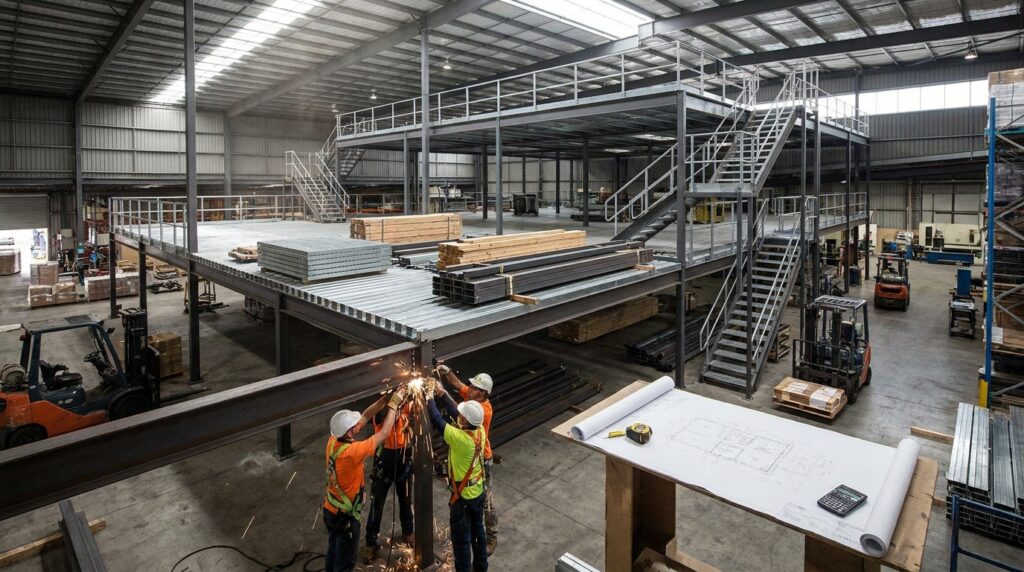
Understanding Industrial Mezzanine Costs: A Comprehensive Guide for Facility Managers and Engineers
Investing in an industrial mezzanine can be a transformative decision for businesses looking to maximize their existing warehouse or facility footprint. The perceived cost, however, can be a significant hurdle for purchasing professionals, engineers, and facility managers alike. While a precise dollar figure is impossible to provide without a detailed site assessment and specific design requirements, understanding the key factors that influence industrial mezzanine pricing is crucial for accurate budgeting and informed decision-making. This guide delves into the primary drivers of mezzanine cost, offering insights to help you navigate the quoting process and secure the most effective solution for your material handling needs.
When considering the various factors that influence the pricing of industrial mezzanines, it’s essential to explore expert insights and guidance. A related article that delves deeper into this topic is available at Fredon Handling, where you can find valuable information and advice tailored to your specific needs. For more details, check out their article here: Talk to an Expert.
## Key Components Influencing Mezzanine Pricing
The cost of an industrial mezzanine is not a single, static number. Instead, it’s a complex sum derived from a variety of interconnected elements, each contributing to the overall investment. Understanding these components allows for a more nuanced discussion with providers like Fredon Handling and helps in prioritizing features that offer the best return on investment.
### Structural Steel Platform Design Complexity
The fundamental structure of a mezzanine – its size, shape, and configuration – directly impacts material usage and fabrication complexity, both significant cost drivers. A simple, rectangular platform will inherently be less expensive than a multi-level system with custom cutouts for existing machinery or an L-shaped configuration to navigate around structural columns.
#### Size and Span Requirements
The overall square footage of the mezzanine is an obvious factor. However, equally important are the required clear spans between support columns. Longer spans necessitate heavier-duty beams and columns to support the anticipated loads, increasing material costs and requiring more specialized engineering. This is particularly relevant for large open areas where minimal obstruction is desired for workflow.
#### Load Capacity and Duty Classification
The intended use of the mezzanine dictates the load capacity required. A storage mezzanine for light goods will have different structural requirements than an equipment platform designed to support heavy machinery or a manufacturing operations area. Higher load capacities translate to stronger, more substantial steel components, leading to increased material and fabrication costs. Fredon Handling can help assess your specific load requirements, whether for pallet racking, shelving, or specialized equipment.
#### Multi-Level Structures and Access
Designing for multiple levels adds layers of complexity and cost. This includes the structural support for each subsequent level, as well as the necessary access points. Stairways, industrial ladders, and even lifts all represent additional components, fabrication, and installation considerations that contribute to the overall price.
### Material Selection and Fabrication Techniques
The type of steel used and the methods employed in its fabrication play a substantial role in the final cost. While structural steel is the standard, the grade of steel and the precision of fabrication can vary.
#### Steel Grade and Gauge
Higher-strength steel grades can sometimes allow for lighter-gauge materials, potentially offsetting some cost. However, specific structural requirements and local building codes will dictate the acceptable grades and gauges. The quality of the steel and its adherence to industry standards are paramount for safety and longevity.
#### Welding and Connection Methods
The methods used to join steel components – primarily welding or bolting – influence both fabrication time and the quality of the structural integrity. High-quality welding requires skilled labor and specialized equipment, which can increase fabrication costs. Bolted connections might be more straightforward in some cases but require careful engineering for load transfer.
#### Surface Treatments and Finishes
While often overlooked in initial cost assessments, surface treatments and finishes are important for durability and appearance. This can include:
- Primer and Paint: For corrosion resistance and aesthetic appeal.
- Galvanization: For environments with high humidity or exposure to corrosive elements.
- Specialty Coatings: For specific industrial applications or fire resistance.
Each of these treatments adds a layer of cost to the material and application process.
### Flooring and Decking Materials
The surface you walk and work on atop the mezzanine is a critical component with a wide range of material options, each with its own cost implications.
#### Standard Options: Plywood, Bar Grating, and Diamond Plate
- Plywood: A common and generally cost-effective option, especially for lighter-duty storage applications. The thickness and grade of plywood will affect its price.
- Bar Grating: A popular choice for its strength, durability, and excellent airflow, which is beneficial for ventilation and sprinkler systems. Different bar sizes, spacing, and materials (e.g., galvanized steel, stainless steel) impact cost.
- Diamond Plate (Tread Plate): Offers superior slip resistance and is often used in areas with higher foot traffic or potential for spills. Its thickness and material composition will determine its price.
#### Specialized Decking Materials
For specific applications, specialized decking might be required, such as:
- Resilient Flooring: For cleanroom environments or areas requiring vibration dampening.
- Anti-static Flooring: Essential for electronics manufacturing or storage of sensitive components.
- Epoxy Coatings: For enhanced chemical resistance and ease of cleaning.
These specialized options will generally carry a higher price tag than standard materials.
### Installation and Site Considerations
The actual installation process is a significant cost factor, heavily influenced by site conditions, accessibility, and labor requirements.
#### Site Preparation and Foundation
Before any steel can be erected, the existing facility floor may require preparation. This could include:
- Leveling and Repair: Ensuring a stable and even base for the mezzanine columns.
- Concrete Reinforcement: In some cases, existing concrete slabs may need reinforcement to adequately support the mezzanine’s load.
The complexity of site preparation directly impacts labor hours and material costs.
#### Accessibility and Logistics
The ease with which materials can be delivered and erected on-site is a major consideration.
- Tight Spaces: Facilities with limited access points, narrow aisles, or overhead obstructions can significantly increase installation time and complexity, requiring more specialized lifting equipment and careful maneuvering.
- Working at Height: The inherent risks and safety requirements associated with working at height necessitate skilled labor and specialized safety equipment, contributing to installation costs.
#### Existing Facility Integration
Integrating a new mezzanine into an existing structure can present unique challenges.
- Column Placement and Avoidance: The need to work around existing columns, machinery, or conveyor systems requires careful planning and potentially custom fabrication, adding to costs.
- Building Code Compliance: Ensuring the new structure meets all local building codes, fire regulations, and seismic requirements is paramount. This often involves obtaining permits and undergoing inspections, which can add to the overall project timeline and expense. Fredon Handling strongly advises consultation with local engineering professionals and building code officials.
## Factors Beyond the Steel: Ancillary Components and Services
While the structural steel and decking form the core of a mezzanine’s cost, a variety of other elements and services contribute to the final investment.
### Safety Features and Accessories
Safety is paramount in any industrial environment, and mezzanines are no exception. The inclusion of various safety features can add to the overall cost but are essential for operational integrity and compliance.
#### Railings and Handrails
Guardrails are a non-negotiable safety requirement for elevated platforms. The material, height, spacing of balusters, and overall length of the railings will influence their cost. Different styles, such as tubular or industrial mesh, are available.
#### Stairways and Ladders
As mentioned previously, the type and design of access equipment are significant cost drivers.
- Stairways: More elaborate and ergonomic, stairways with landings and proper tread widths are generally more expensive than simple ladders. The number of steps, material, and presence of handrails all factor into the cost.
- Industrial Ladders: Straight ladders or ship’s ladders offer a more space-saving and cost-effective access solution, but their safety and usability depend on the frequency of use and the nature of the goods being transported.
#### Gates and Safety Devices
Depending on the mezzanine’s application, specialized safety gates or access control devices might be necessary. This could include self-closing gates to prevent accidental falls or interlocked systems for controlled access to specific areas.
### Specialized Equipment Integration
If the mezzanine is intended to support or integrate with specific material handling equipment, the cost will reflect these additional considerations.
#### Equipment Platforms and Vibration Dampening
Designing an equipment platform to support heavy machinery, such as presses, CNC machines, or packaging equipment, requires robust structural engineering to handle dynamic loads and potential vibrations. This may necessitate specialized steel configurations and vibration-dampening measures, increasing the cost.
#### Conveyor Integration and Pass-Throughs
If conveyors are to be routed through or over the mezzanine, this requires careful design to ensure proper clearances, load distribution, and structural support for the conveyor system itself. Cutouts for conveyor pass-throughs add complexity to the fabrication and installation.
#### Forklift and Pallet Jack Accessibility
While often a primary benefit of mezzanines, designing for efficient forklift or pallet jack operation on the platform requires specific considerations, such as ramp design, load-bearing capacity, and adequate maneuvering space. This might necessitate heavier-duty flooring and structural supports.
### Design, Engineering, and Permitting Services
Professional services are integral to ensuring a safe, compliant, and functional mezzanine.
#### Preliminary Design and Consultation
Initial consultations and preliminary design work with experienced providers like Fredon Handling are crucial for understanding your needs and developing a conceptual layout. These services are often part of the overall project cost but represent a valuable upfront investment in clarity.
#### Structural Engineering and Stamping
A qualified structural engineer will design the mezzanine to meet all relevant building codes and load requirements. Their services include producing detailed drawings, calculations, and often a stamped set of plans required for permit applications. This is a critical expense that ensures the safety and legality of the structure.
#### Permitting and Inspection Fees
Local municipalities charge fees for building permits, which are required for most structural modifications. The cost of these permits varies by jurisdiction. Additionally, there will be fees associated with inspections at various stages of construction and upon completion.
### Freight and Logistics
The cost of transporting the fabricated mezzanine components from the manufacturer to your facility is a direct expense.
#### Shipping Distance and Volume
The geographical distance between the fabrication facility and your site, as well as the sheer volume and weight of the steel components, will determine freight charges. Oversized or heavy shipments may require specialized transportation and incur higher costs.
#### Unloading and On-Site Logistics
Once the materials arrive, the ability to efficiently unload and move them within your facility is important. If your site has limited unloading capabilities, you may incur additional costs for crane rental or specialized labor.
## Cost vs. Value: Making the Right Investment
While understanding the individual cost drivers is essential, it’s equally important to consider the long-term value and return on investment that an industrial mezzanine can provide.
### Quantifying the Benefits of Space Optimization
The primary driver for investing in a mezzanine is often the ability to unlock underutilized vertical space. This directly translates into increased operational efficiency and potential cost savings.
#### Reduced Need for Off-Site Storage
By creating usable space within your existing facility, you can often eliminate or significantly reduce the need for expensive off-site storage units. This not only saves on rental fees but also improves inventory management by keeping goods closer to production or shipping areas.
#### Increased Storage Capacity and Throughput
A mezzanine can dramatically increase your storage capacity without requiring a larger building footprint. This allows for greater inventory levels or a more organized and efficient flow of goods, leading to improved throughput and faster order fulfillment.
#### Enhanced Operational Layout and Workflow
The strategic placement of a mezzanine can revolutionize your facility’s layout. It can create dedicated areas for manufacturing, assembly, quality control, or administrative functions, separating these operations from primary material handling areas and improving overall workflow efficiency.
### Comparing Mezzanine Costs to Alternatives
When considering the cost of a mezzanine, it’s crucial to compare it to other options for expanding capacity.
#### Facility Expansion vs. Mezzanine Investment
Building an entirely new facility or expanding an existing one is a significant capital expenditure with long lead times, extensive permitting processes, and often requires relocation. A mezzanine typically offers a much faster and more cost-effective solution for immediate space needs.
#### High-Density Storage Systems
While high-density storage systems like vertical lift modules (VLMs) or automated storage and retrieval systems (AS/RS) offer significant space savings, their initial investment cost can be substantially higher than a traditional mezzanine, particularly for smaller to medium-sized operations. Mezzanines offer a more flexible and scalable solution for many businesses.
### Total Cost of Ownership Considerations
Beyond the initial purchase and installation, consider the ongoing costs associated with a mezzanine.
#### Maintenance and Durability
Well-designed and properly installed mezzanines from reputable providers like Fredon Handling are built for longevity. Routine inspections and minimal maintenance, such as checking connections and repainting if necessary, will ensure a long service life. The quality of materials and fabrication directly impacts long-term maintenance needs.
#### Adaptability and Future Needs
A well-designed mezzanine can often be reconfigured or expanded to meet future needs, offering a degree of flexibility that other structural solutions may lack. This adaptability contributes to its long-term value.
When considering the factors that influence industrial mezzanine costs, it’s essential to explore various aspects of material handling that can impact pricing. For a deeper understanding of how efficient material handling systems can affect overall operational expenses, you can refer to a related article that discusses these concepts in detail. This resource highlights the importance of optimizing your workspace and improving productivity, which can ultimately lead to better cost management. To learn more about this topic, visit this article.
## Selecting the Right Mezzanine Solution
Choosing the appropriate industrial mezzanine involves a thorough assessment of your specific operational requirements and budgetary constraints.
### Defining Your Needs: A Checklist for Facility Managers
Before engaging with providers, create a clear list of your requirements:
- Purpose: What will the mezzanine be used for (storage, manufacturing, office space, equipment platform)?
- Load Capacity: What are the maximum loads it needs to support (uniform or point loads)?
- Size and Shape: What are the dimensions of the required space, and are there any obstructions?
- Access Requirements: How will people and materials access the mezzanine (stairs, ladders, lifts)?
- Flooring Preferences: What type of flooring is needed based on traffic and potential spills?
- Safety Features: What safety railings, gates, or other devices are necessary?
- Integration with Existing Systems: Will it need to accommodate conveyors, machinery, or other equipment?
- Budgetary Constraints: What is your realistic budget for the project?
### Working with Experienced Providers like Fredon Handling
Engaging with experienced material handling solution providers is crucial. Fredon Handling specializes in understanding these complex needs and translating them into practical, cost-effective mezzanine solutions.
#### Site Assessment and Needs Analysis
Reputable providers will conduct a thorough site assessment to understand your existing facility, operational workflow, and specific space optimization goals. This allows them to offer tailored recommendations.
#### Custom Design and Engineering
A good provider will offer custom design services, ensuring the mezzanine precisely meets your load, space, and functional requirements while adhering to all safety and building codes. This often involves close collaboration with your engineering team.
#### Full-Service Installation and Support
Many providers, including Fredon Handling, offer comprehensive installation services, ensuring the mezzanine is erected safely and efficiently. Ongoing support and warranty information are also important considerations.
### Understanding the Quotation Process
When you receive a quote for an industrial mezzanine, ensure it clearly outlines all the components and services included.
#### Detailed Component Breakdown
A comprehensive quote should itemize the structural steel, decking materials, safety features, access equipment, and any custom fabrication required.
#### Installation and Site Preparation Costs
The quote should clearly delineate installation labor, equipment rental, and any necessary site preparation expenses.
#### Engineering, Permitting, and Freight Charges
These often separate line items should be clearly identified to avoid surprises.
When considering the factors that influence industrial mezzanine costs, it’s essential to also understand the broader context of material handling solutions. A related article that provides valuable insights is available at how to choose the right material handling equipment for your business. This resource can help you identify the equipment that best complements your mezzanine structure, ultimately impacting overall efficiency and cost-effectiveness.
## Frequently Asked Questions About Industrial Mezzanine Costs
This section addresses common queries regarding the pricing of industrial mezzanines.
### How can I get an accurate quote for a mezzanine?
The most accurate quotes come from providers who conduct a site assessment. This allows them to understand your specific facility conditions, load requirements, and desired functionality. A detailed needs analysis, as outlined above, is the first step to providing a comprehensive quote.
### Are there hidden costs associated with mezzanines?
While reputable providers strive for transparency, potential “hidden” costs can arise from unforeseen site conditions, changes in scope during design or installation, or local building code interpretations. Thorough planning, clear communication, and working with experienced professionals like Fredon Handling can significantly mitigate these risks. Always ask for a detailed breakdown of what is included and what might be considered an additional cost.
### How does the location of my facility affect the cost?
The location impacts costs primarily through freight and logistics for materials and potentially labor rates. Shipping steel across longer distances or to remote areas will increase transportation expenses. Labor costs can also vary significantly by region.
### Can I save money by using a simpler mezzanine design?
Yes, simpler designs generally reduce material usage and fabrication complexity, leading to lower costs. However, it’s crucial that the simpler design still meets all your functional and safety requirements. Fredon Handling can help you find the optimal balance between cost-effectiveness and operational needs.
### What is the typical lifespan of an industrial mezzanine?
A well-designed and maintained industrial mezzanine can last for many decades, often 25 years or more. The lifespan is heavily influenced by the quality of materials, the structural integrity of the design, and regular maintenance.
### How does the load capacity impact the price?
Higher load capacities require stronger, more substantial steel components (beams, columns, decking), which increases material costs and can necessitate more complex structural engineering. This is a direct correlation: increased load equals increased cost.
## Conclusion: Investing in Strategic Space Solutions
The cost of an industrial mezzanine is a multifaceted consideration, influenced by structural design, material choices, installation complexity, and ancillary services. By understanding these factors, facility managers, engineers, warehouse operators, and purchasing professionals can approach the quoting process with greater clarity and confidence. While the initial investment is significant, the long-term benefits of increased storage capacity, improved operational efficiency, and enhanced workspace utilization often far outweigh the upfront cost.
Fredon Handling is dedicated to providing tailored industrial material handling solutions that optimize your facility’s potential. We encourage you to reach out for a consultation to discuss your specific needs, whether you’re looking to implement a new industrial mezzanine, expand your existing warehouse space, or explore other equipment platform and catwalk solutions. Let us help you transform your underutilized space into a valuable asset.