
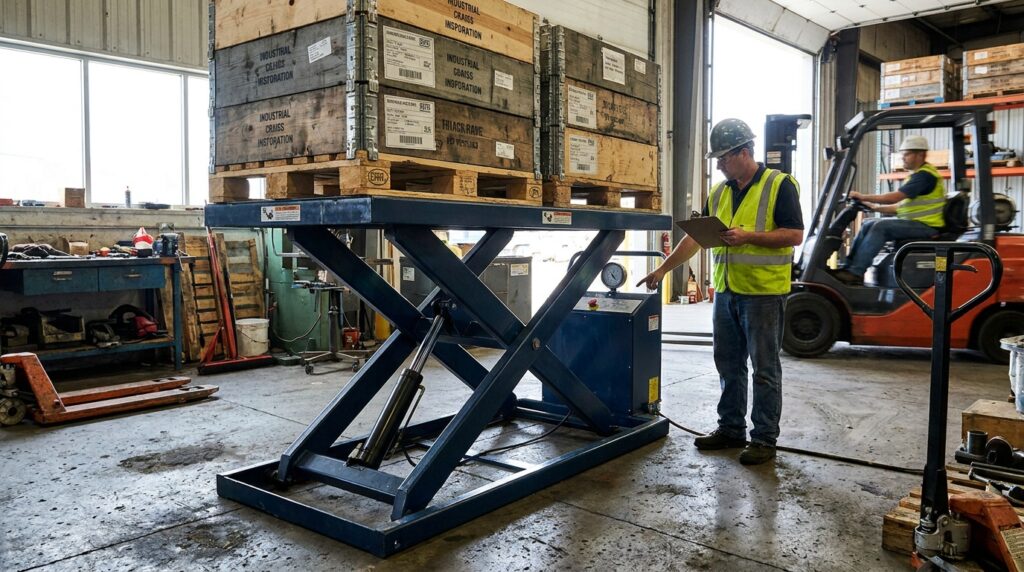
Understanding Hydraulic Lift Table Capacity: A Comprehensive Guide for Industrial Buyers
In the dynamic landscape of industrial operations, efficiency, safety, and material flow are paramount. Hydraulic lift tables, often the unsung heroes of production lines, warehouses, and assembly areas, play a critical role in optimizing these very aspects. From streamlining the movement of heavy components to providing ergonomic workstations, these versatile machines are indispensable. However, the cornerstone of selecting the right hydraulic lift table—and indeed, ensuring its safe and effective operation—lies in a thorough understanding of its hydraulic lift table capacity. This article delves deep into the intricacies of lift table capacity, empowering industrial equipment buyers, engineers, and facility managers with the knowledge to make informed decisions and maximize the value of their investment.
At Fredon Handling, we recognize the significant impact that correctly specified equipment has on your bottom line and operational integrity. Understanding lift table capacity is not merely a technical detail; it’s a critical safety feature, an efficiency driver, and a key determinant of the longevity and reliability of your material handling solutions. This guide will equip you with the knowledge to navigate the specifications, select the appropriate model for your unique needs, and ensure its optimal performance for years to come.
For those interested in understanding the intricacies of hydraulic lift tables, a related article that delves deeper into the topic is available at this link: Hydraulic Lift Table Capacity Explained. This resource provides valuable insights into the factors that influence lift table capacity, ensuring that users can make informed decisions when selecting the right equipment for their needs.
The Crucial Role of Lift Table Capacity in Industrial Applications
The capacity of a hydraulic lift table, often referred to as its lifting capacity or load capacity, is the maximum weight it is designed and certified to safely lift and support. This is not a figure to be estimated or guessed; it is a precisely engineered specification that dictates the structural integrity, hydraulic system design, and overall safety of the unit. Exceeding this capacity can lead to catastrophic equipment failure, severe safety hazards for personnel, and significant downtime.
Defining Hydraulic Lift Table Capacity: More Than Just a Number
It’s essential to differentiate between various aspects of “capacity” as it pertains to lift tables.
Static vs. Dynamic Capacity
- Static Capacity: This refers to the maximum weight the lift table can safely hold when it is stationary and fully lowered or at any intermediate position. It is a measure of the structural strength of the platform, scissor mechanism, and frame.
- Dynamic Capacity: This is the weight the lift table can safely lift and lower. It takes into account the forces involved during the lifting and lowering process, including the momentum of the load and the power of the hydraulic system. Typically, the dynamic capacity is equal to or slightly less than the static capacity. For most practical applications, when discussing what a lift table can handle, we are referring to its dynamic lifting capacity.
Uniformly Distributed Load (UDL)
Most lift table capacities are specified assuming the load is uniformly distributed across the entire surface of the platform. This means the weight is spread evenly, and no single point on the platform bears an excessive amount of load.
Point Loads and Off-Center Loads
The challenge arises when loads are not uniformly distributed. Point loads (heavy items concentrated on a small area) or off-center loads (loads placed closer to one edge of the platform than another) exert significantly more stress on the lift table’s structure than a UDL. In such scenarios, the effective capacity of the lift table is reduced, even if the stated UDL capacity remains the same. Consulting with Fredon Handling is crucial when dealing with significant point or off-center loads to ensure the selected table can handle the stresses safely.
Why Correct Capacity Specification is Non-Negotiable
Failing to properly understand and adhere to lift table capacity can have severe repercussions:
- Safety Hazards: Exceeding capacity can lead to sudden platform collapse, causing serious injury or even fatality to nearby personnel. It can also lead to damage to the lifted materials.
- Equipment Damage: Overloading can bend or break scissor arms, damage hydraulic cylinders, warp the platform, and compromise the entire structural integrity of the lift table. This results in costly repairs and extended downtime.
- Reduced Lifespan: Even if catastrophic failure doesn’t occur, consistently operating near or at the maximum capacity will significantly shorten the lifespan of the lift table.
- Operational Inefficiency: An overloaded lift table will operate slower, strain the hydraulic system, and may require multiple lifts to move a load that could have been handled in one go with an adequately rated table.
- Warranty Voidance: Operating a lift table beyond its specified capacity will almost certainly void any manufacturer’s warranty, leaving you responsible for all repair costs.
Factors Influencing Hydraulic Lift Table Capacity Requirements
Determining the precise capacity needed for your application involves a thorough assessment of the materials being handled and the operational environment. This requires a systematic approach, involving collaboration between procurement, engineering, and operations teams.
Assessing the Load: Weight, Size, and Distribution
The first and most critical step is to accurately determine the maximum weight of the items you intend to lift. This goes beyond a general estimate; it requires concrete data.
- Individual Item Weight: If you are lifting individual components, pallets, or containers, find their precise weight. This information is often available on product labels, shipping manifests, or can be obtained from suppliers.
- Pallet Weight: Remember to include the weight of the pallet itself when calculating the total load. Standard wooden pallets can weigh anywhere from 30 to 70 pounds or more.
- Maximum Load Configuration: Consider the heaviest possible load configuration. Are you lifting a single, extremely heavy item, or a stack of lighter items? Will multiple items be placed on the platform simultaneously?
- Load Distribution Analysis: Critically evaluate how the load will be placed on the lift table.
- Uniform Distribution: Ideal scenario, where weight is spread evenly.
- Off-Center Loading: If loads are consistently placed towards the front, back, or one side, this significantly increases stress. A larger safety margin or a table specifically designed for off-center loads may be necessary.
- Point Loads: If you are handling very heavy, compact items that concentrate their weight on a small footprint, this requires special consideration. The platform’s load-bearing capacity under point loads is generally lower than its UDL.
Operational Considerations: Frequency, Speed, and Environment
Beyond the static weight of the load, the way the lift table is used impacts the required capacity and overall suitability.
- Lifting Frequency: How often will the lift table be used? Frequent, continuous operation puts more wear and tear on the hydraulic system and structural components than intermittent use.
- Lifting Height Requirements: While not directly capacity-related, the required lifting height can influence the stability and scissor mechanism design, which indirectly affects how load is distributed. Higher lifts can introduce greater leverage forces.
- Speed of Operation: While hydraulic lift tables are generally efficient, the speed at which they lift and lower can be a factor in dynamic load calculations. Some heavy-duty tables may offer variable speed controls.
- Environmental Factors:
- Temperature Extremes: Extreme heat or cold can affect hydraulic fluid viscosity and performance, potentially impacting lifting power.
- Corrosive Environments: If the lift table will be used in areas with chemicals, salt, or high humidity, material selection for the table and protective coatings become crucial to prevent premature wear and structural compromise.
- Dust and Debris: Environments with significant dust or debris can affect the smooth operation of the scissor mechanism. Sealed components or specialized designs might be necessary.
Safety Margins and Future-Proofing
It is always prudent to incorporate a safety margin when specifying capacity.
- Recommended Safety Margin: A common recommendation is to select a lift table with a capacity at least 20-25% greater than your maximum anticipated load. This accounts for unforeseen variations in load weight, potential off-center loading, and the natural degradation of components over time.
- Future Needs: Consider potential future increases in load weights or changes in operational requirements. Investing in a slightly higher capacity unit initially can prevent the need for a premature upgrade.
Understanding Lift Table Capacity Specifications and Certifications
When reviewing lift table specifications, pay close attention to the terminology used and the certifications that may be present. This ensures you are comparing apples to apples and investing in a reliable piece of equipment.
Key Specification Metrics to Scrutinize
- Rated Capacity (lbs/kg): This is the primary figure indicating the maximum load the table can lift. Always confirm if this is a UDL or if special considerations apply for non-UDL scenarios.
- Platform Dimensions (Length x Width): The size of the platform is critical for accommodating your loads. A larger platform can often distribute weight more effectively, but it’s the combination of platform size and capacity that matters.
- Lowered Height: The minimum height the platform can achieve.
- Raised Height: The maximum height the platform can reach.
- Stroke Length: The difference between the raised and lowered heights.
- Power Unit Specifications: Horsepower of the motor, pump GPM (gallons per minute), and reservoir capacity are indicators of the hydraulic system’s capability. Higher horsepower and GPM generally translate to faster lifting speeds and the ability to handle heavier loads more efficiently.
- Scissor Arm Configuration: The number and design of the scissor arms are engineered to support the rated capacity. Heavy-duty tables often feature wider, more robust scissor arms.
- Duty Cycle: Indicates how frequently the lift table can operate within a given period. Continuous-duty tables are designed for demanding, repetitive use.
Certifications and Standards: Ensuring Quality and Safety
Reputable lift table manufacturers adhere to recognized industry standards and may offer certifications that attest to their product’s quality and safety.
- ANSI/ASME Standards: In North America, standards from organizations like the American National Standards Institute (ANSI) and the American Society of Mechanical Engineers (ASME) are crucial. Specifically, ASME B30.1 covers jacks, industrial rollers, air casters, and hydraulic Gantries. While a direct ASME standard for all lift tables might not be singular, adherence to general safety and design principles outlined by these bodies is a strong indicator of quality.
- CE Marking: For products sold in the European Economic Area, the CE mark signifies that the product meets the health, safety, and environmental protection requirements of the EU.
- UL Certification: Underwriters Laboratories (UL) certification indicates that a product has been tested and meets specific safety requirements. This is more common for electrical components but can apply to the entire assembly.
- Manufacturer’s Declaration of Conformity: Reputable manufacturers will provide documentation stating that their products comply with relevant safety directives and standards.
At Fredon Handling, we are committed to providing equipment that meets or exceeds industry safety standards. Our product descriptions detail specifications and any relevant certifications to aid your selection process.
If you’re looking to deepen your understanding of hydraulic lift tables, you might find the article on hydraulic lift table capacity particularly insightful. It provides a comprehensive overview of how to determine the appropriate capacity for your specific needs, ensuring safety and efficiency in operations. For more information, you can check out the article here. This resource can help you make informed decisions when selecting the right equipment for your business.
Equipment Applications: Where Lift Table Capacity Matters Most
The versatility of hydraulic lift tables means they find applications across a vast spectrum of industries. In each, understanding the capacity is paramount to ensuring safe and efficient operation.
Manufacturing and Assembly Lines
In manufacturing, lift tables are crucial for ergonomic workstations and material transfer.
- Ergonomic Workstations: Lifting heavy components to the optimal working height for assemblers reduces strain and risk of injury. Capacity is critical here; the table must safely support the weight of the parts being worked on, plus any tools or jigs. For instance, lifting a heavy engine block in an automotive assembly line requires a high-capacity lift table (e.g., 2,000 lbs or more).
- Parts Feeding: Lift tables can elevate bins of parts to be fed into automated machinery. The capacity must accommodate the weight of the bin and its contents. A lift table feeding large stamped metal parts might require a capacity of 1,500 lbs.
- Palletizing and Depalletizing: Moving heavy finished goods onto pallets for shipping or unloading incoming raw materials from pallets. A standard pallet of finished goods can easily weigh 1,000-3,000 lbs, necessitating robust lift tables.
Warehousing and Logistics
Efficient movement of goods is the lifeblood of warehouses, and lift tables play a vital role.
- Loading/Unloading Trucks: Dock levelers are common, but in situations where dock heights vary or specific loading points are needed, scissor lift tables are invaluable. A table rated for 4,000 lbs can easily handle palletized loads of raw materials or finished products being transferred from a truck.
- Order Picking Stations: Lift tables can bring shelves or bins to an optimal picking height for warehouse staff, reducing bending and reaching. If picking heavy items, the table must support the accumulated weight of items on the platform.
- Material Staging: Moving materials between different areas or levels within a warehouse. A higher capacity table might be needed for staging large, heavy equipment or inventory.
Automotive and Heavy Machinery Repair
The weight of automotive components and heavy machinery requires substantial lifting power.
- Engine and Transmission Lifts: Specialized lift tables are designed to safely lift and position heavy engines, transmissions, or other undercarriage components during repair. Capacities here can range from 1,000 lbs for smaller engines to over 4,000 lbs for heavy-duty truck engines.
- Chassis and Frame Work: Lifting entire vehicle frames or heavy machinery components for repair or maintenance. This often requires extremely high-capacity lift tables or specialized lifting equipment, underscoring the importance of matching capacity to the task.
Other Industrial Sectors
- Food Processing: Moving heavy ingredients, processing vats, or finished product pallets. Stainless steel construction and specific hygienic designs might be required, alongside adequate capacity for the loads.
- Pharmaceuticals: Handling heavy equipment, large batches of materials, or finished product packaging. Cleanroom-compatible and high-capacity models are available.
- Aerospace: Lifting and positioning heavy aircraft components, tooling, or maintenance equipment. This sector often demands the highest capacity and most precise lifting solutions.
Understanding the capacity of hydraulic lift tables is crucial for ensuring safety and efficiency in various industrial applications. For those looking to delve deeper into this topic, a related article that provides valuable insights is available. You can explore more about the importance of selecting the right equipment by visiting this link, which offers expert advice and guidance tailored to your needs.
Choosing the Right Hydraulic Lift Table: A Practical Selection Guide
Selecting the correct hydraulic lift table is a strategic decision that impacts your operational efficiency and safety. It requires more than just looking at the headline capacity.
Step-by-Step Selection Process
- Define Your Maximum Load: As discussed, accurately determine the heaviest item or combination of items you will lift, including any containers or pallets. Always err on the side of caution.
- Analyze Load Distribution: Is your typical load uniformly distributed, or will it be off-center or a point load? If the latter, consult with Fredon Handling.
- Determine Required Lifting Height: What is the minimum and maximum height your application requires? This will influence the stroke length needed.
- Consider Platform Size: Ensure the platform is large enough to safely and stably accommodate your typical loads.
- Evaluate Usage Frequency and Environment: Will the table be used continuously, intermittently, or in a harsh environment? This may influence the required build quality, duty cycle, and material.
- Factor in Safety Margins: Always add a safety margin (20-25% or more) to your maximum load calculation.
- Review Specifications and Certifications: Compare the specifications of potential models against your requirements. Look for relevant industry certifications.
- Consult with Experts: This is the most crucial step. Fredon Handling’s team of experts can provide invaluable guidance. We can help you interpret specifications, understand the nuances of your application, and recommend the most suitable lift table model from our extensive range. Don’t hesitate to reach out.
Comparing Lift Table Types and Features
While capacity is the focus, other features can significantly enhance usability and suitability:
- Standard vs. Heavy-Duty: Heavy-duty models feature more robust construction, larger hydraulic cylinders, and stronger scissor mechanisms to handle higher capacities and more demanding use.
- Fixed vs. Mobile: Mobile lift tables offer flexibility in placement but may have slightly lower capacity ratings due to the added weight and complexity of the mobility system.
- Tilting and Rotating Capabilities: Some lift tables include features to tilt the platform for easier loading/unloading or to rotate the load for precise positioning. These features often require specific engineering to maintain stability and capacity.
- Enclosures and Safety Features: Options like safety skirts, emergency stop buttons, and access gates enhance safety, particularly for applications with frequent human interaction.
- Power Options: Standard AC power is common, but DC-powered (battery operated) units are available for areas without accessible power outlets.
Example Scenario:
A plastics manufacturer needs to lift large bins of plastic pellets. The heaviest bin, when full, weighs 1,800 lbs. The bins measure 48″ x 48″. The required lifting height is 36″.
- Maximum Load: 1,800 lbs.
- Safety Margin (25%): 1,800 lbs * 1.25 = 2,250 lbs.
- Requirement: A lift table with a rated capacity of at least 2,250 lbs.
- Platform Size: A 48″ x 48″ or larger platform would be suitable.
- Lifting Height: A table with a stroke of at least 36″ is needed.
Fredon Handling would likely recommend a heavy-duty scissor lift table with a capacity of 2,500 lbs or higher, featuring a platform of at least 48″ x 48″ and a stroke of 36″ or more, considering the bins might be slightly off-center during transport.
Safe Operation and Maintenance of Hydraulic Lift Tables
Even the most perfectly specified lift table requires adherence to safety protocols and a proactive maintenance schedule to ensure optimal performance and longevity.
Essential Safety Precautions
Operating a hydraulic lift table safely is paramount to preventing accidents and ensuring the well-being of personnel.
- Read the Manual: Always thoroughly read and understand the operator’s manual before using any lift table.
- Clear the Area: Ensure the area around the lift table is clear of obstructions, personnel, and debris before and during operation.
- Proper Load Placement: Position loads centrally and evenly on the platform whenever possible. Avoid rapid or jerky movements when loading or unloading.
- Never Ride the Lift Table: Lift tables are designed for materials, not people.
- Use Safety Features: Ensure safety skirts are in place and functional. Utilize emergency stop buttons if available.
- Regular Inspections: Conduct visual inspections before each use for any signs of damage, leaks, or unusual wear.
- Training: Ensure all personnel operating the lift table are adequately trained on its safe operation and emergency procedures.
- Weight Limit Awareness: Always be mindful of the rated capacity and never exceed it. If unsure, verify the load weight.
Routine Maintenance for Optimal Performance
A consistent maintenance schedule prevents minor issues from becoming major problems and extends the life of your lift table.
- Daily Checks:
- Visual inspection of hydraulic hoses for leaks or damage.
- Check for any obvious signs of structural damage (bent arms, cracked welds).
- Ensure the platform operates smoothly without excessive noise or binding.
- Weekly Checks:
- Check hydraulic fluid level. Low fluid can lead to poor performance and potential damage to the pump.
- Inspect scissor mechanism pivot points for lubrication and wear.
- Monthly Checks:
- Grease all pivot points and moving parts according to the manufacturer’s recommendations. Proper lubrication reduces friction and wear.
- Check bolts and fasteners for tightness. Vibrations can cause them to loosen over time.
- Inspect the power unit for any unusual noises or vibrations.
- Annual Checks (or as recommended by the manufacturer):
- Hydraulic Fluid Change: Replace hydraulic fluid. Contaminated or degraded fluid can damage the hydraulic system. Use the type of fluid recommended by the manufacturer.
- Filter Replacement: Replace hydraulic filters to ensure clean fluid circulation.
- Hose Inspection and Replacement: Inspect all hydraulic hoses for signs of aging, cracking, or abrasion. Replace any suspect hoses immediately.
- Seal Inspection: Check hydraulic cylinder seals for leaks.
- Structural Integrity Assessment: A more thorough inspection of the frame and scissor arms.
When to Call a Professional:
- Hydraulic Leaks: Any significant hydraulic fluid leak should be addressed immediately by a qualified technician.
- Slow or Erratic Operation: If the lift table operates significantly slower than usual, makes unusual noises, or moves erratically, it indicates a potential hydraulic or mechanical issue.
- Structural Damage: Any visible bending, cracking, or deformation of the frame or scissor arms requires professional assessment and repair.
- Electrical Issues: Problems with the power unit, motor, or controls should be handled by qualified electricians or technicians.
Fredon Handling offers comprehensive maintenance services and readily available spare parts to keep your hydraulic lift tables operating at peak performance and safety. Visit our Service & Support section for more information.
Frequently Asked Questions About Hydraulic Lift Table Capacity
What is the difference between “rated capacity” and “safe working load” (SWL)?
While often used interchangeably, “rated capacity” typically refers to the maximum load the manufacturer has designed the equipment to handle under ideal conditions. “Safe Working Load” (SWL) is a related concept, often defined by specific regulatory bodies or standards, and might incorporate additional safety factors. For practical industrial purposes, understanding and adhering to the manufacturer’s rated capacity is the primary directive.
Can I increase the capacity of my existing hydraulic lift table?
No, you cannot safely or effectively increase the rated capacity of an existing hydraulic lift table. The capacity is determined by the engineered design of the frame, scissor arms, hydraulic system, and platform. Attempting to modify it for higher loads is extremely dangerous and will void any warranties. If you require a higher capacity, you must purchase a new lift table with appropriate specifications.
What happens if I overload a hydraulic lift table?
Overloading a hydraulic lift table can lead to immediate catastrophic failure, such as the collapse of the scissor mechanism, resulting in severe damage to the equipment and load, and posing a significant safety risk to personnel. Even if it doesn’t fail immediately, it can cause permanent structural damage, reduce its lifespan, strain the hydraulic system, and void its warranty.
How do I know if my load is “uniformly distributed”?
A load is considered uniformly distributed when its weight is spread evenly across the entire surface of the lift table platform. For example, a pallet of boxes where the weight of the boxes is evenly spread across the entire pallet, and the pallet is centered on the lift table, is generally considered uniformly distributed. Loads that are concentrated in one area, are significantly heavier on one side, or have large gaps between items are not uniformly distributed and may require a higher capacity table or special handling.
Should I choose a lift table with a capacity significantly higher than my immediate needs?
It is generally advisable to select a lift table with a capacity that provides a comfortable safety margin (e.g., 20-25% higher than your maximum expected load). This accounts for potential variations in load weight, the possibility of off-center loading, and the natural wear and tear of components over time. It also offers flexibility for future operational changes. However, excessively high capacity when not needed can lead to a more expensive unit and potentially slower operation. Consulting with Fredon Handling will help determine the optimal balance.
How does the platform size affect the rated capacity?
The platform size itself does not directly alter the rated capacity of the lift table, which is determined by the structural engineering. However, a larger platform can be beneficial for distributing the weight of a load more evenly, especially for lighter, bulkier items. Conversely, if you are lifting a very heavy item that is smaller than the platform, it’s crucial to ensure that item is positioned on the platform in a way that the lift table’s structure can handle the concentrated stress. Always consider the load’s center of gravity.
Conclusion: Empowering Your Operations with Informed Capacity Choices
Understanding hydraulic lift table capacity is not a minor detail; it is fundamental to ensuring the safety, efficiency, and longevity of your material handling operations. By meticulously assessing your loads, considering operational nuances, and adhering to best practices for selection and maintenance, you can harness the full potential of these vital industrial tools.
At Fredon Handling, we are your trusted partners in material handling solutions. Our comprehensive range of hydraulic lift tables, engineered for reliability and performance, is backed by the expertise of our team. We are dedicated to helping you find the perfect equipment to meet your specific capacity requirements and operational challenges.
Don’t compromise on safety or efficiency. Contact Fredon Handling today to discuss your hydraulic lift table needs. Our specialists are ready to provide expert guidance, recommend the ideal capacity and configuration for your application, and ensure you make a confident investment that drives productivity for years to come. Explore our Hydraulic Lift Tables to see our diverse offerings or Request a Quote for personalized assistance.