
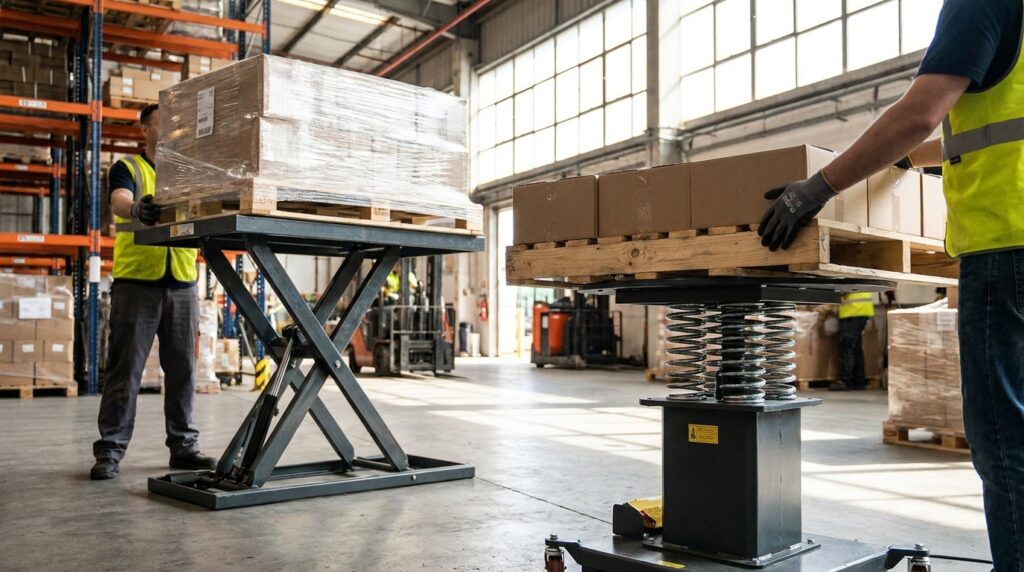
Streamlining Operations: A Deep Dive into Pallet Positioners and Their Transformative Benefits
In the intricate world of industrial material handling, efficiency, safety, and ergonomic well-being are paramount. Businesses across manufacturing, warehousing, logistics, and retail sectors are constantly seeking innovative solutions to optimize their workflows. Among the most effective and versatile tools to achieve these goals are pallet positioners. These specialized pieces of equipment are designed to elevate, tilt, or rotate pallets to an optimal working height, thereby reducing strain on operators, minimizing the risk of injuries, and significantly boosting productivity. At Fredon Handling, we understand the critical role these devices play in modern industrial operations and are committed to providing high-quality solutions tailored to your specific needs.
This comprehensive guide will explore the various types of pallet positioners available, delve into their extensive benefits, offer practical advice on selection, and highlight essential safety and maintenance considerations. Whether you are an industrial equipment buyer, a seasoned engineer, or a diligent facility manager, understanding the nuances of pallet positioners will empower you to make informed decisions that drive tangible improvements in your operations.
For those interested in learning more about Pallet Positioners and their various applications, you may find the article on “Pallet Handling Solutions” particularly insightful. This resource delves into different types of pallet handling equipment and their benefits, providing a comprehensive overview that complements the information on pallet positioners. You can read the article here: Pallet Handling Solutions.
Understanding the Core Functionality and Evolution of Pallet Positioners
Pallet positioners, at their most fundamental, are mechanical devices designed to bring the surface of a pallet to a convenient and ergonomic height for workers. This simple yet profound adjustment alleviates the need for workers to constantly bend, stoop, or stretch to access items on the pallet. The evolution of these machines has seen them transform from basic lift tables to sophisticated, automated systems capable of complex movements.
The initial iterations of pallet positioners often involved simple manual hydraulic lifts. While effective for basic elevation, they required significant operator effort for each adjustment. As industrial demands grew and the emphasis on worker safety intensified, powered options emerged. Electric and pneumatic systems offered smoother, faster, and more consistent lifting capabilities.
Modern pallet positioners incorporate advanced features such as variable height adjustment, programmable positions, automated pallet turnover, and integration with other material handling equipment like conveyors and automated storage and retrieval systems (AS/RS). This evolution reflects a growing understanding of the human element in material handling and the pursuit of truly optimized workspaces. For businesses looking to enhance their existing workflows, exploring options like our Scissor Lift Tables from Fredon Handling provides a solid starting point for understanding basic elevation principles that often form the foundation of more complex positioners.
The Ergonomic Imperative: Reducing Strain and Preventing Injuries
The human body is not designed for repetitive bending, twisting, and lifting from low heights. These strenuous movements are a leading cause of musculoskeletal disorders (MSDs), including back injuries, carpal tunnel syndrome, and shoulder pain. Pallet positioners directly address this issue by bringing the pallet load to a height that allows operators to work with a neutral spine and relaxed posture.
When workers can access items at waist height, the need to bend their backs is drastically reduced. Similarly, reaching across a pallet is minimized when the load can be rotated or tilted. This simple act of repositioning the load has a profound impact on operator well-being. The long-term benefits include:
- Reduced incidence of back pain and other MSDs: This translates to fewer lost workdays, lower healthcare costs, and improved employee morale.
- Increased comfort and reduced fatigue: When operators are more comfortable, they can maintain focus and work more efficiently for longer periods.
- Improved task performance: Reduced physical strain can lead to greater precision and fewer errors in tasks such as order picking, packing, and assembly.
- Enhanced job satisfaction and retention: A safe and comfortable working environment contributes significantly to employee satisfaction and loyalty.
Considering the significant return on investment in terms of human capital, investing in appropriate pallet positioning equipment is not just a matter of efficiency but a strategic imperative for any forward-thinking organization.
Enhancing Productivity and Throughput: Beyond Basic Lifting
The benefits of pallet positioners extend far beyond employee well-being; they are powerful catalysts for increased productivity and throughput. By optimizing the workflow, these devices enable faster task completion and reduce bottlenecks in the material handling process.
- Faster Picking and Packing: With loads at an ergonomic height, order pickers can retrieve items more quickly and with less effort. Similarly, packing operations are streamlined as items are presented at an optimal level for boxing and labeling.
- Improved Assembly Line Efficiency: In manufacturing settings, pallet positioners ensure that components are easily accessible for assembly, reducing downtime and increasing the speed of production.
- Quicker Loading and Unloading: When loading or unloading trucks, positioners can bring pallets to the exact height required, facilitating smoother and faster transitions.
- Reduced Workflow Interruptions: By minimizing the need for manual adjustments or assistance from other equipment, pallet positioners keep the workflow moving seamlessly.
- Space Optimization: Certain types of positioners, particularly those with rotating capabilities, can help optimize space within a facility by allowing for more efficient arrangement of goods.
The cumulative effect of these productivity gains can significantly impact a company’s bottom line. For businesses seeking to maximize output from their existing infrastructure, exploring solutions that integrate with their current operations, such as our Conveyor Systems, can further amplify the efficiency gains provided by pallet positioners.
Exploring the Diverse Landscape of Pallet Positioner Types
The term “pallet positioner” encompasses a range of equipment designed to manipulate pallets in various ways. Understanding these different types is crucial for selecting the most suitable solution for a specific application. Fredon Handling offers a comprehensive portfolio of material handling equipment, including various forms of pallet manipulation devices.
Scissor Lift Pallet Positioners: The Foundation of Elevation
Scissor lift pallet positioners are perhaps the most common and widely recognized type. They utilize a series of linked, folding supports in a “Z” pattern, allowing the platform to be raised or lowered by extending or retracting the scissors.
- Mechanism: Typically powered by electric or hydraulic systems.
- Key Features: Stable and robust, offering significant lift heights. Can be static or mobile. Some models can be integrated with conveyors.
- Applications: Ideal for general lifting and positioning of pallets in areas where a fixed working height is needed for tasks like order picking, palletizing, depalletizing, and assembly. They are excellent for bridging height differences between different workstations or levels.
- Fredon Handling Connection: Our range of Hydraulic Scissor Lifts are prime examples of the robust lifting capabilities that form the basis of many pallet positioner designs.
Rotating Pallet Positioners: Enabling 360-Degree Access
Rotating pallet positioners allow for the pallet to be spun 360 degrees, providing operators with complete access to all sides of the load without having to manually move or reposition the pallet itself.
- Mechanism: Often incorporate a turntable mechanism, usually powered electrically or pneumatically.
- Key Features: Facilitates efficient wrapping of pallets, easy access for quality inspection, and streamlined order picking or assembly tasks. Can be integrated with lift functions.
- Applications: Extremely valuable in packing stations where stretch wrapping is performed, in assembly lines where components are accessed from all sides, and in quality control areas for thorough inspection.
- Benefits: Significantly reduces the time and effort required to access all sides of a pallet, leading to faster turnaround times.
Tilting Pallet Positioners: Angling for Optimal Reach
Tilting pallet positioners allow the pallet to be angled forward or backward, bringing the contents closer to the operator and reducing the need for excessive reaching.
- Mechanism: Employ hydraulic or electric actuators to control the tilt angle.
- Key Features: Can tilt to various degrees, often in conjunction with lifting capabilities.
- Applications: Excellent for tasks where components are picked from the top of a pallet, such as in bin picking operations or when dealing with irregularly shaped items. They are also useful in assembly stations where workers need to reach into the pallet.
- Benefits: Minimizes bending and stretching, further enhancing ergonomics and reducing the risk of strain.
Automated Pallet Positioners and Turntables: The Pinnacle of Efficiency
For high-volume operations or those seeking maximum automation, fully automated pallet positioners and turntables are the ultimate solution. These systems can be integrated into complex material flow systems, often controlled by sophisticated software.
- Mechanism: Fully automated with PLC control, often integrated with conveyors, robots, or AS/RS.
- Key Features: Programmable movements, automatic pallet transfer, and seamless integration with other warehouse management systems.
- Applications: High-speed order fulfillment centers, automated manufacturing lines, and logistics hubs where efficiency and accuracy are paramount.
- Benefits: Drastically increases throughput, reduces labor requirements, and minimizes the potential for human error.
Drum Positioners and Tippers: Specialized Handling Solutions
While not strictly “pallet” positioners, it’s important to note specialized equipment like drum positioners and tippers. These devices are designed to safely lift, tilt, and dispense contents from drums, addressing similar ergonomic and efficiency concerns for bulk material handling. Fredon Handling’s expertise extends to various specialized lifting and handling equipment, and understanding your specific material type is key to finding the right solution.
The Tangible Benefits of Implementing Pallet Positioners
The decision to invest in pallet positioners is driven by a clear understanding of the multifaceted benefits they deliver. These advantages translate directly into improved operational efficiency, enhanced safety, and greater cost-effectiveness.
Quantifiable Improvements in Ergonomics and Safety
The most immediate and impactful benefit of pallet positioners is the dramatic improvement in workplace ergonomics. By eliminating or significantly reducing the need for manual lifting, bending, and twisting, these devices directly combat the root causes of many common workplace injuries.
- Reduced Risk of Musculoskeletal Disorders (MSDs): This is the cornerstone of ergonomic improvement. Studies consistently show that workplaces utilizing ergonomic aids experience significantly fewer reported MSDs. This means fewer workers’ compensation claims, reduced downtime due to injury, and a healthier workforce.
- Lowered Fatigue Levels: When workers are not subjected to constant physical strain, they experience less fatigue. This leads to sustained energy levels, improved concentration, and a more positive work environment.
- Enhanced Operator Comfort: Simple comfort can have a significant impact on job satisfaction and productivity. Workers who are comfortable are more likely to be engaged and efficient.
- Compliance with Safety Regulations: Many regulatory bodies mandate safe working practices to prevent injuries. Implementing pallet positioners is a proactive step towards ensuring compliance and demonstrating a commitment to employee safety.
Boosted Productivity and Throughput Metrics
Beyond safety, pallet positioners are powerful drivers of operational efficiency, leading to measurable increases in productivity and throughput.
- Faster Task Completion: With ergonomic access to goods, tasks such as picking, packing, kitting, and assembly can be completed at a significantly faster pace. Operators spend less time maneuvering and more time performing value-added activities.
- Reduced Cycle Times: In manufacturing or assembly processes, optimizing the presentation of materials can drastically shorten the time it takes to complete a unit or a batch.
- Increased Throughput: By streamlining individual tasks, the overall output of the operation increases. This means more orders fulfilled, more products manufactured, or more goods moved in the same amount of time.
- Minimized Errors: When operators are working in a comfortable and efficient manner, the likelihood of making mistakes due to fatigue or awkward positioning is reduced. This leads to fewer reworks and greater accuracy.
- Optimized Workflow: Pallet positioners can be integrated into existing workflows to create a smoother, more continuous flow of materials, eliminating bottlenecks and delays.
Enhanced Operational Flexibility and Adaptability
The versatility of pallet positioners allows businesses to adapt their operations to changing demands and product types.
- Handling Diverse Loads: Different types of positioners can accommodate a wide range of pallet sizes, weights, and product configurations.
- Adaptable Workstations: Positioners can be used to create flexible workstations that can be reconfigured as needed for different tasks or product lines.
- Integration with Other Equipment: Modern pallet positioners can seamlessly integrate with other material handling equipment, such as conveyors, robotic arms, and automated guided vehicles (AGVs), creating sophisticated and automated material flow systems.
- Space Utilization: Rotating and tilting positioners, in particular, can enable more efficient use of floor space by allowing for closer placement of workstations or more effective organization of goods.
Cost Savings and Return on Investment (ROI)
While the initial investment in pallet positioners is a consideration, the long-term cost savings and the significant ROI make them a wise financial decision.
- Reduced Healthcare Costs: Fewer injuries mean lower medical expenses and workers’ compensation premiums.
- Lowered Absenteeism: A healthier workforce means fewer lost workdays and greater operational continuity.
- Increased Output, Increased Revenue: Higher productivity directly translates to the ability to handle more business, leading to increased revenue.
- Reduced Need for Overtime: By improving efficiency, companies may be able to meet demand without relying on costly overtime.
- Extended Equipment Lifespan: When operators are not forcing or manhandling loads, the lifespan of other equipment involved in the process can be extended.
Pallet positioners are essential tools in modern warehouses, enhancing efficiency and safety during material handling. For a deeper understanding of how various material handling systems can streamline your workflow, you may find this article on material handling systems particularly insightful. By exploring different types of equipment and their benefits, you can better appreciate the role of pallet positioners in optimizing operations.
Selecting the Right Pallet Positioner: A Strategic Approach
Choosing the optimal pallet positioner requires a thorough assessment of your specific operational needs, budget, and existing infrastructure. At Fredon Handling, we guide our clients through this critical decision-making process.
Conducting a Comprehensive Needs Assessment
Before exploring options, it’s essential to understand your current operational challenges and future goals.
- Identify Bottlenecks: Where in your material handling process are you experiencing delays or inefficiencies? Are these related to pallet access or manipulation?
- Analyze Workflow: Map out your current material flow. Which specific tasks would benefit most from pallet positioning?
- Determine Load Characteristics: What are the typical weights, dimensions, and types of products you handle on pallets? This will influence the capacity and type of positioner required.
- Assess Workforce Needs: What is the size of your workforce involved in these tasks? What are their physical capabilities and any existing ergonomic concerns?
- Evaluate Space Constraints: What is the available floor space? Are there any limitations on height or width?
- Define Budget: Establish a realistic budget for the equipment, including installation and ongoing maintenance.
- Consider Integration: Do you plan to integrate the positioner with other existing or future equipment, such as conveyors or automated systems?
Key Factors to Consider in Equipment Selection
Once your needs are defined, you can evaluate specific equipment features.
- Capacity (Weight and Size): Ensure the positioner can safely handle the maximum weight and dimensions of your typical loads. Exceeding capacity can lead to equipment failure and safety hazards.
- Lift Height and Range: Determine the required range of vertical adjustment to achieve optimal ergonomic working heights for your specific tasks and operators.
- Type of Movement (Lift, Tilt, Rotate): Based on your workflow analysis, decide whether a simple lift, a tilt function, a rotation function, or a combination is necessary.
- Power Source (Electric, Hydraulic, Pneumatic): Consider the availability of power in your facility and the desired speed and smoothness of operation. Electric options are common for their precision, while hydraulic systems offer robust lifting power.
- Durability and Build Quality: Opt for equipment constructed from high-quality materials with robust engineering to ensure longevity and reliability in demanding industrial environments.
- Ease of Operation: The equipment should be intuitive and easy for operators to use, minimizing the learning curve and potential for misuse.
- Safety Features: Look for built-in safety mechanisms such as emergency stops, overload protection, and stability features.
- Maintenance Requirements: Consider the ease of access for maintenance and the availability of spare parts.
- Customization Options: For unique applications, inquire about the possibility of custom modifications to tailor the equipment precisely to your needs.
Comparing Different Positioner Types for Specific Applications
Let’s illustrate how different positioner types suit specific scenarios.
| Application | Recommended Pallet Positioner Type(s) | Key Benefits | Fredon Handling Solutions |
| :– | :- | :– | :– |
| Order Picking/Packing | Scissor Lift, Tilting Pallet Positioner | Reduced bending/reaching, faster item retrieval, improved accuracy. | Scissor Lift Tables, Customizable Lift Solutions |
| Pallet Wrapping | Rotating Pallet Positioner | Easy access for complete wrap coverage, faster wrapping time. | Automated Turntables (inquire with sales) |
| Assembly Line Workstation | Scissor Lift, Tilting Pallet Positioner | Components presented at optimal height, reduced operator strain, increased assembly speed. | Adjustable Height Workstations, Scissor Lifts |
| Depalletizing/Bag Handling | Scissor Lift, Tilting Pallet Positioner | Easier removal of items from low pallets, reduced risk of back strain. | Scissor Lift Tables |
| High-Volume Fulfillment | Automated Pallet Positioners/Turntables | Maximized throughput, minimized labor, high accuracy. | Integrated Conveyor and Automation Systems (consult with Fredon Handling specialists) |
| Quality Control Inspection | Rotating Pallet Positioner, Tilting Positioner | Full access for visual inspection, easier manipulation of samples. | Turntables, Custom Inspection Platforms |
Note: This table provides general guidance. Specific requirements may necessitate specialized configurations.
The Importance of Professional Consultation
Navigating the array of options can be complex. Engaging with material handling specialists like those at Fredon Handling is crucial. Our team can:
- Assess your specific needs and recommend the most appropriate equipment.
- Provide expert advice on integration with your existing systems.
- Offer insights into ROI calculations and cost-benefit analyses.
- Discuss customization possibilities for unique challenges.
Ensuring Safety and Longevity: Best Practices for Operation and Maintenance
The safe and effective operation of pallet positioners, coupled with a robust maintenance schedule, is vital for maximizing their lifespan and ensuring a safe working environment.
Safety First: Operating Your Pallet Positioner Responsibly
Adherence to safety protocols is non-negotiable when operating any industrial equipment.
- Operator Training: Ensure all operators are thoroughly trained on the specific model of pallet positioner they will be using. This training should cover:
- Safe operating procedures.
- Understanding of load limits and capacity.
- Emergency stop procedures.
- Pre-operational safety checks.
- Pre-Operational Checks: Before each use, operators should conduct a visual inspection. Look for:
- Damaged or worn parts (e.g., hydraulic hoses, chains, rollers).
- Loose bolts or connections.
- Proper functioning of safety guards and limit switches.
- Obstructions around the operating area.
- Load Stability: Ensure that loads are stable on the pallet before lifting or tilting. Secure loose items if necessary.
- Clearance Zones: Maintain a safe distance around the operating area to prevent pinch points and ensure no personnel are in the path of movement.
- Weight Limits: Never exceed the rated capacity of the pallet positioner. Overloading can cause catastrophic failure.
- Emergency Stops: Familiarize yourself with the location and operation of all emergency stop buttons. Use them immediately if any unsafe condition arises.
- Regular Inspections: Beyond daily checks, implement a schedule for more thorough inspections by qualified personnel.
Proactive Maintenance for Peak Performance and Longevity
A well-maintained pallet positioner operates more efficiently, reliably, and safely.
- Scheduled Lubrication: Regularly lubricate all moving parts, such as pivot points, rollers, and scissor mechanisms, according to the manufacturer’s recommendations. This reduces friction, wear, and operational noise.
- Hydraulic System Checks (if applicable):
- Monitor hydraulic fluid levels and top up as needed with the correct type of fluid.
- Inspect hydraulic hoses and fittings for leaks. Replace any damaged components immediately.
- Check for proper system pressure and operation.
- Electrical System Checks:
- Inspect power cords and connections for damage.
- Ensure all electrical components are clean and free from debris.
- Test limit switches and control buttons.
- Structural Integrity: Periodically inspect the frame, platform, and scissor mechanisms for any signs of bending, cracking, or wear.
- Safety Feature Testing: Regularly test all safety features, including emergency stops, overload sensors, and interlocks, to ensure they are functioning correctly.
- Cleaning: Keep the equipment clean and free from dust, dirt, and debris, which can interfere with operation and lead to premature wear.
- Record Keeping: Maintain a log of all maintenance activities, inspections, and repairs. This helps in tracking the equipment’s history and identifying recurring issues.
- Professional Servicing: Schedule periodic professional servicing by qualified technicians. They can perform more in-depth diagnostics, identify potential issues before they become major problems, and ensure the equipment is operating within specified tolerances.
Fredon Handling’s Commitment to Support
At Fredon Handling, we understand that purchasing equipment is only part of the equation. We are committed to providing ongoing support to ensure your pallet positioners operate at peak performance. This includes access to:
- User Manuals and Technical Documentation: Comprehensive guides for operation and maintenance.
- Spare Parts: readily available genuine replacement parts to minimize downtime.
- Technical Support: Our team of experts is available to answer your questions and provide troubleshooting assistance.
- Maintenance Services: We can discuss tailored maintenance programs to suit your specific needs.
Frequently Asked Questions About Pallet Positioners
To further clarify the benefits and applications of pallet positioners, we address some common questions.
What is the primary benefit of using a pallet positioner?
The primary benefit is the significant improvement in workplace ergonomics, which directly reduces the risk of musculoskeletal injuries for operators. This also leads to increased productivity and comfort.
Are pallet positioners suitable for all industries?
Yes, pallet positioners are highly versatile and can benefit almost any industry that handles goods on pallets, including manufacturing, warehousing, logistics, retail, automotive, food and beverage, and pharmaceuticals.
How do I determine the correct capacity for a pallet positioner?
You must consider the maximum weight of the loads you will be placing on the positioner. It’s always advisable to choose a unit with a capacity rating that comfortably exceeds your heaviest typical load to ensure safe operation and longevity.
Can pallet positioners be integrated with existing conveyor systems?
Absolutely. Many pallet positioners, particularly scissor lifts and automated turntables, are designed to be integrated with conveyor systems, creating seamless material flow and automation solutions. Fredon Handling specializes in such integrated systems.
What is the difference between a pallet positioner and a standard lift table?
While both provide vertical lifting, pallet positioners are specifically designed with features to optimize the handling of pallets, often including tilt or rotation functions, and are engineered with pallet dimensions and common industrial workflows in mind. Standard lift tables can be more general-purpose.
How often should I perform maintenance on my pallet positioner?
Routine daily checks by operators are essential. A more in-depth maintenance schedule, including lubrication, inspection of moving parts, and system checks, should be followed based on the manufacturer’s recommendations, typically involving weekly, monthly, and annual servicing by qualified personnel.
Elevate Your Operations with Fredon Handling
Pallet positioners are not just pieces of equipment; they are strategic investments in the health and safety of your workforce, the efficiency of your operations, and the overall profitability of your business. By reducing strain, preventing injuries, and streamlining workflows, these versatile machines empower your team to perform at their best.
At Fredon Handling, we are dedicated to providing innovative and reliable material handling solutions. Whether you require robust Scissor Lift Tables, advanced Conveyor Systems, or custom-engineered solutions, we have the expertise and the product range to meet your unique challenges.
Don’t let outdated material handling practices limit your potential. Contact Fredon Handling today to discuss your specific needs and discover how our pallet positioners and other material handling equipment can transform your operations, boost your productivity, and ensure a safer, more ergonomic workplace. Let us help you lift your business to new heights.