
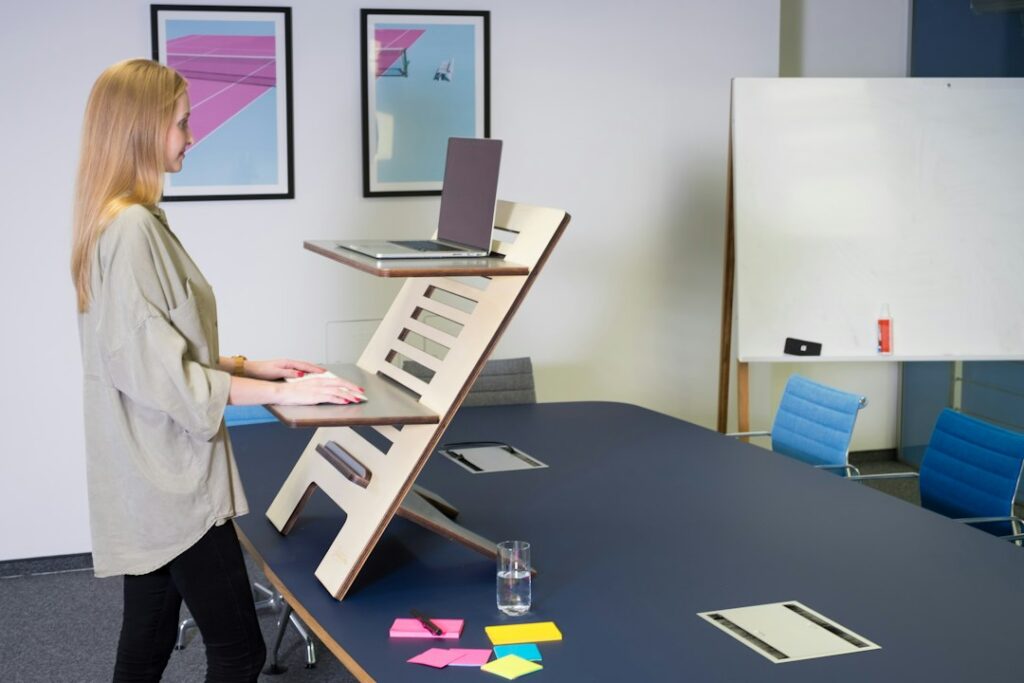
How to Determine the Right Work Height for Assembly
Optimizing assembly processes is a critical challenge for any manufacturing facility or warehouse. Achieving peak efficiency, minimizing worker fatigue, and preventing injuries all hinge on a surprisingly fundamental element: the right work height for assembly. When components and tasks are presented at an ergonomically sound height, your team can operate with greater speed, accuracy, and comfort. This article, brought to you by Fredon Handling, your trusted industrial material handling equipment supplier, delves deep into understanding and establishing the optimal work height for your assembly operations.
Fredon Handling specializes in providing solutions that transform your workspace, and our range of hydraulic lifts and material positioning equipment is at the forefront of this transformation. From adjustable hydraulic lift tables to sophisticated ergonomic workstations, we offer the tools to precisely control work heights and enhance your assembly lines. Let’s explore how to get it right.
For those looking to optimize their assembly processes, understanding the right work height is crucial. To delve deeper into this topic, you might find it beneficial to read the related article on ergonomic solutions and best practices. This resource can provide additional insights into how to create a more efficient and comfortable workspace. For more information, visit this article.
The Crucial Role of Ergonomics in Assembly Work Height
Ergonomics is the science of designing the workplace, tools, and tasks to fit the worker. When it comes to the right work height for assembly, ergonomics is paramount. Incorrect work heights can lead to a cascade of negative consequences:
- Musculoskeletal Disorders (MSDs): Bending, reaching, twisting, and prolonged awkward postures are major contributors to back pain, carpal tunnel syndrome, shoulder strain, and other debilitating MSDs. These injuries lead to increased absenteeism, reduced productivity, higher healthcare costs, and potential litigation.
- Reduced Productivity and Quality: When workers are uncomfortable or straining, their focus diminishes. This can result in slower assembly times, increased errors, and a decline in the overall quality of the finished product.
- Worker Fatigue: Constantly adjusting to incorrect work heights is physically taxing. This leads to premature fatigue, further impacting performance and increasing the risk of accidents.
- Inefficient Material Flow: If materials are consistently too high or too low, workers spend valuable time and energy maneuvering them, disrupting the smooth flow of the assembly process.
Establishing the right work height for assembly directly addresses these issues, creating a safer, more efficient, and more comfortable working environment. This is where specialized material positioning equipment from Fredon Handling becomes indispensable.
Understanding Anthropometry and Neutral Postures
To determine the right work height for assembly, we must consider anthropometry – the scientific study of the measurements and proportions of the human body. Different individuals have different body dimensions, so a universally perfect height is elusive. However, ergonomic principles guide us toward achieving a neutral posture, which is the position that requires the least muscular effort and places the least stress on the body.
For assembly tasks, the ideal neutral posture generally involves:
- Elbows at approximately 90 degrees: This allows for comfortable arm movement and reduces strain on the shoulders and wrists.
- Wrists straight: Avoid prolonged bending or extending of the wrists, which can lead to carpal tunnel syndrome.
- Shoulders relaxed: The upper arms should hang naturally at the sides, not be elevated or hunched.
- Back straight and supported: Maintaining a natural spinal curve is crucial for preventing back pain.
- Feet flat on the floor or supported by a footrest: This provides stability and reduces pressure on the lower back.
The right work height for assembly is one that allows the worker to maintain these neutral postures as much as possible while performing their tasks.
Key Equipment for Achieving the Right Work Height for Assembly
Fredon Handling offers a comprehensive suite of industrial material handling equipment designed to provide precise control over work heights. Investing in the correct equipment is crucial for implementing effective ergonomic solutions and achieving the right work height for assembly.
Hydraulic Lift Tables and Scissor Lifts
Hydraulic lift tables and scissor lifts are versatile workhorses in material handling. They utilize hydraulic power to smoothly and safely elevate or lower heavy loads, making them ideal for adjusting workstations to the right work height for assembly.
- Hydraulic Lift Tables: These platforms can be raised or lowered to accommodate a wide range of task heights. Many models are portable, allowing for flexible placement on the assembly line. Adjustable height lift tables are particularly valuable for tasks that require frequent changes in work height or for accommodating different operators. You can explore our range of Hydraulic Lift Tables to find the perfect fit for your needs.
- Scissor Lifts: Similar to lift tables, scissor lifts use a series of linked, folding supports in a criss-cross pattern to lift and lower loads. They are known for their stability and capacity to lift to significant heights. Scissor lifts can be integrated into existing assembly lines or used as standalone lifting platforms.
Applications for Lift Tables and Scissor Lifts:
- Parts Feeding: Lifting bins or containers of components to an ergonomic height for easy access by assemblers.
- Assembly Platforms: Providing a stable surface at the correct height for assembling larger or heavier items.
- Material Transfer: Bridging gaps or elevation changes between different stages of the assembly process.
- Load Adjustment: Allowing workers to adjust the height of their work as they progress through different assembly steps.
Pallet Positioners and Turntables
For operations involving pallets, pallet positioners and turntables are essential for optimizing the right work height for assembly and improving workflow.
- Pallet Positioners: These devices lift or lower pallets to a comfortable working height, eliminating the need for workers to bend or reach excessively. They are often spring-loaded or air-powered, automatically adjusting as the load on the pallet changes. This ensures the top surface of the pallet remains at an optimal height, regardless of how full or empty it is. Check out Fredon Handling’s Pallet Positioners for solutions that can significantly reduce strain.
- Turntables: While not directly for height adjustment, turntables are crucial for improving accessibility and reducing awkward movements during assembly. By allowing the workpiece to be rotated, assemblers can easily access all sides without having to reach over or around the assembly. This complements the right work height for assembly by minimizing torsional strain.
Benefits of Pallet Positioners and Turntables:
- Reduced bending and twisting.
- Improved access to all parts of the palletized load.
- Faster and more efficient pallet loading and unloading.
- Enhanced worker comfort and safety.
Tilt Tables
Tilt tables are specialized pieces of equipment that not only adjust height but also allow for the tilting of loads. This feature is invaluable for specific assembly tasks where access to the underside or sides of a component is required.
- Adjustable Tilt Angle: Tilt tables can often be adjusted to various angles, allowing assemblers to present the workpiece in the most ergonomically advantageous position. This is particularly useful for tasks requiring welding, inspection, or the attachment of components from difficult angles.
Applications for Tilt Tables:
- Component Access: Tilting a sub-assembly to allow easy access for wiring, plumbing, or fastening.
- Inspection: Presenting a finished or semi-finished product at an angle that facilitates thorough visual inspection.
- Fabrication: Positioning materials for welding, cutting, or other fabrication processes.
Ergonomic Workstations
Ergonomic workstations are designed from the ground up to promote optimal posture and minimize physical strain. They often incorporate adjustable height surfaces, integrated lighting, tool holders, and shelving, all configured to support the right work height for assembly.
- Adjustable Height Desks: Many modern workstations feature electric or manual height adjustment, allowing individual workers to set their preferred work height. This is ideal for environments where tasks vary or where multiple users share a station.
- Integrated Solutions: Ergonomic workstations can be customized with various accessories to create a complete, efficient, and safe assembly environment.
Fredon Handling can help you design and implement Ergonomic Workstations that are tailored to your specific assembly processes.
Determining the Right Work Height for Assembly: Practical Steps
Now that we understand the importance of work height and the equipment available, let’s outline a practical approach to determining the right work height for assembly.
Step 1: Analyze the Tasks and Identify Core Movements
Begin by thoroughly observing and analyzing each assembly task. Identify the primary movements involved.
- Are workers primarily reaching down?
- Are they reaching up?
- Are they bending their backs?
- Are they twisting their torsos?
- What is the typical range of motion required for their hands and arms?
Focus on the tasks that involve the most repetitive or strenuous movements, as these are the areas where optimizing work height will yield the greatest benefits.
Step 2: Consider the Average Operator and Task Variations
While individual anthropometry varies, for a general assembly line, you’ll need to consider the average worker. However, also be mindful of any known variations in your workforce (e.g., significantly taller or shorter individuals).
- Measure Elbow Height: A good starting point is to have an average worker stand with their arms relaxed at their sides and measure the height of their elbows from the floor. This provides a baseline for ideal working height.
- Account for Task Specifics: The right work height for assembly isn’t static for all tasks. For instance, tasks requiring fine manipulation might benefit from a slightly higher work surface to allow for better wrist posture, while tasks involving heavier component placement might require a lower height for leverage.
Step 3: Utilize Ergonomic Assessment Tools and Guidelines
Several ergonomic assessment tools and guidelines can assist in determining optimal work heights.
- NIOSH Lifting Equation: While primarily for lifting, the principles of minimizing awkward postures are relevant.
- RULA (Rapid Upper Limb Assessment) and REBA (Rapid Entire Body Assessment): These observational tools can help identify awkward postures that indicate the need for work height adjustments.
- General Ergonomic Guidelines: Industry best practices often suggest target work height ranges for different types of tasks. For seated work, a common recommendation is for the work surface to be at or slightly below elbow height. For standing work, a height that allows elbows to be at approximately 90 degrees is often ideal.
Step 4: Implement and Test with Adjustable Equipment
The most effective way to find the right work height for assembly is through iterative testing. This is where adjustable equipment like hydraulic lift tables and ergonomic workstations shine.
- Trial and Error with Adjustability: Set up your assembly stations with adjustable equipment and allow operators to experiment with different heights.
- Gather Feedback: Actively solicit feedback from your workers. They are the ones performing the tasks and will have the most direct experience with comfort and strain.
- Observe and Measure: Observe the operators’ postures at different heights. Are they more relaxed? Are their movements smoother? You might also consider measuring task completion times before and after adjustments.
Fredon Handling’s expertise can help you select the right adjustable equipment to facilitate this critical testing phase. Our Material Positioning Equipment category offers a wide array of options.
Step 5: Document and Standardize
Once you’ve identified the optimal work heights for specific tasks or workstations, it’s crucial to document these settings.
- Create Standard Operating Procedures (SOPs): Include the recommended work height settings in your SOPs for each assembly task.
- Label Workstations: Clearly label workstations with their designated optimal work heights, especially if they are fixed.
- Train New Employees: Ensure new hires are properly trained on the importance of maintaining the correct work height.
When considering the optimal work height for assembly tasks, it’s essential to also explore ergonomic principles that can enhance productivity and reduce strain. A related article that delves into these concepts can be found in the Fredon Handling Education Center, where you can learn about various ergonomic solutions tailored for different work environments. For more insights, check out this informative piece on ergonomics in the workplace. Understanding these principles can significantly improve both comfort and efficiency in assembly operations.
Maximizing Productivity and Safety with the Right Work Height
Achieving the right work height for assembly is not just about comfort; it’s a strategic imperative for boosting productivity and ensuring a safe working environment.
Productivity Enhancements
- Reduced Motion Waste: When materials are at the ideal height, less time is spent reaching, bending, or repositioning. This frees up time for actual assembly work.
- Improved Dexterity and Precision: With better posture and reduced strain, workers can perform intricate tasks with greater dexterity and accuracy, leading to fewer errors and rework.
- Faster Throughput: Streamlined movements and improved focus directly translate to faster assembly times and increased output.
- Reduced Absenteeism and Turnover: A comfortable and safe work environment leads to happier, healthier employees, reducing absenteeism due to injury and improving employee retention.
Safety Improvements
- Prevention of Musculoskeletal Disorders (MSDs): This is the most significant safety benefit. By eliminating or minimizing awkward postures, the risk of developing chronic and debilitating MSDs is drastically reduced.
- Fewer Slips, Trips, and Falls: Bending and reaching can sometimes lead to unstable footing. Correcting work heights can improve balance and reduce the likelihood of accidents.
- Reduced Risk of Strains and Sprains: Lifting and maneuvering objects at incorrect heights increases the risk of acute strains and sprains.
- Enhanced Operator Focus: When workers are not preoccupied with physical discomfort or pain, they can maintain better focus on their tasks, further reducing the risk of accidents.
The Long-Term Investment in Ergonomic Solutions
Investing in industrial material handling equipment that allows for the precise control of work heights is not an expense; it’s a strategic investment in the long-term health of your workforce and the efficiency of your operations. Fredon Handling is committed to providing solutions that deliver tangible returns.
Consider using our Ergonomic Solutions Calculator (if available on the website, otherwise phrase as “consult with our specialists to assess your ROI”) to understand the potential cost savings and productivity gains.
Frequently Asked Questions About Work Height for Assembly
Here are some common questions we receive at Fredon Handling regarding establishing the right work height for assembly:
Q1: What is the ideal work height for standing assembly tasks?
A1: For standing tasks, the ideal work height generally allows the assembler’s elbows to be at approximately a 90-degree angle, with their forearms parallel to the floor. This allows for relaxed shoulders and efficient arm movement. However, this can vary slightly depending on the specific task and the required manipulation of parts.
Q2: Can a single work height accommodate all assemblers?
A2: It’s challenging for a single, fixed work height to perfectly accommodate every individual due to variations in body size. This is precisely why adjustable equipment like hydraulic lift tables and ergonomic workstations are so valuable. They allow for customization to individual needs or different tasks.
Q3: How do I determine the work height for tasks involving fine motor skills versus heavy lifting?
A3: For fine motor skills, a slightly higher work surface can be beneficial, allowing for better wrist positioning and control. For tasks involving lifting or placing heavier components, a slightly lower work surface might provide better leverage and reduce back strain. Adjustable equipment allows for these fine-tuning adjustments.
Q4: What are the safety risks associated with incorrect work heights?
A4: The primary safety risks include the development of Musculoskeletal Disorders (MSDs) such as back pain, carpal tunnel syndrome, and shoulder injuries. Additionally, awkward postures can lead to slips, trips, and falls, as well as acute strains and sprains from overexertion.
Q5: How can I justify the cost of adjustable work height equipment to management?
A5: Focus on the ROI. Quantify the potential savings from reduced absenteeism due to injuries, decreased workers’ compensation claims, improved productivity leading to higher output, and reduced errors and rework. Adjustable equipment is an investment in a healthier, more efficient workforce.
Conclusion: Elevate Your Assembly Operations with Fredon Handling
Establishing the right work height for assembly is a foundational element of efficient, safe, and productive operations. By understanding the principles of ergonomics and leveraging the advanced solutions offered by Fredon Handling, you can transform your assembly lines from sources of strain and inefficiency into optimized hubs of productivity.
From versatile hydraulic lift tables and scissor lifts to specialized pallet positioners, tilt tables, and comprehensive ergonomic workstations, Fredon Handling provides the industrial material handling equipment that empowers you to precisely control work heights. Don’t let suboptimal work heights hinder your potential.
Contact Fredon Handling today to discuss your specific assembly challenges. Our experts are ready to help you find the ideal solutions to elevate your operations, improve worker well-being, and boost your bottom line.