
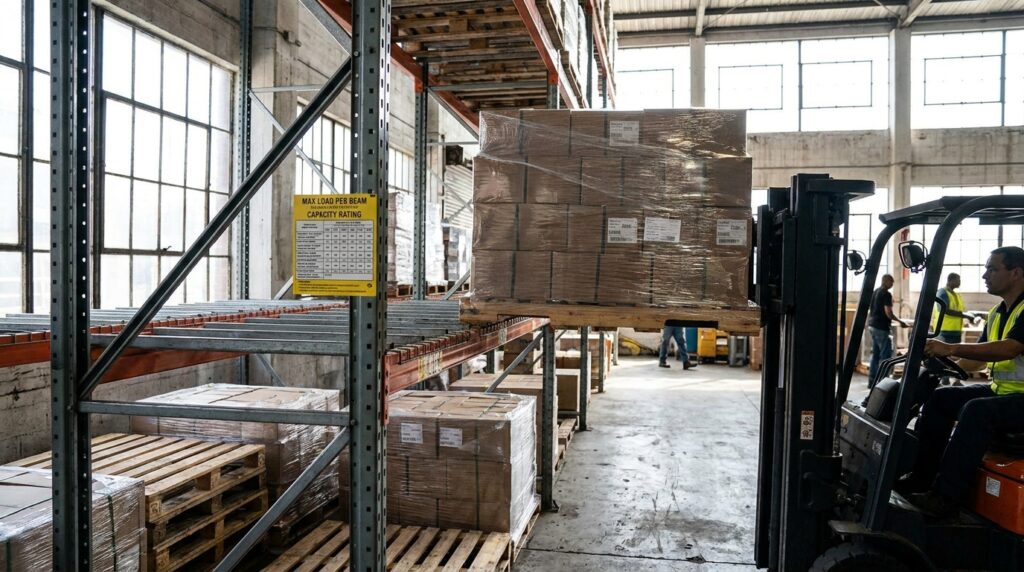
The Critical Importance of Understanding Pallet Rack Capacity and Load Ratings
In the bustling heart of any modern warehouse, distribution center, or manufacturing facility, pallet racking systems stand as silent, yet indispensable, workhorses. These robust structures are the backbone of efficient inventory management, enabling dense storage and swift retrieval of goods. However, the seemingly straightforward task of storing pallets on racks carries a significant responsibility: ensuring the integrity and safety of the entire operation. This responsibility hinges directly on a deep understanding of pallet rack capacity and load ratings. For over four decades, Fredon Handling, a Michigan-based industrial material handling supplier established in 1975, has witnessed firsthand the devastating consequences of neglecting these critical specifications. From catastrophic structural failures to costly product damage and, most importantly, severe injuries, the improper application or understanding of rack capacity can have far-reaching and detrimental effects. This comprehensive guide, tailored for warehouse managers, manufacturers, engineers, and facility operators, will demystify the complexities of pallet rack capacity and load ratings, equipping you with the knowledge to make informed decisions, optimize your storage solutions, and maintain a safe, productive work environment.
Understanding pallet rack capacity and load ratings is crucial for maintaining safety and efficiency in warehouse operations. For those looking to optimize their material handling processes, a related article that provides insights into essential equipment is available at this link: Essential Material Handling Equipment for Efficient Manufacturing Processes. This article discusses various tools and equipment that can enhance productivity and streamline operations, complementing the knowledge gained from understanding pallet rack specifications.
## Navigating the Lingo: Defining Pallet Rack Capacity and Load Ratings
Before delving into the practical implications, it’s crucial to establish a clear understanding of the terminology. The terms “capacity” and “load rating” are often used interchangeably, but a nuanced distinction exists that impacts how we interpret and apply these figures.
### What is Pallet Rack Capacity?
Pallet rack capacity refers to the maximum weight a specific component or the entire racking system can safely support. This is not a single, monolithic number. Instead, it’s broken down into several key ratings that dictate the performance of individual parts and the system as a whole. Understanding these individual ratings is paramount to preventing overloads and ensuring the longevity and safety of your storage infrastructure.
### Understanding Load Ratings: A Deeper Dive
Load ratings are precise, quantifiable measurements that represent the maximum allowable weight under specific conditions. They are determined through rigorous testing and adhere to industry standards, often established by organizations like the Rack Manufacturers Institute (RMI). For Fredon Handling, our commitment to quality means we only supply systems that meet or exceed these vital standards. Key load ratings to be aware of include:
- Beam Capacity (or Shelf Capacity): This is perhaps the most commonly referenced load rating. It denotes the maximum weight that a pair of horizontal beams can safely support between two uprights. It’s critical to remember that this rating is per pair of beams. If you are using multiple levels of beams, each level’s capacity needs to be considered independently. The placement of the load and the distribution of weight across the beam are also factors in its effective capacity.
- Upright Frame Capacity (or Column Capacity): This rating signifies the maximum vertical load that a single upright frame can support. This is a crucial consideration, as the uprights bear the cumulative weight of all the loads stored above them on that particular frame. The capacity of an upright is influenced by its design, the gauge of steel used, and the bracing patterns within the frame.
- Overall System Capacity: This is the maximum total weight the entire racking structure can safely support. It’s not simply the sum of all beam and upright capacities. The overall system capacity takes into account the interaction between all components, the seismic considerations of the facility, and the overall stability of the erected structure. Determining this requires a holistic view of the entire storage system.
It’s vital to understand that these ratings are maximum safe working loads. They are not designed to be pushed to their absolute limits. Exceeding these ratings, even by a small margin, can lead to structural fatigue, deformation, and ultimately, catastrophic failure. Fredon Handling emphasizes selecting racking systems with a built-in safety margin to accommodate minor variations in load weight and potential operational stresses.
## The Science Behind the Strength: Factors Influencing Load Ratings
The load ratings assigned to pallet racks are not arbitrary; they are the result of sophisticated engineering principles and meticulous testing. Several factors contribute to the strength and load-bearing capabilities of a pallet rack system, and understanding these can help you appreciate the importance of adhering to specified limits.
### Material Properties and Gauge
The type of steel used and its thickness (gauge) are foundational to a rack’s strength. High-strength steel alloys are commonly employed, offering excellent load-bearing capabilities without excessive weight. Thicker gauge steel generally translates to higher capacity, but this must be balanced with other design considerations to avoid unnecessary material costs and weight. Fredon Handling partners with manufacturers who prioritize the use of high-quality, durable steel to ensure the longevity and reliability of our pallet rack solutions.
### Beam and Upright Design and Geometry
The shape and dimensions of beams and uprights play a significant role in their load-bearing capacity.
- Beams: C-channel and box beams are common designs. C-channel beams, with their open cross-section, are cost-effective and widely used. Box beams, with a closed rectangular cross-section, offer greater torsional rigidity and are often used for heavier loads or applications requiring enhanced structural integrity. The lip design and height of the beam also influence its load capacity.
- Uprights: The design of the upright, including the presence and configuration of its bracing (horizontal and diagonal), is critical for its stability and load distribution. A well-braced upright can prevent racking (lateral movement) and column buckling, ensuring it can effectively support vertical loads. The presence and type of flange – the part that connects to the floor – are also crucial for anchoring and load transfer.
### Connection Points and Hardware
The integrity of the connection between beams and uprights is a critical determinant of overall rack strength. Robust, well-engineered connectors, often involving bolted or bolted/clip systems, ensure secure and stable load transfer. The quality and correct installation of these connectors are paramount. Loose or improperly installed connections can significantly compromise the rack’s load capacity and introduce points of failure. Fredon Handling ensures that all our systems utilize high-quality, durable connection hardware designed for secure and reliable engagement.
### Load Distribution and Span Length
How a load is distributed across the beams and the distance between uprights (span length) directly impacts the stress on the system.
- Load Distribution: A well-distributed load, spread evenly across the beam, will perform closer to its rated capacity than a concentrated load. Uneven loading can create stress points and lead to premature failure.
- Span Length: Longer span lengths between uprights generally result in lower beam capacity, as the beams are subjected to greater bending forces. Shorter spans allow for higher beam capacities. When selecting racking, it’s crucial to match the span length to the typical size and weight of the pallets being stored.
## The Dangers of Overloading: Consequences and Prevention
The allure of maximizing storage space can sometimes tempt operators to push the limits of their pallet racking systems. However, the consequences of overloading are severe and far-reaching, impacting safety, operational efficiency, and financial stability.
### Catastrophic Structural Failures
The most dramatic and dangerous outcome of overloading is the collapse of a rack section or the entire system. This can occur due to:
- Beam Failure: Overloaded beams can bend, deform, and eventually buckle, leading to the entire pallet and its contents falling.
- Upright Buckling: If the cumulative load on an upright exceeds its capacity, it can buckle or collapse, initiating a domino effect that brings down surrounding racks.
- Connection Failure: Weak or overloaded connections can fail, compromising the structural integrity of the entire system.
Such collapses not only result in extensive product damage but also pose an extreme risk of severe injury or even fatality to personnel working in the vicinity.
### Product Damage and Loss
Even if a full collapse is averted, overloading can cause significant product damage. Stressed beams can sag, causing pallets to tilt or shift, leading to damaged goods, spills, and contamination. This translates directly into financial losses through scrapped inventory, rework, and lost sales.
### Reduced System Lifespan and Increased Maintenance Costs
Constantly operating a pallet rack system at or near its capacity can lead to premature wear and tear. Micro-fractures, material fatigue, and deformation can develop over time, even if not immediately visible. This necessitates more frequent inspections, repairs, and potentially premature replacement of components, significantly increasing maintenance costs and reducing the overall lifespan of the investment.
### Safety Hazards and Increased Insurance Premiums
The most critical consequence of overloading is the increased risk of accidents. Falling loads, collapsing racks, and damaged equipment create a hazardous work environment. Such incidents can lead to costly workers’ compensation claims, increased insurance premiums, and potential legal liabilities for the company.
### Preventing Overloads: Proactive Strategies
Fredon Handling advocates for a proactive approach to prevent overloading:
- Accurate Load Weighting: Implement a system for accurately weighing or estimating the weight of incoming pallets. This is the foundational step.
- Clear Load Labeling: Ensure all pallets are clearly labeled with their gross weight.
- Rigorous Rack Inspection Program: Establish a routine and thorough rack inspection program. RMI guidelines recommend weekly visual inspections and more comprehensive inspections by a qualified person at least annually. During these inspections, look for any signs of damage, deformation, or signs of overloading.
- Employee Training: Educate all warehouse personnel, including forklift operators and pickers, on the importance of pallet rack capacity, proper loading procedures, and the dangers of overloading.
- Load Distribution Best Practices: Train staff on how to distribute loads evenly across pallet beams and within pallet footprints.
- Regular Review of Storage Needs: Periodically reassess your storage needs, inventory profiles, and load weights. If your product mix or average load weights change, your racking system may need to be re-evaluated or upgraded.
When considering the intricacies of pallet rack capacity and load ratings, it’s essential to also explore how to choose the right material handling equipment for your business. This related article provides valuable insights that can help you make informed decisions about your storage solutions and ensure optimal efficiency in your operations. For more information, you can read the article here.
## Choosing the Right Rack System: Matching Capacity to Your Needs
Selecting the correct pallet rack system is not a one-size-fits-all decision. It requires a thorough understanding of your specific operational requirements, including the types of products you store, their dimensions, and their weight. Fredon Handling works closely with clients to perform comprehensive site assessments and recommend systems that precisely meet their needs.
### Types of Pallet Racks and Their Capacities
Different pallet rack configurations are designed for various applications and have inherent differences in their load capacities and operational efficiencies.
- Selective Pallet Racks: This is the most common type, offering direct access to every pallet. Beam capacity is a key consideration, varying widely based on beam length, depth, and manufacturer. Upright capacity is also crucial, as it bears the cumulative load from multiple levels. Fredon Handling offers a wide range of selective pallet rack components designed to accommodate diverse load requirements.
- Double Deep Pallet Racks: These racks store pallets in two rows deep, requiring specialized forklifts with reach mechanisms. While they offer higher density storage, accessing the rear pallet requires moving the front one. Load capacities are similar to selective racks but consider the increased complexity of load placement.
- Drive-In/Drive-Thru Racks: Ideal for high-density storage of similar products (e.g., frozen foods, seasonal goods), these systems allow forklifts to drive into the rack structure. Load capacities are influenced by the design of the rail system and the structural integrity of the entire lane.
- Push-Back Racks: These systems use carts to store pallets on inclined rails, allowing for higher density than selective racking while maintaining last-in, first-out (LIFO) inventory management. Load capacities are critical for the cart system and the supporting rack structure.
- Pallet Flow Racks (Gravity Flow): Using wheels or rollers, these racks store pallets on an incline, allowing for first-in, first-out (FIFO) inventory management. The load capacity is primarily determined by the strength of the roller beds and the supporting frame.
### Calculating Required Load Capacity: A Practical Approach
To determine the required load capacity for your facility, consider the following:
- Identify Your Heaviest Pallets: Determine the maximum weight of any single pallet you will store. This is your baseline for beam and upright capacity requirements.
- Consider Load Distribution: If your heaviest pallets are not always evenly distributed, factor in potential load concentrations when assessing beam capacity.
- Calculate Cumulative Load on Uprights: For each level of racking, sum the weight of the pallets stored above that level on a given upright. This will give you the minimum required upright capacity.
- Factor in Seismic Zone Requirements: For facilities located in seismic zones, engineers must consider additional bracing and capacity requirements to withstand earthquake forces. Fredon Handling can provide guidance on RMI specifications for seismic compliance.
- Consult with Experts: The most reliable way to ensure correct capacity selection is to consult with material handling experts like those at Fredon Handling. We can help you navigate complex calculations and ensure your system meets all safety and operational demands.
### Safety Factors and Over-Specification
It is generally prudent to over-specify rather than under-specify your pallet rack capacity. Building in a safety margin ensures that your system can handle variations in pallet weights, potential operational stresses, and the natural degradation of materials over time. RMI standards often incorporate safety factors, but for particularly critical applications or when in doubt, consulting with an engineer or Fredon Handling is highly recommended.
## Maintaining Your Investment: Inspection, Repair, and Longevity
The initial purchase of a robust pallet rack system is only the beginning. Ongoing maintenance and adherence to proper procedures are essential to preserve its load capacity, ensure safety, and maximize its operational lifespan.
### The Importance of Regular Inspections
As previously mentioned, a comprehensive rack inspection program is non-negotiable. These inspections should be conducted by trained personnel and meticulously documented. Key areas to focus on during inspections include:
- Beam and Upright Deformation: Look for any signs of bending, sagging, or denting in beams and uprights. Even minor deformation can indicate that the load rating has been exceeded or is being approached.
- Connection Integrity: Check that all beam-to-upright connectors are secure, properly seated, and free from damage.
- Floor Anchoring: Verify that uprights are firmly anchored to the floor and that the anchors are intact.
- Damage from Forklifts: Inspect for impact damage from forklifts, which can significantly compromise the structural integrity of uprights.
- Damage to Safety Accessories: Check that column protectors, rack end guards, and other safety accessories are in place and undamaged.
### When to Repair or Replace Components
Minor damage might be repairable, but safety should always be the primary consideration.
- Minor Dents/Scratches: Superficial cosmetic damage that does not affect the structural integrity of the steel may not require immediate action, but should be noted.
- Significant Bending or Deformation: Any beam or upright that shows significant bending or deformation must be replaced immediately. Attempting to straighten damaged components is highly discouraged as it can weaken the metal.
- Damaged Connectors: Loose, bent, or broken connectors should be replaced promptly.
- Deterioration of Material: Rust, corrosion, or other forms of material degradation that weaken the steel necessitate component replacement.
Fredon Handling offers a comprehensive range of replacement parts and can assist in assessing the damage and recommending the appropriate course of action. We can also arrange for professional installation of replacement components to ensure they are fitted correctly and maintain the system’s original load-bearing capacity.
### Load Capacity Reductions Due to Damage
It’s critical to understand that any damage to a pallet rack component can significantly reduce its load capacity. A bent upright, even if not fully collapsed, will have a lower load-bearing capability than its original rating. This is why prompt repair or replacement is so vital. If a damaged component remains in use, it can lead to overloading of adjacent components, initiating a cascading failure.
### Best Practices for Load Handling
Beyond inspections, proper load handling practices are crucial for maintaining rack integrity:
- Proper Pallet Placement: Ensure pallets are placed squarely on beams and do not overhang excessively.
- Avoid Dropping Loads: Train operators to gently place loads onto the rack rather than dropping them from a height.
- Clear Aisles: Keep aisles clear of obstructions to prevent forklift impacts with rack structures.
- Follow First-In, First-Out (FIFO) or Last-In, First-Out (LIFO) Principles: Adhering to inventory rotation principles helps prevent pallets from sitting on racks for excessive periods, which can, in some cases, lead to material fatigue.
## Understanding Load Ratings in the Context of Regulations and Standards
The safe use of pallet racking is not just a matter of good practice; it’s also governed by industry standards and regulations. Adhering to these ensures compliance, minimizes liability, and, most importantly, protects your workforce.
### The Role of the Rack Manufacturers Institute (RMI)
The Rack Manufacturers Institute (RMI) is a key industry organization that develops and publishes standards for the design, manufacture, and installation of industrial steel storage racks. Their R-MI MH16.1, “Specification for the Design, Manufacturing, and Construction of the Industrial Steel Storage Racks,” is the most widely recognized and adopted standard in North America.
RMI standards provide crucial guidance on:
- Load Rating Methodologies: They outline how manufacturers should test and determine beam and upright capacities.
- Design Requirements: They specify material properties, connection methods, and structural considerations for safe rack construction.
- Installation Guidelines: They offer recommendations for proper installation, including anchoring and stability.
- Inspection and Maintenance: They provide a framework for ongoing rack safety programs.
Fredon Handling is committed to supplying rack systems that comply with or exceed RMI standards. We understand the importance of these benchmarks in ensuring the safety and reliability of your storage infrastructure.
### OSHA and Workplace Safety
The Occupational Safety and Health Administration (OSHA) in the United States mandates a safe working environment for all employees. While OSHA may not have specific regulations solely for pallet racking, they enforce general duty clauses that require employers to provide a workplace free from recognized hazards likely to cause death or serious physical harm.
Key OSHA-related considerations for pallet racking include:
- Hazardous Equipment: Collapsed or damaged racking is considered hazardous equipment.
- Employee Training: Employers are responsible for training employees on the safe operation of equipment and workplace hazards, including the risks associated with improper rack usage.
- Inspections: OSHA expects employers to have robust inspection procedures in place to identify and mitigate hazards.
By adhering to RMI standards and implementing comprehensive safety programs, you are inherently meeting many of OSHA’s general requirements related to material handling and workplace safety.
### Local Building Codes and Seismic Considerations
Beyond national standards, local building codes may impose additional requirements for rack installation, especially concerning seismic activity. In earthquake-prone regions, specialized engineering analyses and rack designs are necessary to ensure stability during seismic events. Fredon Handling can help you navigate these local requirements and ensure your system is compliant.
### Certifications and Manufacturer Responsibility
Reputable rack manufacturers will often provide documentation outlining the load ratings of their products and confirming their compliance with RMI standards. When procuring racking systems, always inquire about these certifications and the manufacturer’s commitment to quality and safety. Fredon Handling sources from trusted manufacturers who prioritize these aspects.
## Frequently Asked Questions About Pallet Rack Capacity
Here are some common questions we receive at Fredon Handling regarding pallet rack capacity and load ratings:
### Q1: How do I find the load rating for my existing pallet rack system?
A1: The load rating is typically found on a manufacturer’s label or tag attached to the rack, most commonly on the upright frames. This label should specify the capacity per pair of beams and the capacity per upright frame. If the labels are missing or illegible, it’s crucial to contact the original installer or the rack manufacturer, if known. If that’s not possible, a professional rack inspection by a qualified expert is recommended to assess the system’s integrity and determine approximate load capacities. Fredon Handling offers professional rack inspection services.
### Q2: What is the difference between a load rating and a safety factor?
A2: The load rating is the maximum weight the rack is designed to safely support. A safety factor is a multiplier applied to the anticipated load to determine the required strength of the component. For example, if a beam needs to support 1000 lbs and has a safety factor of 2, it must be designed to withstand at least 2000 lbs. RMI standards mandate specific safety factors for different components and load conditions to ensure a significant margin of error.
### Q3: Can I mix and match components from different manufacturers?
A3: While it may be tempting to use components from different manufacturers to save costs, it is generally not recommended. Load ratings and connection systems can vary significantly between manufacturers. Mixing components can lead to improper fit, compromised connections, and, most importantly, an unknown and potentially unsafe load capacity. Always strive to use components from the same manufacturer for a particular rack section or consult with an expert like Fredon Handling to ensure compatibility and maintain structural integrity.
### Q4: My supplier gave me a “total bay capacity.” What does that mean?
A4: “Total bay capacity” usually refers to the combined load-bearing capability of a single bay of racking, considering all its components. However, it’s crucial to understand how this is calculated. A more precise understanding requires knowing the individual beam capacities and the upright capacity for that bay. Always ask for a breakdown of individual component capacities to ensure you are not overloading specific parts of the system.
### Q5: What is the shelf life of pallet rack capacity? Does it degrade over time?
A5: Pallet rack capacity itself does not have a “shelf life” in the traditional sense. However, the physical integrity of the rack components can degrade over time due to factors like material fatigue, corrosion, impact damage, and repeated stress cycles. This degradation can effectively reduce the actual load-bearing capacity of the rack. Regular inspections are essential to identify any such degradation and address it promptly through repair or replacement.
## Partnering for Safety and Efficiency with Fredon Handling
Understanding pallet rack capacity and load ratings is not merely a technical detail; it’s a fundamental aspect of operational safety, efficiency, and financial prudence. For over four decades, Fredon Handling has been a trusted partner for Michigan businesses, providing reliable industrial material handling solutions. We understand the critical role that correctly specified and maintained racking systems play in your operations.
From initial consultation and system design to product selection and ongoing support, Fredon Handling is dedicated to helping you create a storage environment that is both productive and safe. We emphasize quality, compliance with industry standards, and expert guidance to ensure your investments are protected and your operations run smoothly.
Don’t leave the safety and efficiency of your warehouse to chance. Contact Fredon Handling today to discuss your pallet racking needs. Our experienced team is ready to provide a thorough assessment, recommend the optimal solutions for your facility, and ensure you have a clear understanding of your storage system’s capacity. Request a quote or book a consultation with Fredon Handling and take the first step towards a safer, more efficient warehouse.