
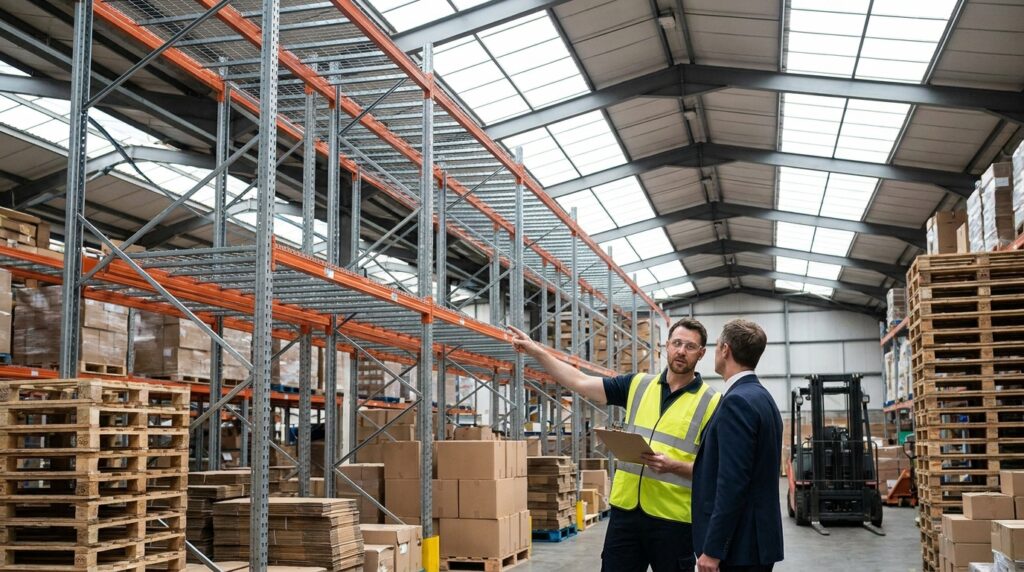
The backbone of efficient warehousing and manufacturing operations, pallet racking systems are indispensable for optimizing storage space, improving inventory management, and enhancing operational flow. For businesses across Michigan and beyond, understanding the investment involved in these critical infrastructure components is paramount. At Fredon Handling, with our deep roots in Michigan since 1975, we’ve witnessed firsthand the evolution of material handling and have consistently provided expert guidance on selecting and implementing the right racking solutions. This comprehensive guide aims to demystify the question of “how much does pallet racking cost?” by exploring the myriad factors that influence pricing, offering practical insights for warehouse managers, manufacturers, engineers, and facility operators.
Understanding the Core Components and Their Cost Drivers
The price of a pallet racking system isn’t a single, fixed number; it’s a dynamic equation influenced by several key variables. At its most fundamental, a pallet racking system comprises upright frames and horizontal beams. However, the specifications of these components, along with the type of racking system chosen, significantly impact the overall cost.
Upright Frames: The Vertical Foundation
Upright frames are the vertical supports of your racking system. Their cost is determined by several factors:
- Height: Taller frames require more steel and a more robust design to withstand the cumulative load. This translates to a higher per-frame cost. For instance, a 12-foot frame will generally be more expensive than an 8-foot frame of the same type and capacity.
- Depth: Deeper frames, designed to accommodate larger pallets or specific storage configurations, also use more material and can incur higher costs.
- Gauge and Steel Quality: The thickness (gauge) of the steel used in the uprights is critical for load capacity and durability. Thicker gauge steel is stronger and, consequently, more expensive. High-quality steel, often with protective coatings for corrosion resistance, will also command a higher price.
- Load Capacity: Frames are engineered to support specific weight capacities. Higher capacity frames require more substantial construction, thus increasing their cost. This is a crucial consideration for facilities storing heavy goods.
- Accessories: Features like base plates for stability, sway bracing for structural integrity, and specialized connectors can add to the per-frame cost.
Beams: The Horizontal Load Carriers
Beams connect the upright frames, creating the shelves that hold your pallets. Their cost is influenced by:
- Length: Longer beams are required for wider bays and will naturally cost more due to increased material usage. Standard lengths often range from 8 to 12 feet, with custom lengths available at a premium.
- Depth and Height: Similar to uprights, the dimensions of the beam influence the amount of steel used and thus the cost. Deeper beams can accommodate wider pallets or offer a larger surface area.
- Load Capacity: The weight capacity of the beams is a critical cost driver. Beams designed to hold heavier loads will be constructed with thicker steel and potentially different cross-sections, making them more expensive. Fredon Handling offers a range of beam capacities, from light-duty to heavy-duty, to match your specific needs.
- Connector Type: The way beams attach to the uprights can vary. More robust and secure connection systems, often featuring multiple hooks or locking mechanisms, may add a small incremental cost but significantly enhance safety and stability.
- Material and Finish: The type of steel and any protective coatings (e.g., powder coating for durability and aesthetics) will affect beam pricing.
If you’re considering investing in pallet racking systems, you might also find it helpful to read our article on the various factors that influence the cost of pallet racking installation. Understanding these elements can help you make a more informed decision about your warehouse needs. For more insights, check out our related article here.
The Impact of Racking System Type on Cost
Beyond the individual components, the overall design and type of pallet racking system selected are perhaps the most significant cost determinant. Each system is engineered for specific storage densities, accessibility requirements, and material handling equipment.
Selective Pallet Racking: The Most Common Choice
Selective pallet racking is the most widely used system due to its versatility and direct access to every pallet.
- Features: It offers 100% selectivity, meaning any pallet can be accessed without moving others. This makes it ideal for operations with a high volume of SKUs or where frequent product rotation is necessary.
- Cost Factors: The cost of selective racking is generally lower than more dense storage systems. However, it is also the least space-efficient.
- Pricing Nuances: A standard selective pallet rack system, including uprights, beams, and wire decking or solid shelves, can range from $0.50 to $2.00 per square foot of storage space, though this is a very broad estimate. The actual cost depends heavily on the factors mentioned previously (height, depth, capacity, etc.) and the total volume of the order. Larger projects often benefit from economies of scale, potentially lowering the per-square-foot cost.
- Example: A 10,000 sq ft warehouse requiring 20 ft high selective racking with a capacity of 2,000 lbs per pallet could see costs in the range of $5,000 to $20,000, excluding installation. This figure will vary greatly based on the specific product and supplier.
Drive-In and Drive-Thru Racking: Maximizing Density
These systems are designed for high-density storage where accessibility is less critical.
- Features: Pallets are stored on continuous rails, and forklifts drive into the rack structure to place or retrieve loads. Drive-in racks are single-ended, while drive-thru racks have access from both sides. They are excellent for facilities with a limited number of SKUs and high volumes of the same product.
- Cost Factors: Drive-in systems typically have a lower cost per pallet position than selective racking due to fewer aisles. However, the upfront investment in the specialized rail system and the structural requirements for the racking can be higher.
- Pricing Nuances: While the per-square-foot cost might seem lower for the storage area itself, the overall project cost can be higher due to the complexity of the system. It’s more accurate to consider the cost per pallet position.
- Example: A drive-in rack system for a cold storage facility storing 1,000 pallets might have a higher initial cost than an equivalent selective rack setup due to the need for heavier-duty construction and specialized rails, but it will offer significantly more storage within the same footprint.
Pallet Flow Racking (Dynamic Storage): Automation and FIFO
Pallet flow racking utilizes gravity to move pallets from an infeed lane to an outfeed lane.
- Features: This system is ideal for First-In, First-Out (FIFO) inventory management and is often used in high-volume distribution centers for food, beverages, and pharmaceuticals.
- Cost Factors: The cost is significantly higher per linear foot or bay than static racking due to the integrated roller tracks, lane guides, and braking systems.
- Pricing Nuances: The complexity of the gravity system, the type of rollers, and the pitch of the lanes will influence the cost. This is a premium solution for specific operational needs.
- Example: Implementing a pallet flow lane for 50 pallets might cost more upfront than a similar capacity in selective racking, but it can reduce labor costs associated with order picking and ensure product freshness through FIFO.
Push-Back Racking: Storing Multiple Pallets Deep
Push-back racking allows for multi-pallet deep storage (typically 2 to 5 pallets) on each lane, with each pallet being pushed back by the one behind it.
- Features: It offers better density than selective racking while still providing some level of selectivity (last-in, first-out).
- Cost Factors: The cost is higher than selective racking due to the specialized carts and internal components that allow pallets to move.
- Pricing Nuances: The number of pallets deep in each lane and the weight capacity of the pallets will determine the complexity and cost of the push-back mechanism.
- Example: A 4-deep push-back system will be more expensive per bay than a 2-deep system due to the heavier-duty carts and structural requirements.
Pallet Shuttle Systems: Semi-Automated High Density
Pallet shuttle systems use a powered shuttle that moves within the racking lanes to transport pallets.
- Features: This semi-automated solution offers very high-density storage and is a step up from drive-in racking in terms of automation and operational efficiency.
- Cost Factors: The significant cost here is the automated shuttles themselves, in addition to the specialized racking structure.
- Pricing Nuances: The number of shuttles required, the speed and features of the shuttles, and the complexity of the racking system will all contribute to the overall investment.
- Example: Investing in a pallet shuttle system can provide substantial savings in labor and operational time, justifying the higher upfront capital expenditure for high-volume operations.
Additional Cost Considerations Beyond Basic Components
The price of your pallet racking system extends beyond just the uprights and beams. Several other crucial factors contribute to the final investment.
Installation Services: Professional Expertise for Safety and Efficiency
While it might seem tempting to save money by installing the racking yourself, professional installation is highly recommended, especially for larger or more complex systems.
- Benefits: Experienced installers ensure the system is erected safely, according to manufacturer specifications, and in compliance with local building codes and industry standards. This minimizes the risk of accidents, structural failure, and potential damage to your inventory or facility.
- Cost Factors: Installation costs typically depend on the size and complexity of the project, the type of racking system, the height of the installation, and the geographical location. Hourly rates or a fixed project fee are common pricing models.
- Example: Installing a basic selective pallet rack system in a small warehouse might be a few thousand dollars, while a large, multi-level system in a high-bay warehouse could involve tens of thousands of dollars for professional installation. Fredon Handling works with trusted installation partners to ensure your system is set up correctly and efficiently.
Design and Engineering: Optimizing Your Space
A well-designed racking system is crucial for maximizing storage density, operational efficiency, and safety.
- Benefits: Professional design considers your facility layout, inventory profiles, material handling equipment, and future growth plans. This leads to a system that is not only cost-effective in the long run but also supports your operational goals.
- Cost Factors: Design services can be charged as a separate fee or may be included in the overall project cost by the supplier. The complexity of the design, the need for structural engineering reports, and AutoCAD drawings will influence the cost.
- Example: Engaging a material handling specialist to design your racking layout can prevent costly mistakes, such as creating inefficient aisles or bays that don’t accommodate your product size, ultimately saving you money over the lifespan of the system.
Permitting and Building Codes: Compliance is Key
Depending on your location and the scope of the racking installation, you may need to obtain building permits and ensure compliance with local and national building codes.
- Cost Factors: Permit fees vary significantly by municipality. Compliance with certain codes might necessitate specific types of anchoring, seismic bracing, or fire suppression systems, which add to the overall material and installation costs.
- Example: A seismic zone in Michigan might require more robust anchoring and bracing for your pallet racking than a less seismically active area, impacting the total cost of the system. Fredon Handling can advise on potential compliance requirements.
Ancillary Equipment and Accessories: Enhancing Functionality and Safety
Various accessories can enhance the functionality, safety, and efficiency of your pallet racking system.
- Examples:
- Wire Decking or Solid Shelving: Used to create solid surfaces for storing items that cannot rest directly on beams or for smaller items. Wire decking is typically less expensive than solid metal shelving.
- Column Protectors: Essential for protecting uprights from forklift impacts, preventing damage and costly repairs.
- Row Spacers: Used to create consistent spacing between rows of racking for clearance.
- Anchoring Hardware: Critical for securing the racking to the floor, ensuring stability and safety.
- Specialty Racking Components: Such as waterfall beam connectors, carton flow channels, or specialized shelving for specific product types.
- Cost Factors: Each accessory adds to the overall cost. The type, material, and quantity of these items will impact the budget.
Calculating Your Pallet Racking Investment: A Practical Approach
To accurately estimate the cost of your pallet racking project, follow these steps:
- Determine Your Storage Needs:
- Total Square Footage: How much floor space do you need to dedicate to storage?
- Vertical Space: What is the maximum height you can utilize (considering ceiling height and sprinkler systems)?
- Pallet Dimensions and Weight: What are the typical dimensions (length, width, height) and maximum weight of the pallets you will be storing?
- Number of SKUs and Inventory Turnover: This will help determine the required selectivity and system type.
- Choose the Right Racking System: Based on your storage needs, select the most appropriate racking type (selective, drive-in, pallet flow, push-back, etc.).
- Obtain Detailed Quotes: Contact reputable suppliers like Fredon Handling and provide them with your specific requirements. Request detailed quotes that break down the costs of:
- Upright frames (quantity, height, depth, capacity)
- Beams (quantity, length, capacity)
- Decking or shelving (type, material, quantity)
- Any required accessories (column protectors, anchors, etc.)
- Installation services
- Design and engineering fees (if applicable)
- Compare Apples to Apples: Ensure that quotes are for comparable specifications and materials. Don’t be swayed solely by the lowest price; consider the quality, warranty, and reputation of the supplier.
- Factor in Long-Term Value: Remember that the cheapest option upfront might not be the most cost-effective in the long run. Durable, high-quality racking systems require less maintenance, last longer, and contribute to a safer, more efficient operation.
Approximate Cost Ranges (Illustrative – Actual prices vary significantly)
While providing exact figures is impossible without specific project details, here are some very general approximate cost ranges per pallet position for different racking types. These are for the racking material only and exclude installation, design, and other ancillary costs.
| Racking System Type | Approximate Cost Per Pallet Position (Material Only) | Notes |
| :– | :- | :- |
| Selective Pallet Racking | $30 – $150+ | Highly variable based on height, capacity, and quantity. Most common, but least dense. |
| Drive-In/Drive-Thru | $75 – $250+ | Higher upfront cost due to rails and structure, but offers high density. Cost per position decreases with more deep lanes. |
| Pallet Flow Racking | $150 – $500+ | Significant cost increase due to gravity rollers, lane guides, and braking systems. Ideal for FIFO and automation. |
| Push-Back Racking | $100 – $300+ | Increased cost due to specialized carts and internal mechanisms. Density improves with more pallets deep. |
| Pallet Shuttle Systems | $500 – $1500+ (racking) + Shuttle cost | The shuttle itself is a major expense. The racking structure is specialized. High automation and density. |
Important Disclaimer: These are rough estimates for illustrative purposes only. Actual pricing will depend on numerous factors, including manufacturer, specific product line, steel gauge, current market conditions for steel, and the volume of your order. Always obtain a formal quote for your specific project.
When considering the costs associated with pallet racking, it’s also important to understand the broader context of material handling systems. For a deeper insight into how these systems work and their significance in optimizing warehouse operations, you can explore this informative article on material handling. This resource provides valuable information that complements your understanding of pallet racking costs and helps you make informed decisions for your storage needs.
The Fredon Handling Advantage: Expertise and Value Since 1975
For over four decades, Fredon Handling has been a trusted partner for Michigan businesses seeking reliable and cost-effective material handling solutions. We understand that investing in pallet racking is a significant decision, and our team is dedicated to helping you navigate the complexities of pricing and selection.
When you partner with Fredon Handling, you benefit from:
- Decades of Experience: Our long history in the industry means we’ve seen it all and can offer insights and solutions tailored to your unique operational challenges.
- Comprehensive Product Range: We offer a wide array of racking systems and accessories from leading manufacturers, ensuring you find the perfect fit for your needs and budget.
- Expert Consultation: Our knowledgeable sales engineers work closely with you to assess your requirements, design optimal layouts, and provide accurate, competitive quotes.
- Focus on Safety and Compliance: We prioritize safety in all our recommendations and ensure that the systems we supply meet or exceed industry standards.
- Local Michigan Presence: As a Michigan-based company, we understand the regional business landscape and are committed to supporting local industries.
Frequently Asked Questions About Pallet Racking Costs
Q1: What is the most expensive type of pallet racking?
Generally, highly automated or specialized systems like pallet shuttle systems tend to have the highest upfront cost due to the inclusion of powered shuttles and complex racking structures. Pallet flow racking also represents a significant investment due to its integrated gravity components.
Q2: How much does installation typically cost for pallet racking?
Installation costs can range from a few hundred dollars for very small, simple installations to tens of thousands of dollars for large, multi-level, or complex systems. Factors influencing cost include the system type, height, number of bays, geographical location, and the prevailing labor rates. It’s crucial to get a detailed quote from your supplier.
Q3: Is it cheaper to buy new or used pallet racking?
Used pallet racking can offer significant upfront savings, sometimes up to 50% less than new. However, it’s essential to carefully inspect used racking for damage, wear, and outdated specifications. New racking comes with warranties, the latest safety features, and is designed to meet current load requirements and regulations, often providing better long-term value and peace of mind. Fredon Handling can discuss the pros and cons of both new and used options for your specific application.
Q4: How can I reduce the cost of my pallet racking system?
Several strategies can help reduce costs:
- Optimize your layout: Efficient design minimizes wasted space and material.
- Choose the right system: Don’t over-engineer. Select the system that meets your needs without unnecessary features.
- Consider economies of scale: Larger projects may offer better per-unit pricing.
- Explore financing options: Spread the cost over time.
- Prioritize essential features: Focus on the critical load capacities and safety aspects, and re-evaluate less essential accessories.
Q5: What is included in a typical pallet racking quote?
A comprehensive quote should detail the type and quantity of upright frames, beams, decking or shelving, any necessary accessories (anchors, column protectors, etc.), and a breakdown of installation costs if that service is provided. It should also specify load capacities and any warranties offered.
Invest Wisely in Your Storage Infrastructure
Understanding the cost of pallet racking is an investment in the efficiency, safety, and productivity of your entire operation. By carefully considering the factors outlined in this guide, from the fundamental components and system types to installation and ancillary costs, you can make an informed decision.
At Fredon Handling, we are committed to providing Michigan manufacturers, warehouse managers, engineers, and facility operators with the expertise and solutions needed to optimize their material handling operations. We invite you to leverage our decades of experience to find the most cost-effective and efficient pallet racking solution for your business.
Don’t let uncertainty about costs hold back your operational improvements. Contact Fredon Handling today to request a detailed quote or schedule a consultation. Let us help you build a stronger, more organized, and more profitable future.