
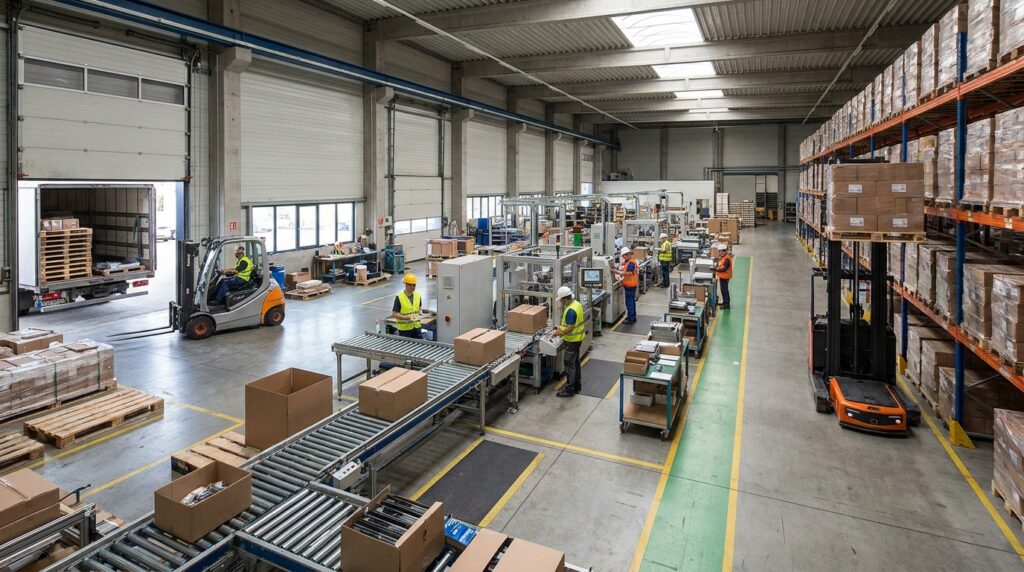
Material flow in manufacturing and warehousing represents one of the most critical operational factors determining productivity, cost efficiency, and competitive advantage in industrial facilities. When goods, raw materials, and components move seamlessly from receiving docks to production lines to shipping areas, organizations experience reduced labor costs, faster order fulfillment, and improved workplace safety. Conversely, poor material flow creates bottlenecks, increases handling damage, wastes valuable floor space, and drives up operational expenses.
For facility managers, operations directors, and supply chain professionals, understanding and optimizing material flow is not optional—it is fundamental to running a profitable operation. This comprehensive guide examines the principles, strategies, equipment considerations, and best practices that enable efficient material flow in manufacturing and warehousing environments.
Understanding Material Flow Fundamentals in Industrial Operations
Material flow refers to the physical movement of raw materials, work-in-progress inventory, finished goods, and associated information through a facility or supply chain. In manufacturing environments, this encompasses everything from incoming component deliveries through production processes to outbound shipment of completed products. In warehousing operations, material flow covers receiving, putaway, storage, picking, packing, and shipping activities.
Effective material flow minimizes the distance materials travel, reduces handling frequency, eliminates unnecessary storage, and ensures items reach their destination at the right time and in the right condition. The concept extends beyond simple transportation—it includes the planning, coordination, and control systems that govern when and how materials move.
Key Components of Material Flow Systems
Every material flow system comprises several interconnected elements that must work together harmoniously. These include:
Physical infrastructure encompasses the building layout, aisle configurations, dock positions, and designated zones for different activities. The physical environment either facilitates or impedes movement depending on how thoughtfully it was designed.
Material handling equipment includes forklifts, conveyors, pallet jacks, automated guided vehicles, cranes, and storage systems that physically transport and position materials. Equipment selection directly impacts throughput capacity and operational flexibility.
Inventory management systems track material locations, quantities, and status throughout the facility. These systems—whether warehouse management systems (WMS) or enterprise resource planning (ERP) platforms—provide the information layer that directs physical movement.
Human resources involve the trained personnel who operate equipment, make decisions, and perform tasks that cannot be automated. Even highly automated facilities require skilled workers for supervision, maintenance, and exception handling.
Processes and procedures define the standardized methods for performing material handling tasks consistently and safely. Well-documented processes reduce errors and training time while improving accountability.
Types of Material Flow Patterns
Facility planners typically work with several recognized flow patterns, each suited to different operational requirements:
Linear or straight-line flow moves materials in a single direction from receiving to shipping, often on opposite ends of the facility. This pattern minimizes backtracking and cross-traffic but requires sufficient building length.
U-shaped flow positions receiving and shipping docks on the same side of the building, with materials flowing through the facility in a U pattern. This approach consolidates dock management, reduces exterior door requirements, and can improve equipment utilization.
L-shaped flow accommodates facilities with loading docks on adjacent walls, creating a perpendicular flow pattern through the operation.
Circular or loop flow supports continuous manufacturing processes where materials cycle through workstations before returning to a starting point or moving to the next production phase.
The optimal pattern depends on building configuration, throughput volume, product characteristics, and whether operations are batch-oriented or continuous-flow.
In the realm of Material Flow in Manufacturing and Warehousing, understanding the types of material handling equipment is crucial for optimizing efficiency and productivity. A related article that delves into this topic is available at Types of Material Handling Equipment: Essential Tools for Efficiency. This resource provides valuable insights into various equipment options and their roles in enhancing material flow processes within industrial settings.
Analyzing and Measuring Material Flow Performance
Before improving material flow in manufacturing and warehousing facilities, operations teams must first understand current performance through systematic analysis and measurement. Data-driven assessment reveals bottlenecks, inefficiencies, and improvement opportunities that might otherwise remain hidden.
Essential Material Flow Metrics
Tracking the right key performance indicators (KPIs) provides visibility into flow efficiency:
Throughput measures the volume of materials processed through the facility or specific work areas within a given timeframe. Declining throughput often indicates emerging constraints or process degradation.
Cycle time tracks how long materials spend moving between specific points in the operation. Extended cycle times suggest delays, congestion, or inefficient routing.
Travel distance quantifies the total distance materials move from receipt to shipment. Excessive travel distance wastes time, labor, and equipment hours while increasing handling damage risk.
Dock-to-stock time measures how quickly received materials become available for use or sale. Long dock-to-stock times tie up capital and may indicate receiving department constraints.
Order fulfillment time tracks the duration from order receipt to shipment readiness. This customer-facing metric directly impacts service levels and competitive positioning.
Inventory accuracy assesses how well system records match physical counts. Poor accuracy causes delays when expected materials cannot be located and leads to expediting costs.
Flow Analysis Techniques
Several proven methods help identify material flow problems and improvement opportunities:
Spaghetti diagrams trace actual material movement paths through the facility on a scale floor plan. The resulting visualization clearly shows unnecessary travel, backtracking, and congestion points.
Process flow mapping documents each step materials undergo, including transportation, inspection, storage, delays, and value-adding operations. This technique distinguishes productive activities from waste.
Time studies measure how long specific tasks actually take versus how long they should take under optimal conditions. Gaps reveal training needs, equipment limitations, or process inefficiencies.
Simulation modeling uses software to virtually test layout changes, equipment additions, or process modifications before committing resources to physical changes.
Equipment and Technology Solutions for Optimized Material Flow
Selecting appropriate material handling equipment and technology directly influences how efficiently materials flow through manufacturing and warehouse facilities. The right solutions accelerate movement, reduce labor requirements, improve accuracy, and enhance safety.
Conveyors and Sortation Systems
Conveyors provide continuous, predictable material movement without requiring constant operator involvement. Belt conveyors handle a wide range of products, while roller conveyors suit cartons and cases. Accumulation conveyors allow products to queue without pressure damage. Sortation systems automatically divert items to designated lanes based on destination, priority, or other criteria.
Conveyor investment makes sense when volume justifies the capital expenditure, flow paths are predictable, and products have suitable characteristics (size, weight, packaging). High-volume distribution centers and manufacturing facilities with repetitive material movements benefit most from conveyor automation.
Lift Trucks and Industrial Vehicles
Forklifts, pallet jacks, and other industrial trucks provide flexible material handling for operations where flows are variable or volumes don’t support fixed automation. Counterbalance forklifts handle diverse load types and work in multiple facility areas. Reach trucks maximize vertical storage in narrow-aisle racking. Order pickers elevate operators for efficient piece-level fulfillment.
Proper truck selection involves matching vehicle capacity, lift height, power source, and maneuverability to application requirements. Facilities often maintain mixed fleets addressing different operational needs.
Automated Guided Vehicles and Mobile Robots
Automated guided vehicles (AGVs) and autonomous mobile robots (AMRs) provide flexible automation for material transport. Unlike conveyors, these systems can accommodate changing flow paths without infrastructure modifications. Modern navigation technologies enable deployment without buried wires or extensive facility modifications.
These solutions work well for repetitive transport tasks across long distances, where they free human workers for higher-value activities.
Warehouse Management Systems
Software systems orchestrate material flow by directing put-away locations, optimizing pick paths, managing replenishment, and coordinating labor. Advanced WMS platforms use algorithms to position fast-moving inventory for accessibility, batch orders for efficient picking, and balance workloads across zones and shifts.
Integration with equipment systems enables real-time visibility and control. Bar code scanning, RFID, voice direction, and pick-to-light technologies connect physical material movement with information systems.
Best Practices for Improving Material Flow Efficiency
Implementing proven strategies helps organizations systematically improve material flow in manufacturing and warehousing operations without necessarily requiring major capital investment.
Layout and Space Optimization
Arranging facility space to support material flow requires ongoing attention as operations evolve:
- Position high-velocity items nearest to shipping areas and along efficient travel paths
- Locate related product categories together to minimize picker travel
- Size aisles appropriately—wide enough for safe equipment operation but not so wide they waste space
- Designate staging areas for receiving, quality inspection, and shipment consolidation
- Maintain clear separation between pedestrian and vehicle traffic
- Ensure adequate dock capacity to prevent trailer queuing and detention charges
Slotting and Storage Strategy
How and where materials are stored significantly impacts picking efficiency and overall flow:
- Implement ABC analysis to identify and prioritize high-activity items
- Match storage media to product characteristics and access requirements
- Slot products to minimize reaching, bending, and travel during order picking
- Review and adjust slotting periodically as demand patterns change
- Consider forward pick areas with reserve storage for fast-moving items
Process Standardization and Training
Consistent execution depends on documented procedures and trained personnel:
- Develop standard operating procedures for all material handling tasks
- Train workers thoroughly and verify competency before independent work
- Post visual work instructions where tasks are performed
- Conduct regular refresher training and safety awareness sessions
- Engage frontline workers in continuous improvement efforts—they often identify practical solutions
Cross-Docking Opportunities
Cross-docking moves incoming materials directly to outbound shipments with minimal or no storage, dramatically reducing handling and accelerating flow. While not suitable for all products or operations, cross-docking can significantly reduce costs and cycle times for appropriate applications.
Candidates for cross-docking include pre-allocated inventory, transfer shipments between facilities, and products with predictable demand patterns that allow synchronization of inbound and outbound movements.
In the realm of manufacturing and warehousing, understanding the intricacies of material flow is essential for optimizing operations and enhancing efficiency. A comprehensive overview of material handling can provide valuable insights into effective strategies for managing the movement of goods. For those interested in exploring this topic further, you can read an informative article on material handling that delves into various techniques and best practices. To learn more, visit this article which offers a wealth of knowledge on the subject.
Safety and Compliance Considerations in Material Handling
Material flow optimization must never compromise worker safety or regulatory compliance. Industrial facilities face significant risks from moving vehicles, elevated loads, falling objects, and repetitive motion injuries.
Regulatory Framework
Multiple regulatory bodies and standards organizations address material handling safety. OSHA regulations establish baseline requirements for powered industrial trucks, walking-working surfaces, hazard communication, and general industry safety. ANSI standards provide detailed specifications for equipment design, operation, and maintenance. ASME standards address lifting equipment and pressure systems.
Compliance requirements vary based on specific equipment types, materials handled, and facility characteristics. Organizations should verify current requirements with applicable regulatory bodies, standards organizations, equipment manufacturers, and qualified safety professionals rather than relying solely on general guidance.
Safety Best Practices
Beyond regulatory compliance, leading organizations implement additional safety measures:
- Conduct regular facility safety audits and promptly address findings
- Investigate near-misses as thoroughly as actual incidents
- Maintain equipment according to manufacturer recommendations
- Enforce traffic control measures including speed limits, right-of-way rules, and designated pedestrian areas
- Provide appropriate personal protective equipment and enforce usage
- Design workstations to minimize ergonomic risk factors
Partnering with Material Handling Experts
Optimizing material flow in manufacturing and warehousing environments requires expertise spanning equipment selection, system design, layout planning, and implementation management. Most organizations benefit from working with experienced material handling partners who can assess current operations, recommend appropriate solutions, and support implementation.
Fredon Handling helps industrial, warehouse, and manufacturing facilities evaluate material flow challenges and implement practical improvements. Whether your operation needs equipment upgrades, layout reconfiguration, or comprehensive system design, consulting with material handling specialists can accelerate results while avoiding costly mistakes.
Effective material flow is not a one-time achievement but an ongoing discipline requiring continuous attention as products, volumes, and business requirements evolve. Organizations that commit to understanding, measuring, and improving material flow gain lasting competitive advantages through lower costs, faster service, and more productive operations.
Frequently Asked Questions About Material Flow
What is the difference between material flow and material handling?
Material flow refers to the overall movement pattern and strategy for materials through a facility, while material handling describes the specific equipment, processes, and labor used to execute that movement. Flow is the strategic concept; handling is the tactical execution.
How do I identify bottlenecks in material flow?
Look for areas where inventory accumulates, where workers or equipment wait, where throughput declines, or where cycle times extend beyond standards. Spaghetti diagrams, process observation, and data analysis help pinpoint constraints.
What is the ideal material flow pattern?
No single pattern suits all operations. The best pattern depends on building configuration, product characteristics, volume, and operational requirements. Linear flow works well for high-volume operations with space for dedicated receiving and shipping areas, while U-flow suits facilities needing consolidated dock management.
How often should material flow be reassessed?
Review material flow whenever significant changes occur—new products, volume shifts, layout modifications, or equipment additions. Even without changes, annual assessment helps identify gradual drift from optimal performance.
What role does technology play in material flow optimization?
Technology enables real-time visibility, data-driven decision making, automated execution, and continuous improvement. However, technology supplements rather than replaces sound layout design, appropriate equipment, and trained personnel.