
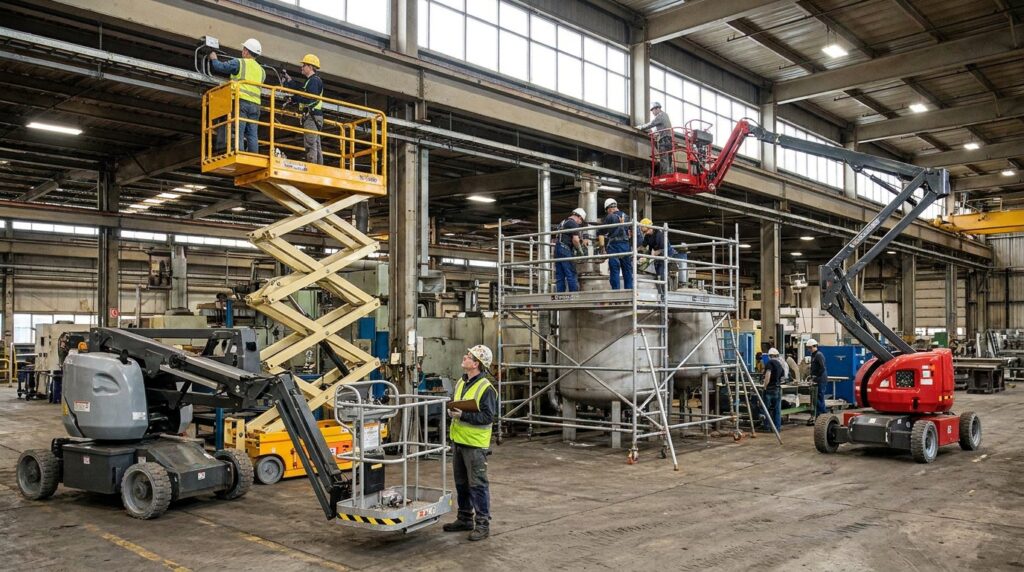
Understanding Industrial Work Platforms for Enhanced Operations
Industrial work platforms, encompassing a range of solutions like industrial mezzanines, structural steel platforms, and equipment platforms, are fundamental to optimizing operational efficiency and safety within warehouses, manufacturing facilities, and distribution centers. These elevated structures are not merely additions to existing space; they represent strategic investments in maximizing cubic footage, improving workflow, and creating dedicated zones for specific tasks. From facilitating vertical storage to providing safe access to machinery, the applications of industrial work platforms are diverse and impactful. This article delves into the various types of industrial work platforms, their applications, the benefits they offer, and the critical considerations for selecting the right solution for your facility.
In addition to exploring the various types, uses, and selection criteria for industrial work platforms, it is essential to understand the broader context of material handling in industrial settings. A related article that delves into this topic is available at What is Material Handling: Understanding Its Importance and Methods. This article provides valuable insights into the significance of efficient material handling systems and their impact on overall operational efficiency, complementing the information on industrial work platforms.
Types and Applications of Industrial Work Platforms
Industrial work platforms are not a one-size-fits-all solution. Their design and construction are tailored to specific operational needs and spatial constraints. Understanding the different types and their typical applications is the first step towards intelligent facility planning.
Industrial Mezzanines: Maximizing Vertical Warehouse Space
Industrial mezzanines are perhaps the most widely recognized form of elevated platform. They are essentially freestanding structures installed within a building, creating additional floor space without the need for significant structural modifications to the existing building. This makes them an exceptionally cost-effective way to expand operational capacity.
Applications of Industrial Mezzanines
- Increased Storage Capacity: Mezzanines are commonly used to create elevated storage areas for pallet racking, shelving, or bulk goods. This effectively doubles or triples the usable storage space within a given footprint. For example, a 50,000 sq ft warehouse can gain an additional 25,000 sq ft of storage by installing a mezzanine.
- Production or Assembly Areas: Dedicated assembly lines, quality control stations, or manufacturing processes can be moved to a mezzanine, freeing up valuable ground-level space for receiving, shipping, or heavy machinery.
- Office or Breakroom Space: Elevated offices or breakrooms can be constructed on mezzanines, providing a quieter, less disruptive environment for administrative staff or employees, while also reclaiming ground-level floor space.
- Command Centers and Observation Decks: In large-scale operations, mezzanines can serve as vantage points for supervisors to monitor activities across the warehouse floor or as central command centers.
Structural Steel Platforms: Robust and Versatile Elevated Spaces
Structural steel platforms are engineered to support significant loads and are often integrated with a facility’s existing structure, though freestanding options are also common. They offer a high degree of customization and can be designed to accommodate complex layouts and specific operational requirements.
Applications of Structural Steel Platforms
- Heavy-Duty Storage and Work Areas: When high load capacities are required, structural steel platforms are the preferred choice. This includes supporting heavy machinery, large inventory loads, or specialized manufacturing equipment.
- Multi-Level Operations: Complex operations requiring multiple interconnected levels for different functions, such as staging, processing, and finishing, can be effectively managed with multi-tier structural steel platforms.
- Integration with Existing Infrastructure: These platforms can be designed to seamlessly integrate with existing conveyor systems, automated storage and retrieval systems (AS/RS), or other material handling equipment.
- Walkways and Access Platforms: Providing safe and efficient access to elevated equipment, maintenance points, or machinery is a critical application.
Equipment Platforms: Dedicated Support for Machinery
Equipment platforms are specifically designed to support and provide access to industrial machinery. They are engineered to withstand the vibrations, operational stresses, and weight of the equipment they support, while also ensuring safe working conditions for operators and maintenance personnel.
Applications of Equipment Platforms
- Machine Tending and Operation: Platforms can elevate operators to the ideal working height for tending to machines, loading materials, or performing quality checks.
- Maintenance and Servicing: Providing safe and stable access for routine maintenance, repairs, or adjustments to machinery.
- Noise and Vibration Isolation: In some cases, equipment platforms can be designed to help mitigate noise and vibration transmission to other parts of the facility.
- Process Flow Optimization: Positioning equipment at optimal heights can improve material flow and reduce manual lifting or handling.
Catwalks: Safe Passage in Elevated Environments
Catwalks are elevated walkways designed for pedestrian access in industrial settings. They are crucial for navigating complex, multi-level facilities, accessing equipment, or moving between different operational zones without interfering with ground-level activities.
Applications of Catwalks
- Access to High-Level Storage: Providing safe passage to the upper levels of racking systems or storage areas.
- Maintenance Access to Equipment: Allowing personnel to reach and service machinery or systems located at height.
- Interconnecting Work Areas: Creating secure pathways between different departments or work zones on different levels.
- Safety Barriers: In some configurations, catwalks can also serve as safety barriers around elevated equipment or hazardous areas.
Vertical Storage Solutions: Leveraging Cubic Space
While not always a distinct “platform” in the traditional sense, vertical storage solutions like high-density shelving and racking systems, when combined with mezzanines or multi-level structures, represent a critical aspect of warehouse space optimization. These systems are designed to maximize the use of vertical space.
Applications of Vertical Storage
- Optimized Inventory Management: Storing more inventory within a smaller footprint, reducing the need for extensive floor space.
- Streamlined Order Picking: Organized vertical storage can improve picking efficiency and accuracy.
- Adaptable Storage Configurations: Systems can be configured for various product types and sizes, from small parts to bulk items.
Benefits of Industrial Work Platforms
Implementing industrial work platforms offers a multitude of advantages that can significantly impact a facility’s productivity, safety, and profitability.
Enhanced Space Utilization
The most immediate and significant benefit is the drastic increase in usable floor space. By building upwards, facilities can:
- Expand Storage Capacity: As mentioned, this can lead to a doubling or tripling of storage space without increasing the building’s footprint. This is particularly valuable in urban or established industrial areas where expanding outwards is cost-prohibitive or impossible.
- Create New Work Zones: Dedicate areas for specific tasks like kitting, assembly, quality control, or light manufacturing, thereby improving workflow and reducing congestion on the main floor.
- Reclaim Ground-Level Space: Move less foot-traffic dependent operations (e.g., offices, breakrooms) to an elevated level, freeing up prime ground-level space for high-volume receiving, shipping, or heavy machinery.
Improved Operational Efficiency and Workflow
Well-designed work platforms contribute directly to smoother operations:
- Streamlined Material Flow: Dedicated pathways and zones created by platforms can optimize the movement of goods and personnel, reducing travel time and bottlenecks.
- Reduced Congestion: By separating different operational activities (e.g., picking on a mezzanine, receiving on the ground floor), congestion and the risk of accidents are minimized.
- Better Organization: Elevated storage and workstations encourage better inventory management and a more organized working environment.
- Faster Throughput: Efficient workflow and dedicated zones can lead to quicker order fulfillment and increased overall throughput.
Increased Safety and Reduced Risk
Safety is paramount in any industrial setting, and work platforms, when designed and implemented correctly, significantly enhance it:
- Dedicated Safe Access: Platforms provide secure, level surfaces for walking, working, and operating equipment, reducing the risk of slips, trips, and falls associated with makeshift solutions.
- Separation of Activities: Isolating different operational areas can prevent cross-traffic between forklifts and personnel, or between high-activity zones and quieter work areas.
- Ergonomic Improvements: Platforms can be designed to place operators at optimal working heights, reducing strain and the risk of musculoskeletal injuries.
- Guardrails and Safety Features: Integral guardrails, handrails, and appropriate flooring materials contribute to a safer working environment.
Cost-Effectiveness and Return on Investment (ROI)
While an initial investment, industrial work platforms offer significant long-term financial benefits:
- Avoidance of Relocation Costs: Expanding vertically is often far less expensive than leasing or building a new facility.
- Increased Throughput and Revenue: Improved efficiency and increased capacity can directly translate to higher sales and revenue.
- Reduced Inventory Damage: Better organization and dedicated storage can minimize damage to goods.
- Extended Equipment Lifespan: Properly supported and accessible equipment is less prone to damage and wear.
Design and Selection Considerations
Choosing the right industrial work platform requires a thorough assessment of your facility’s needs, operational demands, and future growth projections. This involves collaboration between facility managers, engineers, and potentially external specialists.
Facility Assessment and Needs Analysis
Before any design work begins, a comprehensive assessment is crucial:
- Existing Space Limitations: Evaluate the available vertical clearance, column spacing, and overall building dimensions.
- Operational Requirements: Clearly define the purpose of the platform – storage, production, office space, etc. – and the specific tasks to be performed on it.
- Equipment to be Housed/Used: Identify any machinery or equipment that will be located on or accessed from the platform, along with their weight and operational needs.
- Material Flow and Workflow: Map out how materials and personnel will move within the proposed platform area and how it will integrate with existing operations.
- Future Growth Projections: Consider how your operations might evolve in the next 5-10 years and design for scalability.
Load Capacity and Structural Integrity
This is a critical technical consideration:
- Live Load vs. Dead Load: Differentiate between the weight of occupants, equipment, and stored materials (live load) and the weight of the platform structure itself (dead load).
- Point Loads and Uniform Loads: Understand how loads will be distributed. Some equipment may exert significant point loads, while stored goods might create uniform loads across the surface.
- Engineering Review: Always engage a qualified structural engineer to perform load calculations and ensure the platform’s design meets all relevant building codes and safety standards. This is not an area for guesswork.
Flooring and Decking Options
The choice of flooring impacts durability, safety, and functionality:
- Diamond Plate Steel: Offers excellent durability, slip resistance, and can withstand heavy traffic and impact. Often used in high-traffic or industrial areas.
- Open Decking (Bar Grating): Allows light and air to pass through, ideal for areas where visibility or ventilation is important. Also provides good slip resistance.
- Plywood or Composite Materials: Can be cost-effective for lighter-duty applications or where a smoother surface is desired, such as for offices or specific assembly areas. Often used in conjunction with steel framing.
- Concrete: For very heavy-duty applications, a concrete deck may be specified, though this typically requires a more robust steel substructure.
Access and Egress
Safe and efficient access is paramount:
- Stairs: Standard industrial staircases with appropriate tread depth, riser height, and handrails are essential. The number and placement of stairs will depend on the platform size and intended occupancy.
- Ladders: For less frequent access or specialized equipment access, industrial ladders may be used, but staircases are generally preferred for regular use and safety.
- Elevators or Lifts: For frequent movement of materials or personnel, especially on multi-tier mezzanines, freight elevators or personnel lifts might be considered.
- Safety Gates: Self-closing safety gates are crucial at all openings to prevent falls when the platform is not in use.
Equipment Integration
Seamless integration with existing systems is often required:
- Conveyor Pass-Throughs: Design openings and support structures to accommodate conveyor systems that pass through or onto the platform.
- Utility Access: Plan for the integration of electrical, data, and plumbing services if needed for machinery or workstations.
- Machinery Mounting: Ensure the platform can securely support the weight and vibrations of any machinery.
When considering the various types of industrial work platforms, it’s essential to understand their applications and how to select the right one for your needs. A related article that delves into the broader context of material handling can provide valuable insights into the importance of efficient equipment in industrial settings. You can explore this topic further in the article on material handling, which discusses the principles and practices that enhance productivity and safety in the workplace.
Safety, Compliance, and Maintenance
Adherence to safety regulations and ongoing maintenance are non-negotiable for industrial work platforms.
Regulatory Compliance
- Building Codes: All structures must comply with local, state, and national building codes, including seismic and fire safety regulations. Consult with your local building department and a licensed engineer for specific requirements.
- Occupational Safety and Health Administration (OSHA): OSHA provides guidelines for safe working platforms, including fall protection, guardrail requirements, and aisle widths.
- Fire Safety: Consider sprinkler system integration, fire-rated materials, and emergency egress routes as part of the design.
Safety Features and Best Practices
- Guardrails: Robust guardrails at a specified height are essential to prevent falls.
- Non-Slip Surfaces: Flooring materials should provide adequate traction to prevent slips, especially in areas prone to spills or dust.
- Adequate Lighting: Ensure sufficient lighting on the platform and access points for clear visibility.
- Clear Signage: Post appropriate signage for weight limits, emergency exits, and hazard warnings.
- Regular Inspections: Implement a schedule for regular visual inspections of the platform structure, decking, handrails, and stairs.
Maintenance and Longevity
Proper maintenance ensures the platform’s longevity and continued safety:
- Regular Cleaning: Keep the platform clean and free of debris that could pose a tripping hazard.
- Structural Inspections: Periodically have a structural engineer inspect the platform for any signs of wear, corrosion, or damage.
- Tightening Fasteners: Ensure all bolts and fasteners remain tight, as vibrations can loosen them over time.
- Repair Promptly: Address any identified issues, no matter how minor, immediately to prevent them from escalating.
When considering the best options for industrial work platforms, it’s essential to understand their various types and applications to ensure safety and efficiency in the workplace. For those looking to delve deeper into the topic, you might find it helpful to explore a related article that discusses expert advice on selecting the right equipment for your needs. You can access this insightful resource by visiting this link, which offers valuable information to guide your decision-making process.
Cost Factors and Selection Criteria
The cost of an industrial work platform is influenced by numerous factors, and the selection process should prioritize a holistic view of value and long-term benefits over initial price alone.
Key Cost Influencers
- Size and Height: Larger and taller platforms naturally require more materials and labor.
- Load Capacity: Higher load capacities necessitate stronger, more robust materials and engineering, increasing costs.
- Complexity of Design: Intricate layouts, multiple levels, or custom features will increase design and fabrication costs.
- Material Selection: The type of steel, decking, and finishing materials used will impact the overall price.
- Access Requirements: The number and type of stairs, ladders, or lifts will add to the cost.
- Integration Needs: The complexity of integrating with existing conveyor systems, utilities, or machinery.
- Installation Labor: The ease or difficulty of installation in your specific facility.
- Engineering and Permitting Fees: Professional engineering services and local permit acquisition are necessary expenses.
Criteria for Optimal Selection
When evaluating options and vendors, consider the following:
- Engineering Expertise and Customization Capabilities: Look for providers with a strong engineering team that can design tailored solutions to meet your unique needs.
- Proven Track Record and References: Seek out suppliers with a history of successful installations and positive client testimonials.
- Safety Focus: Prioritize providers who demonstrate a deep commitment to safety in their design and fabrication processes.
- Understanding of Your Operations: A provider who takes the time to understand your specific industry and operational challenges will be better equipped to offer the most suitable solutions.
- Long-Term Value: Consider the durability, maintenance requirements, and potential for future modifications when assessing the overall value proposition.
- Support and Service: Evaluate the vendor’s post-installation support, warranty, and responsiveness to inquiries.
Frequently Asked Questions About Industrial Work Platforms
Here are some common questions facility managers, engineers, and purchasing professionals often have regarding industrial work platforms:
How much can a typical industrial mezzanine support?
Load ratings vary significantly based on the design, materials, and engineering specifications. It is crucial to have a qualified engineer perform precise load calculations for your specific application. Load capacities are not generic and depend on factors like beam spans, column spacing, and the type of decking used.
What is the difference between a mezzanine and a structural steel platform?
While the terms are sometimes used interchangeably, a mezzanine is often a more specific type of elevated platform that creates an additional floor within an existing building. Structural steel platforms can be more broadly defined and may be integrated more deeply with the building’s structure or designed for heavier loads and more complex multi-level arrangements. Both utilize structural steel for their construction.
Can I install a work platform without impacting my current operations?
Minimizing disruption is a key consideration. Many platforms, especially modular mezzanines, can be fabricated off-site and then assembled on-site with relatively short installation times. However, some construction activities, such as column placement or floor reinforcement, may require temporary shutdowns of specific areas. Careful planning and scheduling with your chosen provider are essential.
What is the lifespan of an industrial work platform?
With proper design, installation, and regular maintenance, an industrial work platform can last for many decades. The lifespan is primarily determined by the quality of materials, the structural integrity, and the care it receives throughout its operational life.
Do I need permits for an industrial work platform?
In most cases, yes, you will likely need building permits. The specific requirements vary by municipality and the complexity of the structure. Always consult with your local building department early in the planning process. A qualified engineering firm will also be essential for preparing the necessary documentation for permit applications.
How can Fredon Handling help with my industrial work platform needs?
Fredon Handling specializes in providing comprehensive industrial material handling solutions, including expert consultation and design for industrial mezzanines and structural steel platforms. Our team can assist you in assessing your space, understanding your operational needs, and recommending the most effective solutions for warehouse space optimization, equipment platforms, catwalks, and vertical storage. We work closely with qualified engineers to ensure your project meets all safety and code requirements.
By leveraging the expertise of Fredon Handling, you can gain access to optimized warehouse layouts, improved operational efficiency, and enhanced safety through well-designed and expertly implemented industrial work platforms.
Ready to explore how industrial work platforms can transform your facility? Contact Fredon Handling today for a no-obligation consultation and let our experts help you unlock your operational potential.