
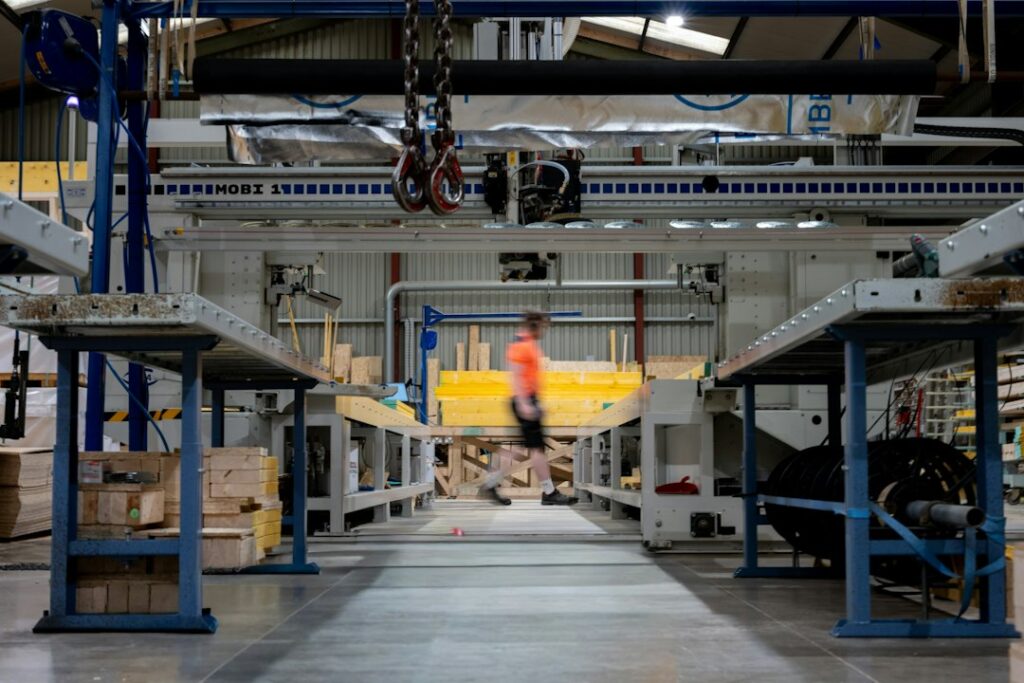
Material Positioning Equipment for Assembly Lines: Enhancing Productivity and Ergonomics
In the dynamic world of manufacturing and warehousing, efficiency and worker well-being are paramount. Assembly lines, the backbone of many production processes, rely heavily on seamless material flow and precise positioning. Introducing the right material positioning equipment for assembly lines can revolutionize operations, leading to significant gains in productivity, reduced worker strain, and improved product quality. Fredon Handling (fredonhandling.com) is a trusted supplier of industrial material handling solutions, offering a comprehensive range of equipment designed to optimize these critical workflows. This article delves into the world of material positioning equipment for assembly lines, exploring various types, their applications, benefits, and crucial selection criteria for warehouse managers, manufacturers, and facility operators.
For those interested in enhancing their assembly line efficiency, exploring the latest advancements in Material Positioning Equipment is essential. A related article that delves into the benefits and applications of such equipment can be found at this link: Fredon Handling. This resource provides valuable insights into how proper material positioning can streamline operations and improve productivity in manufacturing environments.
Understanding the Need for Effective Material Positioning
Assembly lines, by their nature, involve a series of sequential tasks performed on a product as it moves along a designated path. For these tasks to be executed efficiently and safely, materials must be presented to workers at the optimal height, orientation, and location. Traditional methods, often relying on manual lifting, awkward bending, and inefficient material transport, can lead to several challenges:
- Ergonomic Risks: Workers are subjected to repetitive strain injuries (RSIs), back problems, and other musculoskeletal disorders due to improper lifting techniques and prolonged awkward postures. This not only impacts employee health and morale but also leads to increased absenteeism and workers’ compensation claims.
- Reduced Productivity: Time spent searching for parts, repositioning materials, or waiting for them to arrive can significantly slow down the production process. Inefficient material presentation can also lead to errors and rework.
- Quality Control Issues: Inconsistent material positioning can result in missed steps, misaligned components, or damage to parts, ultimately affecting the final product quality.
- Space Constraints: Inefficient material staging can consume valuable floor space, hindering the smooth flow of goods and limiting potential for expansion or layout optimization.
This is where specialized material positioning equipment for assembly lines from Fredon Handling becomes indispensable. By automating and optimizing material handling, this equipment empowers businesses to overcome these challenges and achieve new levels of operational excellence.
Key Types of Material Positioning Equipment for Assembly Lines
Fredon Handling offers a diverse array of material positioning equipment for assembly lines, each designed to address specific operational needs. Understanding the function and application of each type is the first step in selecting the most suitable solution for your facility.
Hydraulic Lift Tables and Scissor Lifts: Versatile Elevation Solutions
Hydraulic lift tables and scissor lifts are fundamental pieces of material positioning equipment for assembly lines, providing the ability to raise and lower loads to ergonomically suitable working heights.
Hydraulic Lift Tables
These robust pieces of equipment utilize hydraulic cylinders to lift and lower a platform. They are ideal for a wide range of applications, from simple lifting tasks to complex assembly operations.
- How they work: A hydraulic power unit pumps fluid into cylinders, extending them and raising the platform. Lowering is controlled by releasing the fluid.
- Applications:
- Component Feeding: Presenting parts and sub-assemblies to workers at the correct height for assembly.
- Work-in-Progress (WIP) Transfer: Moving partially assembled products between workstations.
- Loading and Unloading: Facilitating the transfer of materials onto and off conveyor belts or other machinery.
- Machine Tending: Lifting and positioning materials for easy loading into production machinery.
- Benefits:
- Ergonomic Improvement: Eliminates the need for manual lifting and bending, significantly reducing strain on workers.
- Increased Efficiency: Reduces the time and effort required to move materials.
- Versatility: Available in various capacities, platform sizes, and configurations to suit diverse needs.
- Smooth Operation: Hydraulic systems provide controlled and stable lifting.
Fredon Handling offers a comprehensive selection of hydraulic lift tables to suit various industrial environments. You can explore our range and learn more about specific models by visiting our Hydraulic Lift Tables product page.
Scissor Lifts
Scissor lifts are a type of lift table that uses a series of linked, folding supports in a crisscross pattern, known as a pantograph. This design allows for significant vertical travel while maintaining a compact footprint.
- How they work: As the hydraulic cylinders extend, the scissor mechanism unfolds, raising the platform.
- Applications:
- High-Level Access: Reaching elevated areas for maintenance or assembly.
- Vertical Material Transport: Moving materials between different levels of a facility.
- Dock Leveling: Bridging gaps between loading docks and trailers.
- Mobile Work Platforms: Providing a stable elevated platform for tasks requiring mobility.
- Benefits:
- High Lifting Capacities: Capable of lifting heavy loads to substantial heights.
- Stability: The scissor design offers excellent stability, even at full extension.
- Compact Storage: Can be folded down to a low profile when not in use.
While often used for general lifting, scissor lifts can be integrated into assembly lines for specialized vertical transfer needs.
Pallet Positioners and Turntables: Optimizing Material Orientation and Access
For operations involving pallets and requiring precise rotation of materials, pallet positioners and turntables are essential material positioning equipment for assembly lines.
Pallet Positioners
Pallet positioners are designed to bring palletized loads to an ergonomic working height, reducing the need for workers to bend or reach excessively when accessing goods.
- How they work: Similar to lift tables, they use hydraulic or pneumatic systems to lift and lower a platform that supports a pallet. Some models may also offer a rotating base for easier access to all sides of the pallet.
- Applications:
- Order Picking: Bringing palletized items to the picker’s level for efficient order fulfillment.
- Packing and Kitting: Positioning pallets for easy access to components during packing or kitting operations.
- Loading/Unloading: Facilitating the transfer of goods onto or off pallets.
- Assembly: Presenting palletized materials to assembly stations.
- Benefits:
- Reduced Back Strain: Minimizes bending and twisting associated with accessing palletized goods.
- Improved Efficiency: Speeds up picking, packing, and other pallet-handling tasks.
- Increased Throughput: Faster access to materials leads to quicker processing times.
Discover our solutions for efficient pallet handling on our Pallet Positioners page.
Turntables
Turntables are rotating platforms that allow for the effortless rotation of materials. They are crucial for assembly lines where workers need to access different sides of a product or component without physically moving the entire item.
- How they work: Powered by electric motors, hydraulics, or pneumatics, a turntable allows for 360-degree rotation of the load placed upon it.
- Applications:
- Assembly Operations: Enabling workers to rotate a workpiece to access all assembly points.
- Inspection and Quality Control: Allowing for easy visual inspection of all product surfaces.
- Welding and Fabrication: Positioning workpieces for optimal welding or fabrication access.
- Packaging: Facilitating easy access to all sides of a product for packaging.
- Benefits:
- Enhanced Access: Provides complete access to all sides of a product or component.
- Reduced Manual Effort: Eliminates the need for workers to walk around or manually rotate heavy items.
- Improved Workflow: Streamlines assembly and finishing processes.
- Increased Safety: Prevents awkward movements and potential accidents.
Tilt Tables and Ergonomic Workstations: Tailoring the Work Environment
Beyond basic lifting and rotation, tilt tables and specialized ergonomic workstations offer advanced solutions for optimizing material presentation and worker comfort.
Tilt Tables
Tilt tables are designed to tilt a load at a specific angle, making it easier for workers to access materials or perform tasks that require a slanted orientation.
- How they work: These tables can tilt loads forward, backward, or to the side, typically through hydraulic or electric mechanisms.
- Applications:
- Part Presentation: Tilting parts to a specific angle for easier component insertion or alignment.
- Dumping and Emptying: Facilitating the controlled dumping of materials from bins or containers.
- Ergonomic Access: Tilting materials to reduce reaching and awkward postures for workers.
- Assembly of Angled Components: Providing a stable angled surface for assembling items that have inherent angles.
- Benefits:
- Improved Ergonomics: Reduces the need for workers to lean or reach at awkward angles.
- Enhanced Accessibility: Makes it easier to access and manipulate materials.
- Controlled Material Flow: Allows for precise control when emptying or transferring materials.
- Increased Safety: Minimizes the risk of spills or dropped items.
Ergonomic Workstations
Ergonomic workstations are custom-designed or modular setups that integrate various material handling components to create an optimal work environment. These can include adjustable height tables, integrated lifting mechanisms, and specialized fixtures.
- How they work: They are designed around the specific tasks and the individuals performing them, focusing on minimizing physical strain and maximizing efficiency. This can involve combinations of lift tables, turntables, conveyors, and specialized tool holders.
- Applications:
- Complex Assembly Tasks: Providing a dedicated, optimized space for intricate assembly processes.
- High-Volume Production Lines: Standardizing workstations for consistent efficiency and ergonomics.
- Custom Manufacturing: Adapting to unique product requirements and assembly sequences.
- Lean Manufacturing Initiatives: Supporting the principles of waste reduction and continuous improvement.
- Benefits:
- Maximized Ergonomics: Significantly reduces the risk of MSDs and promotes worker well-being.
- Boosted Productivity: Streamlined workflows and reduced physical effort lead to higher output.
- Improved Quality: Consistent and comfortable working conditions can lead to fewer errors.
- Customizable Solutions: Can be tailored to the precise needs of any assembly process.
Fredon Handling can assist in designing and implementing ergonomic workstations that integrate seamlessly into your existing assembly lines.
Selecting the Right Material Positioning Equipment for Your Assembly Line
Choosing the appropriate material positioning equipment for assembly lines requires careful consideration of several factors. A thorough assessment of your specific operational needs will ensure you invest in a solution that delivers maximum value.
Key Selection Criteria
- Load Capacity: Determine the maximum weight of the materials you will be handling. This is a fundamental requirement to ensure the equipment can safely support your loads.
- Lifting Height and Travel: Assess the required range of vertical movement. This will influence the type of lift table or scissor lift needed.
- Platform Size and Configuration: Consider the dimensions and shape of the materials you are positioning. The platform should be adequately sized and potentially feature specific configurations (e.g., cutouts, special surfaces) to accommodate your products.
- Cycle Frequency: How often will the equipment be used? High-frequency applications may require more robust and durable equipment.
- Power Source: Will the equipment be powered by electricity, hydraulics, or pneumatics? Consider the availability of power and any specific environmental considerations.
- Ergonomic Requirements: Analyze the physical demands placed on your workers. The goal is to reduce strain and improve comfort. This might involve incorporating tilt functions, rotation, or specific height adjustments.
- Integration with Existing Systems: How will the new equipment fit into your current assembly line flow? Consider compatibility with conveyors, other machinery, and overall layout.
- Space Constraints: Evaluate the available floor space for the equipment and its operation.
- Budget: While cost is a factor, prioritize long-term value, productivity gains, and safety improvements over initial purchase price.
- Maintenance and Support: Consider the availability of spare parts, service, and ongoing technical support from the supplier.
Fredon Handling can help you navigate these criteria with their extensive product knowledge and application expertise. You can also utilize our Product Calculator to help estimate capacity and other specifications.
In the realm of manufacturing, the efficiency of assembly lines can be significantly enhanced through the use of advanced Material Positioning Equipment. For those interested in exploring innovative solutions that improve workflow and productivity, a related article can be found at Fredon Handling Projects, which showcases various successful implementations of such equipment in real-world scenarios. These case studies highlight how strategic positioning and handling of materials can streamline operations and reduce downtime, ultimately leading to a more effective assembly process.
Benefits of Implementing Material Positioning Equipment
Investing in material positioning equipment for assembly lines offers a multitude of benefits that directly impact a company’s bottom line and overall operational health.
Productivity and Efficiency Gains
- Reduced Cycle Times: Faster and more efficient material handling means less time spent on non-value-added tasks, leading to quicker assembly cycles.
- Increased Throughput: With improved workflow and reduced manual effort, more products can be produced in the same amount of time.
- Minimized Downtime: Reliable equipment reduces the risk of production stoppages due to manual handling issues.
- Optimized Workflow: Seamless material presentation ensures a continuous and uninterrupted flow of products through the assembly line.
Enhanced Ergonomics and Worker Well-being
- Reduced Musculoskeletal Disorders (MSDs): By eliminating or significantly reducing bending, reaching, and lifting, the risk of injuries like back pain, carpal tunnel syndrome, and shoulder strain is drastically lowered.
- Improved Employee Morale and Job Satisfaction: A safer and more comfortable work environment leads to happier and more engaged employees.
- Lower Absenteeism and Workers’ Compensation Costs: Fewer injuries translate to reduced time off work and lower insurance premiums.
- Increased Dexterity and Focus: When workers are not struggling with physically demanding tasks, they can focus their attention and effort on the quality of their work.
Improved Quality and Reduced Errors
- Consistent Material Presentation: Precisely positioned materials ensure that components are accessed and assembled correctly, reducing the likelihood of errors and rework.
- Reduced Product Damage: Gentle and controlled handling minimizes the risk of accidental damage to parts or finished products.
- Better Visibility and Access: Workers can see and access components clearly, leading to more accurate assembly.
Safety Enhancements
- Reduced Risk of Slips, Trips, and Falls: Proper material staging prevents cluttered walkways and potential hazards.
- Minimized Dropped Loads: Secure and stable positioning reduces the risk of items falling and causing injury or damage.
- Controlled Environments: Equipment like tilt tables can facilitate safer emptying of containers, preventing spills.
Safety and Maintenance Considerations
To maximize the lifespan and effectiveness of your material positioning equipment for assembly lines, prioritizing safety and implementing a robust maintenance program is crucial.
Safety Best Practices
- Proper Training: Ensure all operators are thoroughly trained on the safe operation of the equipment, including pre-operational checks and emergency procedures.
- Load Capacity Awareness: Never exceed the rated load capacity of the equipment.
- Clearance Zones: Maintain adequate clearance around the equipment to prevent collisions with other machinery, personnel, or structures.
- Regular Inspections: Conduct daily visual inspections for any signs of damage, wear, or fluid leaks.
- Emergency Stop Features: Familiarize yourself with and ensure the functionality of emergency stop buttons.
- Securing Loads: Ensure loads are stable and properly secured on the platform before lifting or tilting.
- Lockout/Tagout Procedures: Implement strict lockout/tagout procedures during maintenance or repair to prevent accidental activation.
Routine Maintenance
- Lubrication: Regularly lubricate moving parts according to the manufacturer’s recommendations to ensure smooth operation and prevent wear.
- Hydraulic Fluid Checks: For hydraulic equipment, monitor hydraulic fluid levels and check for leaks. Ensure the fluid type and cleanliness meet specifications.
- Component Wear: Inspect critical components like hydraulic hoses, seals, chains, and pivot points for signs of wear or damage.
- Electrical Systems: Check electrical connections and controls for any signs of damage or malfunction.
- Cleanliness: Keep the equipment clean and free of debris, which can interfere with operation or cause damage.
- Scheduled Servicing: Adhere to the manufacturer’s recommended maintenance schedule for professional servicing and inspections.
Fredon Handling offers comprehensive support for your material positioning equipment for assembly lines, including maintenance guidance and access to replacement parts.
Frequently Asked Questions About Material Positioning Equipment for Assembly Lines
Q1: How can I determine the correct load capacity I need for my assembly line equipment?
A1: You need to identify the heaviest single item or combination of items that will be placed on the equipment at any given time. Always add a safety margin (e.g., 10-20%) to this maximum weight to account for dynamic loads and ensure long-term equipment integrity.
Q2: Are there solutions for highly corrosive or wash-down environments?
A2: Yes, Fredon Handling offers specialized equipment options constructed from stainless steel or with protective coatings to withstand harsh environments. Please consult with our sales team to discuss your specific environmental requirements.
Q3: What is the typical lead time for custom-designed ergonomic workstations?
A3: Lead times for custom solutions can vary significantly depending on the complexity of the design and manufacturing requirements. We recommend contacting us directly to discuss your project and receive an estimated timeline.
Q4: Can material positioning equipment be integrated with existing conveyor systems?
A4: Absolutely. Many of our solutions are designed for seamless integration with conveyor systems. We can work with you to ensure a smooth transition and optimal workflow when combining different material handling technologies.
Q5: What are the safety regulations I should be aware of when implementing material positioning equipment?
A5: Safety regulations can vary by region and industry. However, general principles of machine guarding, load capacity adherence, proper training, and adherence to manufacturer operating manuals are universally important. Fredon Handling is committed to providing equipment that meets or exceeds industry safety standards.
Conclusion: Elevate Your Assembly Line with Fredon Handling
In today’s competitive manufacturing landscape, optimizing your assembly line operations is not just an advantage, it’s a necessity. Investing in the right material positioning equipment for assembly lines from Fredon Handling is a strategic decision that yields significant returns in productivity, worker safety, and product quality. From versatile hydraulic lift tables and robust scissor lifts to specialized pallet positioners, turntables, tilt tables, and fully integrated ergonomic workstations, Fredon Handling offers a comprehensive suite of solutions designed to meet the unique demands of your operation.
Don’t let inefficient material handling hinder your progress. Empower your workforce, streamline your processes, and achieve new levels of operational excellence. Contact Fredon Handling today to discuss your specific needs and discover how our expert team and industry-leading material positioning equipment for assembly lines can transform your manufacturing facility. Visit us at fredonhandling.com or call us to schedule a consultation.